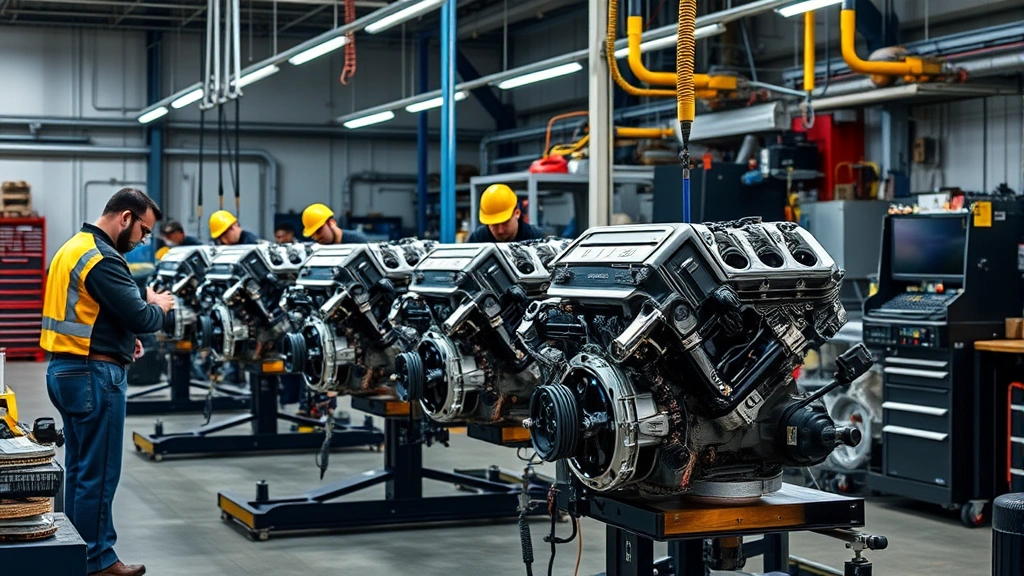
LS3 Engine for Sale: Complete Buyer’s Guide for 2023
The LS3 engine remains one of the most sought-after powerplants in the automotive aftermarket, commanding premium prices and intense buyer competition. Whether you’re building a high-performance vehicle, restoring a classic car, or upgrading your current ride, understanding the LS3 market in 2023 is essential for making an informed purchase decision. This comprehensive guide covers everything you need to know about finding, evaluating, and purchasing an LS3 engine at the best possible value.
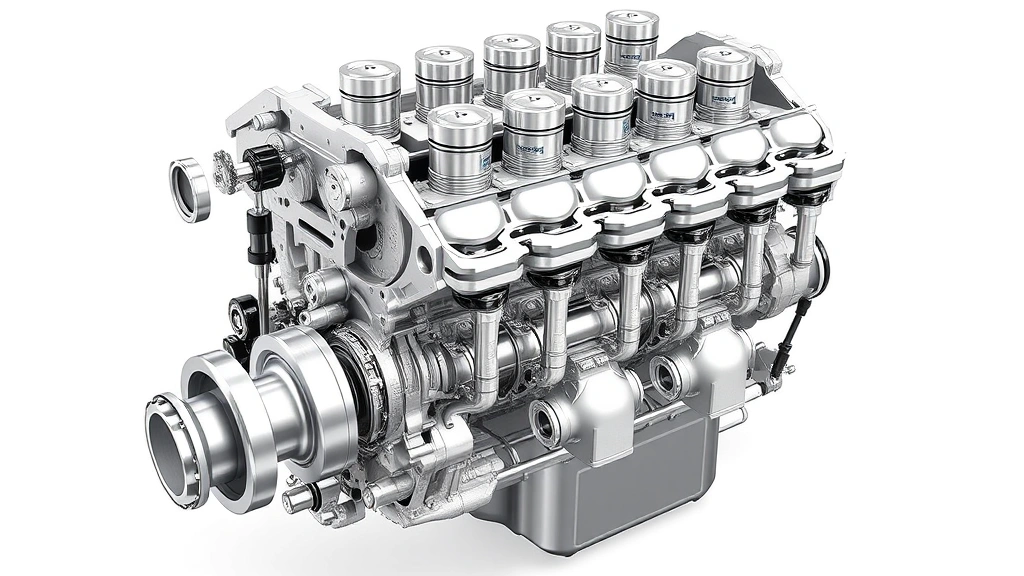
The LS3 represents Chevrolet’s pinnacle of naturally aspirated small-block engineering, producing 430 horsepower and 424 lb-ft of torque in stock configuration. Its legendary reliability, extensive aftermarket support, and proven track record make it the gold standard for engine swaps and performance upgrades across the automotive enthusiast community. However, the market for LS3 engines for sale has become increasingly complex, with prices fluctuating based on condition, mileage, sourcing, and current demand.
Current Market Pricing and Availability
In 2023, LS3 engine pricing has stabilized after significant volatility in previous years. A stock, low-mileage LS3 typically ranges from $4,500 to $7,500 depending on condition and sourcing. Crate engines from Chevrolet Performance or reputable rebuilders command premium prices between $7,000 and $10,000, while complete turnkey packages with supporting components can exceed $12,000. Used LS3 engines pulled from donor vehicles represent the most economical option, often available in the $3,500 to $5,500 range, though these require thorough inspection and verification of operational history.
Market availability has improved substantially as production of LS3-equipped vehicles continues in the secondary market. According to recent SEMA industry reports, demand for LS-series engines remains exceptionally high, with LS3 units representing approximately 18% of all engine swap inquiries. This sustained demand keeps pricing relatively firm, particularly for documented, low-mileage examples. Regional variations exist, with LS3 engines typically commanding higher prices in coastal markets and lower prices in traditional automotive hub regions.
Seasonal pricing patterns significantly impact availability and cost. Spring and summer months typically see increased prices due to peak building season, while fall and winter often present better negotiating opportunities. Smart buyers monitor market trends throughout the year to identify optimal purchase windows. The rise of online automotive marketplaces has increased transparency in pricing, making it easier to establish fair market value for comparable units.
Where to Find LS3 Engines for Sale
Multiple channels exist for sourcing LS3 engines, each presenting distinct advantages and disadvantages. Local salvage yards and auto dismantlers represent the most traditional source, offering hands-on inspection capabilities and the opportunity to negotiate directly. However, inventory reliability and condition documentation vary widely. Building relationships with local salvage operations often yields first access to desirable cores before they reach the general market.
Online platforms have revolutionized engine sourcing, with specialized automotive marketplaces offering unprecedented selection. Major automotive classifieds sites list thousands of LS3 engines from private sellers, dealers, and professional engine suppliers. Facebook groups dedicated to LS engine enthusiasts provide peer-to-peer transactions and valuable community knowledge. Craigslist remains viable for local purchases, though exercise appropriate caution with private transactions.
Performance shops and engine rebuilders offer curated inventory with documented history and warranty protection. These professional sources command premium pricing but provide confidence through established reputations and accountability. Many offer comprehensive e-commerce ordering systems that streamline the purchasing process. Specialty LS engine retailers maintain extensive stock and can often locate specific variants or configurations on request.
Auction sites, particularly those specializing in salvage and rebuilt vehicles, occasionally feature LS3 engines at competitive pricing. Estate sales and bankruptcy liquidations sometimes yield unexpected opportunities, though these require diligent inspection and documentation verification. Networking within automotive enthusiast communities provides access to private sales and insider knowledge about upcoming inventory.
Evaluating Engine Condition and History
Thorough evaluation of engine condition is absolutely critical before committing to purchase. Compression testing should be the first step, with all eight cylinders reading within 10% of each other. Cylinders reading below 130 PSI indicate potential internal wear, while excessive variance suggests specific cylinder problems. A compression test costs $100 to $200 but provides invaluable diagnostic information that can prevent costly mistakes.
Visual inspection reveals critical information about maintenance history and operational condition. Look for oil leaks around gaskets and seals, corrosion on external surfaces, and overall cleanliness. A well-maintained engine typically shows signs of regular care through clean oil passages and intact protective covers. Document any visible damage, modification marks, or previous repair evidence with detailed photographs.
Request complete service documentation and maintenance records whenever possible. Documented oil changes, fluid services, and component replacements indicate responsible ownership and provide baseline information about engine reliability. VIN verification confirms original application and helps identify potential issues specific to particular model years. Some engines carry hidden issues from previous performance modifications or inadequate maintenance that documentation can reveal.
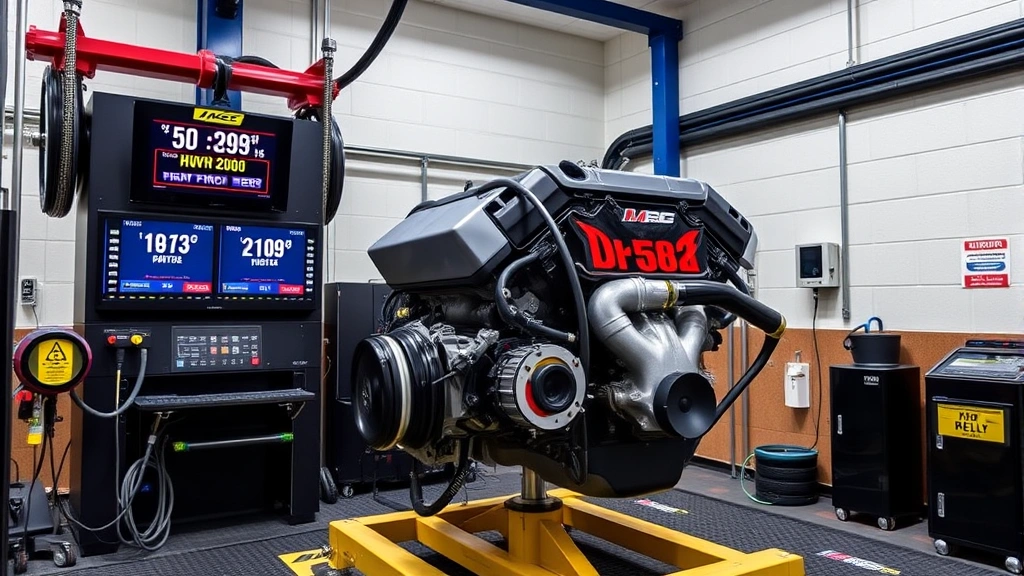
Dyno testing provides objective performance data and reveals mechanical condition through load testing. Many reputable engine suppliers offer dyno verification as a standard service, with results documenting horsepower, torque, and operational characteristics. While dyno testing adds $300 to $500 to acquisition costs, it provides definitive proof of performance and reliability that justifies the investment for critical purchases.
New vs. Used vs. Rebuilt Options
New crate engines from Chevrolet Performance or authorized distributors represent the premium option, offering factory warranty protection, documented specifications, and zero operational history. These units cost $8,000 to $10,000 but provide absolute reliability assurance and peace of mind. Crate engines arrive completely assembled and ready for installation, eliminating uncertainty about internal component condition. Factory warranty typically extends two to three years, covering manufacturing defects and operational failures.
Used LS3 engines salvaged from donor vehicles offer maximum cost savings, typically costing 40-60% less than crate alternatives. These engines require thorough inspection and verification but can provide excellent value when properly evaluated. Sourcing from known-mileage vehicles with documented service history minimizes risk. Used engines appeal to budget-conscious builders willing to invest time in inspection and verification.
Professional rebuilds occupy the middle ground, offering certified condition, warranty protection, and documented specifications at moderate pricing. Reputable rebuilders completely disassemble engines, inspect all components, replace wear items, and dyno test finished products. Rebuilt engines typically cost $6,000 to $8,500 and provide significant value compared to new crates while offering superior assurance compared to used cores. Many rebuilders offer tiered options, from basic reconditioning to complete restoration with upgraded components.
Partial builds and modified LS3 variants introduce additional considerations. Some sellers offer upgraded versions with enhanced cam profiles, ported heads, or modified induction systems. These modifications can dramatically improve performance but may complicate installation compatibility and warranty coverage. Verify that any modifications align with your intended application and that supporting modifications accommodate the increased output.
Installation and Compatibility Considerations
Engine swap feasibility extends far beyond simply acquiring an LS3 unit. Comprehensive evaluation of your vehicle’s structural compatibility, cooling system capacity, electrical integration, and fuel delivery systems determines installation success. LS3 engines fit many platforms, but each application presents unique challenges requiring specific knowledge and component selection.
Cooling system requirements demand careful attention, as LS3 engines generate substantial heat requiring adequate radiator capacity and proper flow dynamics. Many swap applications require oversized radiators, quality water pumps, and optimized hose routing. Inadequate cooling leads to overheating and catastrophic engine failure, making this aspect non-negotiable. Professional engine builders can specify exact cooling requirements for your specific application.
Electrical integration involves engine control modules, wiring harnesses, sensors, and integration with existing vehicle systems. Modern LS3 engines require sophisticated engine management systems that must communicate with your vehicle’s existing electronics. Professional engine builders and specialty shops handle this complexity, but DIY builders must thoroughly understand electrical integration requirements. Improper electrical setup causes starting failures, poor performance, and potential safety hazards.
Fuel system capacity and delivery requirements increase substantially with LS3 power output. Stock fuel systems from many donor vehicles prove inadequate, requiring upgraded fuel pumps, larger injectors, and modified fuel lines. Professional builders typically recommend complete fuel system upgrades as part of the installation package. Undersized fuel systems cause lean running conditions, poor performance, and potential engine damage.
Transmission compatibility significantly impacts installation feasibility. LS3 engines pair effectively with multiple transmission options, from classic three-speeds to modern six-speeds, but each combination requires specific bellhousing adapters, driveline modifications, and mounting solutions. Transmission selection influences overall build cost, performance characteristics, and driving experience. Professional builders guide transmission selection based on intended application and performance goals.
Warranty and Seller Reliability
Warranty protection represents a critical consideration when evaluating LS3 engine purchases. New crate engines from Chevrolet Performance offer comprehensive factory warranties covering manufacturing defects and operational failures, typically extending 24 to 36 months from purchase. Professional rebuilders generally provide 12 to 24-month warranties covering workmanship and component failures. Private sellers rarely offer warranty protection, shifting all risk to the buyer.
Seller reputation and accountability significantly influence purchase confidence and recourse availability. Established performance shops, authorized Chevrolet Performance dealers, and professional engine rebuilders maintain reputations dependent on customer satisfaction and product quality. These businesses invest in quality control, documentation, and warranty support because their long-term viability depends on customer satisfaction. Private sellers and marginal operators lack similar incentives for quality assurance.
Documentation and communication quality indicate seller professionalism and reliability. Professional sellers provide detailed engine specifications, maintenance history, dyno results, and photographic documentation. They respond promptly to inquiries, answer technical questions knowledgeably, and provide clear communication throughout the transaction process. Vague responses, reluctance to provide documentation, or pressure to purchase quickly suggest potential problems.
Return policies and satisfaction guarantees provide additional security when purchasing from established sellers. Some professional builders offer trial periods or performance guarantees, allowing customers to verify engine performance before finalizing payment. While these policies add cost, they provide significant peace of mind for major purchases. Reputable sellers willingly explain warranty terms, return policies, and dispute resolution processes before purchase.
Payment protection becomes increasingly important for significant purchases. Credit cards offer chargeback protection for fraudulent transactions, though limits apply to large purchases. Escrow services provide neutral third-party protection, holding funds until both parties confirm satisfaction. Wire transfers and cash payments offer no protection, making these methods risky for major engine purchases. Always use payment methods providing recourse for problems or disputes.
FAQ
What is the typical price range for an LS3 engine in 2023?
Stock LS3 engines range from $3,500 to $7,500 depending on condition and sourcing, with new crate engines costing $8,000 to $10,000. Rebuilt engines typically cost $6,000 to $8,500. Complete turnkey packages with supporting components can exceed $12,000. Prices vary based on regional market conditions and seasonal demand fluctuations.
Where should I buy an LS3 engine to ensure quality and reliability?
Purchase from established professional builders, authorized Chevrolet Performance dealers, or reputable salvage operations with documented inventory and warranty protection. Verify seller credentials, request complete documentation, and confirm warranty coverage. Professional sources command premium pricing but provide accountability and recourse unavailable from private sellers.
How do I verify an LS3 engine’s condition before purchasing?
Conduct compression testing, perform visual inspection for leaks and damage, request service documentation, verify VIN information, and consider dyno testing for critical purchases. Professional inspection services cost $200 to $500 but provide objective verification of mechanical condition and operational reliability.
Can I install an LS3 engine in my vehicle myself?
Installation complexity varies significantly by vehicle platform. Simple bolt-in applications may be manageable for experienced builders, while most swaps require professional expertise in cooling systems, electrical integration, fuel systems, and transmission adaptation. Professional installation typically costs $3,000 to $8,000 depending on application complexity.
What is the difference between a crate engine and a rebuilt engine?
Crate engines are new, factory-assembled units with full warranty protection, costing $8,000 to $10,000. Rebuilt engines are professionally disassembled, inspected, and reassembled with worn components replaced, costing $6,000 to $8,500 with limited warranty protection. Used engines are original cores from donor vehicles, costing $3,500 to $5,500 with no warranty protection.
Should I buy a stock LS3 or a modified version?
Stock LS3 engines provide proven reliability and compatibility with standard installation packages. Modified versions offer enhanced performance but may complicate installation compatibility and warranty coverage. Choose stock engines unless your specific application requires performance modifications that you’ve verified are compatible with supporting systems.
How much does LS3 installation cost beyond the engine price?
Installation costs range from $3,000 to $8,000 depending on application complexity, cooling system modifications, electrical integration, fuel system upgrades, and transmission adaptation. Simple bolt-in applications cost less, while complete ground-up swaps on incompatible platforms require substantial additional investment in custom fabrication and integration.
What warranty protection should I expect when purchasing an LS3 engine?
New crate engines offer 24 to 36-month factory warranties. Professional rebuilds typically provide 12 to 24-month warranties. Used engines from private sellers offer no warranty protection. Always verify warranty terms, coverage details, and claim procedures before purchase. Warranty protection significantly justifies premium pricing for professional sources.