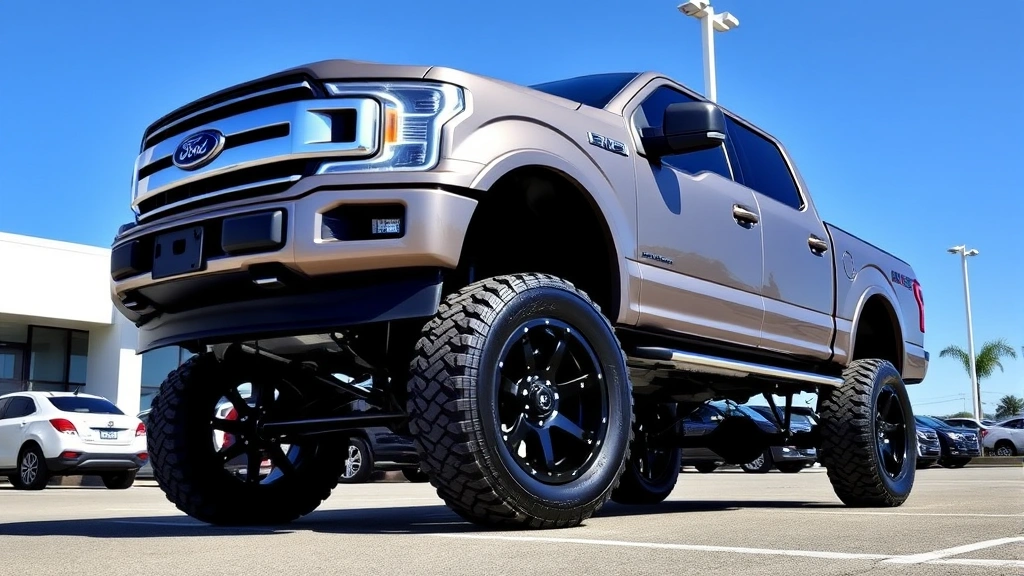
Affordable Lifted Trucks for Sale: Complete 2023 Buyer’s Guide
The market for lifted trucks has exploded in recent years, with consumers increasingly seeking vehicles that combine off-road capability, aesthetic appeal, and practical functionality. However, the premium pricing associated with factory-lifted trucks and professional lift kit installations has created a significant barrier to entry for budget-conscious buyers. Understanding the landscape of affordable lifted trucks requires strategic knowledge about where to shop, what to inspect, and how to negotiate effectively in both the new and used vehicle markets.
This comprehensive guide explores the current state of the lifted truck market in 2023, examining pricing trends, dealership options, private seller platforms, and essential inspection criteria. Whether you’re a first-time lifted truck buyer or an experienced off-road enthusiast looking to expand your collection, this resource provides actionable intelligence to help you secure a quality vehicle within your budget constraints. We’ll examine everything from factory lift options to aftermarket considerations, financing strategies, and the total cost of ownership for lifted truck buyers.
Understanding the Lifted Truck Market in 2023
The lifted truck market has experienced substantial transformation throughout 2023, driven by shifting consumer preferences, supply chain stabilization, and evolving manufacturer strategies. Data from Edmunds automotive research indicates that lifted truck sales have maintained strong momentum despite broader economic headwinds affecting the automotive industry. Buyers are increasingly willing to invest in vehicles that offer both utilitarian value and lifestyle appeal, positioning lifted trucks as a resilient market segment.
Current market conditions present unique opportunities for budget-conscious shoppers. Used lifted truck inventory has expanded significantly as the initial pandemic-driven shortage has resolved, creating more competitive pricing scenarios. The average price for used lifted trucks has stabilized, with many models experiencing slight depreciation from their 2022 peaks. This market correction benefits buyers who exercised patience rather than purchasing at inflated prices during the supply crunch.
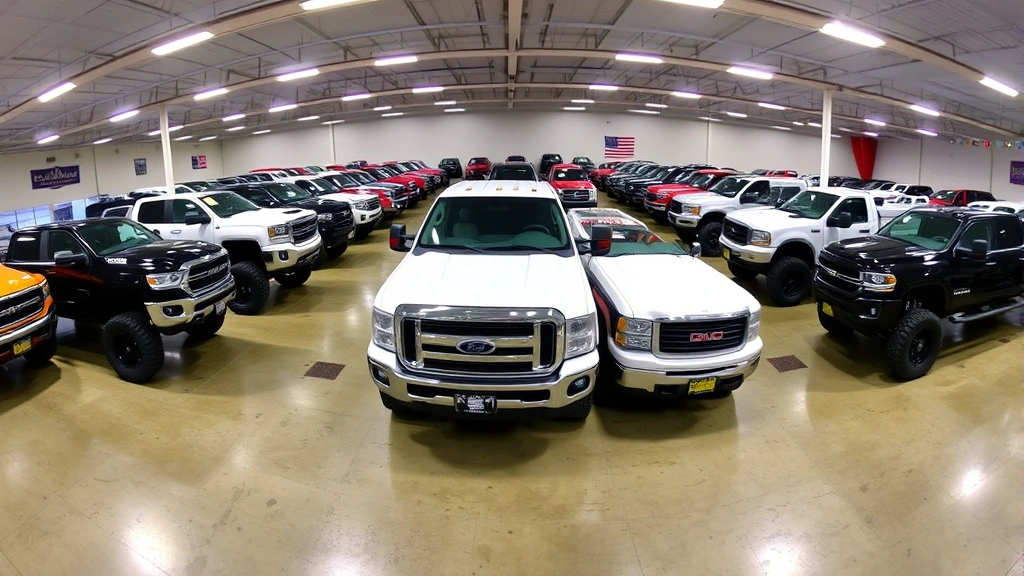
Manufacturer participation in the lifted truck segment continues to expand, with Ford, Chevrolet, GMC, Ram, and Toyota all offering factory-lifted variants or compatible lift systems. This increased competition has naturally driven innovation and created more affordable entry points into the lifted truck category. Understanding which manufacturers offer the best value requires analyzing both initial purchase price and long-term reliability metrics.
Factory vs. Aftermarket Lifted Trucks: Cost Breakdown
The decision between purchasing a factory-lifted truck and applying an aftermarket lift system represents one of the most significant financial considerations in this market. Factory lifts, such as those offered by Ford’s Tremor line or GMC’s AT4, typically add $3,000 to $8,000 to the base vehicle price. These systems include manufacturer warranties, integrated suspension geometry optimization, and often come with coordinated tire and wheel packages.
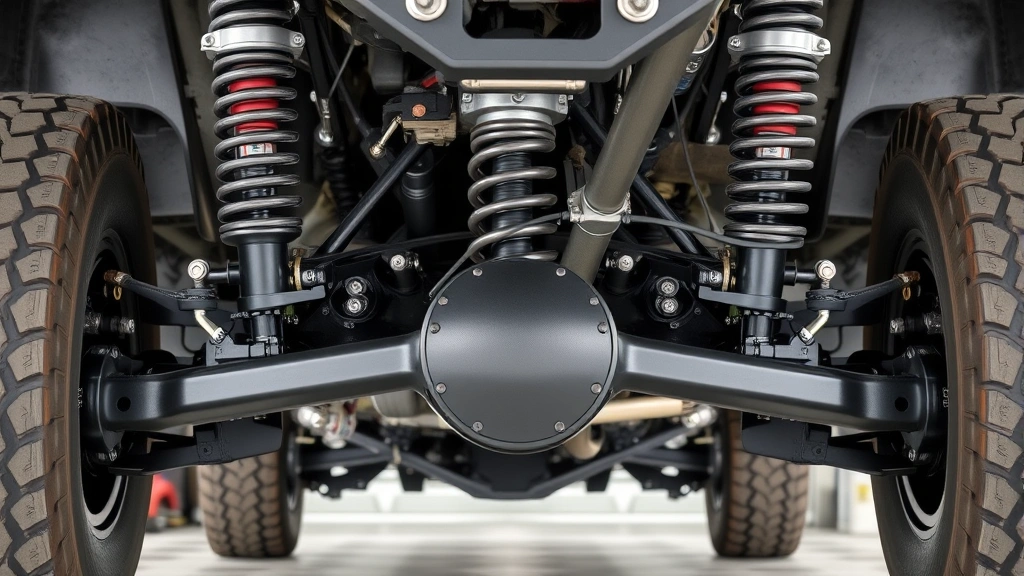
Aftermarket lift kits present a more economical pathway for budget buyers, with quality systems ranging from $1,500 to $5,000 depending on lift height and component quality. However, installation costs typically add another $1,000 to $3,000, and buyers must carefully evaluate warranty implications and potential impact on vehicle resale value. Professional installation is strongly recommended, as improper lift installation can compromise vehicle safety and handling characteristics.
When comparing total investment, a used truck with an existing lift installation often provides the best value proposition. The original owner has absorbed depreciation on both the vehicle and the lift system, allowing subsequent buyers to acquire fully functional lifted trucks at significant discounts. This strategy requires thorough inspection to verify proper installation and identify any wear issues specific to lifted vehicles.
The cost analysis must also account for tire and wheel upgrades, which are frequently necessary or desirable following lift installation. Budget an additional $1,500 to $4,000 for a quality four-tire set sized appropriately for your lifted truck. Many aftermarket lifts require larger tires to maintain proper suspension geometry and achieve desired visual aesthetics.
Best Platforms for Finding Affordable Lifted Trucks
Locating affordable lifted trucks requires strategic use of multiple platforms, each offering distinct advantages and disadvantages. Understanding where to search and how to evaluate listings significantly impacts your ability to identify genuine value propositions.
Online Marketplaces and Dealer Networks: Cars.com and AutoTrader maintain extensive lifted truck inventories with transparent pricing, vehicle history reports, and dealer contact information. These platforms enable price comparison across geographic regions and facilitate communication with certified dealerships. Filter searches by lift height, price range, and mileage to identify vehicles matching specific criteria.
Private seller platforms including Facebook Marketplace and Craigslist continue offering opportunities for negotiation and direct communication with sellers. These channels often feature lower prices than dealership inventory but require heightened due diligence regarding vehicle condition and title verification. Always request complete service records and conduct independent inspections before committing to private party purchases.
Specialized truck marketplaces like TruckTrader.com focus exclusively on truck inventory, providing detailed specifications, lift system information, and often professional photography. These platforms attract both dealers and private sellers specifically targeting truck enthusiasts, resulting in more knowledgeable seller interactions and accurate vehicle descriptions.
Auction platforms and fleet liquidation services occasionally offer lifted trucks at below-market rates. Government surplus auctions, corporate fleet sales, and trade-in liquidation events can provide exceptional value if you’re willing to travel and conduct thorough pre-purchase inspections. Join platform notifications to receive alerts about upcoming sales matching your criteria.
Budget-Friendly Lifted Truck Models
Certain truck models consistently deliver better value in the lifted truck market due to their popularity, parts availability, and aftermarket support. Strategic model selection significantly impacts both purchase price and long-term ownership costs.
Ford F-150 (2009-2023): The F-150 dominates the lifted truck market, ensuring abundant lift kit options, competitive pricing on used inventory, and strong resale value. Older generation models (2009-2014) offer particularly attractive pricing while maintaining reliability and off-road capability. The extensive aftermarket ecosystem means affordable parts availability and skilled technician accessibility.
Chevrolet Silverado (2014-2023): Silverado trucks provide excellent value, particularly in the 2014-2018 generation where used inventory has stabilized at reasonable prices. These vehicles respond well to lift installation and maintain strong community support within off-road enthusiast forums. Parts interchangeability with GMC Sierra reduces upgrade and maintenance costs.
Ram 1500 (2009-2023): Ram trucks have gained significant market share, creating robust secondary markets for lifted examples. The 2009-2018 generation offers particularly strong value, with many examples featuring light mileage and reasonable pricing. Ram’s factory lift options on newer models provide excellent baseline platforms for budget buyers seeking warranty-backed vehicles.
Toyota Tacoma and Tundra: While Toyota trucks command premium pricing new, used lifted examples occasionally appear at reasonable prices. These vehicles excel in reliability and resale value, making them excellent long-term investments despite higher initial acquisition costs. The strong Toyota community ensures consistent parts availability and technical support.
Dodge Ram 2500/3500 (2003-2012): Diesel-powered Ram trucks from this era offer exceptional value for buyers willing to manage higher fuel costs and potential repair expenses. Many feature factory or professional lift installations, allowing buyers to acquire capable trucks at significantly reduced prices compared to gasoline alternatives.
Essential Inspection Checklist for Lifted Trucks
Purchasing a lifted truck requires scrutiny beyond standard vehicle inspection protocols. Lift systems introduce unique wear patterns and potential failure points that demand specialized attention.
Suspension Component Assessment: Examine all suspension components including shocks, struts, coil springs, and leaf springs for signs of wear, leakage, or damage. Lifted trucks experience accelerated suspension wear due to increased leverage and altered geometry. Request service records documenting recent shock or spring replacement, as these components typically require more frequent servicing on lifted vehicles.
Lift System Verification: Confirm the lift system type, installation date, and remaining warranty coverage. Contact the lift kit manufacturer to verify installation quality and identify any outstanding recalls or known issues. Improper lift installation can compromise vehicle safety and handling, making professional verification essential before purchase commitment.
Tire and Wheel Evaluation: Assess tire condition, size appropriateness for the lift height, and wear patterns indicating suspension issues. Uneven tire wear suggests alignment problems common in lifted vehicles. Verify that tire size falls within acceptable parameters for your truck model to avoid speedometer inaccuracy and transmission strain.
Undercarriage and Frame Inspection: Examine the frame, undercarriage, and connecting points for corrosion, cracks, or welding repairs. Lifted trucks often encounter more aggressive terrain, increasing the likelihood of frame damage. Have a certified technician perform a comprehensive undercarriage inspection using a lift or pit, as hidden frame damage significantly impacts long-term vehicle viability.
Brake System Assessment: Larger tires and increased vehicle weight necessitate premium brake system performance. Verify brake pad thickness, rotor condition, and brake fluid quality. Many lifted truck owners upgrade to aftermarket brake systems; verify that any upgrades are properly installed and functioning optimally.
Steering and Alignment: Test steering responsiveness, listen for unusual noises, and confirm proper wheel alignment. Lifted trucks often experience alignment drift due to altered suspension geometry. Recent alignment documentation suggests the seller has properly maintained the vehicle.
Engine and Transmission Inspection: Conduct thorough engine inspections including compression testing, oil analysis, and fluid condition assessment. Verify transmission fluid color and smell, requesting service records for any transmission work. Lifted trucks with aggressive driving histories may have experienced accelerated powertrain wear.
Financing Options and Negotiation Strategies
Securing favorable financing terms significantly impacts the affordability of lifted truck purchases. Strategic approaches to financing and negotiation can reduce your total ownership costs substantially.
Traditional auto financing through banks and credit unions often provides better rates than dealership financing, particularly for buyers with established credit. Pre-approval before shopping establishes your budget, strengthens your negotiating position, and enables rapid transaction completion. Credit unions frequently offer specialized truck financing programs with competitive rates and flexible terms.
When negotiating with dealers, focus on the total transaction price rather than monthly payments. Dealers often manipulate payment structures to obscure unfavorable pricing. Request itemized breakdowns of all fees, warranties, and add-ons, challenging any unclear charges. Professional business negotiation principles apply equally to vehicle purchases, emphasizing clear communication and documented agreements.
Private party purchases may enable price negotiation that’s difficult with dealers. Research recent comparable sales using Kelley Blue Book pricing data, establishing a justified offer range. Present inspection reports documenting needed repairs as leverage for price reductions, ensuring sellers understand that identified issues reduce the vehicle’s value.
Consider timing your purchase strategically. Month-end and quarter-end periods often motivate dealers to move inventory with aggressive pricing. Seasonal factors also influence lifted truck availability and pricing, with spring and summer typically commanding premium prices as off-roading season approaches.
Hidden Costs and Total Cost of Ownership
Comprehensive cost analysis extends beyond the purchase price, encompassing maintenance, fuel, insurance, and repairs specific to lifted truck ownership. Understanding these expenses prevents budget surprises and enables accurate affordability assessment.
Fuel Consumption: Lifted trucks typically experience 10-20% increased fuel consumption due to additional weight, increased aerodynamic drag from larger tires, and altered suspension geometry. Budget accordingly for higher fuel costs, particularly if you plan frequent driving. Diesel-powered lifted trucks offer improved fuel economy but command premium diesel fuel pricing.
Tire Replacement and Maintenance: Larger tires cost significantly more than stock sizes, with premium all-terrain or mud-terrain options ranging from $150-$300 per tire. Plan for replacement every 40,000-60,000 miles depending on driving conditions. Include regular tire rotation, balancing, and alignment services in your maintenance budget.
Suspension Maintenance: Shocks and struts on lifted trucks require more frequent replacement than stock vehicles. Budget for replacement every 50,000-80,000 miles, with costs ranging from $400-$1,500 depending on component quality. Maintaining suspension components preserves ride quality and prevents cascading damage to other systems.
Insurance Considerations: Modified vehicles may experience insurance rate increases of 5-15%, as insurers view lifted trucks as higher-risk. Obtain insurance quotes before purchase, as modified vehicle coverage often requires specialized policies. Some insurers decline coverage for heavily modified trucks, limiting your options and potentially increasing premiums significantly.
Repair Costs and Reliability: Lifted trucks often experience higher repair costs due to specialized components and increased wear on drivetrain systems. Maintain comprehensive service records and consider extended warranties covering major powertrain components. Factor potential repair costs into your total budget, particularly for older models outside standard manufacturer warranty periods.
Resale Value Considerations: While lifted trucks maintain strong market demand, customization impacts resale value differently depending on modification quality and buyer preferences. Professional factory or quality aftermarket lifts typically preserve value better than amateur installations. Plan for 15-25% depreciation over five years, accounting for lifted truck market volatility.
FAQ
What’s the most affordable lifted truck to buy in 2023?
The Ford F-150 (2009-2014 generation) offers the best combination of affordability and availability in the lifted truck market. Used examples are plentiful, parts are inexpensive, and the extensive aftermarket ecosystem reduces customization costs. Chevrolet Silverado and Ram 1500 trucks from similar generations provide comparable value propositions.
Should I buy a factory-lifted truck or apply an aftermarket lift?
Purchasing a used truck with an existing factory or quality professional lift typically provides the best value. You avoid installation costs and absorb depreciation from the original owner’s investment. Aftermarket lifts work well for budget-conscious buyers willing to handle installation logistics, but ensure professional installation to maintain vehicle safety and warranty coverage.
How much does a quality lift kit installation cost?
Quality lift kits range from $1,500-$5,000 depending on lift height and component specifications. Professional installation adds $1,000-$3,000. Budget an additional $1,500-$4,000 for appropriately-sized tires and wheels, bringing total lift system investment to $4,000-$12,000.
What specific suspension components require inspection on lifted trucks?
Prioritize inspection of shocks, struts, coil springs, leaf springs, control arms, and track bars. Verify proper installation geometry, check for leakage or damage, and confirm proper shock/strut operation. Request service records documenting recent suspension component replacement, as lifted trucks experience accelerated wear.
Do lifted trucks cost more to insure?
Yes, modified vehicles typically experience insurance rate increases of 5-15%. Some insurers decline coverage for heavily modified trucks. Obtain insurance quotes before purchase, as modified vehicle policies often require specialized coverage with higher premiums than standard vehicle policies.
How much does fuel consumption increase with a lifted truck?
Lifted trucks typically experience 10-20% increased fuel consumption due to additional weight, aerodynamic drag, and altered suspension geometry. Diesel-powered lifted trucks offer improved efficiency but command premium fuel pricing. Factor increased fuel costs into your total budget calculations.
Where’s the best place to find affordable lifted trucks?
Online marketplaces like Cars.com and AutoTrader offer extensive inventory with transparent pricing. Specialized platforms like TruckTrader focus exclusively on trucks. Private seller platforms including Facebook Marketplace and Craigslist enable negotiation but require heightened due diligence. Auction platforms and fleet liquidation services occasionally offer exceptional value.
What depreciation should I expect on a lifted truck purchase?
Plan for 15-25% depreciation over five years, with lifted trucks maintaining stronger resale value than many vehicle categories. Quality factory or professional lifts preserve value better than amateur installations. Market demand for lifted trucks remains strong, supporting relatively stable secondary market pricing.