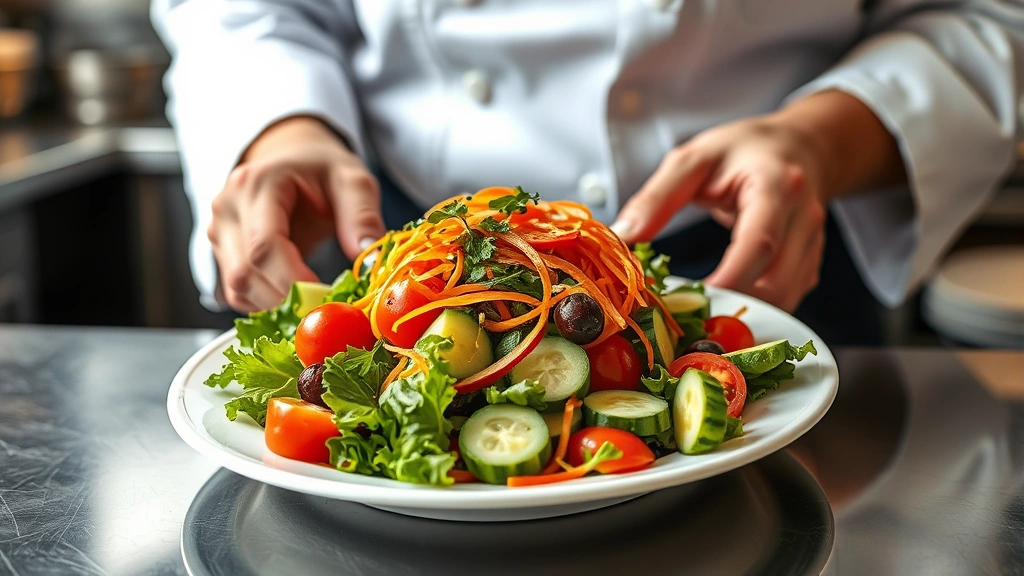
Best House Salad Recipes: Chef’s Picks for Fresh, Crisp Greens
A well-crafted house salad represents the foundation of fine dining and casual restaurant culture alike. Whether you’re operating a restaurant, catering business, or simply seeking to elevate your home dining experience, mastering the art of the house salad can set you apart from competitors and delight your guests. The house salad has evolved from a simple side dish into a signature offering that reflects a restaurant’s commitment to quality ingredients and culinary expertise. In today’s competitive food service industry, understanding what makes an exceptional house salad can directly impact customer satisfaction, repeat business, and overall profitability.
The modern house salad goes beyond iceberg lettuce and basic vinaigrette. Today’s best house salad recipes incorporate seasonal produce, artisanal dressings, and thoughtfully selected ingredients that create memorable dining experiences. From upscale establishments to neighborhood bistros, chefs are reimagining this classic dish to showcase their culinary vision while maintaining the accessibility and broad appeal that define a true house salad. This comprehensive guide explores chef-curated recipes, ingredient sourcing strategies, and business considerations for restaurants looking to optimize their salad offerings.
Classic House Salad Recipe
The foundation of any restaurant’s salad program begins with understanding the classic house salad formula. The traditional house salad combines mixed greens, fresh vegetables, and a balanced vinaigrette that complements rather than overwhelms the natural flavors of the produce. According to industry data from the National Restaurant Association, salads represent approximately 12-15% of appetizer orders in full-service restaurants, making them a critical profit center.
The base of an excellent house salad should feature a blend of lettuces including romaine, butterhead, and frisée. This combination provides textural variety and visual appeal while maintaining reasonable food costs. Each lettuce variety contributes distinct characteristics: romaine offers crisp, sturdy leaves perfect for holding dressing; butterhead provides a delicate, tender crunch; and frisée adds elegant, feathery texture that elevates presentation. A typical house salad serving should contain approximately 2-3 ounces of mixed greens, which provides adequate volume without excessive waste.
Beyond greens, the classic recipe incorporates cucumber slices, cherry tomatoes, shredded carrots, and thinly sliced red onion. These vegetables should be prepped fresh daily or stored in optimal conditions to maintain crispness. Many successful restaurants, particularly those in the retail food service sector, have discovered that investing in proper storage equipment directly correlates with reduced waste and improved margins. Croutons or homemade bread chips provide textural contrast and can be made in-house to reduce costs and enhance perceived value.
The finishing touches—a sprinkle of aged Parmesan, candied nuts, or crispy bacon bits—transform a simple salad into a signature dish. These premium ingredients should be portioned carefully, as they significantly impact food costs. Industry benchmarks suggest maintaining a food cost percentage of 28-35% for salad dishes, allowing adequate margin for labor, overhead, and profit.
Seasonal Variations and Chef Innovations
Progressive chefs recognize that seasonal variations keep house salad offerings fresh and exciting while optimizing ingredient costs. During spring, incorporate tender baby greens, asparagus, radishes, and edible flowers. Spring salads should feel light and delicate, reflecting the season’s renewal. Summer house salads benefit from peak produce availability including heirloom tomatoes, stone fruits, fresh herbs, and crisp summer squash. These seasonal ingredients often command premium prices during peak season but justify their cost through customer appeal and reduced waste.
Autumn house salads transition toward heartier ingredients like roasted beets, candied walnuts, pears, and aged cheeses. Fall’s abundance allows chefs to experiment with warm components, incorporating roasted vegetables or warm goat cheese that creates temperature contrast with cold greens. Winter variations embrace root vegetables, citrus elements, and substantial proteins that satisfy customers seeking comfort during colder months. Successful restaurants understand that updating house salad offerings seasonally creates perception of freshness and innovation.
Contemporary chefs are also reimagining house salads through global flavor profiles. Mediterranean-inspired versions incorporate Kalamata olives, feta cheese, and oregano vinaigrette. Asian-influenced house salads feature sesame oil-based dressings, crispy wonton strips, and fresh ginger. These variations allow restaurants to differentiate offerings while maintaining the core concept of an accessible, appealing side dish. When considering restaurant business models and sales strategies, menu diversity directly influences customer perception of value and repeat business frequency.
Protein additions elevate house salads from side dish to light entrée. Grilled chicken breast, seared shrimp, crispy tofu, or sliced steak transform the salad into a complete meal. These additions should be priced separately as upcharges, typically adding $4-8 to the base salad price. This strategy increases average check size while providing customers with flexible dining options.
The Perfect Dressing Guide
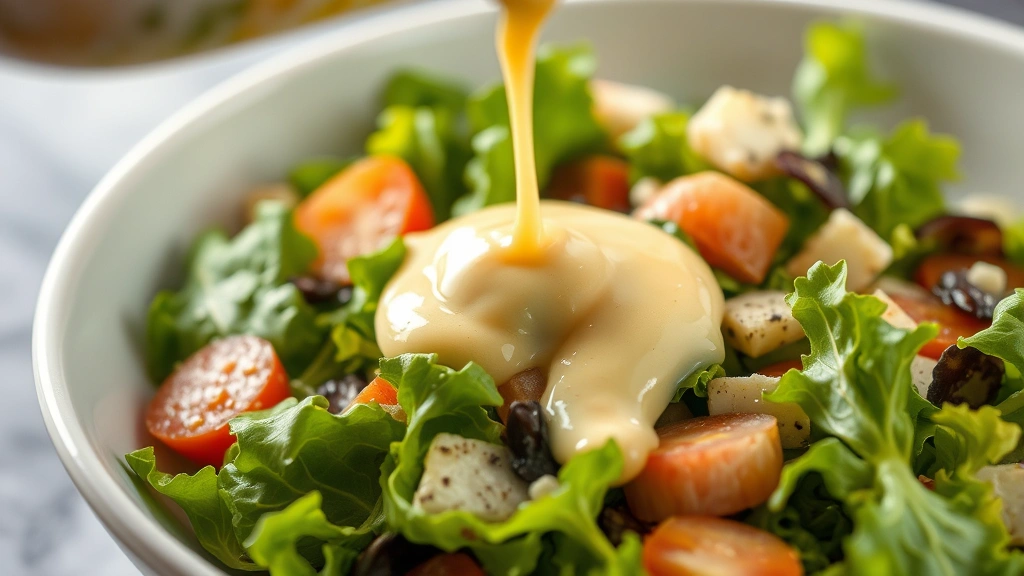
Dressing represents the critical element that unifies house salad components into a cohesive dish. The ideal house salad dressing balances acidity, fat, and flavor while maintaining versatility across seasonal variations. The classic vinaigrette formula—three parts oil to one part acid—provides a foundation that chefs can modify based on specific ingredient profiles and desired flavor intensity.
Vinaigrette variations offer cost-effective opportunities for menu differentiation. Balsamic vinaigrettes provide richness and subtle sweetness, ideal for autumn and winter salads. Red wine vinaigrettes offer bright acidity suitable for spring and summer applications. Sherry vinaigrettes deliver sophistication and work particularly well with delicate greens and premium ingredients. Prepared vinaigrettes from quality suppliers like Sysco or US Foods can reduce labor costs, though house-made dressings typically command higher perceived value and better margins.
Creamy dressings including ranch, blue cheese, and Caesar appeal to broader customer demographics and often generate higher sales volume. These dressings require careful handling due to dairy components and demand proper storage protocols. Many restaurants prepare creamy dressings daily in small batches to ensure freshness and maintain food safety standards. The cost of ingredients for house-made creamy dressings typically ranges from $0.40-0.75 per serving, allowing substantial margin when charged at $1.50-3.00 per serving.
Emulsification techniques significantly impact dressing quality and shelf life. Proper emulsification prevents separation and creates smooth, appealing texture. Chefs employ various methods including whisking, blending, and using emulsifiers like mustard or egg yolk to achieve optimal consistency. Understanding emulsification chemistry allows chefs to create dressings that maintain quality throughout service periods and extend shelf life during storage.
Flavor-forward dressings incorporating herbs, citrus, or specialty ingredients create memorable taste experiences. Fresh herb vinaigrettes using basil, dill, or tarragon appeal to health-conscious diners and pair beautifully with seasonal produce. Citrus-based dressings provide brightness without heavy acidity, making them suitable for delicate greens and premium ingredients. These sophisticated dressing options justify premium pricing and enhance perceived restaurant quality.
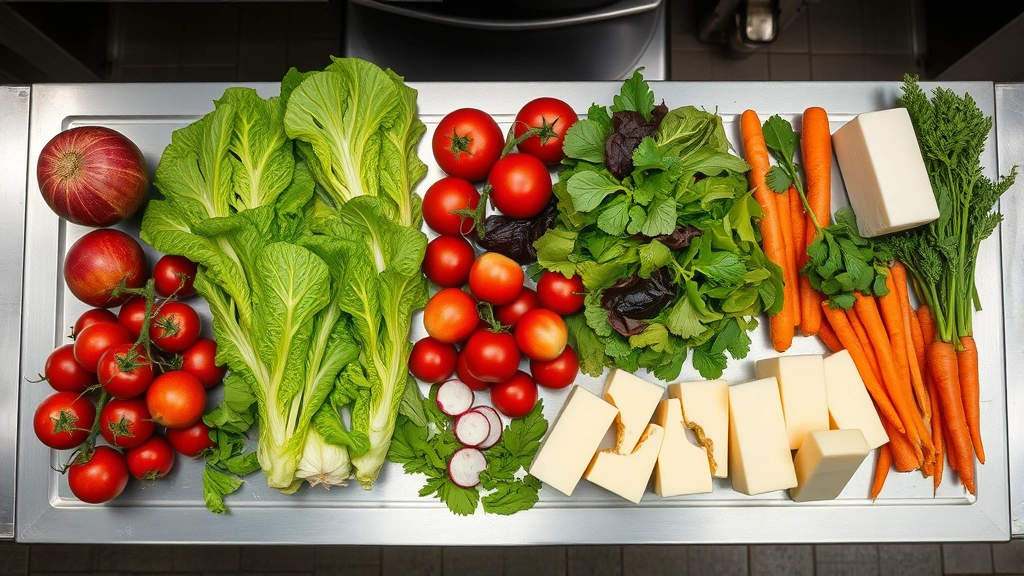
Sourcing Quality Ingredients for House Salads
Ingredient sourcing represents the foundation of house salad excellence and directly impacts food costs, quality consistency, and customer satisfaction. Establishing relationships with reliable produce suppliers ensures access to premium ingredients while negotiating favorable pricing based on volume commitments. Many successful restaurants maintain relationships with multiple suppliers to ensure consistent availability and competitive pricing throughout seasonal variations.
Local and regional produce sourcing has become increasingly important to restaurant customers and influences purchasing decisions. According to research from the Local First Alliance, 67% of consumers indicate preference for restaurants emphasizing local sourcing. Partnering with local farmers and regional distributors supports community relationships while providing marketing opportunities and often superior freshness. Seasonal availability from local sources requires menu flexibility and creative recipe adaptations, but these efforts resonate strongly with contemporary diners.
Organic certification influences both cost and customer perception. While organic produce typically commands 15-30% price premiums, marketing organic house salads can justify higher menu prices and appeal to health-conscious demographics. Many restaurants employ hybrid approaches, featuring organic greens while using conventional produce for other components, balancing cost considerations with customer expectations.
Pre-washed, pre-cut salad components from suppliers offer labor savings but typically cost 40-60% more than whole produce. Restaurants must evaluate labor availability and kitchen capacity when determining whether prepared components justify their cost premium. High-volume establishments often benefit from economies of scale when purchasing whole produce and implementing in-house prep systems. Smaller establishments or those with limited prep capacity may find prepared components more economical despite higher unit costs.
Specialty ingredients including artisanal cheeses, premium nuts, and imported oils significantly impact house salad perception and pricing. These components should be carefully selected to align with restaurant positioning and customer demographics. Premium ingredients justify higher menu prices and create opportunities for upselling and customer perception of value. A house salad featuring locally-sourced greens, artisanal goat cheese, and house-made vinaigrette can command $14-18 pricing while maintaining healthy margins.
Maximizing Profit Margins on House Salads
House salads represent significant profit opportunities for restaurants when properly managed. The typical salad food cost percentage of 28-35% allows 65-72% gross margin before labor allocation. This margin substantially exceeds many entrée categories and positions salads as important profit drivers. Understanding cost structure and pricing strategies enables restaurants to optimize profitability while maintaining customer satisfaction.
Portion control directly impacts profitability and consistency. Implementing standardized recipes with specific portion weights ensures consistency across service periods and prevents costly over-portioning. Many restaurants use pre-portioned salad bases prepared during slow service periods, enabling rapid assembly during busy service. This approach reduces labor during peak service while maintaining consistent portion sizes and quality.
Menu engineering principles apply directly to salad offerings. Analyzing sales mix and profitability reveals which salad variations generate highest margins and customer satisfaction. Popular items with strong margins warrant prominent menu placement and server promotion. Lower-margin items may be eliminated or reformulated to improve profitability. This analytical approach to menu management directly impacts overall restaurant profitability.
Pricing strategy requires balancing customer value perception with margin requirements. House salads priced at $10-14 typically perform well in casual to upscale settings, providing strong margins while remaining accessible to broad customer demographics. Specialty salads with premium proteins or ingredients can command $16-22, appealing to customers seeking complete meals. Understanding local market conditions and competitive pricing informs optimal pricing strategies for specific locations.
Labor efficiency significantly impacts salad profitability. Implementing efficient prep systems, utilizing appropriate equipment, and scheduling prep staff during slower service periods reduces labor costs. Training staff on proper plating and assembly techniques ensures consistent presentation while minimizing waste. These operational efficiencies directly translate to improved margins and customer satisfaction.
Food Safety and Storage Best Practices
Food safety represents the paramount concern in salad preparation and service. Raw produce handling requires strict adherence to food safety protocols to prevent contamination and foodborne illness. The FDA Food Safety Modernization Act establishes specific requirements for produce handling, storage, and documentation that restaurants must implement and maintain.
Proper storage temperatures and conditions are essential for maintaining produce quality and safety. Leafy greens require storage at 35-40°F in high-humidity environments to prevent wilting and decay. Tomatoes and cucumbers should be stored separately from greens, as they release ethylene gas that accelerates greens deterioration. Implementing proper storage protocols prevents waste and maintains salad quality throughout service periods.
Washing and sanitizing procedures must follow established food safety protocols. All produce should be thoroughly washed before service, with specific attention to leafy greens which present higher contamination risk. Implementing documented washing procedures and maintaining sanitizer test strips ensures compliance with food safety regulations. Many restaurants maintain separate prep areas for salad components to prevent cross-contamination with proteins or other potential contaminants.
Staff training on food safety represents an ongoing requirement that directly impacts customer safety and legal liability. Certified food protection managers should oversee salad prep operations and train staff on proper handling, storage, and sanitation procedures. Documentation of training and food safety audits demonstrates commitment to customer safety and provides legal protection in case of foodborne illness incidents.
HACCP (Hazard Analysis and Critical Control Points) principles specifically apply to salad operations. Identifying critical control points including washing, storage temperature, and holding time enables systematic food safety management. Implementing temperature monitoring systems and time-tracking procedures ensures adherence to food safety requirements and prevents costly incidents.
FAQ
What ingredients define a classic house salad?
A classic house salad combines mixed greens (romaine, butterhead, frisée), fresh vegetables (cucumber, tomato, carrot, red onion), croutons, and vinaigrette dressing. Optional additions include shredded cheese, nuts, and bacon bits. The specific ingredients vary by restaurant and region, but the fundamental concept emphasizes fresh, quality produce with balanced flavors.
How can restaurants reduce salad food costs?
Restaurants reduce salad costs through several strategies: purchasing whole produce and implementing in-house prep, negotiating volume pricing with suppliers, utilizing seasonal ingredients when costs are lowest, implementing strict portion control, and reducing waste through proper storage. Additionally, analyzing sales mix and eliminating low-margin items improves overall profitability.
What dressing works best for house salads?
Classic vinaigrette represents the most versatile house salad dressing, offering light flavor that complements diverse ingredients. However, the best dressing depends on specific salad components and customer preferences. Ranch and Caesar dressings appeal to broader demographics, while specialty vinaigrettes differentiate premium offerings. Offering multiple dressing options accommodates diverse customer preferences.
How long can prepared salad components be stored?
Properly stored salad greens maintain quality for 5-7 days when stored at 35-40°F in high-humidity conditions. Pre-cut vegetables should be used within 3-4 days. Dressings stored in sealed containers can last 5-7 days for vinaigrettes and 3-4 days for creamy dressings. Implementing FIFO (First In, First Out) inventory rotation ensures freshness and minimizes waste.
Can house salads be prepared ahead for events?
House salads should be assembled immediately before service to maintain freshness and prevent wilting. However, individual components can be prepped ahead and stored separately. For events, preparing salad bases in advance and adding dressing and delicate toppings immediately before service maintains quality. Transporting assembled salads requires insulated containers with ice packs to maintain proper temperature.
What’s the appropriate serving temperature for house salads?
House salads should be served chilled at 35-40°F. Chilling plates before service helps maintain temperature during dining. Servers should deliver salads promptly after assembly to prevent temperature loss. Some warm components like roasted vegetables or warm cheese can be incorporated, but the greens should remain crisp and cool.
How do restaurants differentiate house salad offerings?
Restaurants differentiate through seasonal variations, specialty ingredients, protein additions, and unique dressing formulations. Contemporary approaches include global flavor profiles, farm-to-table sourcing, and artisanal components. Menu engineering and customer feedback guide differentiation strategies that improve sales performance and customer satisfaction.