
Find Hellcat Charger Deals? Insider Tips for Smart Buyers
The Dodge Charger Hellcat remains one of the most coveted performance vehicles on the market, combining raw horsepower with American muscle car heritage. Whether you’re a seasoned collector or a first-time buyer searching for a Hellcat Charger for sale, navigating the automotive marketplace requires strategy, patience, and insider knowledge. This comprehensive guide reveals proven tactics to secure the best deals, avoid common pitfalls, and make an informed purchasing decision in today’s competitive market.
Finding the perfect Hellcat Charger at the right price isn’t just about luck—it’s about understanding where to look, when to negotiate, and how to evaluate listings with a critical eye. From certified dealerships to private sellers, each channel offers distinct advantages and challenges. By applying the strategies outlined in this guide, you’ll position yourself to find exceptional value and drive away in the high-performance vehicle of your dreams.
Understanding Hellcat Charger Market Dynamics
The Hellcat Charger market operates within specific supply-and-demand dynamics that directly impact pricing and availability. Since Dodge discontinued the Charger lineup in 2023, used Hellcat Chargers have become increasingly valuable collector items. According to Cars.com’s latest market analysis, performance vehicles in the Hellcat category maintain stronger resale values than standard muscle cars, with some models appreciating rather than depreciating over time.
Understanding market cycles is crucial for timing your purchase. The Manheim Used Vehicle Index tracks pricing trends across performance segments, showing that muscle cars typically experience price volatility based on fuel prices, economic conditions, and collector sentiment. When gas prices rise, buyers often seek more economical vehicles, creating temporary opportunities for Hellcat deals. Conversely, strong economic periods drive increased demand and higher asking prices.
The automotive e-commerce landscape has transformed how buyers discover vehicles. Modern e-commerce analytics tools help dealerships optimize their inventory management and pricing strategies, which directly affects what deals are available to consumers. By understanding how dealerships use data to price vehicles, you can better anticipate negotiation opportunities.
Where to Find Hellcat Chargers for Sale
Multiple channels exist for locating available Hellcat Chargers, each with distinct advantages. The most comprehensive approach involves checking multiple sources simultaneously to compare inventory and pricing across different markets.
Online Marketplaces and Automotive Platforms: Websites like AutoTrader, Edmunds, and Cars.com aggregate listings from dealerships nationwide, allowing you to filter by model year, mileage, price range, and location. These platforms provide vehicle history reports, dealer ratings, and comparative pricing data. Setting up saved searches with price alerts ensures you’re notified immediately when new Hellcat Chargers matching your criteria become available.
Certified Dealerships: Dodge dealerships and authorized used car dealers often maintain specialized inventory of performance vehicles. Certified Pre-Owned (CPO) Hellcat Chargers come with manufacturer warranties, detailed inspections, and documented service history. While CPO vehicles typically command premium prices, the peace of mind and warranty coverage justify the investment for many buyers.
Independent Dealers and Specialty Shops: Performance-focused dealerships specializing in muscle cars and American classics often maintain curated Hellcat Charger inventory. These dealers possess deep product knowledge and can provide insights into modifications, maintenance history, and performance upgrades. Building relationships with local specialty dealers can lead to first access to inventory before public listing.
Private Sellers: Facebook Marketplace, Craigslist, and local classified advertisements occasionally feature private Hellcat sales. Private transactions often allow for more flexible negotiation and potentially lower prices, but require additional due diligence regarding vehicle inspection and title verification. Always meet at safe, public locations and bring a trusted mechanic for pre-purchase inspections.
Auction Sites: Copart and IAA host vehicle auctions including salvage, fleet, and repossessed vehicles. While auction sites can offer deep discounts, vehicles are typically sold as-is without warranties. Thoroughly review damage reports and auction photos before bidding.
Timing Your Purchase for Maximum Savings
Strategic timing significantly impacts the price you’ll pay for a Hellcat Charger. Several seasonal and cyclical factors influence pricing and availability.
Seasonal Trends: Winter months (November through February) typically feature reduced demand for performance vehicles as buyers prioritize practicality and fuel efficiency. Dealerships often reduce prices to clear inventory before year-end and accommodate lower winter sales volumes. Spring and summer see increased demand and higher prices, as enthusiasts prepare for driving season.
Model Year Transitions: When new model years are released, dealerships discount previous-year inventory to make room. However, since Charger production ended in 2023, remaining new stock commands premium pricing. Used Hellcat Chargers from earlier model years may see temporary price adjustments when new competitive models launch.
End-of-Month and Quarter-End Periods: Dealerships operate under monthly and quarterly sales quotas. Sales managers often authorize deeper discounts in the final days of these periods to achieve targets. Shopping during these windows—particularly the last week of months or quarters—can yield significant savings.
Economic Indicators: Monitor interest rate trends and economic reports. Rising interest rates typically reduce buyer demand and create negotiating advantages. Conversely, declining rates increase competition and prices. The Federal Reserve’s announcements and economic forecasts directly influence automotive financing conditions.
Market Saturation Events: Occasionally, dealerships acquire large inventory blocks through auctions or trade-in consolidations. When multiple Hellcat Chargers arrive at a single dealership, competitive internal pricing pressure can result in better deals for buyers. Monitoring dealer inventories helps identify these opportunities.

Negotiation Strategies That Work
Successful negotiation begins long before discussing price. Preparation, knowledge, and strategic approach dramatically improve outcomes.
Establish Your Budget and Limits: Determine your maximum acceptable price and stick to it. Research comparable vehicles using e-commerce marketing strategies that dealers employ—understanding how pricing is presented helps you evaluate offers objectively. Know your financing pre-approval amount and terms before negotiating.
Research Comparable Pricing: Gather pricing data from at least ten comparable Hellcat Chargers in similar condition, mileage, and model year. Document asking prices, selling prices (when available), and time-on-market duration. This data legitimizes your negotiating position and prevents overpaying.
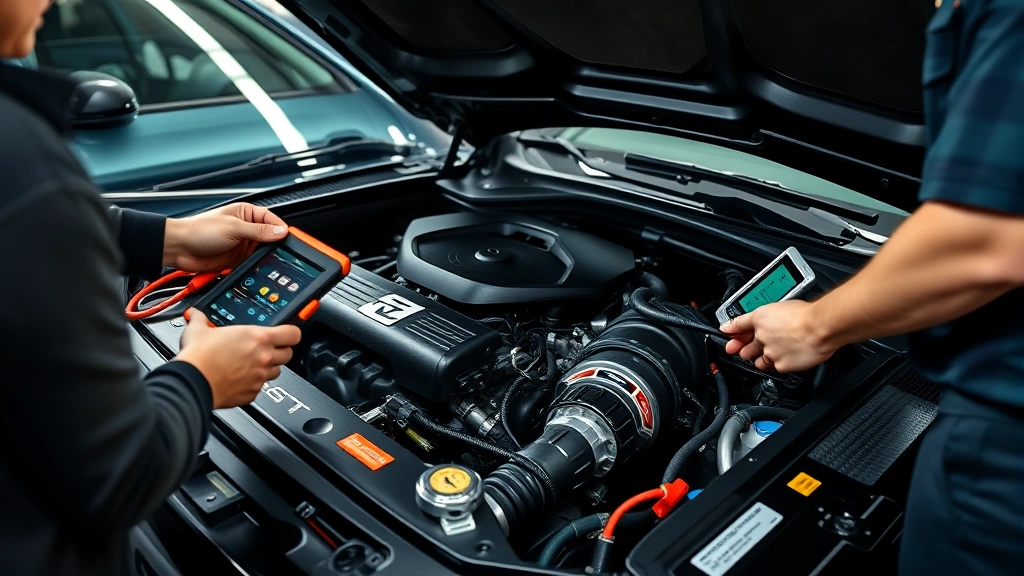
Get Pre-Purchase Inspections: Before negotiating seriously, invest in a comprehensive pre-purchase inspection by an independent, certified mechanic specializing in performance vehicles. This inspection identifies mechanical issues, deferred maintenance, and potential repairs—all legitimate negotiating points. Document findings with photos and written reports.
Identify Negotiation Leverage Points: Use inspection findings, market comparables, and time-on-market data as negotiation anchors. A vehicle listed for 60+ days suggests pricing above market or underlying issues. Mechanical concerns discovered in inspections justify meaningful discounts. High mileage, accident history, or maintenance gaps all provide negotiation opportunities.
Make Reasonable Opening Offers: Start with an offer 5-10% below asking price, grounded in your comparable research. Extreme lowball offers offend sellers and terminate negotiations. Reasonable offers demonstrate serious intent and invite counter-offers. Be prepared to negotiate through 2-3 rounds of offers and counter-offers.
Separate Price from Terms: Distinguish between the vehicle’s purchase price and transaction terms. Sometimes dealers prefer accepting lower prices if you finance through them or accept as-is conditions. Other times, sellers prioritize price above all. Flexibility on ancillary terms often facilitates price reductions.
Use Silence as a Negotiating Tool: After presenting an offer, remain silent and let the other party respond. Awkward silence creates pressure and often results in counter-offers. Avoid filling silences with justifications or revised offers—patience favors disciplined negotiators.
Evaluating Vehicle Condition and History
Thorough vehicle evaluation protects your investment and prevents costly surprises after purchase.
Obtain Complete Vehicle History: Purchase detailed reports from Carfax or AutoCheck before serious negotiations. These reports reveal accident history, title status, service records, ownership changes, and recall information. Multiple ownership changes in short timeframes may indicate mechanical problems. Clean title status is non-negotiable.
Inspect Physical Condition: Examine paint depth, panel alignment, and signs of repainting indicating prior accidents. Check for rust, corrosion, and frame damage. Inspect tires for uneven wear suggesting suspension or alignment issues. Test all electrical systems, climate control, and entertainment features. Listen for unusual engine sounds during test drives on various road surfaces.
Evaluate Maintenance Records: Review documented service history showing regular oil changes, filter replacements, and scheduled maintenance. Hellcat Chargers demand premium fuel and specialized service—gaps in maintenance history suggest potential hidden issues. Request receipts for major repairs or upgrades.
Assess Modification Status: Determine whether the vehicle has performance modifications affecting reliability and resale value. Some modifications void manufacturer warranties or create mechanical complications. Understand which upgrades enhance value (quality suspension, exhaust systems) versus those that diminish it (extreme engine modifications, cosmetic-only changes).
Review Title and Documentation: Verify the title matches the seller, is clean (not salvage or branded), and contains no liens. Obtain the original owner’s manual, service records, and warranty documentation. Request the VIN to independently verify all reported information.
Financing Options and Deal Optimization
Smart financing decisions dramatically impact total ownership costs and can create additional negotiating leverage.
Secure Pre-Approval Before Shopping: Obtain financing pre-approval from your bank or credit union before visiting dealerships. Pre-approval establishes your buying power, shows sellers you’re a serious buyer, and provides negotiating leverage. Compare rates across multiple lenders—even 0.5% rate differences create substantial payment variations over loan terms.
Understand Dealer Financing Options: Dealerships often provide financing through captive finance companies offering competitive rates, especially for premium buyers. Some dealers provide loyalty discounts or promotional rates. Compare dealer-offered financing against your pre-approved rate—the better option saves money over the loan term.
Consider Extended Warranties: For higher-mileage Hellcat Chargers, extended warranties provide valuable protection. Evaluate warranty coverage, deductibles, and exclusions. Some extended warranties cost more than potential repairs, while others provide genuine peace of mind. Calculate expected repair costs based on the vehicle’s condition and age.
Evaluate Total Cost of Ownership: Beyond purchase price, factor insurance, maintenance, fuel, and registration costs. Hellcat Chargers carry high insurance premiums and consume premium fuel. Understand annual maintenance costs and plan accordingly. Some dealerships offer service packages or maintenance plans worth evaluating.
Negotiate Final Numbers Carefully: Separate the vehicle price from financing terms and trade-in allowances. Some dealerships manipulate numbers by offering aggressive trade-in values while inflating vehicle prices or increasing financing rates. Negotiate each component independently and verify the final contract matches your understanding.
Implementing these comprehensive purchasing strategies positions you to find exceptional Hellcat Charger deals while avoiding common buyer mistakes. The automotive marketplace rewards informed, patient, and strategic buyers.
FAQ
What’s the average price for a used Hellcat Charger in today’s market?
Used Hellcat Charger prices vary significantly based on model year, mileage, and condition. Generally, 2015-2018 models range from $35,000-$55,000, while 2019-2023 models command $50,000-$75,000+. Premium examples with low mileage and excellent condition exceed $80,000. Monitor current listings on major automotive platforms for real-time pricing in your region.
Should I buy from a dealership or private seller?
Dealerships offer warranties, documented service history, and legal protections, justifying higher prices. Private sellers provide negotiating flexibility and potentially lower prices but require thorough inspections and careful due diligence. Choose based on your comfort level with risk and preference for warranty coverage versus price savings.
What modifications should I avoid in a Hellcat Charger?
Avoid extreme engine modifications that void warranties or compromise reliability. Problematic modifications include turbocharging, supercharging upgrades beyond factory specs, and custom tuning affecting emissions systems. Quality suspension, exhaust, and brake upgrades typically enhance value, while cosmetic-only modifications provide minimal benefit.
How important is the pre-purchase inspection?
Pre-purchase inspections are essential for used Hellcat Chargers, especially those with higher mileage. Independent certified mechanic inspections reveal mechanical issues, maintenance gaps, and potential repairs—providing negotiating leverage and preventing expensive surprises. The inspection cost ($150-$300) is minimal compared to potential repair costs.
What’s the best time of year to buy a Hellcat Charger?
Winter months (November-February) typically feature lower demand and better pricing. End-of-month and quarter-end periods offer negotiating advantages. Monitor market trends and individual dealership inventory to identify optimal buying windows. Patience often results in better deals than rushing purchases during peak demand seasons.
Are Hellcat Chargers good investments?
Since production ended in 2023, remaining Hellcat Chargers hold value better than typical used vehicles. Low-mileage examples in excellent condition may appreciate modestly, while higher-mileage vehicles depreciate normally. View Hellcat Chargers primarily as performance vehicles to enjoy rather than financial investments, though resale values remain relatively strong.
For additional insights into automotive marketplace dynamics and consumer behavior, consult J.D. Power’s automotive research and Kelley Blue Book’s pricing guides. Understanding broader retail trends through e-commerce best practices also illuminates how dealerships price and market inventory.