Greenhouses for Sale: Market Trends 2023
The greenhouse market has experienced unprecedented growth over the past three years, driven by increasing consumer interest in sustainable agriculture, home gardening, and controlled-environment farming. As we examine the 2023 landscape, both commercial buyers and residential gardeners are discovering compelling opportunities in the greenhouse sector. Whether you’re searching for a greenhouse for sale for personal cultivation or commercial operations, understanding current market dynamics is essential for making informed purchasing decisions.
The shift toward local food production, climate resilience, and year-round gardening has transformed greenhouses from luxury items into practical investments. Market analysts report that the global greenhouse market reached $8.2 billion in 2022 and is projected to grow at a compound annual growth rate of 8.9% through 2030. This expansion reflects broader consumer behavior shifts toward self-sufficiency and sustainable living practices that have gained momentum since 2020.
In this comprehensive guide, we’ll explore the current greenhouse market, available options for buyers, pricing trends, and strategic considerations for making the right purchase. Whether you’re interested in small residential structures or large-scale commercial operations, this analysis provides actionable insights to guide your investment decisions.
2023 Greenhouse Market Overview
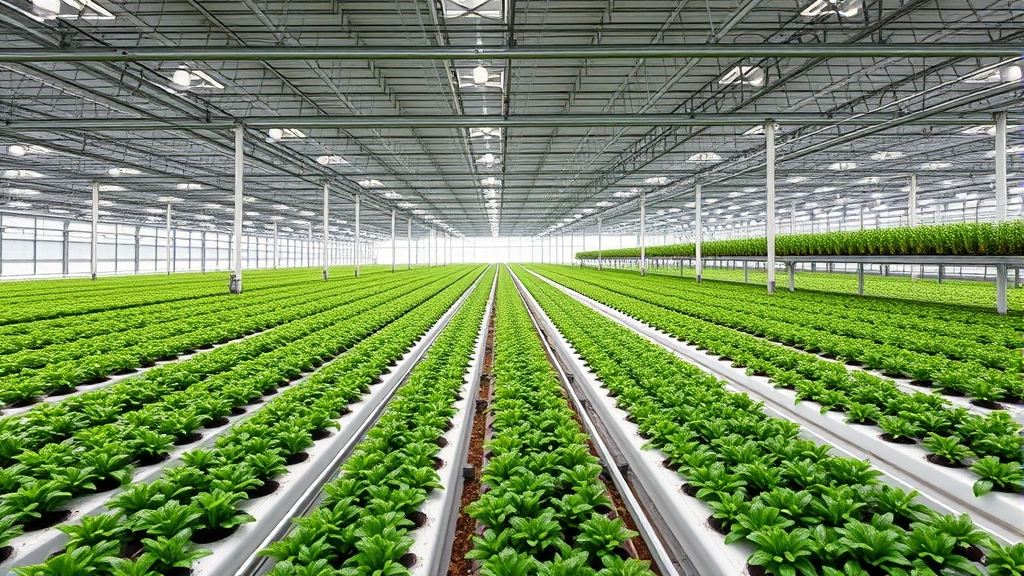
The greenhouse market in 2023 reflects a fundamental shift in how consumers and commercial operators approach food production and plant cultivation. Unlike traditional retail channels, the greenhouse sector has increasingly moved toward direct-to-consumer sales models and specialized agricultural suppliers. According to Grand View Research, the North American greenhouse market alone accounts for nearly $2.4 billion of the global total, with residential segments growing faster than commercial operations.
Several macro trends are driving this expansion. First, the rising cost of imported produce has made local greenhouse production economically attractive. Second, climate volatility and extreme weather events have increased demand for climate-controlled growing environments. Third, urban and suburban consumers increasingly seek fresh, pesticide-free produce options, making home greenhouses appealing. Fourth, Statista reports that technology integration—including automated climate control, irrigation systems, and monitoring software—has made greenhouses more accessible to non-specialists.
The commercial segment, which includes wholesale nurseries, vegetable producers, and flower growers, continues to dominate market volume. However, the residential segment is growing at the fastest rate, with homeowners investing in structures ranging from $500 hobby greenhouses to $50,000+ premium installations. This bifurcation creates diverse opportunities for buyers at different price points and with varying experience levels.
If you’re exploring broader commercial opportunities, consider how building an e-commerce site could help you sell greenhouse products or services online. Many successful greenhouse operators now combine physical operations with digital sales channels to maximize revenue.
Types of Greenhouses Available for Sale
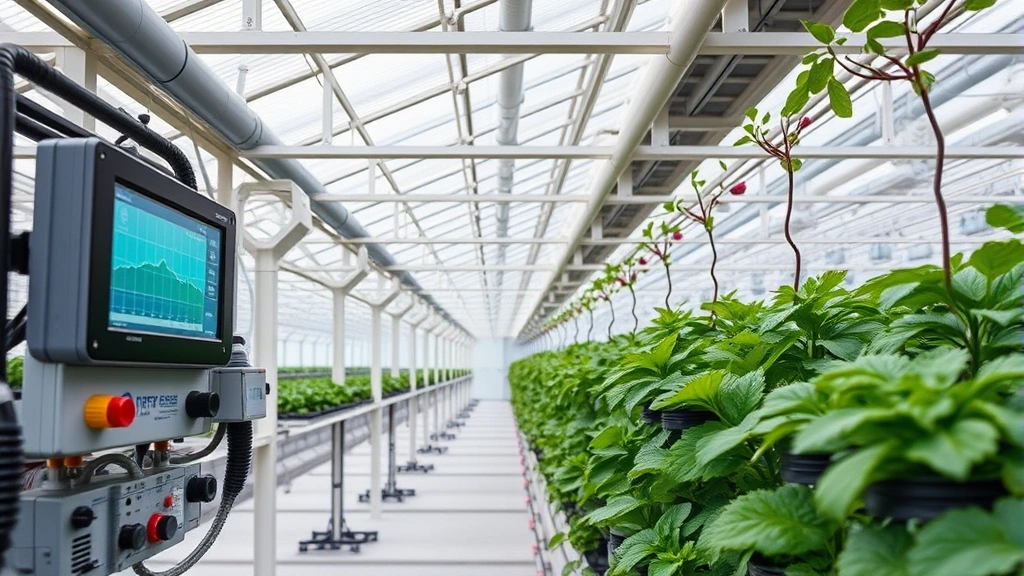
The diversity of available greenhouse options reflects varying customer needs, budgets, and growing goals. Understanding these categories is essential when evaluating what’s available for your specific situation.
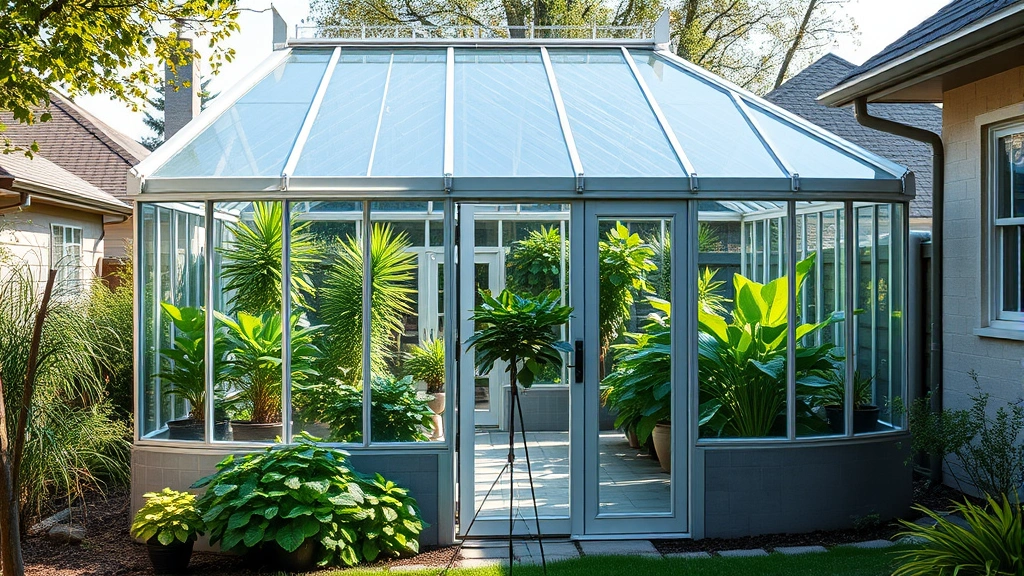
Hobby/Residential Greenhouses: These compact structures, typically 6×8 feet to 10×14 feet, serve home gardeners and small-scale cultivators. Prices range from $300 to $5,000 depending on materials and features. Popular options include polycarbonate models, which offer excellent insulation and durability, and traditional glass structures that provide superior light transmission. Many retailers now offer modular designs that allow expansion, making them attractive for buyers who want to start small and scale up.
Commercial Production Greenhouses: Ranging from 30×96 feet to 100×400+ feet, these structures represent serious agricultural investments. Prices typically fall between $15,000 and $150,000+, depending on size, materials, and integrated systems. Commercial greenhouses often feature high-tech climate control, automated irrigation, shade systems, and energy management technologies. These are purchased primarily by professional growers, nurseries, and agricultural operations.
High Tunnel and Hoop House Structures: These semi-permanent structures offer a middle ground between traditional greenhouses and open-field farming. Costs range from $2,000 to $25,000. They’re simpler to construct than rigid greenhouses but still provide season extension and environmental control. High tunnels have become increasingly popular among small-to-medium farms seeking cost-effective growing solutions.
Specialty Greenhouses: These include hydroponic systems, microgreens facilities, mushroom houses, and propagation houses designed for specific crops. Prices vary dramatically based on specialization, ranging from $5,000 to $200,000+. These structures often incorporate integrated technology and are purchased by operators with specific production goals.
When considering where to source your greenhouse, explore how starting an online thrift store could help you sell used or surplus greenhouse equipment, creating a secondary revenue stream if you’re in the agricultural business.
Pricing Trends and Market Dynamics
Greenhouse pricing in 2023 reflects complex supply chain dynamics, material costs, and demand patterns that differ significantly from pre-pandemic markets. Understanding these trends is crucial for budget planning and investment decisions.
Material Cost Fluctuations: Polycarbonate and polyethylene film prices have stabilized after significant volatility in 2021-2022, though they remain 15-25% higher than pre-2020 levels. Aluminum framing costs have similarly plateaued. This stabilization has allowed manufacturers to offer more competitive pricing while maintaining healthy margins. Steel and galvanized framing options remain cost-effective alternatives for budget-conscious buyers.
Labor and Manufacturing: Labor costs in manufacturing have increased 8-12% year-over-year, particularly affecting assembled greenhouses. Many buyers are opting for kit-based systems that allow DIY assembly to reduce overall costs. Factory-assembled units command 20-30% premiums but offer convenience and faster deployment.
Market Segmentation Pricing: Budget residential greenhouses ($300-$1,500) have become highly competitive, with numerous manufacturers offering functional options. Mid-range structures ($2,000-$10,000) represent the sweet spot where quality and affordability intersect, driving strong sales volume. Premium systems ($10,000+) continue to attract serious growers willing to invest in advanced features and longevity.
Regional variations significantly impact pricing. Coastal regions and urban markets typically see 20-35% price premiums compared to rural areas due to higher land costs, transportation expenses, and concentration of affluent buyers. According to Allied Market Research, West Coast and Northeast markets command the highest prices, while Midwest and South regions offer more competitive options.
If you’re planning to purchase multiple greenhouses or operate a commercial facility, implementing robust e-commerce marketing strategies can help you reach potential wholesale buyers or develop B2B channels for your greenhouse products.
Key Factors When Buying a Greenhouse
Successful greenhouse purchases require careful evaluation of multiple variables beyond simple price comparison. These factors determine long-term satisfaction and return on investment.
Climate and Location Suitability: Your local climate fundamentally impacts greenhouse selection. Cold climates require superior insulation and heating systems, favoring glass or double-wall polycarbonate structures. Hot climates need shade systems and ventilation. Windy regions demand reinforced framing and wind-resistant glazing. Humid areas benefit from good air circulation design. Before purchasing, analyze your specific microclimate, including average temperatures, seasonal extremes, wind patterns, and precipitation.
Site Preparation and Space: Greenhouses require proper foundation, level ground, and appropriate orientation (typically north-south for optimal light). Assess water access, drainage, and electrical availability. Consider future expansion needs. Many buyers underestimate site preparation costs, which can add 15-30% to total project expenses. Ensure adequate clearance for maintenance and equipment movement.
Growing Goals and Crop Selection: Your intended crops determine necessary specifications. Vegetables require different environmental conditions than ornamental plants or microgreens. High-value crops like cannabis or specialty herbs justify higher initial investments. Seasonal production versus year-round growing influences heating and cooling requirements. Clearly define your production goals before selecting a structure.
Budget Allocation: The greenhouse structure itself typically represents 40-60% of total project costs. Budget accordingly for supporting systems: climate control ($5,000-$30,000), irrigation ($2,000-$15,000), benching and staging ($2,000-$10,000), and monitoring/automation technology ($1,000-$20,000). Total project costs often exceed initial greenhouse prices by 50-100%.
Vendor Reputation and Support: Purchase from established manufacturers with proven track records, warranty coverage, and customer support. Read independent reviews and request references from local buyers. Consider whether the vendor offers installation assistance, spare parts availability, and technical support.
Regional Demand and Supply Patterns
Greenhouse demand varies dramatically across North America, creating regional market dynamics that affect availability, pricing, and product selection. Understanding these patterns helps buyers identify opportunities and anticipate future trends in their areas.
Pacific Northwest: This region shows exceptionally high greenhouse demand driven by climate consciousness, agricultural heritage, and affluent suburban populations. Washington and Oregon markets see premium pricing and strong inventory. Commercial nursery operations dominate, creating a mature supply ecosystem with numerous vendors and competitive pricing for serious buyers.
California: Despite year-round growing potential, California shows strong greenhouse adoption for specialty crops and controlled-environment agriculture. The state’s advanced agricultural sector drives innovation in greenhouse technology. Prices reflect high land costs and strong demand from both hobby gardeners and commercial operations.
Midwest Agricultural Belt: This region combines strong traditional farming heritage with growing interest in diversified production. Greenhouse adoption supports season extension and high-value crop production. Prices tend to be more competitive than coastal regions, making it attractive for budget-conscious buyers. Strong local vendor networks support installation and maintenance.
Northeast Urban Centers: High population density and strong consumer demand for local produce drive greenhouse adoption in urban and suburban areas. Premium pricing reflects land scarcity and affluent demographics. Many small-scale hobby greenhouses serve residential gardeners rather than commercial operations.
South and Southeast: While traditional outdoor farming dominates, interest in greenhouses is growing, particularly for season extension and protected cultivation. Prices remain relatively competitive. Humidity and heat management systems are critical considerations in this region due to climate characteristics.
For those considering commercial greenhouse ventures, learning how to develop effective local sales channels and community connections can help establish your market presence. Additionally, understanding local market dynamics helps identify opportunities for both direct sales and wholesale distribution of greenhouse products.
Future Market Outlook
The greenhouse market trajectory through 2025 and beyond suggests continued expansion, driven by structural economic and environmental factors. Industry analysts project the market will exceed $10 billion globally by 2025, with residential segments maintaining growth rates of 9-12% annually.
Several trends will shape future demand. First, climate change and weather unpredictability will continue driving demand for controlled-environment agriculture. Second, technology integration will accelerate, with IoT monitoring, AI-driven climate control, and data analytics becoming standard features. Third, sustainability concerns will drive interest in local production and reduced food transportation. Fourth, vertical farming and urban agriculture will expand greenhouse applications beyond traditional horizontal structures.
Material innovation will likely reduce costs and improve performance. Recycled polycarbonate, advanced polymers, and smart glazing materials are under active development. Energy efficiency improvements will make year-round greenhouse operations more economically viable in cold climates. Modular and scalable designs will appeal to buyers seeking flexibility.
For entrepreneurs and agricultural operators, the convergence of greenhouse growth and digital commerce creates opportunities. Exploring how to sell agricultural equipment and supplies online positions businesses to capitalize on growing demand. Many successful greenhouse operators now combine on-site production with e-commerce channels selling plants, seeds, and produce directly to consumers.
Supply chain resilience will become increasingly important. Buyers may prioritize domestic manufacturers over imports to ensure reliable access to replacement parts and support services. This trend could benefit North American greenhouse manufacturers and regional suppliers.
FAQ
What is the average cost of a greenhouse in 2023?
Residential hobby greenhouses range from $300 to $5,000, with mid-range quality structures between $2,000-$4,000. Commercial greenhouses cost $15,000-$150,000+ depending on size and features. Total project costs including site preparation, systems, and equipment typically exceed the greenhouse structure price by 50-100%.
Is buying a greenhouse a good investment?
For serious gardeners and commercial producers, greenhouses offer strong returns through extended growing seasons, higher yields, and premium crop production. Residential buyers typically recoup investments through reduced produce costs and food quality improvements over 5-8 years. Commercial operations often achieve ROI within 3-5 years through increased production capacity and crop diversification.
What size greenhouse should I buy?
Hobby gardeners typically start with 6×8 to 8×12 feet structures. Small-scale producers benefit from 10×20 to 12×24 feet models. Commercial operations require 30×96+ feet structures. Consider future expansion needs and available space. Larger structures offer better environmental control and operational efficiency but require more investment and maintenance.
Which greenhouse materials are best?
Polycarbonate offers excellent insulation, durability, and light transmission with moderate cost. Glass provides superior light and aesthetics but requires more maintenance. Polyethylene film is most economical but requires more frequent replacement. Aluminum framing is durable and low-maintenance. Consider your climate, budget, and production timeline when selecting materials.
Can I build a greenhouse myself?
Many kit-based greenhouses are designed for DIY assembly, reducing costs 15-30%. However, site preparation, foundation work, and system installation often require professional expertise. Hybrid approaches—purchasing a kit and hiring professionals for specialized work—offer good value. Assess your skills and available time before committing to DIY projects.
What permits do I need for a greenhouse?
Permit requirements vary by jurisdiction. Most areas require permits for permanent structures, particularly those exceeding certain square footage thresholds (typically 100-200 square feet). Check with local building departments and zoning authorities before purchasing. Some areas require setback compliance, height restrictions, or neighbor approval for commercial operations.
How much does greenhouse operation cost annually?
Annual operating costs include utilities (heating, cooling, irrigation: $1,000-$5,000+), supplies (seeds, fertilizer, amendments: $500-$3,000), and maintenance ($200-$1,000). Commercial operations have higher costs but generate proportional revenue. Energy costs dominate in cold climates. Automation and efficiency improvements reduce long-term operating expenses.
Where can I buy a greenhouse?
Options include specialty greenhouse manufacturers, agricultural supply companies, home improvement retailers, online marketplaces, and local builders. Direct manufacturer purchases often offer better prices and customization. Local builders may provide superior installation support. Compare multiple vendors, verify warranties, and request references before purchasing.