Where to Find Goats for Sale Near Me: A Comprehensive Local Buyer’s Guide
Finding quality goats for sale in your local area requires strategy, patience, and knowledge of the various marketplaces available to livestock buyers. Whether you’re starting a small homestead, expanding an existing farm operation, or looking for dairy or meat goats, understanding where and how to source animals locally can save time and money while ensuring you get healthy, well-bred stock. This guide walks you through the most effective channels for locating goats near you, from traditional farm networks to modern online platforms.
The goat market has evolved significantly over the past decade, with buyers now having access to both established agricultural networks and digital marketplaces. Local sourcing offers distinct advantages: reduced transportation costs, the ability to inspect animals in person before purchase, and the opportunity to build relationships with reputable breeders in your region. Understanding these various channels and how to evaluate sellers will position you for successful acquisitions.
Local Agricultural Networks and Farmer Associations
One of the most reliable ways to find goats for sale near you is through established agricultural networks and farmer associations. These organizations maintain directories of active breeders and farmers in your region and often facilitate connections between buyers and sellers. County agricultural extension offices are excellent starting points, as they typically maintain lists of livestock producers and can provide referrals based on your specific needs—whether you’re seeking dairy breeds like Saanen or Alpine goats, meat breeds like Boer or Kiko goats, or fiber-producing breeds like Angora or Cashmere goats.
State goat associations and breed clubs offer another valuable resource. Organizations dedicated to specific breeds maintain membership directories and often host annual sales events where members showcase their animals. These associations typically vet their members, providing some assurance of quality and ethical breeding practices. Attending association meetings and events allows you to network with experienced goat farmers, learn about current market conditions, and build relationships that may lead to future purchasing opportunities. Many associations also publish newsletters featuring member advertisements and upcoming sales.
Local farmers markets and agricultural fairs frequently feature livestock vendors and breeders who attend to market their animals and connect with potential buyers. These venues provide excellent opportunities to see animals in person, ask detailed questions about breeding history and health records, and sometimes negotiate directly with sellers. Agricultural cooperative organizations in your area may also maintain bulletin boards or online forums where members post livestock available for sale.
Livestock Auctions and Sales Events
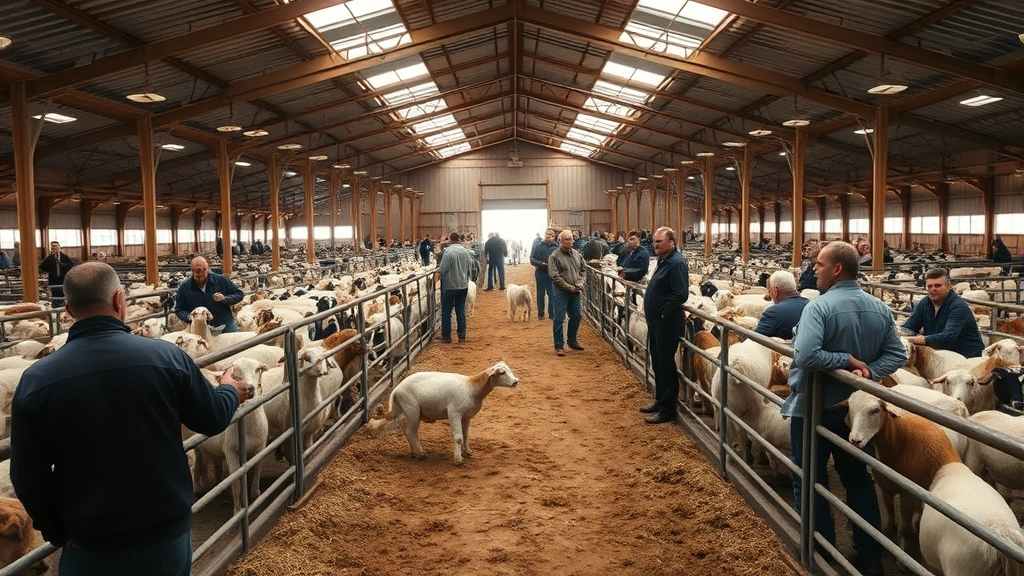
Livestock auctions represent a traditional and still widely-used channel for purchasing goats locally. Regular auction events occur in most agricultural regions, typically held weekly or monthly at established auction houses. These facilities provide a centralized marketplace where multiple sellers bring animals for competitive bidding. Auctions offer advantages including price discovery through competitive bidding, the ability to view multiple animals in one location, and transparent transaction records. However, auctions also require careful evaluation skills, as animals pass through quickly and opportunities for detailed inspection are limited.
Before attending an auction, research the specific facility’s reputation, understand their sale procedures, and if possible, preview animals before the sale begins. Many auction houses now offer online bidding options, though in-person attendance is recommended for significant purchases. Specialty goat sales—events dedicated exclusively to goats rather than mixed livestock—occur throughout the year in many regions and attract serious breeders and buyers. These events often feature higher-quality animals and provide better opportunities for education and networking compared to general livestock auctions.
Agricultural fairs and exhibitions held annually in most counties typically include livestock competitions and sales. These events draw serious producers and allow you to evaluate animals that have been shown and judged by industry experts. Fair sales often feature younger animals, making them ideal if you’re looking for stock to develop and train according to your specific needs. The competitive context also provides information about animal quality and bloodlines.
Online Marketplaces and Digital Platforms
The digital revolution has transformed livestock marketing, creating numerous online platforms where you can search for goats for sale in your area. Craigslist and Facebook Marketplace remain popular for local animal sales, allowing you to filter by location and communicate directly with sellers. While these platforms offer convenience and broad selection, they require careful vetting since anyone can post listings without verification. Always request health records, vaccination history, and breeding documentation before committing to purchase.
Specialized agricultural marketplaces have emerged to serve livestock buyers more effectively. Websites dedicated to livestock sales often feature advanced filtering options, allowing you to search by breed, age, sex, price range, and location. Some platforms provide seller ratings and reviews, adding a layer of credibility assessment. These dedicated platforms typically attract more serious buyers and sellers compared to general classifieds, resulting in higher-quality transactions and more detailed animal descriptions.
Social media groups focused on goat farming and livestock production have become increasingly valuable resources. Facebook groups dedicated to goat farming in specific states or regions often feature active discussions, shared resources, and member advertisements. These communities provide opportunities to ask questions, learn from experienced farmers, and identify reputable local sellers. Participating in these groups before making purchases allows you to develop relationships and gather recommendations from other farmers in your area.
Online auction platforms have expanded the reach of traditional auctions, allowing remote bidding on animals from established sales facilities. This approach combines the price discovery benefits of auctions with the convenience of online participation. However, purchasing animals remotely requires greater trust in the auction house’s descriptions and representations, so reputation matters significantly.
Direct Breeder Contact and Farm Visits
Establishing direct relationships with local goat breeders often yields the best results for finding quality animals. Many dedicated breeders maintain websites showcasing their herds, breeding programs, and available animals. Searching online for goat breeders in your specific region combined with breed names will typically reveal local operations. Once you identify potential breeders, requesting farm visits allows you to evaluate their operation, meet the animals in their home environment, and assess husbandry practices and herd health.
When contacting breeders, ask specific questions about their breeding philosophy, genetic lines, health testing, vaccination programs, and breeding history. Reputable breeders welcome detailed questions and are happy to provide documentation of health records, genetic testing results, and pedigree information. They often have waiting lists for animals, particularly if they produce high-quality stock, so establishing relationships early can position you for future purchases.
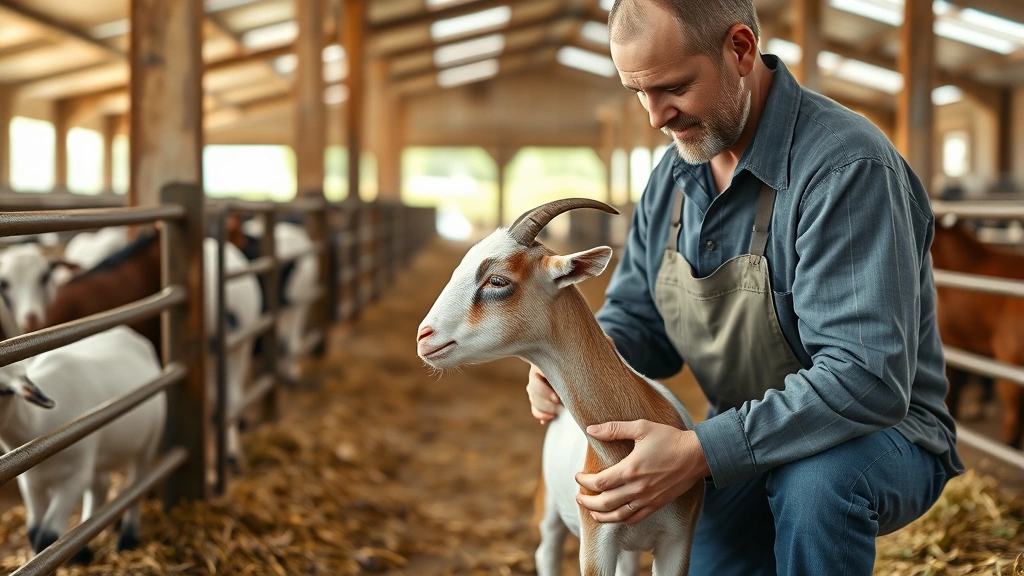
Farm visits provide invaluable information that cannot be obtained remotely. You can assess animal temperament, observe housing and management practices, review health and breeding records firsthand, and ask detailed questions about individual animals. This direct interaction also helps you evaluate whether the breeder’s operation aligns with your values and standards. Breeders who maintain transparent operations and welcome buyer visits typically represent safer choices than those who discourage farm tours.
Many breeders offer consignment arrangements or payment plans for significant purchases, making acquisition of quality stock more financially accessible. Building relationships with breeders also provides ongoing support and mentorship as you develop your own operation, valuable benefits that extend far beyond the initial transaction.
Veterinary Referrals and Agricultural Extension Services
Your local veterinarian, particularly one specializing in or experienced with livestock, represents an excellent resource for locating quality goats. Veterinarians develop relationships with multiple local producers and can provide referrals to reputable breeders and farmers. They can also advise on health considerations specific to different bloodlines or producers, helping you avoid animals with known health issues. When you establish veterinary care for your existing animals, ask the veterinarian for recommendations on where to source additional stock.
Agricultural extension services, typically operated by land-grant universities in each state, provide free or low-cost educational resources and consulting services to farmers and rural residents. Extension agents maintain knowledge of local livestock producers, can provide guidance on breed selection and purchasing considerations, and sometimes facilitate connections between buyers and sellers. Many extension offices organize workshops and seminars featuring local breeders and experts, providing educational opportunities while creating networking connections.
Extension publications and resources often include directories of livestock producers and information about purchasing considerations for different goat types. These publicly funded resources exist specifically to support agricultural development in your region, making them valuable no-cost information sources. Extension agents can also advise on legal requirements for livestock ownership in your area, zoning regulations, and best practices for herd management.
Evaluating Health and Quality Before Purchase
Regardless of where you find goats for sale, thorough evaluation before purchase is essential. Request complete health records including vaccination history, parasite treatment records, and any documented health issues. For breeding animals, ask about genetic testing for conditions common in goats, such as CAE (Caprine Arthritis Encephalitis) and scrapie. Animals from herds with documented negative test results represent lower-risk purchases.
Physical inspection should include assessment of body condition, examination of hooves and legs for structural soundness, evaluation of teeth and jaw alignment, and observation of movement and temperament. For dairy animals, assess udder structure and milk production records if available. For meat animals, evaluate growth rate and muscle development. For fiber animals, assess fleece quality, length, and condition. If you lack expertise in these evaluations, consider hiring an experienced livestock consultant to evaluate animals before purchase.
Ask about the animal’s history including age, breeding history for females, performance records, and any known behavioral or health issues. Animals with documented performance records—such as dairy records, show results, or growth data—provide more reliable information for evaluating quality. Be cautious of sellers unwilling to provide detailed information or allow thorough inspection, as this often indicates problematic animals.
Request references from previous buyers if purchasing from a breeder or farmer new to you. Speaking with others who have purchased animals from the same source provides valuable perspective on animal quality, seller reliability, and post-purchase satisfaction. Reputable sellers willingly provide references and welcome inquiries from potential customers.
Legal Considerations and Documentation
Understanding the legal requirements for livestock purchase and ownership in your area is essential before buying goats. Many states require health certificates for animals crossing state lines, and some require them for movement within the state. Sellers should provide or facilitate obtaining necessary documentation. Registration papers for purebred animals add significant value and should be transferred to the new owner as part of the sale.
Written purchase agreements protect both buyer and seller by clearly documenting the transaction terms, animal descriptions, purchase price, and any warranties or representations. Using a for sale by owner contract provides legal protection and clarity. Agreements should specify whether animals are sold with health guarantees, return provisions in case of discovered health issues, and responsibility for transportation.
Some states maintain registration systems for goat herds, particularly for dairy operations or animals used in commercial production. Understanding your state’s requirements ensures compliance with regulations. Consulting with your local agricultural extension office or a livestock attorney can clarify requirements specific to your situation and location.
Payment methods should be discussed and agreed upon before finalizing purchases. Many sellers prefer cash or cashier’s checks, while others accept bank transfers or payment plans. Establishing clear payment terms prevents misunderstandings and provides documentation of the transaction.
If purchasing animals for commercial purposes, understanding relevant regulations regarding dairy operations, meat production, or fiber processing is essential. Different regulatory frameworks apply depending on your intended use and scale of operation. Your state’s department of agriculture can provide guidance on applicable regulations.
FAQ
What is the typical price range for goats for sale locally?
Goat prices vary significantly based on breed, age, sex, and quality. Dairy goats typically range from $150-$500 for grade animals to $500-$2,000+ for registered purebreds. Meat goats range from $100-$400 for young animals to $300-$800 for breeding stock. Fiber goats range from $200-$600 depending on bloodline and fleece quality. Prices are influenced by regional market conditions, animal quality, and seller reputation. Getting multiple price quotes helps establish market rates in your specific area.
What breed is best for beginners?
Alpine, Saanen, and Nubian goats are popular dairy breeds suitable for beginners due to their hardiness and milk production. Boer goats are excellent for meat production due to rapid growth and feed efficiency. Nigerian Dwarf goats are smaller and easier to manage for small homesteads. Selecting breeds adapted to your climate and suited to your intended purpose is more important than choosing the most popular breed. Consulting with local breeders about breeds successful in your region provides valuable guidance.
Should I buy kids or adult goats?
Kids (young goats) are less expensive but require more care, training, and time to reach productive maturity. Adult animals provide immediate productivity but cost more and may have established behavioral patterns. For dairy production, many buyers prefer young does (females) to train according to their milking procedures. For meat production, kids grow quickly and reach market weight efficiently. For breeding stock, evaluating adult animals’ production records provides more reliable information than purchasing young animals with unproven genetics.
How do I transport goats after purchase?
Most livestock trailers accommodate 4-6 goats depending on size and trailer capacity. Many sellers provide transportation for local sales or can recommend reliable livestock transporters. If transporting yourself, ensure adequate ventilation, water access, and secure fencing. Goats tolerate transportation well if properly acclimated and not stressed. Plan transportation timing to minimize stress and avoid extreme temperatures. Quarantining newly purchased animals for 2-3 weeks before introducing them to existing herds prevents disease transmission.
What health records should I request?
Request vaccination records including CDVT (Clostridium perfringens types C and D, tetanus) and rabies if applicable in your region. Ask about parasite treatment history and recent fecal test results. For breeding animals, request genetic testing results for CAE, CL (Caseous Lymphadenitis), and scrapie. Production records for dairy animals and growth data for meat animals provide objective quality assessment. Health records should be provided in writing and transferred to the new owner as documentation of the animal’s health history.
Can I negotiate prices with local sellers?
Price negotiation is common in livestock sales, particularly for non-registered animals or when purchasing multiple animals. Sellers often build negotiation room into asking prices. Respectful price discussions that acknowledge the seller’s investment and the animal’s quality are more successful than aggressive negotiation. Bundling purchases—buying multiple animals—often provides opportunities for volume discounts. However, avoid negotiating so aggressively that you damage relationships with sellers, particularly if you anticipate future transactions.


