Best Dirt Bikes for Sale: 2023 Buying Guide
The dirt bike market in 2023 has expanded dramatically, offering riders of all skill levels access to high-performance machines at competitive price points. Whether you’re a beginner exploring off-road riding for the first time or an experienced enthusiast seeking an upgrade, understanding the current marketplace is essential for making an informed purchase decision. The demand for quality dirt bikes for sale has never been higher, with manufacturers releasing innovative models that balance performance, durability, and affordability.
Finding the right dirt bike requires more than just browsing listings. You need to understand engine displacement, frame construction, suspension systems, and brand reliability. This comprehensive guide walks you through the essential factors when evaluating a dirt bike for sale, explores top-performing models across different price ranges, and provides actionable insights to help you make the best purchasing decision for your needs and budget.
Understanding Dirt Bike Categories and Engine Sizes
Dirt bikes are classified primarily by engine displacement, measured in cubic centimeters (cc). This classification system helps buyers identify machines suited to their skill level, physical size, and intended use. The market for dirt bikes for sale spans several distinct categories, each serving different rider demographics and riding styles.
50cc to 110cc bikes represent the entry-level segment, designed for children and small-frame riders. These machines prioritize ease of handling and manageable power delivery, making them ideal for learning fundamental riding techniques. Popular models in this category include the Honda CRF50F and Yamaha PW50, which have maintained strong resale value and consistent availability.
125cc to 250cc bikes occupy the intermediate category, attracting younger riders progressing to more powerful machines and adults seeking versatile trail bikes. This segment offers exceptional variety, with models ranging from pure motocross competitors to dual-sport machines capable of street and trail use. The 125cc class provides an excellent balance between power and control, while 250cc bikes deliver sufficient performance for competitive racing and demanding terrain.
450cc to 500cc bikes dominate the professional and advanced amateur racing segments. These high-displacement machines generate significant horsepower and torque, requiring experienced riders with proper training. The KTM 450 SX-F and Honda CRF450R represent the pinnacle of motocross technology, commanding premium prices reflecting their advanced engineering and performance capabilities.
Understanding where your dirt bike for sale fits within this classification system directly impacts your purchase satisfaction and long-term enjoyment. When evaluating options, consider your physical stature, riding experience, intended terrain, and future progression plans.
Top Dirt Bikes for Sale in 2023
The 2023 dirt bike market features exceptional machines across all price points and categories. Leading manufacturers have invested heavily in innovation, resulting in bikes that offer superior performance compared to previous generations while maintaining competitive pricing.
Honda CRF Series continues to dominate market share with reliable, well-engineered machines. The CRF250F offers beginner-friendly characteristics with modern ergonomics, while the CRF450R represents Honda’s flagship motocross platform. Both models consistently appear in dirt bikes for sale listings across major platforms, indicating strong consumer demand and dealer inventory levels.
Yamaha YZ Series provides formidable competition, particularly in the 250cc and 450cc classes. The YZ250 delivers lightweight agility and predictable power characteristics, appealing to riders who prioritize technical skill expression over raw horsepower. Yamaha’s reputation for reliability translates directly into strong resale value for used YZ models.
KTM SX Series has captured significant market share through aggressive marketing and proven race-winning performance. The KTM 250 SX-F and 450 SX-F represent cutting-edge technology, featuring advanced suspension systems and lightweight construction. KTM dirt bikes for sale typically command premium pricing but attract buyers seeking maximum performance and modern features.
Suzuki RM-Z Series offers exceptional value propositions, particularly in the 250cc and 450cc segments. The RM-Z450 delivers competitive performance at lower price points than comparable KTM or Honda models, making it attractive for budget-conscious buyers seeking quality machines.
Kawasaki KX Series maintains loyal enthusiast following with distinctive power delivery characteristics. The KX250 and KX450 appeal to riders preferring Kawasaki’s engine tuning philosophy, which emphasizes mid-range torque over peak horsepower.
Key Specifications to Evaluate
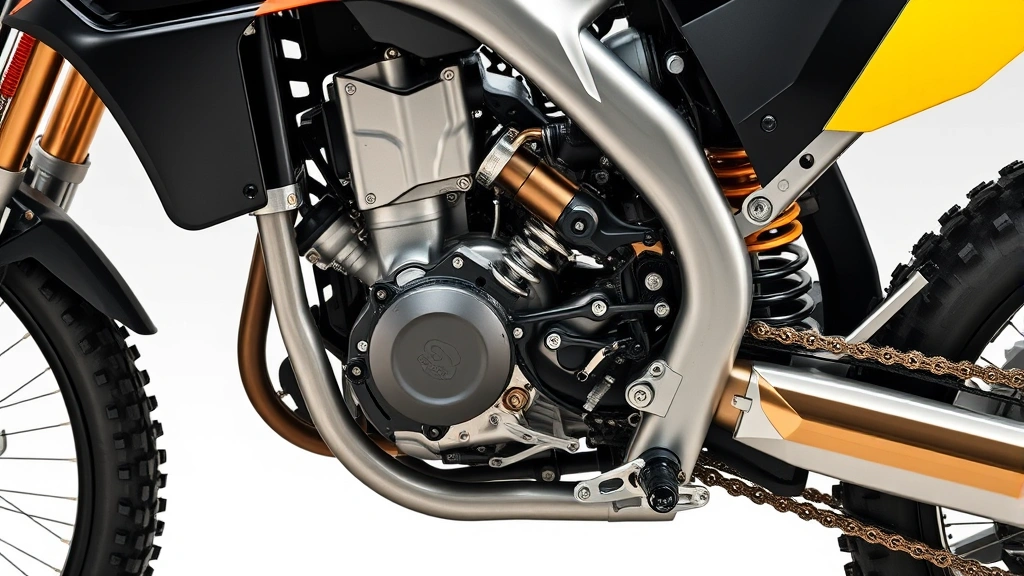
When evaluating a dirt bike for sale, specific technical specifications directly correlate with real-world performance and suitability for different riders. Understanding these metrics enables informed comparison across brands and models.
Engine Power Output represents the most visible performance metric, measured in horsepower and torque. Modern 450cc motocross bikes produce 50-60 horsepower, while 250cc machines generate 30-40 horsepower. Beginner-oriented bikes in the 125cc class produce 15-25 horsepower. Higher power output demands greater rider skill and experience to manage safely and effectively.
Suspension Travel determines how effectively the bike absorbs impacts and maintains traction over rough terrain. Motocross bikes typically feature 310-330mm of front suspension travel and similar rear travel, optimizing performance for high-speed racing. Trail bikes often feature reduced suspension travel (240-280mm) to prioritize comfort and ease of handling over aggressive racing capability.
Seat Height significantly impacts rider comfort and control, particularly for smaller-frame riders. Entry-level bikes feature lower seat heights (660-720mm) to accommodate younger and shorter riders, while professional-grade machines position seats higher (820-850mm) to accommodate adult riders and optimize riding position for aggressive techniques.
Dry Weight directly influences handling characteristics and rider fatigue. Lighter bikes (120-130kg) offer superior agility and require less physical effort during extended riding sessions. Heavier machines (140-160kg) provide stability at high speeds and over rough terrain but demand more rider input during technical maneuvering.
Transmission Type affects ease of use and performance delivery. Most modern dirt bikes for sale feature manual clutch transmissions, requiring proper operation for smooth power delivery. Automatic transmission options exist for beginner models, eliminating clutch management but sacrificing performance precision.
When building an e-commerce site to sell dirt bikes or related equipment, emphasizing these technical specifications through detailed product descriptions and comparison tools significantly enhances buyer confidence and reduces return rates.
” alt=”Dirt bike specifications comparison” />
Where to Buy Dirt Bikes
The distribution channels for dirt bikes for sale have evolved significantly, offering buyers multiple purchasing avenues with distinct advantages and considerations. Understanding these channels helps identify the best options aligned with your preferences and requirements.
Authorized Dealerships remain the primary purchasing channel for new dirt bikes for sale. Dealers provide professional assembly, warranty coverage, and after-sales support services. However, dealership pricing typically reflects manufacturer suggested retail prices with limited negotiation flexibility. Dealerships often maintain inventory of popular models while special orders may require extended lead times.
Online Marketplaces like eBay Motors, Facebook Marketplace, and CycleTrader facilitate private sales and dealer listings. These platforms offer extensive inventory selection and competitive pricing but require diligent buyer verification and inspection protocols. Online purchases typically involve shipping logistics and limited recourse options if mechanical issues emerge post-purchase.
Specialty Off-Road Retailers combine dealership credibility with competitive pricing and specialized expertise. These businesses focus exclusively on dirt bikes and related equipment, attracting knowledgeable staff and enthusiast communities. Specialty retailers often maintain used inventory alongside new models, providing opportunities for value-conscious buyers.
Auction Platforms including government surplus auctions and police vehicle auctions occasionally feature dirt bikes for sale at below-market rates. However, auction purchases typically occur on as-is basis without inspection opportunities, presenting risk for inexperienced buyers.
When starting an online thrift store specializing in used recreational equipment, implementing transparent condition grading systems and detailed photography builds buyer confidence in the used dirt bike marketplace.
Pricing Strategy and Financing Options
Understanding pricing dynamics and financing mechanisms enables strategic purchasing decisions and optimal budget allocation. Dirt bike pricing fluctuates based on seasonal demand, model year transitions, and market conditions.
New Model Pricing typically increases 2-4% annually as manufacturers incorporate new technology and materials. Entry-level bikes (50cc-125cc) range from $2,000-$4,000, intermediate machines (250cc) cost $4,000-$7,000, and professional-grade bikes (450cc) command $7,000-$10,000. Limited-edition variants and special packages exceed these ranges significantly.
Used Market Dynamics present substantial savings opportunities for budget-conscious buyers. Two-year-old models typically sell for 30-40% below original retail pricing, while five-year-old bikes may depreciate 50-60%. However, used bikes require thorough mechanical inspection and documentation verification to identify hidden damage or maintenance issues.
Seasonal Pricing Variations create strategic purchasing windows. Off-season purchases (winter months) often feature dealer incentives and reduced prices as manufacturers prepare new model releases. Conversely, spring and summer demand drives pricing upward as recreational riding season approaches.
Financing Options expand purchasing accessibility for many buyers. Authorized dealerships frequently offer manufacturer financing with competitive interest rates and extended payment terms (24-72 months). Personal loans through banks and credit unions provide alternative financing mechanisms, often at rates competitive with dealer programs. Some specialty retailers partner with financing companies to offer in-house lending programs.
Depreciation considerations should factor into purchasing decisions. Entry-level bikes (50cc-125cc) depreciate more slowly, maintaining 60-70% of purchase value after three years. Professional-grade machines depreciate more rapidly, retaining only 45-55% of original value over similar timeframes.
Maintenance and Long-Term Ownership Costs
Dirt bike ownership extends beyond initial purchase pricing. Understanding maintenance requirements and long-term cost implications ensures realistic budgeting and optimal ownership experiences.
Routine Maintenance Costs include oil changes ($30-$50), air filter replacements ($20-$40), and spark plug service ($15-$30). Professional service intervals typically occur every 10-20 hours of riding, translating to quarterly or semi-annual maintenance for recreational riders. Annual routine maintenance costs range from $200-$400 depending on service frequency and local labor rates.
Consumable Replacement represents ongoing expenses throughout ownership. Tire replacements ($150-$300 per pair) typically occur annually for active riders, while brake pads ($50-$100) require replacement every 1-2 years. Chain and sprocket wear necessitates replacement ($100-$200) every 12-18 months for frequent riders.
Suspension Maintenance demands specialized expertise and significant investment. Fork seal replacements ($200-$400) and shock service ($300-$600) should occur annually for competitive riders or every 2-3 years for recreational users. Suspension rebuilds ($800-$1,500) extend component life when wear becomes excessive.
Storage and Insurance Considerations add indirect ownership costs. Secure storage facilities ($50-$150 monthly) protect investments in theft-prone areas. Off-road vehicle insurance typically costs $200-$500 annually depending on coverage levels and rider experience.
When evaluating dirt bikes for sale, prioritize models with strong manufacturer support networks and readily available aftermarket parts. This accessibility directly impacts maintenance costs and ownership convenience. Japanese manufacturers (Honda, Yamaha, Suzuki, Kawasaki) offer superior parts availability compared to European brands like KTM, translating into lower long-term ownership expenses for average riders.
Professional inspection before purchasing used dirt bikes for sale can identify potential maintenance issues before purchase, preventing costly repairs and extending component lifespan. Budget 10-15% of purchase price annually for maintenance and consumable replacement on actively ridden machines.
FAQ
What is the best dirt bike for beginners?
The Honda CRF250F represents the optimal beginner choice, combining manageable power delivery, forgiving ergonomics, and exceptional reliability. Its 250cc engine produces sufficient performance for skill development without overwhelming inexperienced riders. Lower seat height and lighter weight enhance control and confidence during the learning phase.
How much should I spend on a dirt bike for sale?
Budget recommendations depend on experience level and intended use. Beginners should allocate $2,500-$4,500 for quality new entry-level machines or used intermediate models. Serious riders planning regular racing should invest $5,000-$8,000 for proven intermediate or professional-grade bikes. Budget an additional 10-15% annually for maintenance and consumables.
Should I buy new or used dirt bikes for sale?
New bikes provide warranty coverage and factory assembly but command premium pricing. Used bikes offer 30-60% savings but require thorough inspection and carry unknown maintenance history risks. For budget-conscious buyers with mechanical knowledge, quality 2-3 year old bikes represent optimal value propositions.
What engine size should I choose?
Engine size selection depends on physical stature, experience level, and intended terrain. Riders under 5’6″ and beginners should consider 125cc-250cc machines. Riders over 5’10” with intermediate experience suit 250cc-450cc bikes. Professional racers and experienced trail riders maximize capability with 450cc+ machines.
How often should I service a dirt bike?
Professional service intervals range from 10-20 riding hours depending on conditions and riding intensity. Recreational riders typically service bikes quarterly or semi-annually. Competitive riders may require monthly service. Always follow manufacturer recommendations in your bike’s service manual for optimal performance and longevity.
Where can I find reliable used dirt bikes for sale?
Authorized dealerships, specialty off-road retailers, and reputable online marketplaces like CycleTrader offer verified used inventory. Local classifieds and private sellers require extra diligence but may offer better pricing. Always inspect bikes in person, verify documentation, and request maintenance records before committing to purchase.