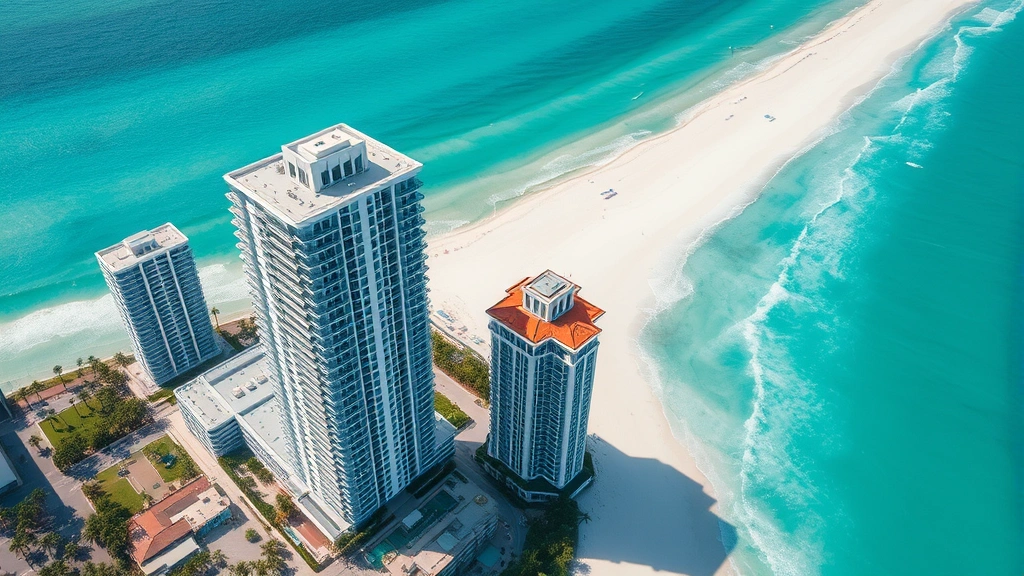
Condos for Sale in Miami Beach: Market Insights & Trends
The Miami Beach real estate market has evolved dramatically over the past decade, transforming from a seasonal vacation destination into a thriving year-round residential hub. Today’s buyers exploring condos for sale in Miami Beach encounter a market characterized by unprecedented demand, rising property values, and shifting buyer demographics. Whether you’re a first-time homebuyer, an investor seeking rental income opportunities, or a seasoned real estate professional, understanding current market dynamics is essential for making informed decisions.
Miami Beach’s appeal extends far beyond its pristine beaches and vibrant nightlife. The area has become a magnet for remote workers, international investors, and families seeking a dynamic lifestyle combined with strong property appreciation potential. The condo market specifically offers unique advantages: lower maintenance responsibilities compared to single-family homes, access to premium amenities like pools and fitness centers, and often better price points for those entering the luxury real estate segment. This comprehensive guide explores current market conditions, pricing trends, neighborhood insights, and actionable strategies for buyers and investors navigating Miami Beach’s competitive condo landscape.

Current Market Overview and Pricing Trends
Miami Beach’s condo market has experienced substantial growth, with median prices reflecting the area’s increasing desirability. According to recent Miami Dade Association of Realtors data, the market has seen consistent year-over-year appreciation despite economic fluctuations. Current pricing for condos ranges dramatically based on location, building age, and amenities—from $400,000 for modest units in developing neighborhoods to $3 million+ for oceanfront luxury properties in prime locations.
The pricing dynamics reveal several important trends. First, oceanfront and beachfront properties command premium prices, typically 40-60% higher than comparable inland units. Second, newer construction developments with modern amenities consistently outperform older buildings in terms of appreciation and rental potential. Third, the market has bifurcated into distinct segments: luxury properties targeting international buyers and high-net-worth individuals, and mid-range condos appealing to young professionals and families seeking value.
Inventory levels have stabilized after pandemic-era shortages, creating a more balanced market favoring informed buyers. Days on market for competitively priced units typically range from 30-90 days, though premium properties may take longer depending on specific positioning. Price per square foot averages between $800-$2,500 depending on building prestige and location, with waterfront properties commanding the highest multiples.
Understanding e-commerce platform selection principles teaches valuable lessons about market positioning—just as successful online retailers differentiate through unique value propositions, successful Miami Beach condo developments distinguish themselves through amenities, location, and community features that justify premium pricing.
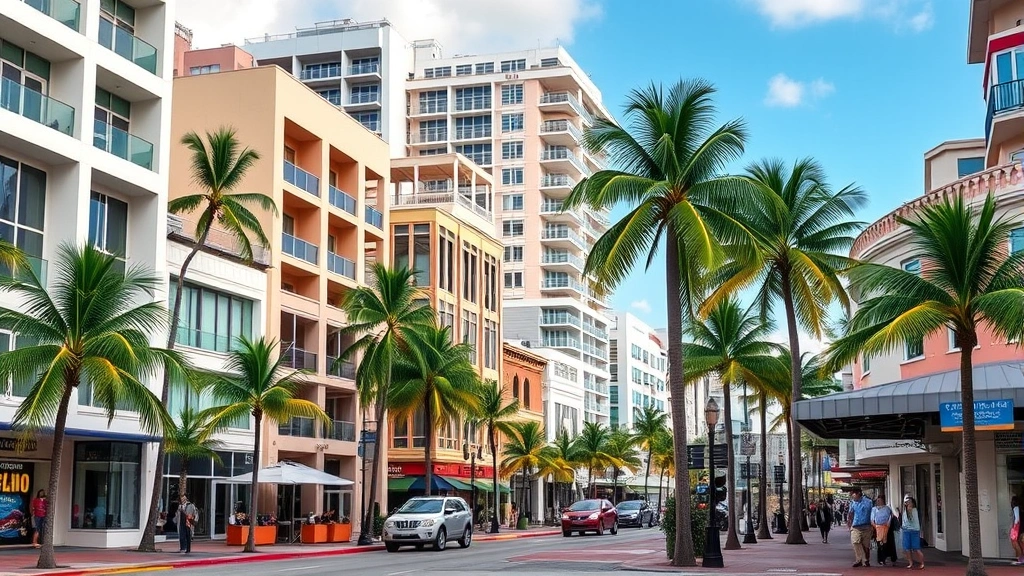
Neighborhood Analysis: Where to Invest
Miami Beach encompasses diverse neighborhoods, each with distinct characteristics, price points, and investment profiles. South Beach remains the most iconic and expensive neighborhood, featuring the legendary Art Deco Historic District, world-class restaurants, and nightlife. Properties here command the highest prices but also attract the most international tourism dollars, making them attractive for short-term rental investors.
Mid-Beach, stretching from approximately 23rd to 46th Street, represents an emerging sweet spot for value-conscious buyers. This neighborhood offers direct beach access, modern developments, and more moderate pricing than South Beach while maintaining excellent walkability and amenities. Several major hotel conversions in this area have created luxury residential communities with hotel-like services, attracting both owner-occupants and investors.
North Beach, beyond 63rd Street, has transformed into a family-friendly neighborhood with excellent schools, parks, and a more residential feel while maintaining beach proximity. Pricing here typically runs 15-25% below South Beach for comparable quality, making it attractive for long-term owner-occupants seeking value. The Aventura area nearby provides additional shopping and dining options without South Beach’s intensity.
Wynwood and the Design District, while not beachfront, have emerged as trendy neighborhoods attracting younger professionals, artists, and entrepreneurs. These areas offer more affordable entry points, vibrant cultural scenes, and strong appreciation potential, though they lack direct beach access. They represent excellent opportunities for investors seeking emerging neighborhoods with strong demographic tailwinds.
Brickell, Miami’s central business district, offers urban condo living with excellent walkability, dining, and professional amenities. Many tech companies and startups have established headquarters here, driving demand for residential units from young professionals. Brickell condos often feature lower price points than beachfront properties while offering strong rental potential and appreciation.
Buyer Demographics and Motivations
The Miami Beach condo market attracts remarkably diverse buyer profiles, each with distinct motivations and purchasing patterns. International investors, particularly from Latin America, Canada, and Europe, represent a significant market segment seeking US real estate exposure, currency diversification, and potential rental income. These buyers often purchase with cash, close quickly, and prioritize oceanfront or luxury properties with strong brand recognition.
Remote workers and digital nomads have become increasingly prominent since 2020, drawn by Florida’s lack of state income tax, year-round weather, and cosmopolitan amenities. This demographic typically seeks modern, well-appointed units in walkable neighborhoods with strong internet infrastructure and proximity to co-working spaces and restaurants. They often remain 2-5 years before relocating, making them valuable for both owner-occupancy and rental markets.
Young professionals in finance, technology, and professional services represent another major segment. They prioritize location walkability, building amenities like fitness centers and rooftop lounges, and proximity to employment centers. This demographic typically purchases their first investment property in Miami Beach before potentially upgrading or diversifying their portfolio.
Retirees and semi-retirees seeking warm-weather lifestyles, reduced maintenance, and vibrant communities form a substantial buyer base. This group tends to favor full-service buildings with concierge services, and often seeks units suitable for entertaining and community engagement. They typically hold properties long-term and value stability and quality construction.
Similar to how businesses analyze e-commerce marketing strategies to understand customer segments and craft targeted messaging, real estate investors benefit from understanding buyer demographics to position properties effectively and time market entry appropriately.
Investment Opportunities and ROI Potential
Miami Beach condos offer compelling investment opportunities across multiple strategies. The short-term rental market remains robust, with properties in desirable locations generating 6-10% annual gross rental yields. Platforms like Airbnb and VRBO have made short-term rentals more accessible, though investors must navigate local regulations, HOA restrictions, and seasonal fluctuations. Peak season (December-March) generates significantly higher nightly rates than summer months.
Long-term rentals provide more stable, predictable income with lower management intensity. Market rents for quality condos range from $2,500-$6,000+ monthly depending on location and amenities. Appreciation potential historically averages 3-5% annually, though periods of stronger growth occur during economic expansions and population migrations to Florida.
Value-add strategies appeal to savvy investors who identify undervalued properties in developing neighborhoods or buildings undergoing renovations. Purchasing below-market units, upgrading interiors, and selling or renting at premium rates generates substantial returns. This approach requires market knowledge, construction expertise, and patience but can yield 15-25% annual returns over 3-5 year holding periods.
Portfolio diversification benefits from Miami Beach real estate’s low correlation with traditional equity markets. Properties provide inflation hedges, tangible assets, and multiple income streams through appreciation and rental income. This makes Miami Beach condos attractive for investors seeking real estate exposure within broader investment portfolios.
Understanding digital product sales principles about creating value propositions applies equally to real estate investing—successful investors identify underserved market segments and create value through strategic positioning, quality improvements, or service enhancements.
Building Selection and Amenity Considerations
Selecting the right building dramatically impacts both enjoyment and investment returns. Premium amenities have become standard expectations in new Miami Beach developments, with properties competing on fitness centers, pools, spas, rooftop lounges, concierge services, and smart home technology. Buildings with comprehensive amenity packages typically command 10-20% price premiums and experience stronger rental demand.
Building age and construction quality significantly influence long-term value and maintenance costs. Newer construction (built within last 10-15 years) typically features modern systems, updated building codes, and lower special assessment risks. Older buildings may offer charm and established neighborhoods but require careful inspection for deferred maintenance, structural issues, and upcoming major capital expenditures.
HOA fees represent substantial ongoing costs, typically ranging from $300-$800+ monthly depending on building size, amenities, and age. Buyers should carefully review HOA financials, reserve fund status, and projected special assessments. Buildings with well-funded reserves and stable fee histories provide greater financial predictability and protect long-term property values.
Building reputation and management quality significantly impact daily living experience and rental performance. Properties in well-managed buildings with responsive maintenance teams, professional property management, and strong community engagement consistently outperform similar units in poorly-managed buildings. Online reviews, resident testimonials, and direct conversations with current residents provide valuable insights.
Oceanfront versus inland positioning creates dramatically different value propositions. Oceanfront properties command premium prices and attract tourists for short-term rentals, but face hurricane exposure, salt-spray maintenance issues, and higher insurance costs. Inland properties offer better value, lower insurance, and often superior long-term appreciation as supply constraints limit oceanfront development.
Similar to how building successful e-commerce sites requires attention to infrastructure, user experience, and ongoing maintenance, selecting Miami Beach condos demands thorough due diligence on building systems, management quality, and long-term viability.
Financing and Purchase Strategy
Financing strategies significantly impact investment returns and purchasing power. Traditional mortgage financing typically requires 20-25% down payments for investment properties, though owner-occupied purchases may qualify for programs requiring 10-15% down. Current mortgage rates fluctuate based on Federal Reserve policy, but Miami Beach remains attractive even at elevated rate environments due to strong appreciation potential and rental income.
Cash purchases, common among international investors, eliminate financing costs and accelerate closing timelines. However, retaining capital for reserves and additional investments often makes leveraged purchases more strategically sound for long-term wealth building. Most successful investors balance debt with equity to optimize returns while maintaining financial flexibility.
Pre-approval strengthens buyer positioning in competitive markets, demonstrating serious intent to sellers and enabling rapid offer submission. Buyers should obtain pre-approvals from lenders familiar with Miami Beach market conditions and condo financing, as some lenders impose restrictions on buildings with high investor concentrations or deferred maintenance.
Offer strategy requires careful calibration based on market conditions, comparable sales, and property-specific factors. In balanced markets, offering 5-10% below asking prices often succeeds, while competitive markets may require asking price or premium offers. Professional real estate agents with Miami Beach expertise provide invaluable guidance on positioning offers competitively.
Inspection contingencies protect buyers from purchasing properties with hidden defects. Professional inspections, condo document reviews, and engineering assessments identify structural issues, deferred maintenance, and building financial problems. This due diligence prevents costly surprises and provides negotiating leverage for price reductions or seller-funded repairs.
Closing costs typically range from 2-3% of purchase price and include title insurance, escrow fees, recording costs, and transfer taxes. Florida’s relatively favorable tax environment and lack of state income tax offset closing costs, making Miami Beach purchases financially efficient compared to high-tax jurisdictions.
Market Outlook and Future Projections
Miami Beach’s real estate market fundamentals remain strong, supported by population migration to Florida, limited oceanfront supply, and consistent international investor demand. Urban Land Institute projections suggest Florida will continue attracting significant population growth, supporting sustained real estate appreciation.
However, several factors warrant consideration. Rising interest rates impact affordability and investor returns, potentially moderating price appreciation. Climate change and sea-level rise pose long-term concerns for oceanfront properties, though engineering solutions and building improvements mitigate risks. Regulatory changes, including potential short-term rental restrictions, could impact investment returns for some properties.
The technology sector’s growth in Miami, combined with the city’s increasingly cosmopolitan profile, positions it competitively against traditional tech hubs. This demographic shift toward younger professionals and entrepreneurs supports sustained demand for residential real estate and creates favorable long-term market conditions.
Market cycles inevitably occur, with periods of rapid appreciation followed by consolidation phases. Savvy investors recognize that Miami Beach’s fundamental appeal—weather, lifestyle, tax benefits, and international status—creates durable demand foundations. Long-term investors typically weather cyclical downturns and benefit from subsequent recovery periods.
Understanding B2B sales dynamics teaches that sustained business success requires consistent value delivery and adaptation to market changes—similarly, Miami Beach real estate success depends on selecting properties with lasting appeal and adapting strategies to evolving market conditions.
Looking forward, expect continued evolution toward sustainability, smart building technology, and amenities catering to remote work. Buildings incorporating energy efficiency, wellness features, and flexible spaces will likely command premiums. The convergence of Miami’s appeal as a lifestyle destination with functional advantages as a business hub creates powerful long-term tailwinds for the residential market.
FAQ
What’s the average price for condos for sale in Miami Beach?
Miami Beach condo prices vary dramatically by location and amenities, ranging from approximately $400,000 for modest inland units to $3+ million for oceanfront luxury properties. Mid-range properties typically sell between $800,000-$1.5 million. Specific pricing depends on neighborhood, building prestige, unit size, and condition.
Is Miami Beach a good investment for rental income?
Yes, Miami Beach offers strong rental income potential through both short-term rentals (6-10% gross yields) and long-term rentals (4-6% yields). Success depends on property location, building amenities, management quality, and local rental regulations. Oceanfront properties and units in premium buildings typically generate superior returns.
What neighborhoods offer the best value in Miami Beach?
Mid-Beach (23rd-46th Street) and North Beach offer excellent value with beach access, modern amenities, and 15-25% lower pricing than South Beach. Wynwood and Design District provide urban living at more affordable price points, though without beach proximity. The best value depends on buyer priorities regarding beach access, walkability, and price.
How much are typical HOA fees for Miami Beach condos?
HOA fees typically range from $300-$800+ monthly, depending on building size, age, amenities, and reserve fund status. Luxury buildings with comprehensive amenities and oceanfront properties command higher fees. Buyers should review detailed HOA financials and projected special assessments before purchasing.
What should I look for when selecting a Miami Beach condo building?
Key considerations include building age and construction quality, HOA financial health and reserve funds, management company reputation, amenity offerings, insurance costs, and structural condition. Professional inspections and thorough review of condo documents protect against unexpected expenses and ensure long-term value preservation.
Can international buyers purchase Miami Beach condos?
Yes, international buyers can purchase Miami Beach properties without citizenship restrictions. However, they should work with attorneys experienced in international real estate transactions to understand tax implications, FIRPTA requirements, and title holding structures that optimize their investment positioning.
What financing options exist for Miami Beach condo purchases?
Options include traditional mortgage financing (typically requiring 20-25% down for investment properties), cash purchases, portfolio loans, and bridge financing. Some lenders impose restrictions on buildings with high investor concentrations. Pre-approval from Miami Beach-experienced lenders strengthens buyer positioning.
How long does the Miami Beach condo purchase process typically take?
Standard timelines range from 30-45 days from offer acceptance to closing, though cash buyers may close in 10-14 days. International transactions may require additional time for currency transfers and documentation. Inspection periods, appraisals, and loan underwriting represent the primary timeline factors.


