
Top Class B Motorhomes for Sale: Dealer Insights & Market Trends
The Class B motorhome market has experienced unprecedented growth over the past five years, driven by remote work adoption and a surge in experiential travel demand. These compact, van-based RVs offer the perfect balance between mobility and comfort, making them increasingly attractive to both first-time buyers and seasoned travelers. Understanding current market dynamics, pricing strategies, and dealer insights is essential for anyone considering this significant investment.
Class B motorhomes represent a unique segment within the recreational vehicle industry, combining the convenience of a standard vehicle with the amenities of a full-featured home. Unlike their larger Class A and Class C counterparts, Class B units maintain drivability comparable to standard vans while offering sleeping quarters, kitchenettes, and bathroom facilities. This guide explores what dealers want you to know about purchasing these vehicles and how to navigate the contemporary market effectively.
Understanding the Class B Motorhome Market
The Class B motorhome segment has transformed dramatically since 2019. Industry data indicates that Class B sales have grown at a compound annual growth rate of approximately 12-15%, significantly outpacing other RV categories. This growth trajectory reflects fundamental shifts in consumer preferences toward compact, fuel-efficient travel solutions.
Dealers consistently report that the demographic profile of Class B buyers has diversified considerably. While retirees traditionally dominated this market segment, today’s purchasers include digital nomads, young families, weekend adventurers, and corporate fleet managers. This expansion has created competitive pressure among dealers to stock diverse inventory and offer flexible purchasing arrangements.
The used Class B motorhome market has become particularly robust, with three-to-five-year-old models commanding strong resale values. According to the RV Dealers Association, depreciation rates for Class B units have stabilized at approximately 4-6% annually, compared to 10-12% for larger RV classes. This favorable depreciation profile makes Class B vehicles attractive to buyers concerned about long-term value retention.
Supply chain normalization has improved dealer inventory levels throughout 2024, though popular models from premium manufacturers like Airstream, Winnebago, and Roadtrek still experience extended lead times. Understanding these market dynamics helps buyers make informed decisions about timing their purchases and selecting appropriate models.
When evaluating class b motorhomes for sale, savvy buyers recognize that dealer expertise extends beyond simple transactional interactions. Reputable dealers provide comprehensive market analysis, comparative vehicle assessments, and post-purchase support that significantly impact long-term satisfaction and value realization.
Key Features & Specifications Dealers Emphasize
Experienced dealers prioritize specific features when showcasing Class B motorhomes to prospective buyers. Understanding these emphasis points reveals what genuinely matters in vehicle performance, livability, and resale appeal.
Engine Performance & Fuel Efficiency: Most modern Class B motorhomes utilize diesel or gasoline engines ranging from 140 to 200 horsepower. Dealers stress that diesel engines, while commanding premium purchase prices, deliver superior fuel economy (8-12 mpg) and longevity. Gasoline engines typically achieve 6-9 mpg but offer lower maintenance costs and wider service availability.
Sleeping Configurations: Class B units typically accommodate 2-4 sleeping positions through innovative design. Dealers highlight convertible dinettes, pop-up roof beds, and wet baths that maximize space efficiency. The quality of mattress systems and ventilation directly impacts customer satisfaction and repeat business referrals.
Kitchen & Bathroom Amenities: Compact kitchenettes featuring two-burner cooktops, small refrigerators, and limited counter space require strategic design. Dealers emphasize brands that optimize usability within dimensional constraints. Wet bath configurations (combined shower-toilet rooms) have become standard, with premium models featuring separate shower enclosures.
Climate Control Systems: Efficient heating and cooling systems prove critical for year-round usability. Dealers recommend models with roof-mounted air conditioning units, quality insulation (R-values of 8-12), and strategic window placement for cross-ventilation. These factors substantially influence comfort levels and energy consumption.
Technology Integration: Modern Class B units increasingly feature solar panel systems (200-400 watts), lithium battery banks (100-400 amp-hours), and integrated smart management systems. Dealers note that buyers increasingly prioritize off-grid capability, influencing inventory composition and pricing strategies.
Understanding these technical specifications enables meaningful conversations with dealers and ensures your selection aligns with anticipated usage patterns and lifestyle requirements.
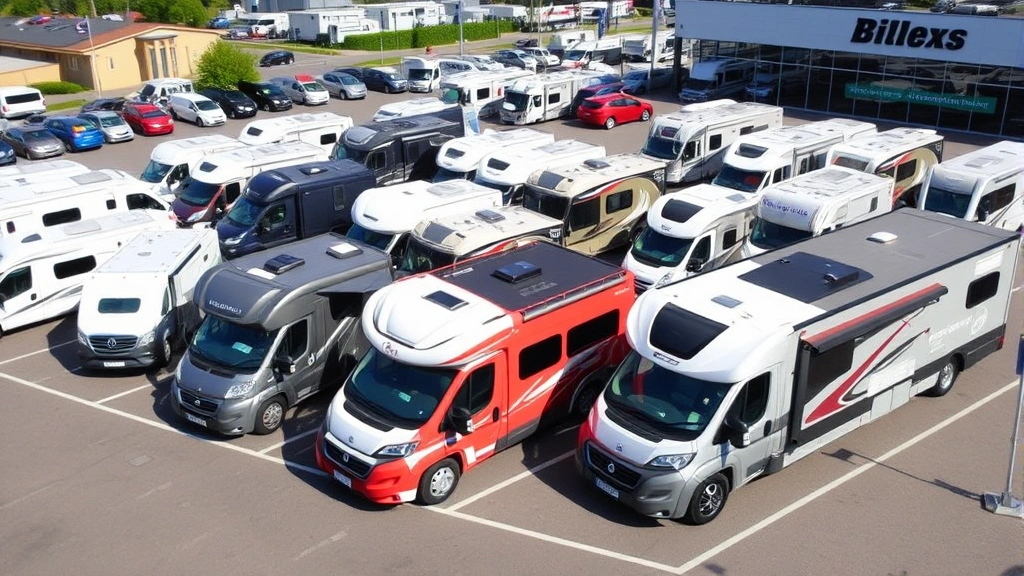
” alt=”Class B motorhome interior showing compact kitchen and sleeping area with modern cabinetry and efficient storage solutions” style=”width:100%; height:auto; border-radius: 8px;”>
Pricing Trends & Dealer Strategies
Class B motorhome pricing has experienced notable volatility since 2021, with current market conditions stabilizing after pandemic-driven inflation. Dealers employ sophisticated pricing strategies based on multiple variables including manufacturer, model year, mileage, features, and regional demand dynamics.
New Vehicle Pricing: Entry-level Class B motorhomes from established manufacturers typically range from $85,000 to $120,000. Mid-range models with premium features command $120,000 to $180,000, while luxury Class B units from specialty builders exceed $200,000. These price points reflect manufacturing costs, dealer margins (typically 8-12%), and brand positioning strategies.
Used Market Dynamics: Three-year-old Class B units typically depreciate to 75-85% of original retail price, while five-year-old models reach 60-75% of original value. Dealers leverage this data when acquiring used inventory and establishing trade-in valuations. Mileage, maintenance history, and customization significantly influence individual unit pricing within these ranges.
Dealer Margin Structure: Most dealers operate on gross margins of $8,000-$15,000 per new unit sale, creating incentives to move inventory efficiently. During seasonal peaks (spring and early summer), dealers may reduce margins to increase volume, while slower seasons support premium pricing on remaining inventory.
Understanding dealer cost structures helps buyers recognize negotiation opportunities. Factors like model year transitions, inventory surplus, and seasonal fluctuations create leverage points for informed purchasers. Dealers increasingly accept that educated buyers research comparable pricing through multiple channels before negotiation begins.
For those interested in broader retail dynamics, exploring high ticket sales strategies provides valuable context for large-purchase negotiations applicable to motorhome transactions.
Financing Options for Class B Purchases
Financing represents a critical component of Class B motorhome transactions, with dealers offering multiple pathways to accommodate diverse buyer circumstances.
Traditional RV Loans: Specialized RV lenders typically offer 10-20 year financing terms with interest rates ranging from 5.5% to 9.5% depending on creditworthiness, down payment percentage, and loan-to-value ratios. Dealers maintain relationships with 3-8 lending partners, enabling competitive rate shopping within single transactions.
Manufacturer Financing Programs: Major manufacturers including Winnebago, Airstream, and Thor Industries partner with captive finance subsidiaries offering promotional rates (sometimes as low as 0% for qualified buyers) on new units. These programs create purchasing incentives during promotional periods while generating manufacturer financing revenue.
RV-Specific Credit Considerations: Class B motorhomes depreciate more slowly than comparable vehicles, supporting higher loan-to-value ratios. Lenders typically finance up to 95% of purchase price for well-qualified borrowers, compared to 80-90% for standard auto loans. This favorable treatment reflects the asset class’s stability and secondary market depth.
Insurance & Registration Costs: Dealers emphasize that Class B ownership extends beyond purchase price. Annual insurance typically ranges from $1,200 to $2,500 depending on coverage levels, driving history, and model. Registration costs vary dramatically by state, from $200 to $1,500 annually, with some jurisdictions offering RV-specific fee structures.
Dealers who provide comprehensive financing guidance—including insurance quotes, registration estimates, and total cost-of-ownership analysis—build stronger customer relationships and reduce post-purchase dissatisfaction.
Dealer Recommendations for First-Time Buyers
Experienced Class B dealers have distilled decades of customer interactions into actionable guidance for first-time purchasers navigating this significant decision.
Start with Rental Experience: Dealers universally recommend renting Class B or comparable motorhomes before purchasing. This hands-on experience reveals which features genuinely enhance lifestyle versus those that sound appealing in showrooms. Rental companies provide invaluable insight into real-world usage patterns, storage requirements, and spatial comfort preferences.
Evaluate Usage Patterns Honestly: Assess anticipated annual usage realistically. Buyers planning 5,000-10,000 annual miles justify different vehicle selections than those anticipating 1,000-2,000 mile annual usage. Dealers note that overestimating usage frequency contributes significantly to post-purchase regret and resale complications.
Prioritize Build Quality Over Features: Dealers emphasize that structural integrity, insulation quality, and water system reliability outlast trendy amenities. Vehicles with solid construction, minimal water damage history, and proper maintenance documentation retain value superior to feature-laden units with quality compromises.
Inspect Thoroughly or Hire Professionals: Used Class B purchases warrant comprehensive pre-purchase inspections costing $300-$800. Professional inspectors identify hidden structural issues, electrical problems, and mechanical concerns that casual buyers overlook. This investment protects against expensive repairs within warranty periods.
Understand Dealer Warranty Offerings: New Class B purchases typically include 3-5 year manufacturer warranties covering structural and mechanical components. Used units from reputable dealers may include limited 30-90 day warranties. Understanding warranty scope, deductibles, and exclusions prevents costly surprises during early ownership phases.
Dealers recognize that first-time buyers benefit from educational resources extending beyond transactional support. Providing owner forums, maintenance guides, and usage recommendations builds loyalty and generates positive referrals that drive sustainable business growth.
Maintenance & Long-Term Value Considerations
Dealer insights into maintenance requirements and value preservation strategies help buyers make economically sound decisions extending beyond initial purchase.
Routine Maintenance Schedules: Class B motorhomes require engine service (oil changes every 5,000-10,000 miles), seasonal system inspections, and specialized maintenance for water, electrical, and propane systems. Annual professional inspections cost $200-$400 but identify emerging issues before expensive failures occur.
Seal & Weatherproofing: The RV industry identifies water intrusion as the primary value-destroying issue. Dealers emphasize that regular roof inspections, caulk maintenance, and window seal replacement represent critical preventive measures. Proactive weatherproofing extends structural lifespan and maintains resale value substantially.
Appliance & System Lifespan: Refrigerators, furnaces, and air conditioning units in Class B motorhomes typically last 8-12 years with proper maintenance. Replacement costs range from $1,500 to $4,000 per major system. Understanding these replacement timelines helps buyers budget for future expenses and evaluate used unit pricing appropriately.
Documentation & Service Records: Dealers stress that comprehensive service documentation significantly enhances resale value. Buyers who maintain detailed maintenance records, retain receipts, and document repairs command 5-10% premiums compared to vehicles lacking documented care history.
Customization Impact on Resale: While personalization appeals to original owners, aftermarket modifications often reduce resale appeal. Dealers report that extensive customizations targeting niche preferences limit buyer pools and complicate valuations. Conservative upgrades (quality mattresses, improved insulation) retain better value than specialized modifications.
Understanding these maintenance realities enables buyers to budget appropriately for long-term ownership and recognize when dealer-maintained inventory commands premium pricing justified by documented care.
” alt=”Dealer showroom displaying multiple Class B motorhomes in various colors and configurations with professional lighting and organized outdoor lot” style=”width:100%; height:auto; border-radius: 8px;”>
FAQ
What defines a Class B motorhome versus other RV classes?
Class B motorhomes are van-based recreational vehicles typically 20-26 feet long, built on standard vehicle chassis (usually Ford Transit, Mercedes Sprinter, or Ram ProMaster platforms). They differ fundamentally from Class A motorhomes (40+ feet, bus-style construction) and Class C units (25-35 feet, truck-based). Class B vehicles maintain standard vehicle drivability while incorporating sleeping, kitchen, and bathroom facilities into compact floor plans.
How long do Class B motorhomes typically last with proper maintenance?
Well-maintained Class B motorhomes commonly achieve 15-20 year lifespans with 150,000-250,000 total miles. Engine longevity depends primarily on maintenance consistency, with diesel engines typically outlasting gasoline counterparts. Regular maintenance, timely repairs, and preventive weatherproofing substantially extend operational lifespan and maintain functionality.
Are Class B motorhomes suitable for full-time living?
Many Class B owners successfully live full-time in their vehicles, though spatial limitations require lifestyle adjustment. Successful full-time Class B living typically involves thoughtful organization, minimalist approaches to possessions, and strategic use of external storage. Limited kitchen facilities and bathroom space present genuine constraints compared to traditional residences, but modern designs increasingly maximize livability within physical parameters.
What financing terms do dealers typically offer for Class B purchases?
Standard dealer financing typically extends 10-20 year terms with interest rates ranging from 5.5% to 9.5% depending on creditworthiness and down payment percentage. Manufacturer promotional financing occasionally offers 0% rates on new units, creating periodic purchasing opportunities. Down payments typically range from 10-20% of purchase price, though some lenders accommodate higher loan-to-value ratios for qualified borrowers.
How much does annual Class B motorhome ownership cost beyond the purchase price?
Annual ownership costs typically include insurance ($1,200-$2,500), registration and licensing ($200-$1,500 depending on state), routine maintenance ($500-$1,200), propane and utilities (highly variable based on usage), and unexpected repairs. Comprehensive cost-of-ownership analysis should incorporate these factors when evaluating purchase decisions and comparing total expense against alternative travel or housing solutions.
Should I purchase new or used Class B motorhomes?
New purchases offer manufacturer warranties, latest technology integration, and customization flexibility, while used purchases provide substantial cost savings (typically 30-50% discounts versus comparable new models). Decision factors include budget constraints, desired features, warranty preferences, and mileage tolerance. Used units from reputable dealers with documented maintenance history often provide superior value compared to new purchases for budget-conscious buyers.
What should I inspect when evaluating a used Class B motorhome?
Critical inspection areas include roof condition and seal integrity, water damage evidence (discoloration, soft spots), appliance functionality, electrical system operation, plumbing system performance, engine mechanical condition, and structural integrity. Professional pre-purchase inspections costing $300-$800 identify hidden issues that casual inspections miss, protecting against expensive repairs and providing objective valuation guidance.


