Festive Christmas Salad Ideas: Chef-Approved Guide to Holiday Table Excellence
Christmas salads have evolved far beyond the simple iceberg lettuce side dish. Today’s festive salad offerings represent a sophisticated blend of seasonal flavors, vibrant colors, and nutritional balance that elevates any holiday table. Whether you’re hosting an intimate dinner or a large family gathering, understanding the principles of creating memorable Christmas salads can transform your entertaining experience and impress even the most discerning guests.
The holiday season presents a unique opportunity to showcase fresh, seasonal ingredients while maintaining the warmth and comfort associated with traditional Christmas dining. Modern culinary trends emphasize the importance of incorporating diverse textures, unexpected flavor combinations, and visually stunning presentations that make salads the star of the meal rather than an afterthought. This comprehensive guide explores chef-approved strategies for crafting Christmas salads that balance nutrition, aesthetics, and flavor profiles.
Essential Ingredients for Holiday Salads
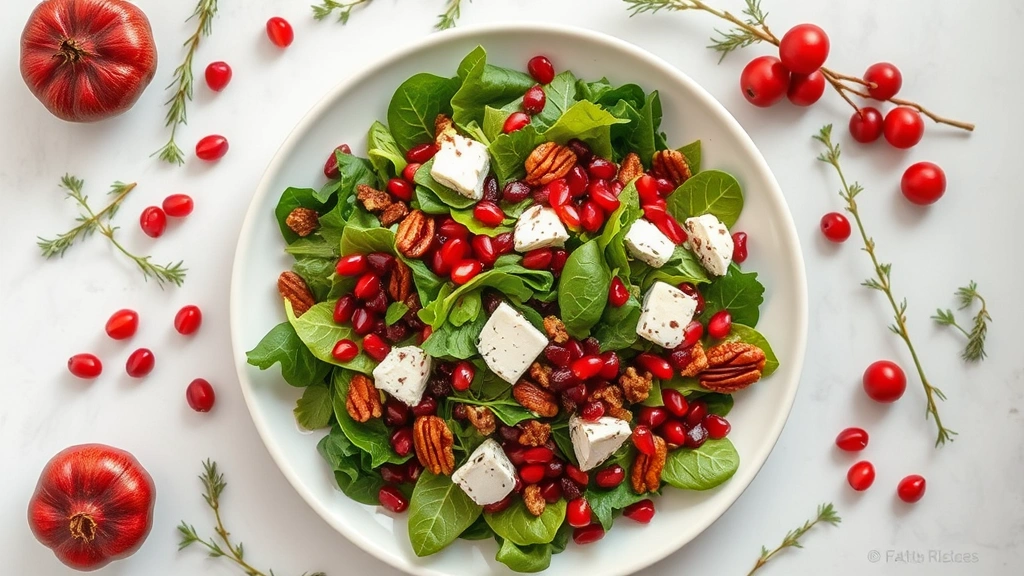
Creating exceptional Christmas salad experiences begins with understanding which ingredients define the season. The foundation of any successful holiday salad relies on selecting produce that’s both in season and visually representative of Christmas aesthetics. Pomegranate seeds provide jewel-like color and tart sweetness, while fresh cranberries offer bright red hues and distinctive flavor notes that complement both sweet and savory elements.
Leafy greens form the structural base of most Christmas salads. Rather than limiting yourself to traditional iceberg lettuce, consider incorporating mixed baby greens, arugula, spinach, kale, and radicchio. Each variety brings distinct flavor profiles and textural qualities. Kale, particularly lacinato varieties, provides heartiness and visual drama with its deep green color and textured leaves. Radicchio introduces beautiful purple-red tones that immediately evoke holiday sentiment while adding subtle bitterness that balances sweeter dressing elements.
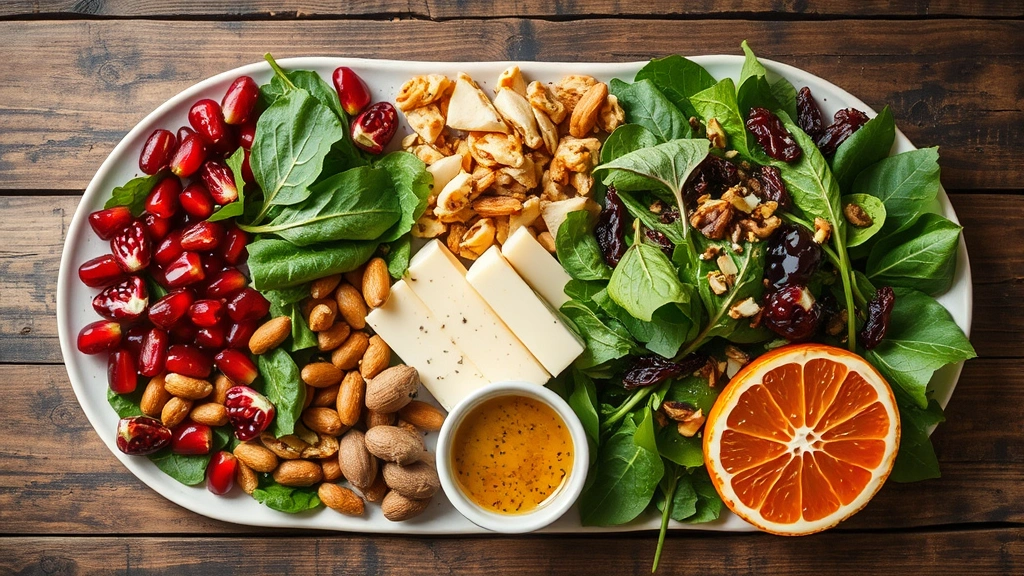
Nuts represent a crucial component of holiday salad architecture. Candied pecans, toasted walnuts, sliced almonds, and roasted hazelnuts contribute essential crunch while introducing richness and depth. Candying nuts involves coating them with brown sugar, butter, and warming spices like cinnamon and nutmeg, transforming simple nuts into sophisticated flavor delivery systems. A small handful of candied nuts per serving provides textural contrast while adding approximately 100-150 calories and meaningful nutritional density through healthy fats and protein.
Cheese selections dramatically influence festive salad character. Crumbled goat cheese offers tangy brightness, while aged cheddar provides sharp complexity. Brie introduces creamy indulgence, and pomegranate-studded cheeses (when available) create visually stunning focal points. Hard cheeses like Parmigiano-Reggiano can be shaved into delicate ribbons that catch light and enhance visual appeal.
Classic Christmas Salad Recipes
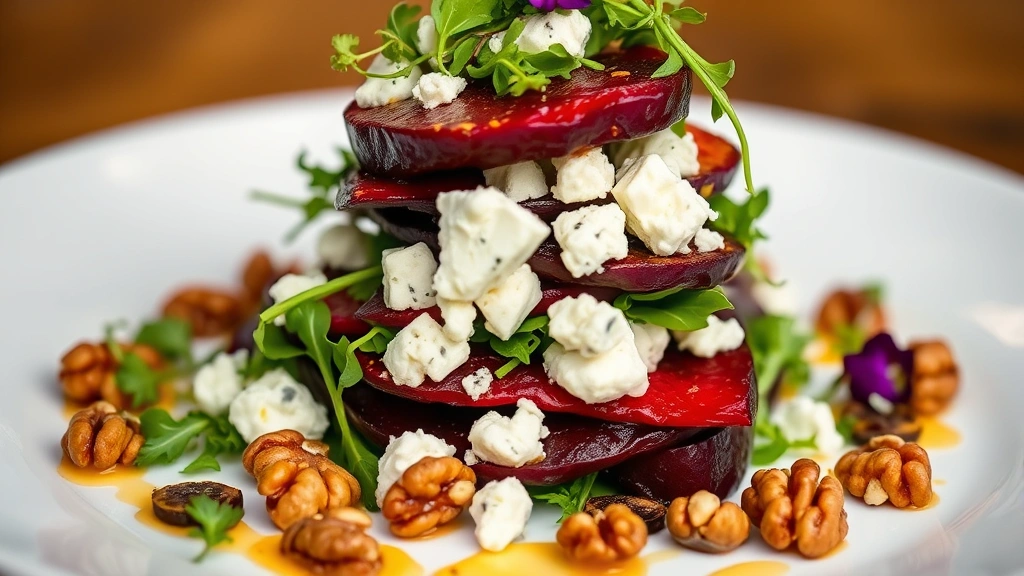
The traditional Christmas salad formula combines proven ingredient pairings that have earned their place on holiday tables across generations. The Winter Harvest Salad exemplifies this approach by combining baby spinach, roasted beets, candied walnuts, crumbled goat cheese, and a light vinaigrette. This combination balances earthy beet flavors with tangy cheese and sweet candied nuts, creating complexity within simplicity.
Another beloved classic features pomegranate, pear, and blue cheese combinations. The natural sweetness of ripe pears complements sharp blue cheese qualities while pomegranate seeds provide bursts of tart juice and visual drama. This salad works exceptionally well with warm-spiced vinaigrettes incorporating Dijon mustard, shallots, and honey. The peppery notes from quality vinegar cut through rich cheese while honey adds subtle sweetness that echoes holiday traditions.
Cranberry-based salads represent another Christmas standard. Fresh or dried cranberries introduce distinctive tartness that prevents salads from becoming cloying. When paired with turkey, these salads create natural flavor harmony reminiscent of traditional holiday meals. A simple preparation featuring mixed greens, dried cranberries, toasted almonds, and a cranberry-orange vinaigrette delivers sophisticated flavor without excessive complexity.
The Caprese variation adapted for Christmas includes fresh mozzarella, heirloom tomatoes (if available in your climate), basil, and a balsamic reduction drizzle. While tomatoes aren’t typically considered seasonal Christmas ingredients, quality greenhouse varieties provide sufficient flavor and visual appeal. The addition of pomegranate seeds and candied walnuts transforms this Italian classic into festive territory.
Modern Festive Salad Innovations
Contemporary chefs have elevated Christmas salad traditions by introducing unexpected ingredients and presentation methods that challenge conventional thinking. One innovative approach incorporates roasted vegetables like Brussels sprouts, butternut squash, and beets, creating warm salads that provide comfort while maintaining freshness through contrasting cold elements.
Warm salad formats featuring sautéed mushrooms, caramelized onions, and roasted root vegetables offer substantial alternatives for holiday entertaining. These preparations acknowledge that winter dining often emphasizes warming preparations while salads provide necessary vegetable intake and nutritional balance. A warm salad combining roasted parsnips, Brussels sprouts, crispy pancetta, and apple with a warm Dijon vinaigrette satisfies multiple dining preferences simultaneously.
Grain-based salads represent another modern innovation. Incorporating quinoa, farro, or wild rice creates substantial salads that function as complete courses rather than simple sides. A Christmas grain salad might combine roasted wild rice with dried cranberries, toasted pecans, fresh herbs, and a citrus vinaigrette. These preparations offer flexibility for advance preparation and often improve in flavor as ingredients meld overnight.
Salads featuring seasonal citrus bring brightness and vitamin C to holiday meals. Blood orange, pomelo, and clementine varieties provide distinctive flavors and stunning visual presentations. A salad combining baby greens, segmented blood oranges, candied walnuts, and goat cheese with a light champagne vinaigrette captures festive elegance while supporting seasonal eating patterns.
Incorporating herbs beyond standard parsley and basil enhances modern Christmas salads. Fresh sage, thyme, and rosemary introduce subtle complexity when used judiciously. These herbs pair exceptionally well with roasted root vegetables and warm vinaigrettes, creating sophisticated flavor profiles that elevate simple ingredient combinations.
Dressing and Flavor Pairing Strategies
Vinaigrette selection fundamentally influences Christmas salad success. Rather than relying on heavy cream-based dressings, chefs recommend vinegar-forward preparations that enhance rather than mask ingredient flavors. Sherry vinegar provides subtle complexity, while champagne vinegar offers delicate acidity perfect for delicate lettuces and tender greens.
The classic French vinaigrette ratio of three parts oil to one part vinegar provides an excellent starting point for holiday variations. From this foundation, additions like Dijon mustard, whole-grain mustard, shallots, garlic, and honey create depth. A festive variation incorporating pomegranate juice, honey, and Dijon mustard produces gorgeous color while introducing complementary tartness and sweetness.
Warm dressings deserve specific attention in holiday salad preparation. A warm bacon vinaigrette featuring rendered bacon fat, apple cider vinegar, and Dijon mustard wilts delicate greens slightly while creating luxurious texture contrasts. This preparation works beautifully with hearty greens like kale and spinach while introducing satisfying richness that appeals to holiday diners.
Nut-based dressing innovations incorporate ground nuts, nut butters, or nut oils to create creamy preparations without heavy cream. A walnut oil vinaigrette combines walnut oil, red wine vinegar, Dijon mustard, and shallots, delivering nutty richness that complements candied nuts and bitter greens. These preparations prove particularly valuable for accommodating dietary restrictions while maintaining luxurious mouthfeel.
Citrus-forward dressings featuring lemon, lime, or orange juice provide brightness that cuts through rich holiday meals. A Champagne vinaigrette with orange zest and Dijon mustard introduces festive aromatics while maintaining elegant simplicity. These preparations remain stable for several hours, facilitating advance preparation strategies essential for holiday entertaining.
Presentation and Plating Techniques
Visual presentation fundamentally impacts how diners perceive and enjoy Christmas salad offerings. Professional chefs understand that eating occurs first with the eyes, making plating technique crucial for holiday success. Rather than tossing salad components together in a bowl, consider composed presentations where elements remain visually distinct while contributing to cohesive compositions.
Color theory plays essential roles in festive salad presentation. Deep greens, bright reds from pomegranate and cranberries, golden yellows from candied nuts, and white or pale cheese create visually balanced plates that immediately communicate festivity and care. Alternating colors and textures across the plate creates visual interest while ensuring every bite contains complementary elements.
Individual plating versus family-style service represents an important consideration for holiday entertaining. Individual composed salads demonstrate sophistication and guarantee balanced ingredient distribution, while family-style presentations encourage interactive dining and create convivial atmospheres. When choosing individual plating, consider stacking or layering techniques that create height and visual drama on the plate.
Height and dimension transform ordinary salads into stunning presentations. Building salads vertically rather than flat across plates creates dynamic visual compositions. Stacking greens, propping ingredients against each other, and creating architectural arrangements elevate perceived value and appeal. These techniques prove particularly effective when entertaining guests who appreciate culinary artistry and thoughtful presentation.
Garnishing techniques provide final polish to finished salads. Microgreens, edible flowers, herb sprigs, and additional pomegranate seeds scattered artfully across plates communicate attention to detail. These garnishes should complement rather than overwhelm, adding visual interest without obscuring the carefully composed elements beneath.
Preparation and Make-Ahead Tips
Strategic advance preparation ensures Christmas salad success while minimizing day-of stress during busy holiday entertaining. Understanding which components can be prepared hours ahead and which require last-minute assembly separates successful holiday menus from stressful ones.
Greens benefit from washing and drying several hours in advance. Thoroughly dry lettuces using salad spinners and clean kitchen towels, then store in airtight containers lined with paper towels to absorb excess moisture. Properly stored greens remain crisp for up to two days, though freshness peaks within 24 hours of preparation.
Roasted vegetables and nuts can be prepared one to two days in advance. Roasted beets, Brussels sprouts, and squash actually improve as flavors meld and concentrate. Store these components in airtight containers, bringing them to room temperature before assembly. Candied nuts remain crispy for three to four days when stored in airtight containers away from moisture.
Cheese components benefit from advance preparation. Crumble goat cheese, cube brie, or shave Parmigiano-Reggiano several hours ahead, storing these components in airtight containers. Cold cheese elements actually benefit from this preparation, as flavors develop and components reach ideal serving temperature.
Vinaigrettes can be prepared several hours to one day in advance, though emulsified dressings benefit from vigorous whisking immediately before service. Store dressings in clean jars, shaking vigorously before drizzling over salads. Avoid dressing salads more than 15 minutes before service, as this prevents greens from becoming soggy.
Fresh pomegranate seeds should be harvested the morning of service or up to eight hours ahead. Store these in airtight containers, and avoid cutting pomegranates more than a few hours in advance, as exposed seeds oxidize and discolor. When working with pomegranates, wear an apron, as their juice stains permanently.
When entertaining groups, consider assembling individual salads on chilled plates up to one hour before service. Keep assembled plates in the refrigerator until shortly before serving, ensuring components remain properly chilled while allowing flavors to develop. This strategy proves particularly valuable when serving large parties where plating individual salads during service creates stress.
For holiday events where you’re uncertain about guest preferences, prepare components separately and allow guests to customize salads. This approach works particularly well when considering dietary restrictions, allergies, or personal preferences. Providing separate dressing options ensures all guests enjoy salads prepared exactly to their specifications.
FAQ
What makes a Christmas salad different from regular salads?
Christmas salads incorporate seasonal ingredients, festive color palettes featuring reds and greens, warming spices, and ingredients associated with holiday traditions like cranberries and pomegranate. These salads often feature richer ingredients like candied nuts and quality cheeses that elevate them beyond everyday preparations.
Can Christmas salads be prepared in advance?
Most Christmas salad components can be prepared hours ahead, though assembled salads should be dressed no more than 15 minutes before service to prevent sogginess. Greens, roasted vegetables, nuts, and cheese can all be prepared one to two days in advance, with final assembly occurring shortly before serving.
What are the best nuts for Christmas salads?
Candied pecans, toasted walnuts, sliced almonds, and roasted hazelnuts all work beautifully in holiday salads. Candying nuts with brown sugar, butter, and warming spices creates sophisticated flavor profiles that complement other festive ingredients. Toast raw nuts at 350°F for 8-10 minutes to enhance natural flavors.
How do I prevent my Christmas salad from becoming soggy?
Thoroughly dry greens after washing, store them separately from wet ingredients, and dress salads immediately before service. Avoid preparing dressed salads more than 15 minutes in advance. If preparing salads for large groups, consider dressing individual portions just before plating.
What dressing works best with Christmas salads?
Vinegar-forward dressings work beautifully with holiday salads. Try champagne vinaigrettes, sherry vinaigrettes with pomegranate juice, or warm bacon vinaigrettes. These preparations enhance ingredient flavors while maintaining balance without heavy cream that can overpower delicate greens.
Can I make Christmas salads vegetarian or vegan?
Absolutely. Skip bacon components and choose plant-based cheese alternatives when needed. Focus on roasted vegetables, nuts, seeds, and fruit elements that create substantial, satisfying salads. Use olive oil-based dressings without animal products to create fully vegan preparations that maintain sophisticated flavor profiles.
How far in advance can I wash and prep salad greens?
Properly washed and dried greens remain fresh for up to two days when stored in airtight containers with paper towels. However, greens taste best when used within 24 hours of preparation. Wash greens the evening before or early morning of service for optimal freshness and crispness.
What’s the best way to incorporate warm elements into Christmas salads?
Warm salads featuring roasted vegetables maintain their appeal when combined with cold greens just before service. The contrast between warm and cold elements creates textural interest while preventing greens from wilting excessively. Alternatively, use warm vinaigrettes that slightly wilt hardy greens while maintaining overall freshness.