Can You Freeze Chicken Salad? Expert Advice on Storage, Safety, and Quality
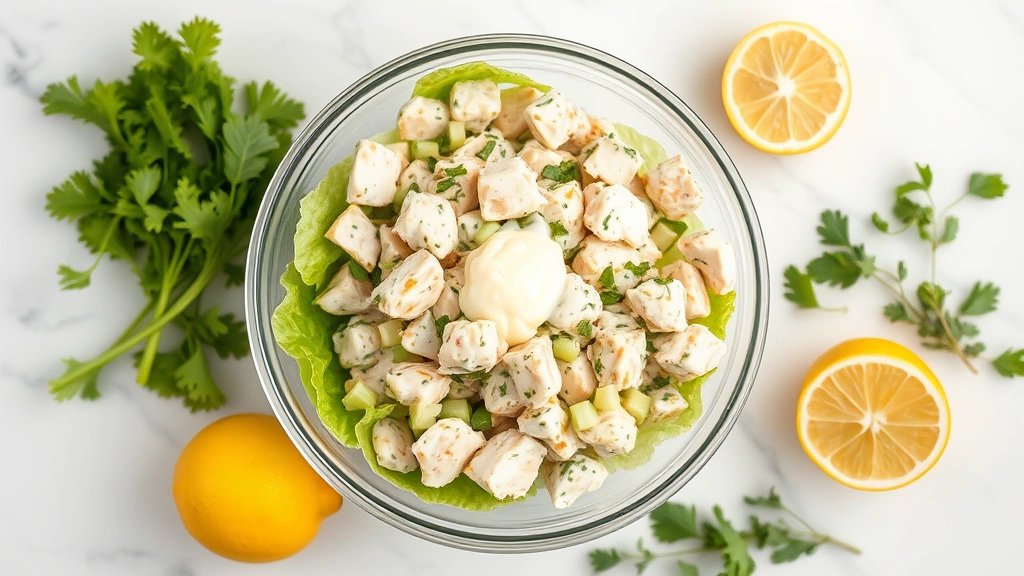
Chicken salad is a versatile, protein-packed meal option that many people prepare in bulk for convenient lunches and quick dinners. Whether you’re meal prepping for the week or have leftover chicken salad from a gathering, the question of freezing becomes relevant: can you freeze chicken salad? The answer is more nuanced than a simple yes or no. While you technically can freeze chicken salad, the results depend heavily on ingredients, preparation methods, and your expectations for texture and taste upon thawing.
Understanding the science behind freezing chicken salad helps you make informed decisions about food storage and meal planning. This comprehensive guide explores the freezability of chicken salad, best practices for preservation, potential pitfalls, and expert recommendations to maintain quality while extending shelf life. Whether you’re managing a commercial kitchen or planning home meals, knowing how to properly handle chicken salad storage can reduce food waste and improve operational efficiency.

The Short Answer: Freezing Chicken Salad
Yes, you can freeze chicken salad, but with important caveats. The primary challenge lies in the mayonnaise-based dressing that gives chicken salad its characteristic creamy texture. Mayonnaise contains emulsified oil and eggs, which can separate and become grainy when frozen and thawed. Vegetables like lettuce, celery, and cucumbers also suffer texture degradation, becoming mushy and watery after freezing. However, the chicken itself freezes remarkably well, maintaining its nutritional value and protein content indefinitely at proper freezing temperatures.
The key to successful chicken salad freezing involves strategic component separation and understanding which ingredients withstand the freezing process. Rather than freezing a completed chicken salad, many food experts recommend freezing the chicken separately and preparing the salad fresh after thawing. This approach maximizes quality while still providing significant time-saving benefits for meal planning. Alternatively, if you must freeze assembled chicken salad, selecting recipes with mayonnaise-free dressings or using stabilizing techniques can improve results substantially.
When considering food storage strategies for inventory management in food service operations, understanding freezing compatibility becomes crucial for reducing waste and optimizing procurement decisions.

Understanding Ingredient Compatibility with Freezing
Different components of chicken salad respond differently to freezing temperatures. The cooked chicken itself is highly freeze-stable, maintaining safety and nutritional integrity for three to four months when properly packaged. The challenge emerges with the supporting ingredients that create the finished dish’s appeal and functionality.
Problematic Ingredients:
- Mayonnaise-based dressings separate and become grainy, creating an unpleasant texture
- Lettuce, spinach, and leafy greens become soggy and lose structural integrity
- Cucumbers, tomatoes, and watery vegetables release moisture during thawing, diluting dressing
- Celery becomes mushy and loses its characteristic crunch
- Hard-boiled eggs develop rubbery textures and unpleasant flavors
- Nuts may become rancid if frozen for extended periods
Freeze-Compatible Ingredients:
- Cooked chicken breast or thighs maintain excellent quality when properly packaged
- Dried herbs and spices remain stable and flavorful
- Salt, pepper, and basic seasonings show no degradation
- Oil-based vinaigrettes (without emulsified components) freeze reasonably well
- Some root vegetables like carrots can handle freezing better than delicate produce
This ingredient compatibility analysis suggests that the optimal approach involves freezing only the chicken component. When you’re ready to consume the chicken salad, thaw the chicken and combine it with fresh ingredients and dressing. This method preserves the sensory qualities that make chicken salad appealing while retaining the convenience benefits of having pre-cooked chicken available. For food retail operations, understanding these distinctions helps in product development and customer communication about prepared food shelf life.
Step-by-Step Freezing Process
If you decide to freeze chicken salad components or attempt freezing assembled salad, following proper procedures maximizes success rates and minimizes food safety risks.
Method 1: Freezing Chicken Only (Recommended)
- Cool cooked chicken completely to room temperature before freezing to prevent temperature fluctuations in your freezer
- Cut chicken into uniform pieces or leave whole, depending on your intended use
- Pat chicken dry with paper towels to remove excess moisture that can cause ice crystal formation
- Place chicken in freezer-safe containers or heavy-duty freezer bags, removing as much air as possible
- Label containers with contents and date; chicken remains safe for three to four months at 0°F (-18°C) or below
- Store in the coldest part of your freezer, away from the door where temperatures fluctuate
Method 2: Freezing Assembled Chicken Salad
- Prepare chicken salad using mayonnaise-free dressing or oil-based vinaigrette for better freezing results
- Omit vegetables prone to texture degradation; plan to add fresh vegetables after thawing
- Include stable ingredients like nuts, dried fruits, or herbs that enhance flavor without compromising texture
- Divide salad into individual portions using freezer-safe containers or resealable bags
- Leave minimal headspace in containers to prevent oxidation and freezer burn
- Freeze immediately after preparation for best results
- Use within one to two months for optimal quality; longer storage times increase separation likelihood
Proper packaging is essential regardless of your chosen method. Freezer burn—caused by moisture loss and oxidation—degrades quality significantly. Heavy-duty freezer bags designed specifically for freezing provide better protection than standard storage bags. For larger quantities, vacuum-sealing removes air entirely, extending freezer life and preventing quality degradation.
Thawing and Reheating Guidelines
Thawing chicken salad properly ensures food safety and maximizes quality retention. The USDA and food safety organizations consistently recommend thawing frozen foods in the refrigerator rather than at room temperature, preventing bacterial growth during the thawing process.
Safe Thawing Methods:
- Refrigerator thawing: Transfer frozen chicken salad to the refrigerator 24 hours before consuming; this slow thawing method maintains quality and ensures food safety
- Cold water thawing: Seal chicken salad in waterproof bags and submerge in cold water, changing water every 30 minutes; typically requires two to three hours
- Immediate use: If thawing in the refrigerator, you can use chicken salad within three to four days after complete thawing
Addressing Separation Issues:
If your thawed chicken salad exhibits separated mayonnaise, several remedies can restore texture and appearance. Gently stir in small amounts of fresh mayonnaise, Greek yogurt, or sour cream to reemulsify the dressing. Some people add a tablespoon of fresh lemon juice or vinegar to help stabilize the emulsion. If texture remains compromised despite these efforts, consider repurposing the chicken salad in cooked applications like chicken salad casseroles, where texture is less critical.
Chicken salad should never be reheated after thawing, as mayonnaise-based dressings break down under heat. Instead, consume thawed chicken salad cold or at room temperature within the safe timeframe following thawing.
Quality Expectations After Freezing
Managing expectations about post-freezing quality prevents disappointment and helps you make informed storage decisions. Chicken salad that has been frozen rarely returns to exactly the same texture and appearance as fresh salad, but understanding the changes helps you decide whether freezing suits your needs.
Texture Changes:
The mayonnaise-based dressing becomes grainier and separates partially, even with proper freezing and thawing. Vegetables that weren’t removed before freezing become noticeably softer and release additional moisture. Celery loses its crunch entirely, and lettuce becomes limp. Nuts may develop off-flavors if frozen for extended periods. The overall mouthfeel shifts from the crisp, creamy combination of fresh chicken salad to something more homogeneous and less textually interesting.
Flavor Retention:
Contrary to texture changes, flavors typically remain stable during freezing. Seasonings, herbs, and the essential chicken taste persist without significant degradation. Some people report that frozen chicken salad actually develops more pronounced flavors as ingredients meld during storage. This flavor stability makes frozen chicken salad suitable for applications where texture is secondary to taste, such as in sandwiches or mixed into grain bowls.
Food Safety Considerations:
Properly frozen chicken salad remains safe to eat indefinitely from a food safety perspective, though quality degrades after one to two months. The main concern with longer freezer storage involves freezer burn, oxidation, and off-flavor development rather than pathogenic bacteria growth. Bacteria cannot multiply at freezing temperatures, making frozen foods safe as long as they were safe before freezing and remain frozen continuously.
Alternative Storage Solutions
If freezing seems problematic for your situation, several alternative storage methods extend chicken salad shelf life while maintaining superior quality compared to frozen versions.
Refrigerator Storage:
Properly stored chicken salad lasts three to five days in the refrigerator at 40°F (4°C) or below. Store in airtight containers to prevent odor absorption and moisture loss. Keep dressing separate from other components if possible, combining just before consumption. This approach works well for meal prep lasting one week or less, making it ideal for most household situations.
Component-Based Preparation:
Rather than preparing complete chicken salad in advance, store components separately and assemble fresh salads as needed. Cook and refrigerate chicken separately from dressing and vegetables. This method provides maximum flexibility, allowing different family members to customize their salads while maintaining optimal texture and flavor. This approach also reduces food waste, as unused components remain fresh longer than assembled salads.
Vacuum Sealing:
For those willing to invest in equipment, vacuum-sealing removes air that causes oxidation and freezer burn. Even with vacuum sealing, the inherent texture issues with frozen mayonnaise persist, but storage longevity improves significantly compared to standard freezing methods.
Canning and Preservation:
Traditional preservation methods like pressure canning aren’t recommended for mayonnaise-based chicken salad due to food safety concerns with acidified foods and emulsified ingredients. However, some recipes using vinegar-based dressings may be suitable for water bath canning; consult tested recipes from the National Center for Home Food Preservation before attempting this method.
Commercial Applications and Inventory Management
Food service operations, restaurants, and prepared food retailers face different considerations when managing chicken salad inventory compared to home cooks. Understanding freezing capabilities helps optimize purchasing, reduce waste, and maintain consistent product availability.
Commercial kitchens often freeze chicken salad components separately, maintaining frozen chicken stock that can be quickly transformed into fresh salads to meet daily demand. This approach balances efficiency with quality, allowing restaurants to respond to customer preferences while minimizing waste from unsold prepared items. For operations managing multiple locations or high-volume production, proper inventory management systems track component stock levels, expiration dates, and usage patterns to optimize purchasing decisions.
Retailers offering prepared chicken salad in deli sections must balance freshness expectations with practical inventory management. Some operations freeze finished salad during low-demand periods, then thaw and sell within safe timeframes during busy periods. Others maintain component stocks, preparing salads fresh throughout the day. Understanding customer preferences and quality expectations guides these operational decisions.
According to USDA food safety guidelines, prepared salads containing mayonnaise are considered potentially hazardous foods requiring temperature control for safety. Frozen storage provides an additional safety margin, as freezing halts bacterial growth entirely. However, proper thawing procedures remain essential to prevent temperature abuse that could allow bacterial multiplication.
Businesses managing food costs must consider whether freezing chicken salad aligns with their operational model and customer expectations. Premium restaurants emphasizing freshness might avoid freezing entirely, while quick-service operations prioritizing efficiency may embrace freezing as a valuable tool. Food industry reports indicate that prepared food waste represents a significant cost factor for many operations, making freezing an attractive option when quality impact is acceptable.
For operations managing inventory across multiple channels or locations, standardized freezing and thawing procedures ensure consistency and minimize food safety risks. Training staff on proper techniques prevents common mistakes that compromise quality or safety, protecting both customer satisfaction and business reputation.
Best Practices Summary
Based on extensive analysis of freezing chicken salad, several best practices emerge for different situations:
For Home Cooks: Freeze cooked chicken separately rather than assembled salad. This provides the convenience benefits of frozen storage while preserving the fresh taste and texture that make chicken salad appealing. When ready to eat, thaw chicken in the refrigerator and combine with fresh ingredients and dressing.
For Meal Preppers: Prepare salads without mayonnaise-based dressing if you plan to freeze. Use oil-based vinaigrettes instead, which freeze more successfully. Omit vegetables prone to texture degradation, adding them fresh after thawing. This approach balances convenience with quality.
For Food Service Operations: Implement component-based freezing systems that allow flexibility in responding to demand while maintaining quality standards. Train staff on proper thawing and handling procedures to ensure food safety. Monitor customer feedback regarding frozen versus fresh options to guide operational decisions.
For All Situations: Never refreeze thawed chicken salad. Once thawed, consume within three to four days. Use proper packaging to prevent freezer burn. Label all frozen items with contents and freezing date. When in doubt about quality or safety, discard rather than risk foodborne illness.
FAQ
How long can you freeze chicken salad?
If freezing assembled chicken salad, use it within one to two months for best quality. Frozen chicken alone remains safe indefinitely but is best used within three to four months. After longer storage periods, freezer burn and off-flavors become noticeable.
Can you freeze chicken salad with mayonnaise?
Technically yes, but the mayonnaise will separate and become grainy during freezing. The texture will be noticeably compromised after thawing. If you must freeze mayonnaise-based salad, expect texture changes and consider remedies like adding fresh mayonnaise after thawing to improve appearance and consistency.
What’s the best way to thaw frozen chicken salad?
Thaw in the refrigerator for 24 hours before consuming. This slow thawing method maintains food safety and minimizes quality degradation. Never thaw at room temperature, as this allows bacterial growth. Cold water thawing works in two to three hours if you’re short on time.
Can you freeze chicken salad with vegetables?
Most vegetables don’t freeze well in salad applications. Lettuce, tomatoes, cucumbers, and celery all become mushy and watery after freezing. If you freeze salad with vegetables, expect significant texture changes. Better approach: freeze chicken only, add fresh vegetables after thawing.
Is frozen chicken salad safe to eat?
Yes, properly frozen chicken salad is safe to eat indefinitely from a food safety perspective. Freezing halts bacterial growth. Thaw in the refrigerator following USDA guidelines. The main concern is quality degradation rather than safety with frozen salad.
Can you refreeze thawed chicken salad?
It’s not recommended. Refreezing increases food safety risks and further degrades quality. Thaw only the amount you plan to use, consuming within three to four days. If you must handle surplus, discard rather than refreeze.