Where to Buy BMW E30? Expert Tips Inside
The BMW E30, produced between 1982 and 1991, remains one of the most sought-after classic cars in the automotive market today. Whether you’re a collector, enthusiast, or someone looking to invest in automotive heritage, finding the right BMW E30 for sale requires knowledge, patience, and strategic searching. This comprehensive guide will walk you through the best channels, negotiation tactics, and evaluation criteria to help you secure the perfect E30 for your needs.
The E30 has experienced a significant resurgence in value over the past decade, with prices climbing steadily as younger enthusiasts discover its timeless design and engaging driving dynamics. Understanding where to look and how to evaluate your options is crucial to making an informed purchase decision in today’s competitive market.
Understanding the BMW E30 Market
The BMW E30 market has transformed dramatically over the past five years. According to Hagerty’s automotive market analysis, E30 values have appreciated between 8-15% annually, making them one of the strongest performers in the classic car segment. This appreciation has created both opportunities and challenges for buyers.
Market conditions vary significantly based on model variant, mileage, condition, and location. A well-maintained 318i can fetch $8,000-$15,000, while rare M3 variants command $40,000-$80,000 or more. Understanding these price ranges helps you identify genuine deals versus overpriced listings.
The E30 community is exceptionally active, with dedicated forums, social media groups, and enthusiast networks sharing market intelligence daily. Before beginning your search for BMW E30 for sale, join these communities to understand current market trends, common issues, and fair pricing in your region.
Online Marketplaces for E30 Purchases
General automotive platforms like Craigslist, Facebook Marketplace, and OfferUp remain popular for finding E30s directly from private sellers. These platforms offer the advantage of lower overhead costs, which often translates to better pricing. However, they require careful vetting and in-person inspection before committing to purchase.
Specialized platforms dedicated to classic and collector vehicles offer significantly better selection and buyer protections. Cars.com maintains an extensive inventory of classic vehicles with detailed listings, multiple photos, and seller ratings. Their used vehicle marketplace framework includes buyer protection policies and verified seller information.
eBay Motors remains a powerhouse for E30 sales, with auction formats creating competitive pricing environments. The platform’s buyer protection guarantees and detailed listing requirements make it relatively safe, though shipping logistics for vehicles require careful consideration.
Bring a Trailer (BaT) has revolutionized classic car sales through transparent auction mechanics and enthusiast communities. Their platform attracts serious collectors and dealers, resulting in fair market prices and authenticated condition reports. Selling fees are higher, but buyer confidence commands premium prices.
Hemmings Motor News, the industry’s longest-running classified publication, now operates a comprehensive digital marketplace featuring thousands of classic cars. Their editorial team verifies listings, and the platform attracts knowledgeable buyers and sellers serious about classic vehicles.
Specialized Classic Car Dealers
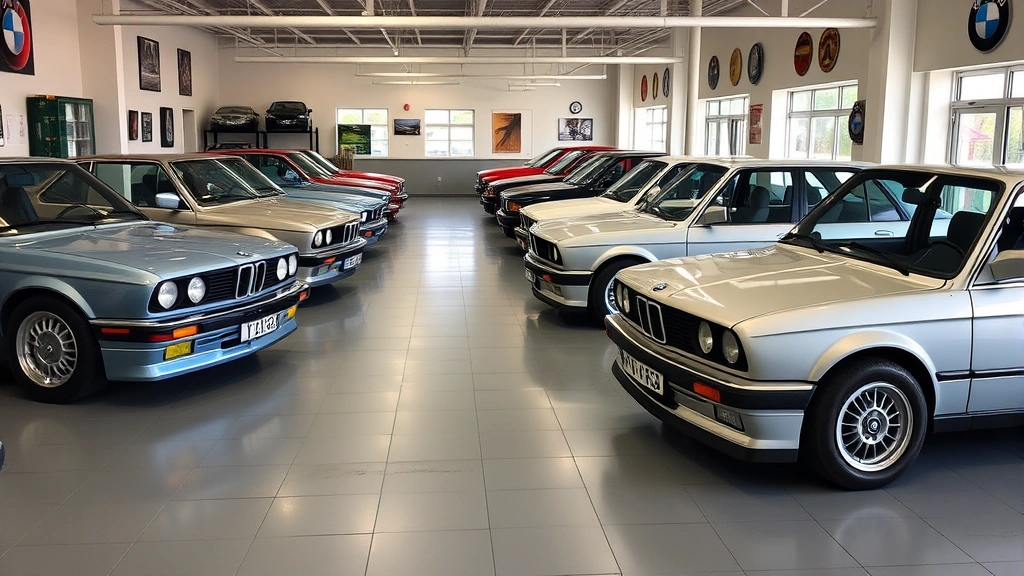
Established classic car dealers provide significant advantages beyond simple inventory access. These businesses maintain relationships with collectors, invest in professional inspections, and often provide limited warranties or guarantees on vehicles. When searching for BMW E30 for sale through dealers, you’re paying a premium for expertise and accountability.
Quality dealers maintain detailed service records, document restoration work, and can provide historical context about individual vehicles. Many operate inspection programs meeting international standards, offering peace of mind that exceeds private party purchases.
Dealer networks specializing in German classics often maintain E30 inventory, given the model’s prominence in enthusiast circles. These specialists understand market values, common failure points, and restoration quality. Establishing relationships with reputable dealers provides access to pre-sale inventory and first notification of exceptional examples.
When evaluating dealers, verify their business history, customer reviews, and whether they provide written warranties. Legitimate operations welcome pre-purchase inspections by independent mechanics and provide transparent vehicle histories.
Auction Houses and Estate Sales
Classic car auctions create opportunities to acquire E30s at fair market prices through transparent bidding processes. Major auction houses like Barrett-Jackson, Bonhams, and RM Sotheby’s feature E30s regularly, with detailed condition reports and extensive photography available before bidding.
Estate and liquidation sales present unique opportunities for acquiring E30s directly from original owners or their families. These situations often result in below-market pricing, as sellers prioritize rapid liquidation over maximizing proceeds. Monitoring estate sale listings in your region can reveal exceptional opportunities.
Government and fleet auctions occasionally feature E30s, though availability varies. Police departments, government agencies, and corporate fleets rarely maintain classic vehicles, but when they do, auction mechanics ensure transparent sales processes and clear title transfer.
Auction participation requires understanding buyer premiums, which typically range from 10-15% above final bid amounts. Factor these costs into your bidding strategy and set maximum limits before participating to avoid emotional bidding escalation.
Private Sellers and Networks
Direct purchases from private sellers often yield the best pricing, as no dealer markup applies. However, private transactions require extensive due diligence and independent verification. Building networks within the E30 community provides access to pre-sale inventory and reliable seller referrals.
BMW enthusiast forums maintain classified sections where members buy and sell vehicles directly. These communities self-police through reputation systems, and members often provide detailed information about vehicle history, maintenance records, and known issues. Participating actively in these communities builds credibility and access to quality listings.
Similar to how people search for garage sales near me, local E30 communities often coordinate group meets where owners display vehicles. These events provide networking opportunities and occasional for-sale opportunities before public listing.
Instagram and specialized automotive social media platforms host active E30 communities where owners share vehicles and connect with potential buyers. Following relevant hashtags and accounts provides real-time market visibility and direct messaging access to sellers.
Word-of-mouth referrals from mechanics, restoration specialists, and enthusiast groups often reveal vehicles for sale before public listing. Building relationships with service providers who work on classic BMWs creates access to insider knowledge and early notification of available inventory.
Evaluating Condition and Authenticity
Comprehensive evaluation separates exceptional purchases from problematic investments. Before committing funds, inspect vehicles thoroughly using standardized checklists covering mechanical systems, body condition, interior quality, and authenticity verification.
Mechanical evaluation requires professional assessment by mechanics experienced with E30 platforms. Critical inspection points include engine condition, transmission operation, cooling system integrity, electrical functionality, and brake system performance. Many E30s have reached 300,000+ miles, making mileage verification and maintenance history essential.
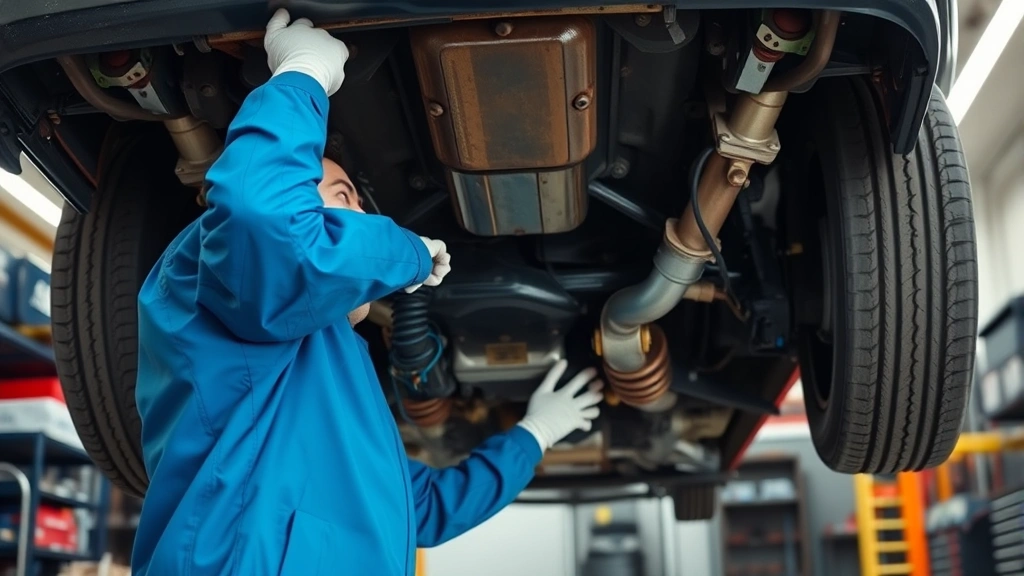
Body and rust assessment determines long-term durability and restoration costs. E30s are susceptible to rust in specific areas: floor pans, door sills, fender bottoms, and trunk floors. Surface rust differs dramatically from structural corrosion, affecting both safety and repair costs. Undercarriage inspection using lifts reveals hidden damage invisible during standard viewing.
Interior condition affects both comfort and authenticity. Original upholstery, door panels, and trim establish provenance and value premium. Reproduction components are readily available, allowing restoration, but original equipment commands higher prices among purists.
Authenticity verification requires examining vehicle identification numbers (VINs), original build documentation, and matching numbers across engine, transmission, and chassis. Mismatches indicate previous damage, rebuilds, or component swaps, affecting both value and insurance classification.
Independent pre-purchase inspections by certified mechanics cost $150-$400 but provide detailed condition reports and estimated repair costs. This investment protects against expensive surprises and strengthens negotiating positions with documentation of needed repairs.
Negotiation Strategies
Armed with market knowledge and condition assessment, strategic negotiation secures better pricing. Most private sellers and dealers anticipate negotiation, building markup into initial asking prices.
Research comparable sales using NADA Guides, which provides detailed classic vehicle valuation data. Documentation of three to five comparable recent sales establishes data-driven negotiating foundation. Present this information professionally without aggressive confrontation.
Inspection findings provide leverage for price reduction. If pre-purchase inspection reveals needed repairs, calculate reasonable costs and propose corresponding price reductions. Sellers often accept modest reductions rather than risk losing motivated buyers.
Timing considerations affect negotiation dynamics. Sellers motivated by rapid liquidation, seasonal transitions, or lifestyle changes demonstrate flexibility. Conversely, sellers with limited inventory pressure maintain firm pricing. Identifying seller motivation provides strategic advantage.
Cash offers often command discounts compared to financed purchases, reducing transaction uncertainty for sellers. If financing is necessary, securing pre-approval demonstrates serious intent and strengthens negotiating credibility.
Walk-away readiness represents the most powerful negotiating tool. Maintaining emotional distance and willingness to pursue alternative options prevents overpaying. Exceptional E30s appear regularly; overcommitting to marginal examples wastes resources and creates buyer’s remorse.
Legal and Financial Considerations
Classic vehicle purchases involve specific legal and financial requirements varying by jurisdiction. Title verification ensures clean ownership transfer and prevents acquisition of stolen or salvage vehicles. Obtain title inspection before payment, verifying no liens, judgments, or claims against the vehicle.
Registration and insurance requirements for classic vehicles differ from standard automobiles. Many jurisdictions offer reduced-rate classic car insurance with mileage restrictions and specific coverage requirements. Verify insurance availability before purchase, as some vehicles present underwriting challenges.
Sales documentation should include bill of sale, title transfer, and disclosure of known defects or issues. Written agreements protect both parties and establish clear expectations. While not legally required in all jurisdictions, written documentation prevents future disputes.
Financing options for classic vehicles differ from standard auto loans. Specialty lenders understand classic car valuation and provide appropriate loan structures. Traditional banks may offer unfavorable terms or decline classic vehicle financing entirely. Pre-arranged financing prevents transaction delays and strengthens purchasing power.
Tax implications vary based on purchase classification and intended use. Personal vehicle purchases typically involve sales tax on acquisition price, though some jurisdictions offer exemptions for vehicles above specific ages. Consult local tax authorities regarding applicable requirements.
Similar to optimizing e-commerce inventory management, maintaining detailed records of all purchase documentation, maintenance expenses, and restoration investments supports future valuation and potential resale. Organized record-keeping demonstrates vehicle care and justifies pricing during future transactions.
FAQ
What is the average price for a BMW E30 in 2024?
E30 pricing varies significantly based on model, condition, and mileage. Standard 318i models typically range from $8,000-$18,000, while 325i variants command $12,000-$25,000. Rare M3 models exceed $50,000, with exceptional examples reaching $80,000+. Regional variations and market conditions affect pricing substantially.
Are BMW E30s good investments?
Historical appreciation demonstrates E30s as solid investments, with values increasing 8-15% annually over the past decade. However, investment returns depend on condition, maintenance, and market cycles. Well-maintained, original examples appreciate more reliably than heavily modified vehicles. Treat E30s as medium-term investments rather than short-term speculation.
What common issues should I check on an E30?
Priority inspection points include cooling system integrity, electrical gremlins (especially dashboard and window regulators), transmission synchronization, suspension bushings, and rust in structural areas. Engine timing chain condition affects long-term reliability, and brake system assessment is safety-critical. Comprehensive pre-purchase inspections identify these issues before purchase.
Should I buy from a dealer or private seller?
Dealers provide accountability, warranties, and professional inspections, justifying premium pricing. Private sellers offer better pricing but require extensive personal due diligence. Choose dealers for peace of mind and warranty protection; private sellers for optimal pricing. Verify seller credibility regardless of channel.
How do I verify an E30’s authenticity and history?
Request original build documentation, service records, and title history. Examine VIN plates and verify matching numbers across engine, transmission, and chassis. Consult BMW archives and enthusiast databases for production records. Professional authentication services provide detailed provenance verification for significant purchases.
What financing options exist for classic vehicles?
Specialty lenders like Hagerty, LendingClub, and regional classic car financiers offer competitive rates for classic vehicles. Traditional banks may finance classics but often require higher down payments and charge premium rates. Compare offerings from multiple lenders before committing, as terms vary significantly.
Do I need special insurance for an E30?
Classic car insurance differs from standard policies, typically offering lower premiums with mileage restrictions and specific coverage requirements. Providers like Hagerty, American Collectors, and specialty insurers understand E30 valuation. Obtain quotes before purchase to understand total ownership costs.