
Where to Buy Bernese Mountain Dogs? Comprehensive Buyer Tips and Market Guide
Finding a Bernese Mountain Dog for sale requires careful research, patience, and understanding of the legitimate marketplace channels available to prospective owners. These majestic Swiss working dogs have become increasingly popular in North America, driving both legitimate breeding operations and unfortunately, some unethical practices. Whether you’re searching for a Bernese Mountain dog for sale through breeders, rescue organizations, or online platforms, knowing where and how to buy ensures you’re making an ethical choice while getting a healthy, well-socialized puppy or adult dog.
The market for purebred dogs has evolved dramatically over the past decade. Online platforms, breed-specific organizations, and traditional breeders now compete for buyers’ attention. Understanding the differences between these channels, evaluating seller credibility, and recognizing red flags can mean the difference between welcoming a healthy companion and facing devastating health or behavioral issues. This guide walks you through every legitimate avenue for finding your next Bernese Mountain Dog while protecting your investment and supporting ethical breeding practices.
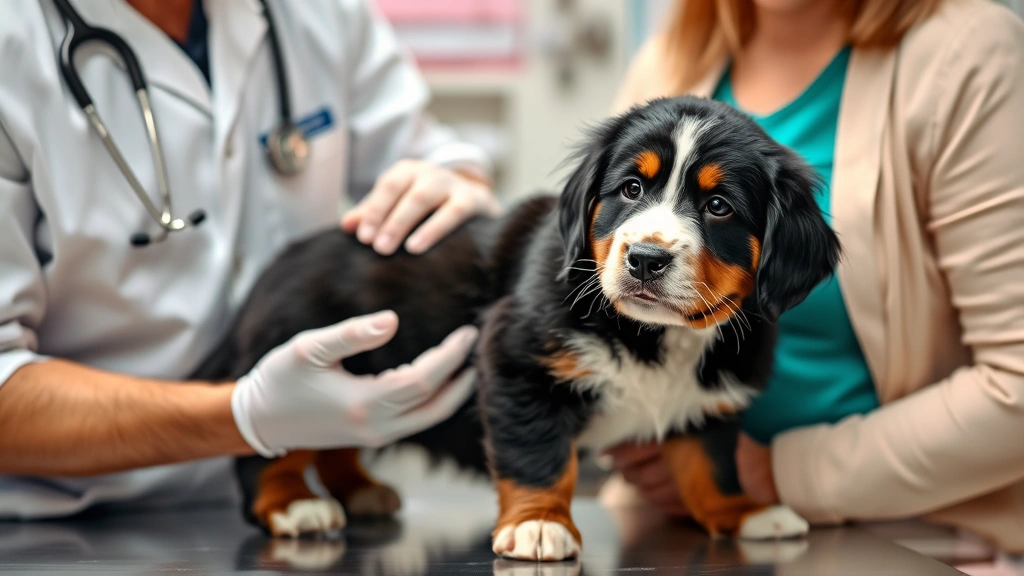
Reputable Breeders: Finding Quality Sources
The foundation of responsible dog ownership begins with finding reputable breeders who prioritize health, temperament, and breed standards. Reputable Bernese Mountain Dog breeders typically invest thousands of dollars in health testing, genetic screening, and proper socialization before puppies ever become available for sale.
Start your search with the American Kennel Club (AKC) marketplace, which lists breeders who meet specific standards and ethical guidelines. The AKC maintains a breeder directory where registered breeders provide contact information and breeding philosophies. Legitimate breeders will have:
- AKC registration for their dogs and litters
- Health certifications from organizations like the Orthopedic Foundation for Animals (OFA)
- References from previous puppy buyers
- Transparency about their breeding practices and dog lineage
- Written contracts with health guarantees
- Willingness to answer detailed questions about their program
When contacting breeders, ask about parent dog health histories, genetic testing results, and whether they participate in breed clubs. Quality breeders often have waiting lists, which paradoxically indicates their reputation and commitment to responsible breeding. A breeder with puppies immediately available might be operating a puppy mill disguised as a small-scale operation.
The Bernese Mountain Dog Club of America maintains a breeder referral list and provides resources for identifying ethical breeders within the community. This organization sets breed standards and encourages health testing, making it a valuable resource for finding trustworthy sources.
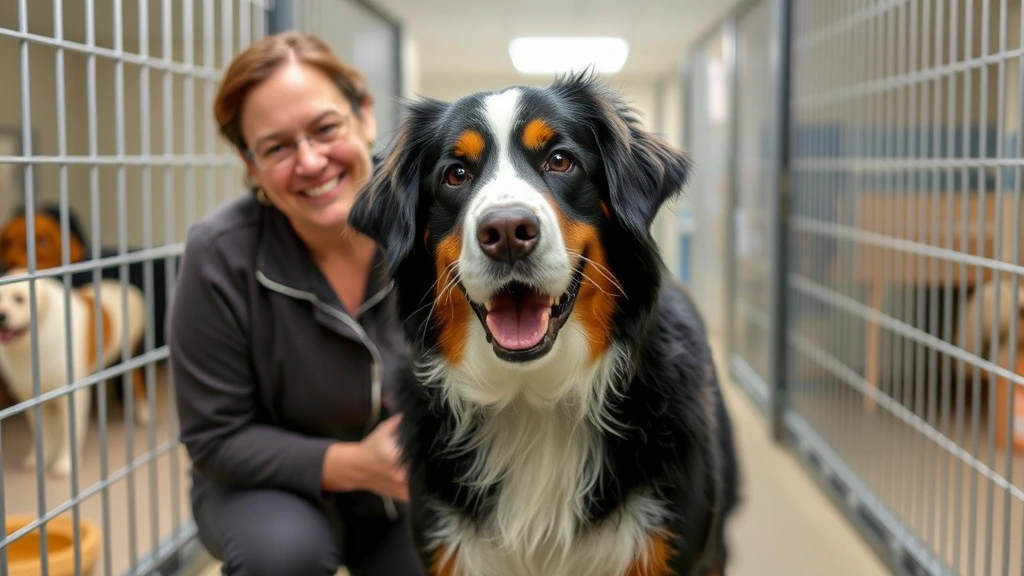
Breed-Specific Rescue Organizations
Adopting a Bernese Mountain Dog from a rescue organization offers significant advantages, including lower costs, often-screened health histories, and the satisfaction of providing a home to a dog in need. Breed-specific rescues focus exclusively on Bernese Mountain Dogs and understand the breed’s unique temperament and requirements.
Bernese Mountain Dog rescue networks operate throughout North America, with many organized as nonprofit organizations. These rescues typically:
- Assess dogs’ health, behavior, and compatibility with families
- Provide veterinary care and necessary treatments
- Offer post-adoption support and guidance
- Have adoption fees ranging from $200-$600, significantly less than breeder puppies
- Often include spay/neuter services and initial vaccinations
Search online for Bernese Mountain Dog rescue groups in your region. Many operate through social media platforms, making them easy to contact and follow for available dogs. Unlike general shelters, breed-specific rescues have experienced handlers who understand Bernese temperament and can match dogs with appropriate families.
General animal shelters and rescues occasionally have Bernese Mountain Dogs available. While less common than mixed breeds, checking local shelter websites and signing up for alerts increases your chances of finding available dogs. Shelter staff can provide information about each dog’s background and needs.
Online Marketplaces and Directories
Digital platforms have transformed how buyers and sellers connect in the dog market. Several legitimate online directories help buyers find available Bernese Mountain Dogs while filtering out disreputable sellers.
Specialized dog marketplaces include NextDayPets and PuppyFind, which feature listings from verified breeders. These platforms conduct background checks on sellers and provide buyer protections. However, thorough vetting of individual breeders remains essential, as these platforms cannot guarantee breeder quality.
General classifieds sites like Craigslist and Facebook Marketplace host numerous dog listings, but require extreme caution. These platforms lack verification mechanisms and attract scammers. If using these channels, always meet sellers in person, request health documentation, and verify their legitimacy through independent means.
The AKC Marketplace offers the most reliable online directory, as only registered breeders can list puppies. This significantly reduces fraud and scam risks compared to general platforms.
Dog Shows and Breed Clubs
Attending dog shows and breed club events connects you directly with experienced breeders and enthusiasts passionate about Bernese Mountain Dogs. These venues provide opportunities to see multiple dogs, evaluate breed standards, and build relationships with reputable breeders.
The American Kennel Club hosts dog shows throughout the year where Bernese Mountain Dogs compete and breeders exhibit their dogs. Attending these events allows you to:
- Observe multiple dogs and breeders in one location
- Ask breeders about their breeding philosophies and available puppies
- Meet other breed enthusiasts and gather recommendations
- Understand breed standards and what constitutes quality
- Build trust through face-to-face interactions
Breed clubs organize specialty shows, training seminars, and social events exclusively for Bernese Mountain Dogs. These gatherings attract serious breeders and knowledgeable owners who can provide invaluable guidance. Membership in breed clubs often comes with access to breeder lists and community resources.
Health Testing and Certifications
Health testing separates responsible breeders from careless operators. Bernese Mountain Dogs are prone to specific genetic conditions, including hip dysplasia, elbow dysplasia, and certain cancers. Reputable breeders test parent dogs before breeding to minimize these risks.
Essential health certifications include:
- OFA Certifications: The Orthopedic Foundation for Animals evaluates dogs for hip and elbow dysplasia, issuing certificates for dogs meeting standards
- PennHIP Testing: An alternative hip evaluation method that some breeders prefer, providing detailed biomechanical analysis
- Eye Examinations: CERF (Canine Eye Registration Foundation) certifications confirm eye health
- Cardiac Evaluations: Screening for heart conditions common in the breed
- Genetic Testing: DNA tests for hereditary conditions increasingly available for Bernese Mountain Dogs
Request health testing documentation for both parent dogs before purchasing a puppy. Reputable breeders openly share these records and can explain results. Absence of health testing documentation indicates a breeder prioritizing profit over puppy welfare.
Pricing and Financial Considerations
Bernese Mountain Dog prices vary significantly based on breeder reputation, location, and pedigree. Understanding pricing helps identify fair deals and recognize overpriced or suspiciously cheap puppies.
Typical pricing ranges:
- Reputable breeders: $1,500-$3,500 per puppy
- Show-quality dogs: $3,000-$5,000+
- Rescue organizations: $200-$600
- Puppy mills and backyard breeders: $500-$1,200 (often cheaper but with hidden health costs)
Suspiciously low prices ($500-$800 from unknown breeders) frequently indicate puppy mills or scams. These operations cut corners on health testing, socialization, and veterinary care, resulting in puppies with behavioral and health problems requiring expensive treatment later.
Conversely, exceptionally high prices don’t guarantee quality. Research individual breeders regardless of their asking price. Some charge premium prices without justifying costs through superior health testing or breed standards.
Factor additional costs into your budget beyond the initial purchase price. Bernese Mountain Dogs require:
- Veterinary care and vaccinations: $500-$1,000 annually
- Quality dog food: $100-$200 monthly
- Training and socialization: $500-$2,000
- Health emergencies and unexpected treatment: $1,000-$10,000+
Consider pet insurance, which costs $30-$70 monthly for large breed dogs and can significantly reduce unexpected veterinary expenses.
Red Flags and Warning Signs
Identifying disreputable sellers protects you from scams, health problems, and unethical breeding practices. Watch for these warning signs:
Breeder Red Flags:
- Unwillingness to provide health testing documentation or references
- Pressure to purchase quickly or pay deposits without meeting the dog
- Multiple litters available simultaneously (indicates puppy mill operation)
- Refusal to allow home visits or meet in person
- No written contract or health guarantee
- Vague answers about breeding practices or dog lineage
- Accepting payment through untraceable methods like wire transfer or cryptocurrency
- Shipping puppies without allowing in-person evaluation
- Claiming rare colors or sizes that don’t match breed standards
- Operating without business licenses or proper registration
Online scams frequently involve stolen photos from legitimate breeders’ websites. Reverse image searches can verify if photos appear elsewhere online, indicating potential fraud.
Legal Protections and Contracts
Legitimate breeders provide written contracts protecting both parties and ensuring ethical ownership standards. Understanding contract components helps identify responsible sellers and protects your investment.
Essential contract elements include:
- Health Guarantees: Specific coverage for genetic conditions, typically 1-2 years
- Return Clauses: Requirements for returning dogs if circumstances change
- Breeding Restrictions: Clauses preventing puppy resale or breeding without permission
- Spay/Neuter Requirements: Many breeders require sterilization of pet-quality dogs
- Lifetime Support: Breeders’ commitment to help if problems arise
- Payment Terms: Clear pricing, deposit policies, and payment schedules
Never purchase a dog without a written contract. Verbal agreements provide no legal recourse if problems develop. Contracts protect you financially and ensure the breeder maintains responsibility for the dog’s welfare.
Research your state and local regulations regarding dog sales. Some jurisdictions have specific consumer protection laws for pet purchases, including mandatory health certifications and cooling-off periods.
Consider working with escrow services when purchasing from sellers outside your immediate area. These services hold payment until you receive the dog and verify its health and condition, reducing fraud risk.
If purchasing from out-of-state breeders, understand transportation logistics and health requirements. Reputable breeders typically arrange safe, humane transport and ensure health documentation for interstate travel. Airlines and professional pet transport services offer options, though costs add $500-$1,500 to your total expense.
FAQ
How much does a Bernese Mountain Dog cost on average?
Reputable breeders typically charge $1,500-$3,500 for puppies, while rescue organizations offer dogs for $200-$600. Prices vary based on breeder reputation, location, and whether you’re purchasing a pet-quality or show-quality dog. Extremely low prices often indicate puppy mills or scams.
What health tests should Bernese Mountain Dog parents have?
Responsible breeders test parent dogs for hip dysplasia (OFA or PennHIP), elbow dysplasia (OFA), eye conditions (CERF), heart health (cardiac evaluation), and genetic markers for hereditary diseases. Request documentation of all testing before purchasing a puppy.
Is adopting from rescue better than buying from breeders?
Both options have merits. Rescue dogs are less expensive and provide homes for dogs in need, though history information may be limited. Breeders offer predictable genetics and health testing, though at higher cost. Your choice depends on personal preferences, budget, and what you’re seeking in a dog.
How can I avoid puppy mill scams?
Verify breeders through the AKC marketplace, request health documentation, meet dogs in person when possible, check references from previous buyers, and avoid wire transfers or untraceable payments. Legitimate breeders willingly provide proof of their breeding practices and dog health testing.
What questions should I ask potential breeders?
Ask about parent dog health testing, genetic history, available puppies’ expected traits, socialization practices, contract terms, health guarantees, and what happens if you can’t keep the dog. Request references from previous buyers and the ability to meet parent dogs.
Are online puppy marketplaces safe?
Reputable platforms like the AKC Marketplace and NextDayPets verify breeders, but general sites like Craigslist lack verification. Always meet sellers in person, request health documentation, and independently verify breeder legitimacy regardless of platform.
What should a puppy contract include?
Comprehensive contracts include health guarantees, return policies, spay/neuter requirements, breeding restrictions, payment terms, and the breeder’s commitment to lifetime support. Never purchase without a written contract, as verbal agreements provide no legal protection.