Ford F350 Tremor Deals: Trusted Listings Guide for Buyers
The Ford F-350 Super Duty Tremor has emerged as one of the most sought-after heavy-duty trucks in today’s marketplace, combining rugged capability with modern comfort features. Whether you’re a contractor, fleet manager, or serious enthusiast, finding the right Ford F350 Tremor for sale requires understanding market dynamics, pricing trends, and where to locate trusted listings. This comprehensive guide walks you through everything you need to know to secure the best deal on this powerhouse vehicle.
The Tremor package specifically targets off-road enthusiasts and professionals who need enhanced suspension, protective underbody components, and all-terrain readiness. As demand continues to surge, knowing how to navigate dealer networks, private sales, and online marketplaces becomes increasingly valuable. We’ll explore proven strategies for finding legitimate listings, evaluating pricing, and making informed purchasing decisions in the current automotive marketplace.
Understanding the Ford F350 Tremor Package
The F-350 Super Duty Tremor represents Ford’s premium off-road offering in the heavy-duty segment. This specialized package includes factory-installed upgrades that differentiate it from standard F-350 models. Understanding what makes the Tremor unique helps you identify authentic listings and assess whether a vehicle matches your requirements.
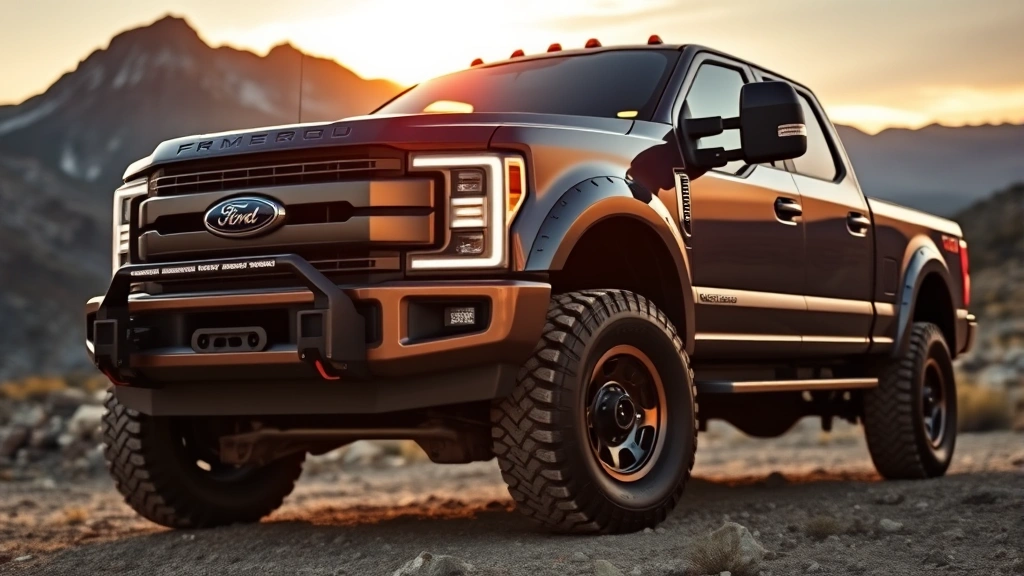
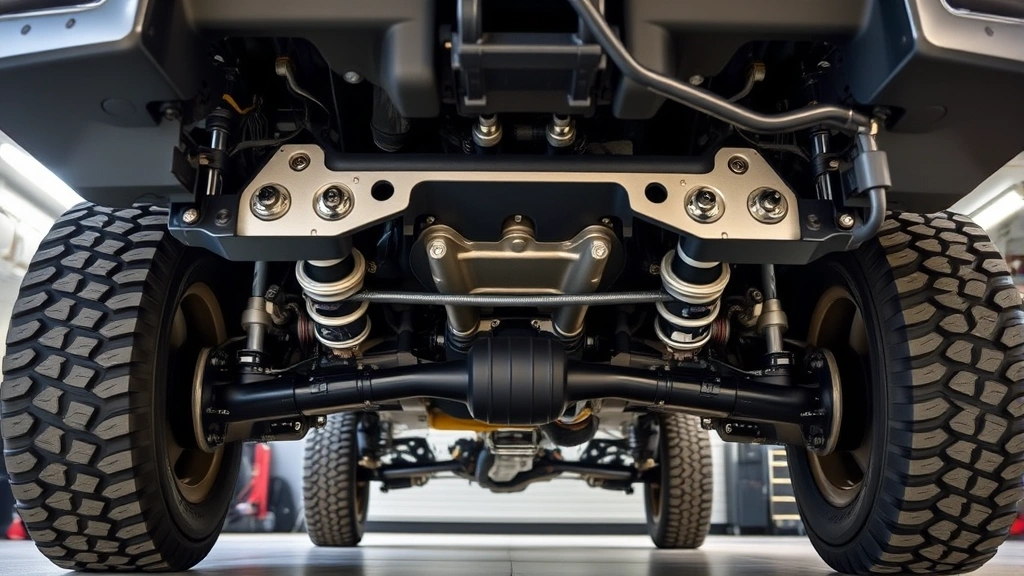
Key Tremor package features include reinforced front and rear bumpers designed for winching, integrated skid plates protecting critical undercarriage components, and an upgraded suspension system engineered for rough terrain. The package also incorporates all-terrain tires, specialized badging, and interior appointments that reflect its premium positioning. Ford has continuously refined the Tremor package across model years, so knowing the year-specific features helps you evaluate listings accurately.
The F-350 platform itself offers multiple engine options, typically including a 6.7-liter Power Stroke diesel and a 7.3-liter gasoline variant. Transmission choices include the TorqShift 10-speed automatic, which significantly impacts resale value and buyer appeal. When reviewing Ford F350 Tremor for sale listings, these mechanical specifications should weigh heavily in your evaluation.
Current Market Pricing and Availability
Understanding current market conditions is essential for identifying genuine deals versus overpriced listings. The heavy-duty truck market has experienced significant fluctuations in recent years, influenced by supply chain constraints, fuel prices, and economic factors affecting commercial and personal vehicle purchases.
As of recent market analyses, Ford F-350 Tremor models typically range from $65,000 to $95,000 depending on model year, mileage, condition, and regional factors. Newer model years command premium prices, while trucks with higher mileage offer better value propositions for budget-conscious buyers. The diesel variant generally costs $5,000 to $10,000 more than gasoline models but offers superior long-term fuel economy for heavy-use applications.
Market availability varies seasonally and geographically. Rural markets and agricultural regions often have better inventory than urban centers. Winter months typically see increased availability as commercial operators upgrade fleets before spring projects. Monitoring these patterns helps you time your purchase strategically. Using Facebook Marketplace and online classifieds provides real-time visibility into regional pricing trends and inventory levels.
Where to Find Trusted Listings
Locating reliable Ford F350 Tremor listings requires exploring multiple channels simultaneously. Each source offers distinct advantages and requires different evaluation approaches. A diversified search strategy maximizes your chances of finding quality vehicles at competitive prices.
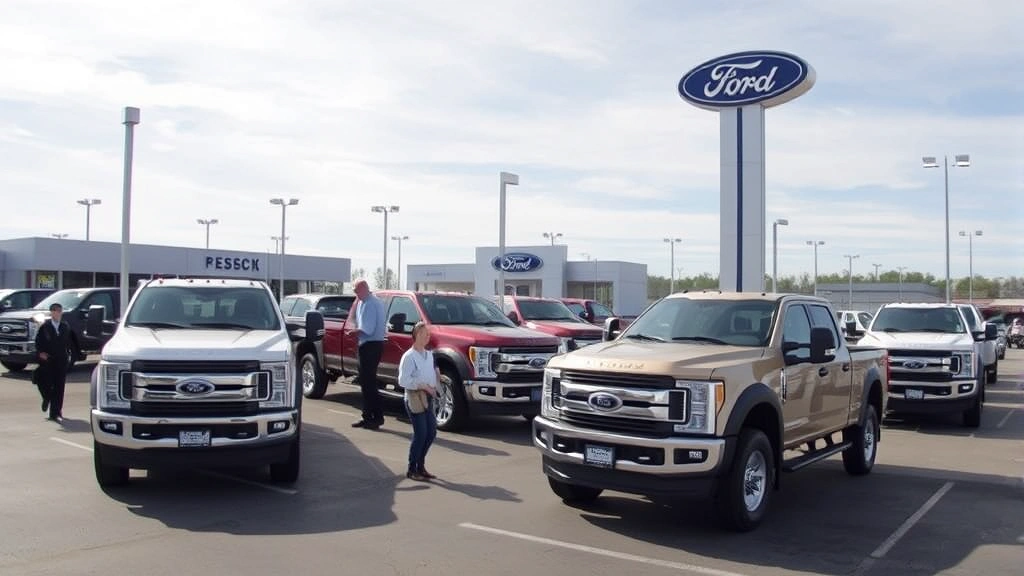
Authorized Ford Dealerships represent the safest listing source, offering certified pre-owned programs with warranty protection and detailed service histories. While prices may be slightly higher than private sales, the accountability and transparency justify the premium for many buyers. Major dealership networks maintain dedicated heavy-duty truck inventories and can order specific configurations if needed.
Online Automotive Marketplaces like Autotrader, Cars.com, and Edmunds aggregate listings from dealers and private sellers, providing comparison tools and market data. These platforms verify seller information and offer buyer protection mechanisms. Their analytics tools help track pricing trends across regions and time periods, enabling data-driven negotiation strategies.
Commercial Vehicle Specialists focus specifically on heavy-duty trucks and often maintain larger Tremor inventories than general dealerships. These dealers understand contractor needs and can articulate package benefits effectively. They frequently offer fleet discounts and bulk purchasing options valuable for business operators.
Private Seller Networks and classified platforms provide opportunities for below-market pricing, particularly for well-maintained vehicles sold by original owners. However, private sales require more due diligence regarding vehicle history, mechanical condition, and title clarity. Platforms like Craigslist and local Facebook groups require careful vetting but occasionally yield exceptional deals.
Auction and Fleet Liquidation Services offer another avenue for deal-seekers. Rental company returns, corporate fleet vehicles, and lease buyouts frequently appear at auctions with substantial discounts. Understanding auction terminology and inspection processes is crucial for success in this channel.
Evaluating Dealer vs. Private Sales
Choosing between dealer and private sales involves weighing multiple factors beyond price alone. Each option presents distinct advantages and risks requiring careful consideration based on your circumstances.
Dealer Advantages: Authorized dealers provide warranty coverage, typically 30 to 90 days on used vehicles, protecting against immediate mechanical failures. They conduct professional inspections and maintain detailed service records. Dealership financing often offers competitive rates, and they handle all paperwork and title transfer requirements. For business purchases, dealers may offer fleet programs with volume discounts and simplified accounting processes.
Dealer Disadvantages: Dealer markups typically range from 10-20% above wholesale value, meaning you’ll pay premium prices. Selection may be limited to what’s currently in inventory rather than exactly what you need. Dealer negotiations require more formal engagement, though this reduces manipulation risks.
Private Sale Advantages: Direct sales from owners typically offer 15-25% savings compared to dealer pricing. You can negotiate more flexibly and potentially structure deals creatively, such as accepting partial trade-ins or equipment trades. Personal conversations with owners often reveal detailed maintenance histories and usage patterns unavailable in formal dealer environments.
Private Sale Disadvantages: Lack of warranty protection means you assume all mechanical risk immediately upon purchase. Title complications, outstanding loans, or undisclosed damage can create expensive problems. Verification of vehicle history requires independent research and professional inspections. Legal protections are minimal compared to dealer transactions, requiring careful documentation of all agreements.
Negotiation Strategies and Tips
Successful negotiation requires preparation, knowledge, and strategic communication. Whether dealing with dealers or private sellers, these proven techniques improve your chances of securing favorable terms.
Research Market Comparables: Before negotiating, analyze 10-15 similar vehicles sold in your region during the past 30 days. Note mileage, condition, features, and final selling prices. This data provides objective pricing benchmarks and strengthens your negotiating position. NADA Guides and Kelley Blue Book offer comprehensive valuation tools specific to the F-350 Tremor package.
Get Independent Inspections: Hire a certified mechanic to perform pre-purchase inspections before committing to negotiations. This $150-300 investment often prevents thousands in post-purchase repairs. Share inspection results with sellers, using identified issues as negotiation leverage. Transparent inspection processes build trust and often lead to more productive discussions.
Understand Total Cost of Ownership: Negotiate beyond purchase price to include registration, title transfer, and warranty terms. Calculate fuel costs, insurance premiums, and maintenance expenses over your ownership period. Diesel F-350s cost more upfront but may offer superior long-term economics for high-mileage operators. Comprehensive cost analysis helps you evaluate whether apparent price advantages actually benefit your situation.
Make Strategic First Offers: Research suggests initial offers should target 10-15% below asking prices for dealer inventory and 20-25% below asking prices for private sales. This anchors negotiations favorably while remaining reasonable enough to encourage counter-offers. Extreme lowball offers often terminate negotiations entirely.
Leverage Timing: Month-end and quarter-end negotiations often yield better results as dealers face sales quotas and incentive structures. Off-season periods (winter for summer-use vehicles, summer for winter-use vehicles) typically feature more flexible sellers. Demonstrating genuine buying intent and timeline flexibility strengthens your negotiating position.
Explore Financing Leverage: Dealers earn substantial profits through financing arrangements. Obtaining pre-approval from external lenders (banks, credit unions) empowers you to negotiate more effectively. You can then accept dealer financing if competitive, or use external approval as negotiating leverage.
Inspection Checklist Before Purchase
Comprehensive pre-purchase inspections separate informed buyers from those who discover problems after purchasing. This detailed checklist covers critical areas requiring evaluation before committing funds.
Exterior Inspection: Examine paint consistency across all panels, noting significant variations suggesting previous collision repairs. Check for rust, particularly around wheel wells, door frames, and undercarriage areas. Tremor models should show appropriate badging and package-specific components like reinforced bumpers. Verify all lights function, tires display adequate tread depth, and suspension components show no obvious damage or excessive wear.
Interior Evaluation: Test all electrical systems including power windows, locks, seat adjustments, and climate controls. Examine upholstery and carpet for excessive wear, stains, or odors suggesting flood damage or poor maintenance. Verify all dashboard gauges respond appropriately. Check that audio systems, navigation, and connectivity features function as advertised. Tremor models should include appropriate interior appointments reflecting their premium positioning.
Mechanical Assessment: Start the engine and listen for unusual noises, rough idling, or warning lights. Verify transmission shifts smoothly and responsively. Check fluid levels and condition, noting any leaks under the vehicle. Test braking response, steering responsiveness, and suspension comfort. Examine engine compartment for cleanliness and proper maintenance, as this often indicates overall vehicle care quality.
Documentation Review: Request complete service records documenting regular maintenance intervals. Verify the vehicle history report matches seller descriptions and contains no title issues, salvage designations, or accident history. Confirm ownership documentation, ensuring the seller has clear title authority. For commercial vehicles, review warranty documentation and any extended service contracts.
Test Drive Protocol: Conduct test drives on varied road conditions including highways, city streets, and if possible, light off-road terrain. This reveals how the vehicle performs under different conditions and whether the Tremor package delivers promised capabilities. Listen for transmission noise, engine knocking, or suspension complaints. Test all safety features including backup camera, blind-spot detection, and emergency braking systems.
Financing Options and Trade-In Value
Understanding financing alternatives and trade-in valuation empowers you to structure the most economical transaction. The F-350 Tremor’s price point makes financing decisions particularly impactful on total cost of ownership.
Dealer Financing: Authorized dealerships typically offer competitive rates through captive finance companies and established lending relationships. Dealer financing simplifies transactions and often includes special incentives like cash rebates or reduced rates. However, dealer rates may not match the best available terms from external lenders. Always request the Annual Percentage Rate (APR) and compare it against independent options.
Bank and Credit Union Loans: Traditional lenders frequently offer better rates than dealer financing, particularly for well-qualified borrowers. Pre-approval strengthens your negotiating position and clarifies your budget constraints. Credit unions often provide superior terms for members, making membership worthwhile if you qualify. These institutions typically require higher down payments (20-25%) but offer flexible terms and transparent pricing.
Lease Options: While less common for heavy-duty trucks, some Ford dealerships offer lease programs for business operators. Leasing preserves capital, provides warranty coverage, and simplifies fleet management. However, mileage restrictions and usage limitations make leasing impractical for many commercial applications. Evaluate leasing only if your annual mileage remains predictable and relatively modest.
Trade-In Valuation: If trading in an existing vehicle, obtain independent appraisals before negotiating with dealers. Kelley Blue Book and NADA Guides provide market-based valuations, but actual trade-in offers may vary. Dealers often undervalue trade-ins to protect their margins, making external sales potentially more profitable. Consider selling your current vehicle privately if the dealer’s offer falls significantly below market value.
Down Payment Strategy: Larger down payments reduce loan amounts and total interest costs. However, they also reduce available capital for other business needs. Calculate the break-even point between maintaining liquidity and minimizing financing costs. For business vehicles, consider tax implications of down payment timing and depreciation strategies.
Understanding B2B sales financing structures helps commercial buyers optimize transaction economics. Many dealers offer special fleet financing programs with volume discounts and simplified administration that improve overall profitability.
FAQ
What distinguishes the Tremor package from standard F-350 models?
The Tremor package includes factory-installed off-road enhancements such as reinforced bumpers with winch provisions, integrated skid plates, upgraded suspension geometry, all-terrain tires, and specialized interior appointments. These factory modifications provide better resale value and warranty coverage compared to aftermarket alternatives. Tremor branding also appeals to enthusiasts and commercial operators seeking premium off-road capability.
How do I verify that a listing actually includes the Tremor package?
Request the Monroney label (window sticker) and detailed build specification documentation from the seller or dealer. Verify Tremor badging on the exterior and confirm package-specific features like reinforced bumpers and skid plates are present. Contact Ford directly with the Vehicle Identification Number (VIN) to confirm original factory specifications. Private sellers should provide documentation proving the package was present at original purchase.
What’s the typical price difference between diesel and gasoline F-350 Tremors?
Diesel models typically command $5,000 to $10,000 premiums over comparable gasoline versions, reflecting superior fuel economy and towing capacity. However, diesel maintenance costs and fuel prices may offset initial savings for lower-mileage operators. Analyze your anticipated annual mileage and operating patterns to determine which powertrain offers superior long-term economics for your situation.
Are certified pre-owned F-350 Tremors worth the additional cost?
Certified pre-owned vehicles include warranty coverage, thorough inspections, and manufacturer backing that provide valuable protection. For business-critical applications, the warranty peace-of-mind justifies the premium. However, if you can thoroughly inspect vehicles and arrange independent warranties, non-certified pre-owned options may offer superior value. Evaluate your risk tolerance and operational requirements when deciding.
What should I know about F-350 Tremor maintenance costs?
Heavy-duty truck maintenance is more expensive than standard pickups, with routine service costs ranging from $200-400 quarterly. Diesel engines require more frequent oil changes and filter replacements but offer longer service intervals between major maintenance. Budget for unexpected repairs, particularly for complex electronic systems and emissions components. Extended service contracts available through dealers can provide cost predictability for fleet operations.
How do I avoid scams when buying from private sellers?
Meet sellers in public locations during daylight hours and bring a trusted companion. Verify ownership through the state DMV and confirm the seller’s identity matches title documentation. Obtain a pre-purchase inspection from an independent mechanic before transferring funds. Use secure payment methods that provide fraud protection rather than cash or wire transfers. Be suspicious of prices significantly below market value or sellers unwilling to provide documentation.
Can I negotiate extended warranties on used F-350 Tremors?
Yes, extended warranties are negotiable, particularly on dealer transactions. Third-party warranty providers often offer more competitive pricing than dealership programs. However, verify coverage details carefully, including what components are covered, deductible amounts, and claim procedures. For vehicles approaching 60,000+ miles, extended warranties become increasingly valuable as factory coverage expires.