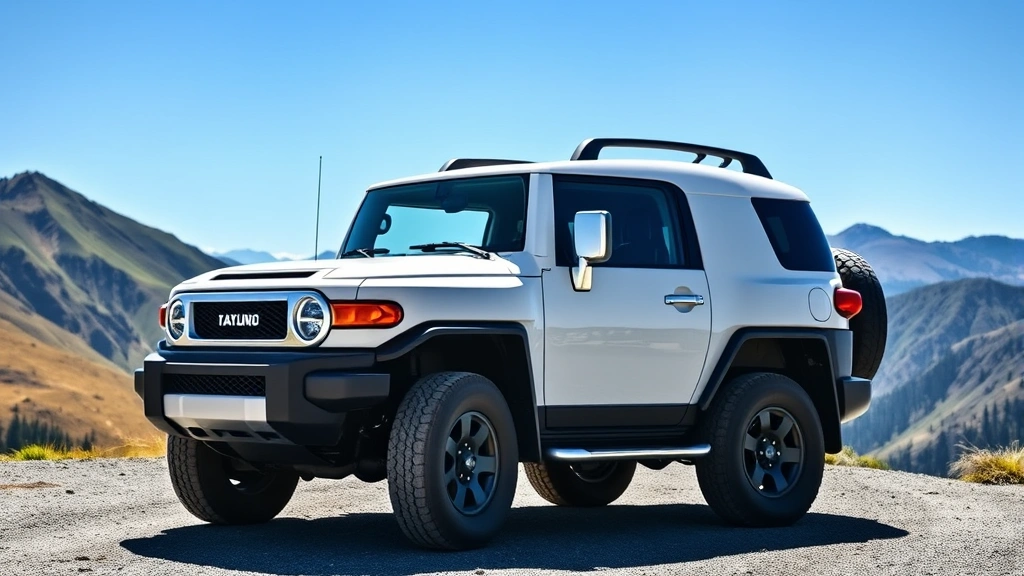
Find an FJ Cruiser for Sale? Market Insights for Buyers and Sellers
The FJ Cruiser remains one of the most sought-after vehicles in the used car market, commanding strong prices and attracting enthusiasts worldwide. Whether you’re searching for your dream off-road companion or considering selling your FJ Cruiser, understanding current market dynamics is essential. This comprehensive guide explores pricing trends, where to find quality listings, and strategic insights for navigating the FJ Cruiser marketplace in 2024.
Toyota’s FJ Cruiser production ended in 2014, making every remaining model increasingly valuable to collectors and adventure seekers. The discontinuation has created a unique market situation where supply constraints drive demand and prices upward. If you’re actively hunting for an FJ Cruiser for sale, you’re entering a competitive landscape that requires knowledge, patience, and strategic shopping.
Current FJ Cruiser Market Trends
The FJ Cruiser market has experienced remarkable growth over the past five years. According to Manheim’s automotive market reports, specialty vehicles like the FJ Cruiser have seen consistent appreciation. The used vehicle market overall remains robust, but niche vehicles with loyal followings demonstrate particularly strong resilience.
Several factors contribute to the FJ Cruiser’s market strength. First, Toyota’s reputation for reliability ensures buyers trust the mechanical integrity of these vehicles. Second, the vehicle’s distinctive design and off-road capabilities appeal to a dedicated enthusiast community. Third, the end of production creates artificial scarcity that supports pricing. Finally, social media and online communities have amplified interest in FJ Cruisers, connecting buyers with sellers globally.
Market data indicates that FJ Cruiser prices have increased approximately 15-25% over the past three years, outpacing general used vehicle market growth. This trend suggests strong investment potential for buyers willing to hold their vehicles. The market shows no signs of cooling, particularly for well-maintained examples with lower mileage.
Pricing Analysis and Valuation
Understanding FJ Cruiser pricing requires examining multiple variables. Model year, mileage, condition, color, and optional features all significantly impact value. A 2014 FJ Cruiser with average mileage typically ranges from $28,000 to $36,000, depending on location and specific condition. Earlier model years command lower prices, but the difference narrows as scarcity increases.
Mileage plays a critical role in pricing. FJ Cruisers with under 100,000 miles command premium prices, often 20-30% above average market value. Conversely, high-mileage examples (150,000+ miles) may see 10-15% discounts, though mechanical condition matters more than odometer readings for these vehicles. Many FJ Cruisers have been meticulously maintained by enthusiasts who prioritize reliability over minimizing usage.
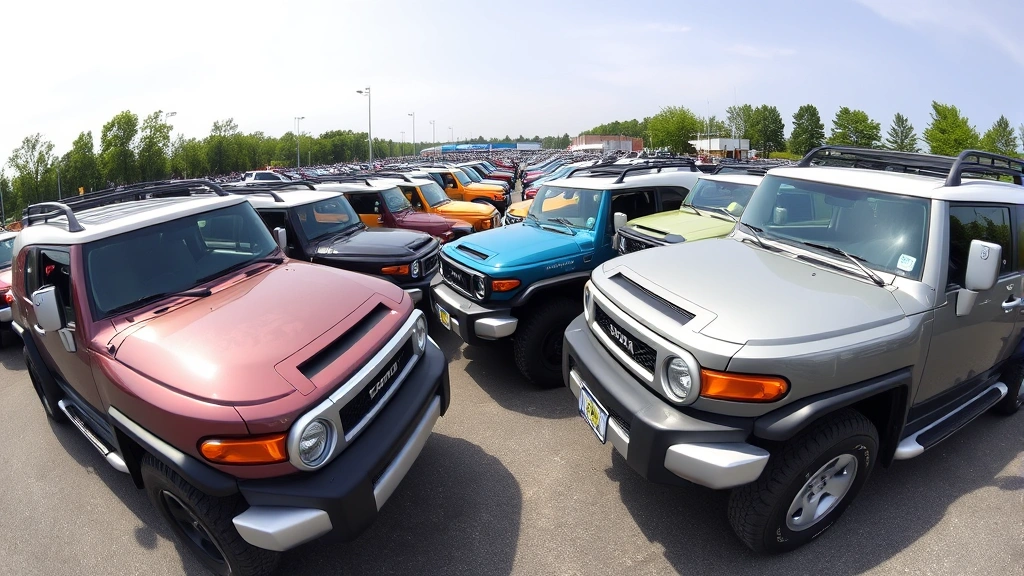
Color significantly influences value. The signature FJ Cruiser colors—Voodoo Blue, Army Green, and Cement—attract premium interest. Silver and black models typically sell at slightly lower prices but move faster. Rare colors or special editions command substantial premiums. Building an effective e-commerce strategy for automotive sales requires understanding these nuanced pricing factors.
Optional features including upgraded audio systems, navigation, sunroofs, and factory skid plates add value. Aftermarket modifications present more complex pricing scenarios. Quality upgrades like suspension enhancements or protective equipment may increase value for specific buyers, while modifications that deviate from original specifications sometimes decrease appeal to purists.
Where to Find FJ Cruisers for Sale
Successful FJ Cruiser hunting requires knowing where to look. Traditional platforms like Cars.com and Autotrader maintain extensive FJ Cruiser listings. These platforms offer filtering capabilities, vehicle history reports, and dealer verification features that provide security for buyers.
Facebook Marketplace has become increasingly popular for FJ Cruiser transactions, offering direct buyer-seller communication and regional filtering. The platform’s lower fees compared to traditional dealers attract private sellers, often providing better negotiation flexibility. However, buyers must exercise caution regarding fraud and verification.
Craigslist remains relevant despite its reputation challenges. Setting up saved searches for your region enables daily notifications when new FJ Cruisers appear. The platform’s local focus reduces shipping complications and allows in-person inspections before purchase commitment.
Specialty automotive marketplaces like Bring a Trailer cater to enthusiasts and collectors. These platforms feature auction-style listings that often result in premium prices but ensure transparent bidding processes. The audience overlap with FJ Cruiser communities makes these venues particularly effective.
Toyota-specific forums and FJ Cruiser owner groups maintain classified sections. These communities provide insider knowledge about seller reputation and vehicle history. Engaging with community members before purchasing offers valuable insights into common issues, reliable maintenance shops, and fair market pricing.
Evaluating Condition and Mileage
Assessing an FJ Cruiser’s condition requires thorough inspection across multiple dimensions. Mechanical integrity represents the foundation. Request complete service records documenting regular maintenance, timing belt replacement (critical around 100,000 miles), and transmission servicing. FJ Cruisers with documented service histories command premiums and indicate owner commitment to reliability.
Exterior condition assessment should examine rust patterns, particularly on the undercarriage and around window seals. FJ Cruisers operated in salt-heavy environments may show accelerated corrosion despite their reputation for durability. Paint condition, body panel alignment, and glass condition provide indicators of accident history and overall care.
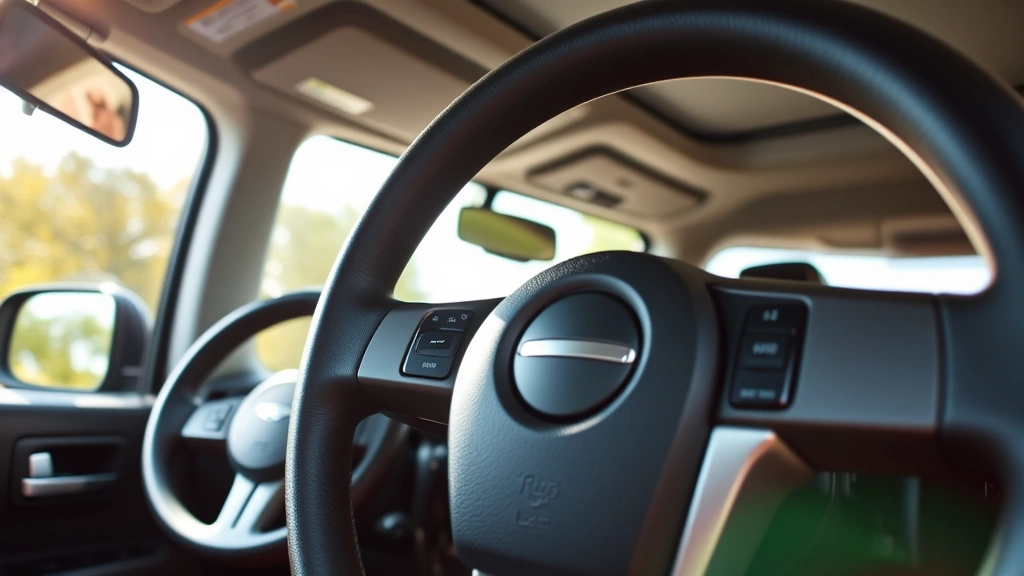
Interior evaluation focuses on seat condition, dashboard cracking (common on older models), and climate control functionality. Check all electronic features including the backup camera, audio system, and power windows. Smell the interior for signs of water intrusion or mold, indicating previous flooding or moisture issues.
Off-road capability assessment matters for buyers planning adventure use. Examine suspension components, undercarriage damage, and tire condition. Lifted vehicles require evaluation of lift quality and potential modifications affecting reliability. Test drive performance across varied terrain if possible, noting transmission smoothness, engine responsiveness, and brake feel.
Request pre-purchase inspections from certified Toyota mechanics. These professional evaluations cost $150-300 but provide invaluable documentation protecting your investment. Many sellers appreciate serious buyers investing in inspections, as it demonstrates genuine interest and facilitates smoother transactions.
Negotiation Strategies for Buyers
Entering negotiations with knowledge and preparation significantly impacts final pricing. Research comparable listings across all major platforms to establish realistic market ranges. Document pricing variations by mileage, color, and condition to support your position.
Identify legitimate negotiation leverage without offending sellers. Mechanical issues discovered during inspection provide factual negotiation basis. Necessary maintenance expenses—brake service, tire replacement, fluid changes—offer concrete justification for price adjustments. Present repair estimates from local mechanics to substantiate claims.
Timing influences negotiation outcomes. End-of-month or end-of-quarter periods sometimes motivate sellers needing to close transactions. Weather patterns affect FJ Cruiser sales, with winter months potentially yielding better negotiation positions in northern climates. Private sellers may accept lower offers than dealers, though dealer inventory guarantees provide additional buyer protection.
Make reasonable opening offers supporting counter-negotiation space. Offering 5-10% below asking prices typically initiates productive dialogue without insulting sellers. Be prepared to walk away if negotiations stall or expectations diverge significantly. The FJ Cruiser market’s strength means quality vehicles appear regularly, reducing pressure to accept unfavorable terms.
Consider non-price negotiation elements. Flexible closing timelines, assumption of pending maintenance, or purchase of additional components (spare parts, aftermarket accessories) can satisfy seller needs without reducing your cash outlay. These creative approaches often prove more acceptable than pure price reductions.
Selling Your FJ Cruiser Successfully
If you’re on the opposite side of the transaction, positioning your FJ Cruiser for maximum appeal requires strategic preparation. Begin with comprehensive detailing addressing both cosmetic and mechanical presentation. Professional exterior washing, waxing, and interior cleaning create favorable first impressions. Address minor cosmetic issues—burnt-out bulbs, cracked trim, worn floor mats—that signal poor maintenance.
Document your vehicle’s complete history. Compile service records, maintenance receipts, warranty information, and any modification documentation. This transparency justifies premium pricing and accelerates sales by reducing buyer uncertainty. Digital organization using cloud storage enables easy sharing with potential buyers.
Professional photography significantly impacts online listing effectiveness. Capture vehicles in natural daylight from multiple angles, including interior, engine bay, and undercarriage. Include detailed shots of any aftermarket upgrades or unique features. Quality images attract serious inquiries and reduce time-to-sale substantially.
Price competitively using market analysis tools and comparable listings. Overpricing delays sales and frustrates potential buyers. Realistic initial pricing generates higher inquiry volume, enabling selective negotiations with qualified buyers. Understanding your best sales channels helps optimize your listing strategy across multiple platforms.
Write detailed, honest descriptions highlighting maintenance history, modifications, and unique features. Address known issues transparently rather than hoping buyers overlook them. Honesty builds trust and prevents post-sale disputes. Include information about warranty coverage if applicable and explain any modifications’ impact on performance or reliability.
Prepare for inquiries with quick response times. Serious buyers expect timely communication and may move to other vehicles if responses lag. Establish clear communication channels and answer questions comprehensively. Offer flexible viewing times and be prepared with vehicle keys and documentation.
Regional Market Variations
FJ Cruiser values fluctuate significantly across geographic regions. Western states with strong outdoor recreation cultures—California, Colorado, Utah, Oregon—show elevated pricing due to concentrated demand from adventure enthusiasts. These regions may see FJ Cruisers priced 10-20% above national averages.
Southern regions generally show moderate pricing, with some premium in areas near national parks or popular off-road destinations. Northeastern states often feature higher prices due to limited inventory and strong collector interest. Rust concerns in salt-heavy climates sometimes reduce values, but well-maintained examples still command strong prices.
Rural areas typically feature lower prices than metropolitan regions, reflecting reduced demand density. However, rural FJ Cruisers often show higher mileage from actual use rather than collection. Urban buyers should consider purchasing in rural markets and arranging transport, potentially capturing 5-15% savings.
Climate impact extends beyond regional pricing. Vehicles from arid climates typically show less rust and weather damage than those from humid or salt-exposed environments. Arizona, Nevada, and New Mexico FJ Cruisers often command premiums despite potentially higher mileage. Conversely, vehicles from northern climates may show rust despite lower mileage.
Shipping costs and logistics should factor into regional purchasing decisions. Purchasing from distant regions requires factoring in transport fees ($1,500-3,000 depending on distance) and potential mechanical issues from long-distance transportation. Local purchases eliminate these complications, making regional price premiums sometimes economically justified.
Investment Potential and Resale Value
FJ Cruiser ownership presents interesting investment characteristics. Unlike most vehicles depreciating 50-60% over five years, FJ Cruisers appreciate or maintain value remarkably well. Historical data suggests well-maintained examples hold 80-90% of purchase value over five years, compared to 35-40% for typical vehicles.
Several factors support continued appreciation. Production discontinuation eliminates new inventory, ensuring scarcity increases over time. The vehicle’s cult status attracts collectors and enthusiasts with emotional attachments supporting demand. Off-road recreation’s growing popularity increases adventure-vehicle demand. Finally, Toyota’s reliability reputation ensures long-term desirability.
However, investment returns depend heavily on purchase price and maintenance. Buying overpriced examples at market peaks reduces upside potential. Neglecting maintenance accelerates depreciation and mechanical failure risk. Investing in quality examples with documented service history maximizes resale value and minimizes holding risk.
Modifications significantly impact investment returns. Original, unmodified examples typically appreciate faster than heavily customized vehicles. While quality upgrades may satisfy personal preferences, they often don’t increase resale value proportionally. Consider this trade-off when contemplating expensive modifications.
Market saturation presents the primary long-term risk. As FJ Cruiser values increase, supply may respond as owners sell to capture appreciation. Dramatic price increases could attract dealer interest and inventory accumulation. However, production finality and limited existing inventory suggest scarcity will persist for decades, supporting continued value maintenance.
Consider FJ Cruiser ownership as a long-term commitment rather than short-term speculation. Vehicles purchased for personal use and enjoyment provide value regardless of resale prices. Investment returns prove more reliable for buyers willing to hold vehicles 5-10+ years and maintain them meticulously.
FAQ
What is the average price of an FJ Cruiser for sale today?
Average FJ Cruiser pricing ranges from $28,000 to $36,000 for 2014 models with typical mileage. Prices vary significantly by model year, mileage, condition, and regional market factors. Earlier models may cost $18,000-28,000, while pristine low-mileage examples command $35,000-45,000+.
Where should I buy an FJ Cruiser for the best deal?
Private sellers through Facebook Marketplace, Craigslist, and owner forums often offer better pricing than dealers or specialty marketplaces. However, dealer purchases provide warranty protection and verified vehicle history. Balance price savings against convenience and security when choosing purchase channels.
How many miles is too many for an FJ Cruiser?
FJ Cruisers with over 150,000 miles may show increased maintenance needs, though Toyota’s reliability means well-maintained high-mileage examples remain dependable. Mileage matters less than service history. A meticulously maintained 180,000-mile FJ Cruiser may be preferable to a neglected 90,000-mile example.
Should I buy an FJ Cruiser as an investment?
FJ Cruisers demonstrate strong value retention compared to typical vehicles, making them reasonable investments for buyers planning long-term ownership. However, purchase price significantly impacts returns. Buying overpriced examples or neglecting maintenance reduces investment potential. Consider personal enjoyment alongside financial returns.
What modifications increase FJ Cruiser resale value?
Factory-original or high-quality protective upgrades (skid plates, suspension enhancements) may increase value modestly. Most aftermarket modifications appeal to specific buyers rather than broadly increasing resale value. Original, unmodified examples typically appreciate faster than heavily customized vehicles.
How do I verify an FJ Cruiser’s service history?
Request complete service records from the seller, including maintenance receipts and warranty documentation. Use vehicle history reports from Carfax or AutoCheck to verify recorded service. Contact Toyota dealerships using the VIN to confirm any dealer service performed. Comprehensive documentation indicates reliable ownership and justifies premium pricing.


