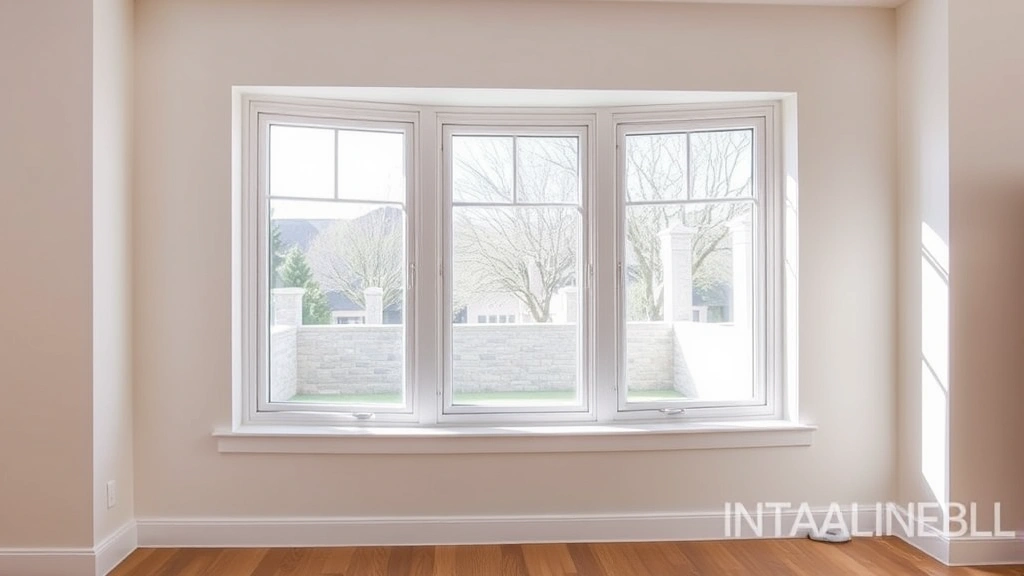
Bay windows represent one of the most sought-after architectural features in residential real estate, commanding premium prices and delivering exceptional aesthetic and functional value. Whether you’re a homeowner seeking to upgrade your property or a real estate professional advising clients on home improvements, understanding the market dynamics of bay windows for sale is essential for making informed purchasing decisions. These distinctive window configurations—which project outward from the wall plane and typically feature multiple glass panels at different angles—have become increasingly popular in both new construction and renovation projects across North America.
The bay window market has experienced substantial growth over the past decade, driven by consumer preferences for enhanced natural lighting, improved ventilation, and distinctive architectural character. Modern manufacturing has made these windows more affordable and accessible than ever before, while technological advances have dramatically improved their energy efficiency and durability. This comprehensive guide explores everything you need to know about purchasing bay windows, from understanding different styles and materials to evaluating suppliers and optimizing your buying strategy.
Understanding Bay Window Types and Configurations
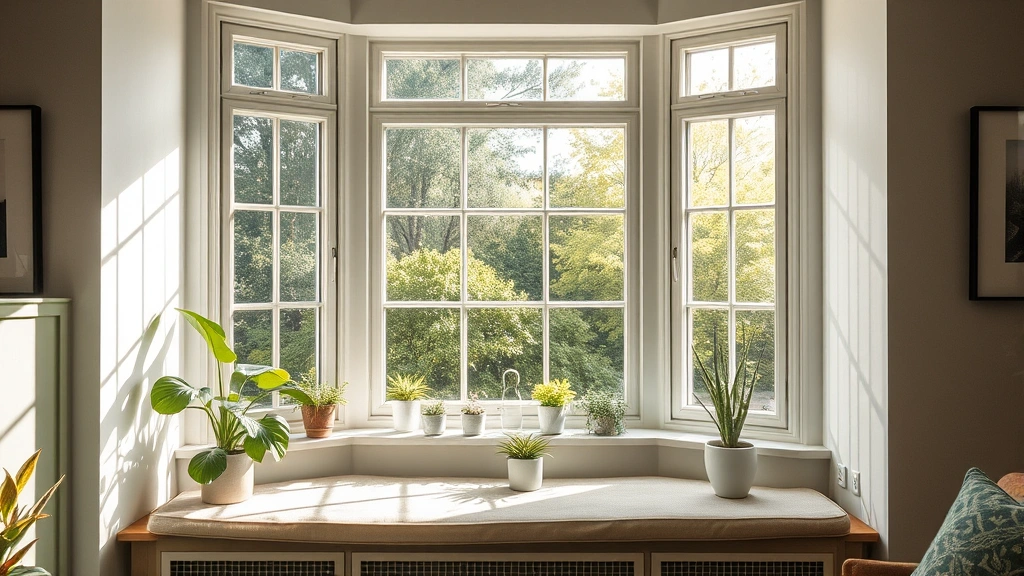
Bay windows come in several distinct configurations, each offering unique visual appeal and functional characteristics. The standard bay window typically features three panels arranged at angles—usually 30, 45, or 90 degrees—creating the characteristic protruding appearance. Bow windows, a related style, use four or more curved panels to create a more rounded projection. Understanding these variations is crucial for retailers and consumers alike, as each type serves different architectural styles and performance requirements.
The traditional three-panel bay configuration works exceptionally well in Victorian, craftsman, and colonial-style homes, where it complements existing architectural vocabulary. Modern bay windows often employ larger glass panels and minimalist frames, aligning with contemporary design preferences. Garden windows, a specialized bay configuration designed for windowsill gardening, include shelves and ventilation features that appeal to home gardeners and eco-conscious consumers. For e-commerce businesses selling home improvement products, understanding these distinctions enables more effective product categorization and targeted marketing.
Commercial considerations for building an effective e-commerce site for home improvement products include detailed product photography showing each bay window style from multiple angles, clear dimension specifications, and comparison tools that help customers visualize different options in their spaces. Many successful retailers provide augmented reality features or virtual room design tools that allow customers to see how specific bay window styles integrate with their existing home aesthetics.
Material Options and Their Impact on Performance
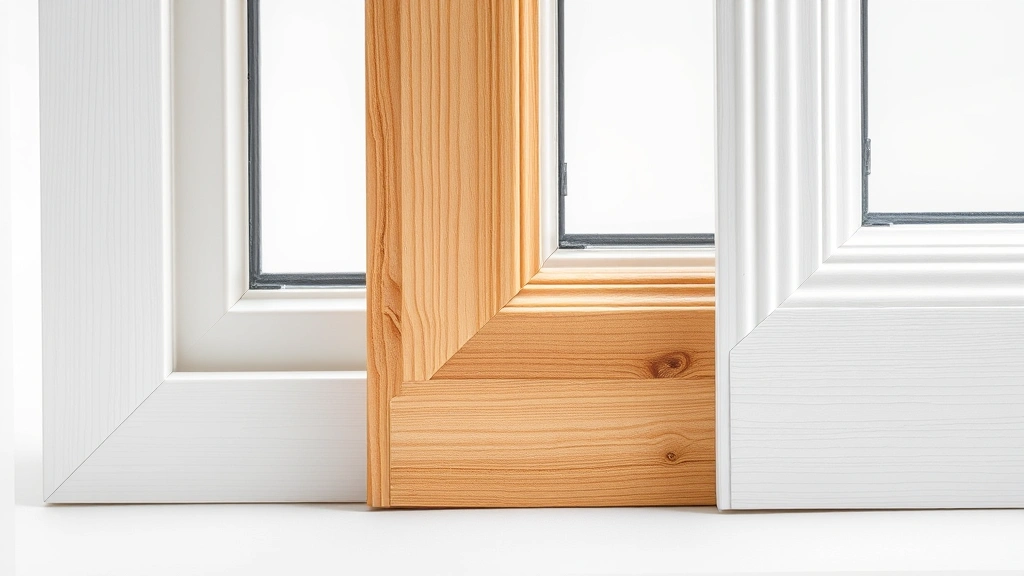
Bay window frames are manufactured from four primary material categories, each with distinct advantages, maintenance requirements, and cost implications. Vinyl frames dominate the residential market, representing approximately 65% of bay window sales according to industry data. Vinyl offers excellent value proposition: low maintenance requirements, superior weather resistance, strong insulation properties, and competitive pricing. Modern vinyl formulations resist UV degradation and maintain structural integrity across diverse climate conditions, making them suitable for regions experiencing extreme temperature fluctuations.
Wood frames appeal to homeowners prioritizing aesthetic authenticity and traditional architectural character. Solid wood and engineered wood frames deliver superior insulation performance and timeless beauty, though they require regular maintenance including refinishing and protective treatments. Wood bay windows command premium pricing—typically 40-60% higher than comparable vinyl options—and appeal to affluent homeowners and heritage property restoration projects. Fiberglass frames represent a growing segment, combining wood-like aesthetics with vinyl-level durability and lower maintenance demands.
Aluminum frames, though less common in residential applications, offer lightweight construction and modern minimalist aesthetics. They excel in commercial applications and contemporary residential designs but provide inferior thermal performance compared to other materials. Composite materials—combining wood, vinyl, and fiberglass elements—represent emerging innovation, attempting to balance aesthetic, performance, and maintenance considerations. For businesses managing inventory of diverse window products, tracking material specifications, performance ratings, and maintenance requirements becomes essential for accurate product descriptions and customer education.
Glass technology significantly impacts overall performance. Double-pane insulated glass dominates standard applications, offering solid thermal resistance and noise reduction. Triple-pane configurations, increasingly popular in cold climates, provide superior insulation at higher cost. Low-emissivity (Low-E) coatings reflect infrared radiation while transmitting visible light, reducing heating and cooling costs by 15-20%. Tempered glass enhances safety, particularly valuable for bay windows extending into high-traffic areas. Laminated glass provides enhanced security and sound dampening for urban installations.
Energy Efficiency Standards and Ratings
Energy efficiency has become paramount in bay window purchasing decisions, particularly as building codes increasingly mandate performance standards and consumers recognize long-term cost savings potential. The National Fenestration Rating Council (NFRC) provides standardized ratings enabling meaningful comparisons across manufacturers. U-factor measurements indicate thermal transmittance—lower values representing superior insulation (optimal range: 0.20-0.30). Solar Heat Gain Coefficient (SHGC) measures solar radiation transmission, with lower values preferred in hot climates and higher values beneficial in cold regions.
ENERGY STAR certification identifies windows meeting stringent efficiency criteria established by the U.S. Environmental Protection Agency. ENERGY STAR windows typically cost 10-15% more than standard models but deliver measurable energy savings and qualify for tax credits in many jurisdictions. For homeowners in northern climates, upgrading from single-pane windows to ENERGY STAR-certified bay windows can reduce heating costs by 25-30%, recovering the investment premium within 5-7 years.
Air leakage ratings (measured in cubic feet per minute per square foot) quantify infiltration around frames and sashes. Superior construction and weatherstripping maintain air leakage below 0.3 CFM/sf, preventing drafts and maintaining interior comfort. Retailers should emphasize these technical specifications to environmentally conscious consumers and those prioritizing long-term cost optimization. The ENERGY STAR program provides searchable databases of certified products, enabling customers to verify claims and compare options.
Pricing Strategies and Cost Optimization
Bay window pricing varies substantially based on size, materials, glass specifications, and customization requirements. Standard vinyl bay windows in common sizes (36-48 inches wide) typically range from $800-2,000 per unit, while premium wood or composite options command $2,500-6,000. Custom sizes, specialty materials, and high-performance glass packages push pricing toward $8,000-15,000 or higher. Installation costs, typically $500-2,000 per window depending on structural modifications required, represent significant additional investment.
Bulk purchasing strategies provide substantial savings for contractors, builders, and retailers. Volume discounts from manufacturers typically escalate at 5-unit, 10-unit, and 25-unit thresholds, reducing per-unit costs by 15-35%. Seasonal purchasing patterns offer optimization opportunities—off-season ordering (November-February in northern climates) frequently includes promotional pricing and extended payment terms. Retailers managing seasonal inventory fluctuations should analyze historical sales data and establish relationships with multiple manufacturers to ensure competitive sourcing.
Bundle purchasing—combining bay windows with complementary products like exterior trim, interior finishing, hardware, and installation services—enables value-added positioning and margin enhancement. Many successful retailers package bay windows with professional installation, extended warranties, and maintenance plans, creating comprehensive solutions addressing customer pain points. This approach supports headless commerce strategies where product information feeds multiple sales channels while maintaining consistent pricing and availability data across platforms.
Price transparency strategies build customer confidence and reduce purchase friction. Published price lists, detailed cost breakdowns, and comparison tools demonstrating value propositions against competing products enhance conversion rates. Many retailers implement dynamic pricing models adjusting for material costs, manufacturing lead times, and inventory levels. Financing options—including installment plans, manufacturer rebates, and home improvement loans—expand addressable market by enabling price-sensitive customers to proceed with purchases.
Supplier Selection and Quality Assurance
Identifying reliable bay window suppliers requires evaluating multiple quality dimensions beyond price. Manufacturing certifications from recognized standards bodies (AAMA, WDMA, CSA) indicate adherence to rigorous quality protocols and performance testing. Established manufacturers typically maintain ISO certifications, third-party testing verification, and comprehensive warranty programs protecting customer investments. Retailers should prioritize suppliers offering transparent product documentation, detailed specifications, and accessible technical support.
Supplier reputation assessment involves analyzing customer reviews, industry ratings, and complaint resolution records. The Better Business Bureau, industry associations, and independent review platforms provide valuable insights into reliability, quality consistency, and customer service responsiveness. Direct communication with potential suppliers—discussing customization capabilities, lead times, technical support, and problem resolution procedures—reveals organizational competence and commitment to customer success.
Quality assurance protocols should include inspection procedures verifying glass integrity, frame squareness, hardware functionality, and weatherstripping effectiveness. Many retailers implement receiving inspection processes photographing each shipment for documentation purposes. Defect rates, warranty claim frequencies, and customer satisfaction metrics provide quantitative measures of supplier performance. Establishing performance agreements with suppliers—including specific defect rate targets, lead time guarantees, and escalation procedures—creates accountability frameworks supporting consistent quality delivery.
Supply chain resilience has gained prominence following pandemic-related disruptions. Suppliers maintaining domestic manufacturing capacity, diversified sourcing networks, and adequate safety stock inventories provide greater reliability than those dependent on single suppliers or lengthy overseas sourcing. Building relationships with multiple qualified suppliers reduces vulnerability to capacity constraints and enables competitive sourcing while maintaining backup options during supply disruptions.
Installation Considerations for Retailers
Installation quality significantly impacts customer satisfaction and long-term product performance. Professional installation ensures proper flashing, weatherproofing, insulation, and interior finishing—critical factors determining whether windows meet performance specifications. Many retailers partner with certified installation networks, creating value-added service offerings differentiating them from online-only competitors. Installation partnerships also generate recurring revenue through service margins and customer retention opportunities.
Training installation partners on specific product characteristics, manufacturer requirements, and best practices ensures consistent quality delivery. Retailers should provide comprehensive installation manuals, technical documentation, and access to manufacturer technical support for partner installers. Quality assurance processes—including post-installation inspections, customer satisfaction surveys, and defect tracking—maintain service standards and identify improvement opportunities.
Warranty considerations extend beyond manufacturer coverage to include installation guarantees addressing workmanship issues. Retailers offering comprehensive warranties covering both products and installation build customer confidence and reduce liability exposure. Clear warranty documentation specifying coverage terms, exclusions, claim procedures, and duration manages customer expectations and facilitates efficient claims administration.
Market Trends and Consumer Preferences
Contemporary bay window market trends reflect evolving consumer preferences, technological advancement, and sustainability considerations. Sustainability orientation drives demand for energy-efficient models, recycled-content materials, and environmentally responsible manufacturing processes. Consumers increasingly view home improvements through sustainability lenses, favoring products reducing long-term energy consumption and environmental impact. Marketing communications emphasizing energy savings, carbon footprint reduction, and sustainable materials resonate with environmentally conscious demographics.
Customization and personalization represent growing market segments. Consumers desire bay windows reflecting individual aesthetic preferences, architectural styles, and functional requirements. Manufacturers offering extensive material options, color selections, glass configurations, and hardware variations capture premium market segments willing to pay for customization. Digital tools enabling customers to visualize customized options—through augmented reality, 3D rendering, or interactive configurators—enhance engagement and conversion rates.
Smart home integration represents emerging opportunity. Bay windows incorporating motorized blinds, smart glass technology adjusting tint based on solar exposure, and integrated sensors monitoring temperature and humidity appeal to tech-forward consumers. These innovations command premium pricing but deliver measurable comfort and efficiency benefits. Retailers positioning themselves as smart home solution providers access growing market segments prioritizing connected home technologies.
According to Grand View Research, the global windows and doors market is projected to reach $155 billion by 2030, growing at approximately 4.8% annually. Bay windows represent a growing segment within this market, driven by residential renovation activity, new construction growth in suburban markets, and increasing consumer preference for distinctive architectural features. The National Association of Home Builders reports that home renovation spending has increased 23% over five years, with window and door upgrades representing the second-most popular renovation category after kitchen remodeling.
Regional market variations reflect climate conditions, architectural traditions, and economic factors. Coastal regions show strong preference for corrosion-resistant vinyl and composite materials. Colder climates prioritize triple-pane, high-performance configurations. Warm climates emphasize solar heat gain reduction through low-SHGC glass and exterior shading integration. Understanding regional preferences enables targeted marketing and inventory optimization strategies.
Demographic analysis reveals purchasing patterns varying by age, income, and homeownership status. Affluent homeowners aged 55+ pursuing home personalization and empty-nest upgrades represent premium market segments. Younger homeowners focus on energy efficiency and sustainable features. First-time homebuyers prioritize affordability and standard configurations. Tailoring product offerings, marketing messages, and financing options to specific demographic segments improves relevance and conversion efficiency.
FAQ
What is the average cost of bay windows for sale?
Standard vinyl bay windows typically range from $800-2,000 per unit, while premium wood or composite options cost $2,500-6,000. Custom sizes and high-performance glass packages can exceed $15,000. Installation costs add $500-2,000 per window, depending on structural modifications. Total project costs for typical home installations range from $5,000-25,000 including materials and professional installation.
How do I choose between vinyl, wood, and fiberglass bay windows?
Vinyl offers the best value—low maintenance, excellent durability, and competitive pricing—ideal for most residential applications. Wood provides superior aesthetics and insulation but requires regular maintenance and commands premium pricing. Fiberglass balances wood-like appearance with vinyl-level durability, making it suitable for homeowners prioritizing aesthetics without excessive maintenance. Consider your climate, architectural style, budget, and maintenance preferences when selecting materials.
What energy efficiency ratings should I prioritize?
Target ENERGY STAR certification, which requires U-factor of 0.30 or lower and appropriate SHGC ratings for your climate. In cold climates, prioritize low U-factors (0.20-0.25 range). In hot climates, focus on low SHGC ratings (0.20-0.25 range). Air leakage should remain below 0.3 CFM/sf. These specifications typically deliver 20-30% energy savings compared to standard windows, recovering investment premium within 5-7 years.
How long do bay windows typically last?
Quality vinyl bay windows last 20-30 years with minimal maintenance. Wood windows, with proper maintenance and refinishing, can last 40-50 years or longer. Fiberglass and composite options typically last 30-40 years. Glass components may require replacement every 15-20 years in high-UV environments. Proper installation, regular maintenance, and quality materials significantly extend product lifespan.
Can bay windows be customized to match my home’s architecture?
Yes, most manufacturers offer extensive customization including frame colors, material selections, glass configurations, hardware finishes, and grille patterns. Custom sizes accommodate non-standard openings and architectural requirements. Augmented reality tools and 3D visualization services help you preview customized options before purchasing. Customization typically adds 2-4 weeks to lead times and 10-20% to standard pricing.
What installation challenges should I anticipate?
Bay window installation requires precise opening preparation, structural support verification, and comprehensive weatherproofing. Existing walls may require reinforcement. Interior finishing—including drywall patching, trim installation, and finish work—adds complexity and cost. Professional installation is strongly recommended, as improper installation compromises performance and voids warranties. Experienced installers can address most challenges, though unusual architectural conditions may require custom solutions.
How do I verify manufacturer quality and reliability?
Research manufacturer certifications (AAMA, WDMA, CSA), review independent ratings and customer reviews, and check Better Business Bureau records. Request references from satisfied customers and speak with installation partners about reliability. Verify warranty terms, technical support accessibility, and complaint resolution procedures. Established manufacturers with transparent documentation and accessible customer service typically deliver superior quality and reliability.