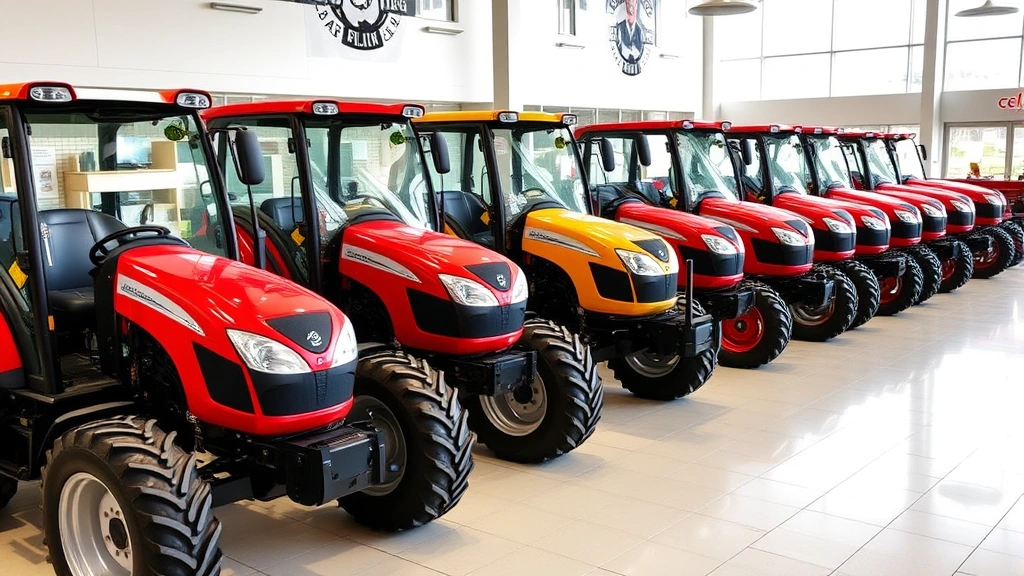
Top Tractors for Sale? Dealer Recommendations for Agricultural Equipment Buyers
Finding the right tractor for your agricultural or land management needs requires careful consideration of multiple factors, from engine specifications and hydraulic systems to dealer reputation and after-sales support. Whether you’re a small-scale farmer, hobby agriculturalist, or commercial operation, the tractor market offers diverse options across various price points and capability levels. This comprehensive guide examines dealer recommendations, key selection criteria, and market insights to help you make an informed purchase decision.
The agricultural equipment sector has experienced significant evolution in recent years, with manufacturers introducing advanced technology, improved fuel efficiency, and enhanced operator comfort features. Dealers across the country consistently recommend certain models and brands based on reliability data, customer feedback, and performance metrics. Understanding these professional recommendations can streamline your buying process and help you avoid costly mistakes.
Understanding the Tractor Market Landscape
The global agricultural tractor market represents a multi-billion dollar industry with significant regional variations in demand, pricing, and available models. According to recent market research from Grand View Research, the tractor industry continues to experience steady growth driven by mechanization in developing regions and equipment upgrades in established markets.
Dealers emphasize that understanding your specific use case is paramount before beginning your search for tractors for sale. Agricultural operations differ substantially from landscaping, construction, or hobby farming applications, and each demands different equipment specifications. Commercial farmers typically prioritize fuel efficiency and operational hours between maintenance intervals, while smaller operations may focus on versatility and ease of operation.
The market divides into several distinct categories: compact tractors (typically under 25 horsepower), utility tractors (25-100 horsepower), row crop tractors (specialized for specific crops), and high-horsepower models (exceeding 100 horsepower for large-scale operations). Dealer recommendations often emphasize matching horsepower requirements to actual workload rather than purchasing excess capacity, which reduces fuel consumption and maintenance expenses.
Market consolidation has created a landscape dominated by several major manufacturers, though regional dealers often carry multiple brands to serve diverse customer needs. This competitive environment benefits buyers by providing options and encouraging dealers to offer comprehensive support services.
Top Dealer-Recommended Tractor Models
Across North America and Europe, certain tractor models consistently appear in dealer recommendations based on proven reliability, operator satisfaction, and resale value. Deere & Company’s green and yellow machines maintain strong dealer support and extensive parts availability networks. The John Deere 5 series and 7 series models receive particular praise for balancing performance with operational simplicity.
Case IH red equipment also dominates dealer recommendations, particularly their Maxxum and Puma lines, which offer competitive pricing and strong hydraulic performance. Dealers note that Case IH models often appeal to budget-conscious buyers without sacrificing build quality or warranty coverage.
Massey Ferguson tractors have experienced a resurgence in dealer recommendations, particularly in regions where these machines have established service networks. Their compact and mid-range models offer excellent value propositions for small to medium-sized operations.
For hobby farmers and smaller operations, New Holland and Kubota models receive consistent dealer endorsements. Kubota’s compact tractors particularly appeal to those with limited space and smaller acreage requirements. New Holland equipment integrates well with standardized attachment systems, enhancing versatility for diverse applications.
Dealer recommendations emphasize that brand selection should align with local service infrastructure. A theoretically superior tractor becomes problematic if nearby dealers cannot provide maintenance and parts support. This reality makes regional dealer networks a critical consideration alongside equipment specifications.
When evaluating platforms for agricultural equipment sales, manufacturers increasingly utilize digital channels to connect buyers with local dealers, streamlining the purchase process while maintaining relationship-based selling.
Key Specifications and Performance Metrics
Horsepower represents the most commonly discussed specification, but dealers stress that this single metric tells only part of the story. Torque characteristics, transmission type, and hydraulic system capacity equally influence operational capability and efficiency.
Transmission options significantly impact tractor performance and operator experience. Traditional mechanical transmissions offer simplicity and cost-effectiveness, while continuously variable transmissions (CVT) provide superior fuel economy and reduced operator fatigue during extended operations. Powershift transmissions offer middle-ground solutions with partial automation benefits.
Hydraulic system specifications determine attachment compatibility and lifting capacity. Dealers recommend evaluating both flow rate (measured in gallons per minute) and pressure ratings when planning to operate multiple implements or specialized equipment. Inadequate hydraulic capacity limits operational flexibility and reduces equipment investment returns.
Tire and wheel configurations affect traction, fuel efficiency, and ground compaction. Dealers increasingly recommend considering soil conditions and seasonal variations when selecting between different tire options, as this decision impacts long-term productivity and land health.
Engine efficiency ratings have become increasingly important as fuel costs remain elevated. Modern diesel engines with emission control technology deliver better fuel economy than older models, often offsetting higher purchase prices through operational savings over the equipment’s lifespan.
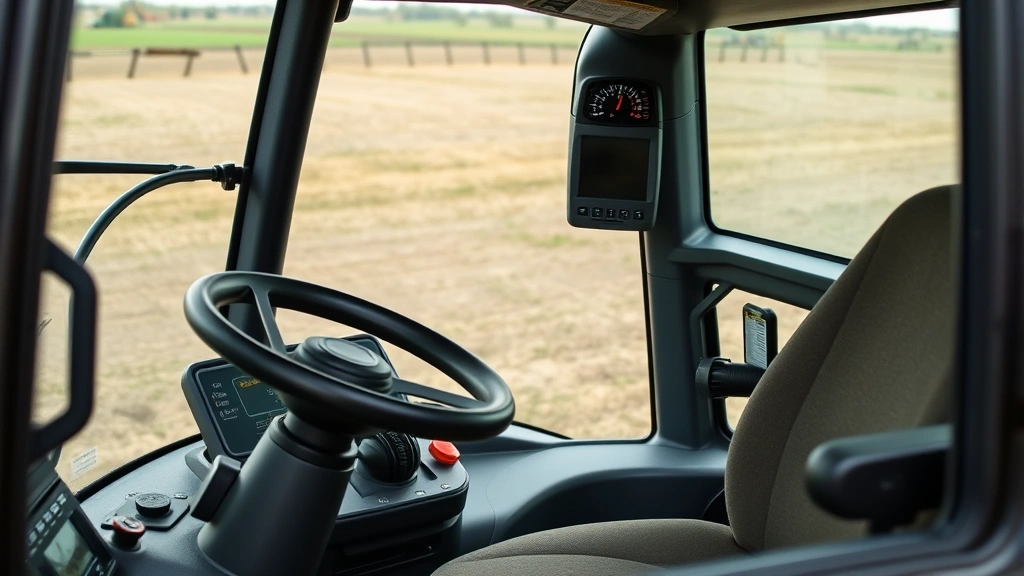
Dealers emphasize the importance of evaluating comfort features, particularly for operations requiring extended daily usage. Modern operator cabins with climate control, suspension seats, and ergonomic controls reduce fatigue and improve safety, particularly during longer working seasons.
Evaluating Dealer Reputation and Support
Dealer selection carries equal importance to equipment selection when purchasing tractors for sale. A reputable dealer provides not only initial sales support but also ongoing maintenance expertise, parts availability, and technical guidance throughout equipment ownership.
Dealers with established track records in your region typically maintain superior parts inventory, employ certified technicians, and understand local agricultural conditions and seasonal demands. Online reviews, equipment owner testimonials, and community reputation provide valuable insights into dealer reliability and customer service quality.
Warranty coverage and terms vary significantly between dealers and manufacturers. Comprehensive warranty programs that cover both parts and labor provide valuable financial protection, particularly during the critical first operating years. Dealers should clearly explain warranty limitations, coverage duration, and any conditions that might void protection.
Service capacity represents a practical consideration often overlooked during initial purchasing decisions. A dealer with limited service bays may struggle to accommodate seasonal service demands when multiple farmers require maintenance simultaneously. Inquire about average service turnaround times and whether dealers offer loaner equipment during extended repairs.
Dealer financing options and relationships with agricultural lenders influence the overall purchase experience. Dealers with established financing partnerships often facilitate faster approval processes and more favorable terms than independent financing channels.
When building your online sales strategy for agricultural equipment, understanding how to establish credible online presence helps connect with potential customers who research equipment before visiting physical dealerships.
Financing Options and Pricing Strategies
Tractor purchases represent significant capital investments, making financing arrangements critical to purchase feasibility. Traditional dealer financing through manufacturer-affiliated lenders offers competitive rates, particularly during promotional periods when manufacturers subsidize interest costs.
Agricultural lenders, including Farm Credit System institutions, provide specialized financing tailored to farming operations’ seasonal cash flow patterns. These lenders often offer superior terms to traditional commercial lenders due to their agricultural industry expertise and risk assessment models.
Lease options present alternatives to ownership for operations with fluctuating equipment needs or limited capital availability. Leasing transfers maintenance responsibilities to dealers while providing flexibility to upgrade equipment as technology advances.
Dealers frequently implement seasonal pricing strategies, with pricing often more favorable during off-season periods when buyer demand decreases. Understanding these market cycles can result in substantial savings for flexible purchasers.
Pricing for tractors for sale typically includes negotiable components beyond the base equipment cost. Attachment packages, delivery fees, setup charges, and extended warranty options all contribute to final transaction prices. Dealers expect negotiation on these ancillary costs, though base equipment pricing shows less flexibility.
Trade-in valuations require careful evaluation. Dealers often undervalue trade-in equipment to improve their margin on replacement sales. Obtaining independent appraisals through equipment auctions or specialized valuation services provides benchmarks for evaluating dealer offers.
For agricultural retailers managing comprehensive marketing strategies, transparent pricing and financing information builds customer trust and reduces purchase hesitation.
Maintenance and Long-Term Ownership Costs
Total cost of ownership extends far beyond initial purchase prices, encompassing maintenance, repairs, fuel consumption, and eventual disposition. Dealers emphasize that newer equipment with advanced engine technology often delivers lower operating costs despite higher upfront expenses.
Scheduled maintenance intervals and costs vary significantly between tractor models and manufacturers. Fluid changes, filter replacements, and component inspections represent predictable expenses that should factor into equipment selection decisions. Dealer service departments provide maintenance schedules and cost estimates that facilitate ownership cost projections.
Repair costs become increasingly significant as equipment ages. Older tractors may require expensive component replacements, particularly for complex hydraulic systems or transmission assemblies. Dealers recommend evaluating warranty coverage duration and extended protection plans as insurance against unexpected repair expenses.
Fuel efficiency directly impacts operating costs, particularly for high-utilization equipment. Modern tractors with advanced injection systems and transmission technology demonstrate 15-25% fuel economy improvements compared to equipment from previous generations. These efficiencies accumulate to substantial savings across equipment lifespans.
Parts availability and pricing significantly influence long-term ownership costs. Equipment from established manufacturers with national dealer networks typically features more competitive parts pricing and faster availability than specialized or imported models with limited distribution networks.
Resale value considerations become important for operations planning equipment replacement cycles. Tractors from major manufacturers with strong dealer networks typically maintain superior resale values compared to specialized or regional brands. This depreciation difference can offset portions of higher initial purchase prices.
Technology Integration in Modern Tractors
Contemporary tractor design increasingly incorporates advanced technology that improves operational efficiency, precision, and data collection capabilities. GPS-guided systems enable precise implement positioning, reducing overlap and improving application accuracy for fertilizers, pesticides, and seeds.
Telematics systems collect operational data, monitoring engine performance, fuel consumption, and equipment utilization. Dealers recommend these systems for operations managing multiple machines or seeking to optimize operational efficiency through data-driven decision-making.
Integrated control systems allow operators to manage multiple implements from unified interfaces, reducing complexity and improving responsiveness to field conditions. These systems particularly benefit operations utilizing diverse equipment requiring frequent configuration changes.
Connectivity features enable remote diagnostics, allowing dealer technicians to identify potential issues before catastrophic failures occur. Predictive maintenance capabilities derived from equipment data help schedule service during non-critical periods, minimizing operational disruptions.
When marketing agricultural equipment through e-commerce platforms with robust plugin systems, emphasizing technological capabilities helps attract sophisticated operators seeking competitive advantages.
Automation technologies continue advancing, with autonomous and semi-autonomous systems emerging in premium equipment segments. Dealers anticipate these technologies becoming standard offerings as costs decrease and reliability improves, fundamentally transforming agricultural operations.
Climate control and comfort technologies address operator wellbeing, particularly important for extended work periods. Modern cabins with filtered air systems, temperature management, and reduced noise levels improve safety and reduce fatigue-related errors.
FAQ
What horsepower tractor do I need for small-scale farming?
Small-scale operations typically require 25-50 horsepower tractors. Dealers recommend evaluating specific tasks—hay baling, tilling, mowing—to determine actual requirements. Oversizing results in unnecessary fuel consumption and maintenance costs, while undersizing limits operational capability and safety.
How often should tractors be serviced?
Manufacturers recommend service intervals typically ranging from 50-500 hours of operation, depending on component systems. Dealers emphasize following manufacturer guidelines to maintain warranty coverage and optimize equipment longevity. Seasonal operations may require different service schedules than year-round usage.
Are used tractors better purchases than new equipment?
Used tractors offer cost savings but may lack warranty protection and modern efficiency features. Dealers recommend evaluating maintenance history, operating hours, and remaining useful life. Certified pre-owned equipment from dealers provides middle-ground options with limited warranties and verified condition.
What financing terms are typical for tractor purchases?
Agricultural financing typically extends 5-10 years with interest rates varying based on creditworthiness and lender type. Dealers often facilitate financing through manufacturer programs offering promotional rates. Agricultural lenders may provide more favorable terms than traditional commercial lenders.
How do I determine resale value for my current tractor?
Equipment auction services, dealer appraisals, and online valuation tools provide resale estimates. Condition, operating hours, maintenance history, and market demand significantly influence value. Dealers can provide historical pricing data for similar equipment.
What attachment compatibility should I verify before purchasing?
Verify three-point hitch categories, PTO shaft specifications, and hydraulic system characteristics match your planned implement usage. Dealers can provide detailed specifications and recommend compatible implements for specific tractor models.
Should I purchase extended warranty coverage?
Extended warranties provide valuable protection, particularly for operations with limited capital reserves for unexpected repairs. Dealers recommend evaluating coverage terms, deductibles, and exclusions before committing. Age and utilization intensity influence warranty value calculations.