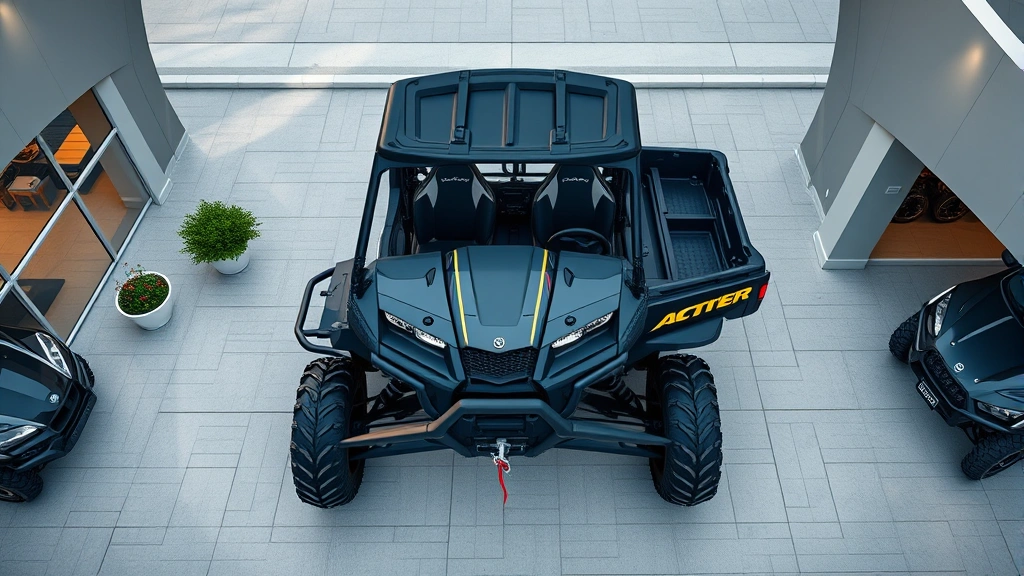
Best Side by Side for Sale? Expert Picks and Buying Guide
Side-by-side vehicles have become increasingly popular for both recreational enthusiasts and commercial operators seeking versatility, durability, and off-road capability. Whether you’re searching for a new or used model, understanding the market landscape, comparing top brands, and knowing what to look for can significantly impact your purchasing decision. This comprehensive guide examines the best side-by-side options available today, helping you make an informed choice based on your specific needs and budget.
The side-by-side market has experienced substantial growth over the past decade, with manufacturers continuously innovating to meet diverse consumer demands. From compact utility models perfect for property maintenance to high-performance machines designed for extreme terrain, the variety of options available has never been greater. Whether you’re buying through traditional dealerships, online marketplaces, or private sellers, knowing the key factors that distinguish quality machines from mediocre ones is essential to your success.
Understanding the Side-by-Side Market
The side-by-side utility vehicle market has transformed dramatically over the last fifteen years. Originally designed for agricultural and ranch work, these vehicles have evolved into sophisticated machines capable of handling everything from farm maintenance to recreational adventures. The global market for side-by-sides continues to expand, with Powersports Business reporting consistent year-over-year growth in the recreational off-road vehicle segment.
Understanding market trends helps buyers make better decisions about timing their purchases and selecting models with strong resale value. The popularity of side-by-sides has created a robust secondary market, meaning you’ll find numerous options whether you’re looking for the latest model year or a reliable used machine. Market analysis shows that certain brands maintain stronger value retention than others, which should factor into your long-term ownership calculations.
Consumer preferences have shifted toward vehicles offering better fuel efficiency, advanced safety features, and enhanced comfort for extended use. Modern side-by-sides now incorporate technology previously found only in full-size automobiles, including electronic power steering, integrated GPS systems, and sophisticated suspension designs. These advancements justify premium pricing for newer models while making well-maintained used vehicles excellent value propositions.
Top Brands and Models Worth Considering
When evaluating side by side for sale, several manufacturers consistently rank among consumer favorites. Polaris, Can-Am, Kawasaki, and Yamaha dominate the market, each offering distinct advantages and targeting different user segments. These established brands provide extensive dealer networks, readily available parts, and proven reliability records that inspire consumer confidence.
Polaris Ranger models represent the market leader in many categories, particularly for utility-focused applications. The Ranger lineup spans from compact single-seat models to full-size machines with premium amenities. Buyers appreciate Polaris’s extensive customization options and strong aftermarket support ecosystem. The Ranger’s reputation for durability in demanding agricultural and industrial settings has made it the benchmark against which competitors measure themselves.
Can-Am Defender series offers compelling alternatives with distinctive design philosophies emphasizing comfort and advanced technology integration. Can-Am vehicles often feature superior suspension systems and intuitive control layouts that appeal to users prioritizing ride quality. Their models frequently include innovative features like intelligent throttle control and integrated backup cameras that enhance usability across diverse applications.
Kawasaki Teryx models cater to enthusiasts seeking performance-oriented machines capable of aggressive trail riding. Kawasaki’s engineering focuses on responsive handling and powerful engines, making their side-by-sides popular among recreational riders. The Teryx lineup balances capability with affordability, appealing to buyers seeking premium performance without flagship pricing.
Yamaha Viking and Wolverine series round out the major player offerings with machines emphasizing reliability and straightforward functionality. Yamaha’s reputation for manufacturing quality extends to their recreational vehicles, and their side-by-sides benefit from the company’s extensive powersports expertise. These models appeal to buyers valuing proven dependability and excellent customer support.
When searching for these vehicles, understanding which models align with your intended use ensures you select appropriate machines. A buyer planning primarily light trail recreation needs different capabilities than someone managing a large ranch property. Researching specific model reviews and comparing feature sets against your requirements prevents purchasing vehicles with unnecessary complexity or insufficient capability.
Key Features to Evaluate Before Buying
Examining specific features helps distinguish exceptional machines from standard offerings. Engine displacement and horsepower directly impact performance and capability, though more power isn’t always necessary. A 500cc engine suffices for light recreational use, while 1000cc engines suit demanding work and aggressive trail riding. Consider your typical use cases to determine appropriate power levels.
Seating capacity and comfort significantly affects ownership satisfaction, particularly for extended use sessions. Two-seat models offer simplicity and lighter weight, while four-seat configurations enable family recreation or team-based work. Evaluate seat design, suspension travel, and overall ergonomics to ensure comfort during your typical riding duration.
Towing and payload capacity matters significantly for work-oriented applications. Vehicles rated for 1500-pound towing suit light agricultural tasks, while heavy-duty models exceed 3000 pounds for serious work. Payload capacity determines how much cargo you can safely carry, affecting utility for property maintenance and commercial applications.
Transmission type influences ease of use and maintenance requirements. Automatic continuously variable transmissions (CVT) dominate modern side-by-sides, offering smooth power delivery and minimal rider input. Manual transmissions appear on budget models and some performance-oriented machines, requiring more active engagement but potentially offering durability advantages.
Fuel efficiency impacts operating costs substantially, especially for commercial users. Modern side-by-sides achieve 15-25 miles per gallon depending on model and usage patterns. Comparing fuel consumption across models you’re considering reveals long-term cost implications, particularly relevant for high-use applications.
Suspension and ground clearance determine capability on challenging terrain. Independent suspension systems provide superior ride quality and handling compared to solid axles, though at higher cost. Ground clearance affects ability to traverse obstacles and ford water crossings, important considerations for specific environments.
Cargo capacity and storage solutions enhance practical utility. Integrated storage compartments, roof options, and accessory mounting points affect real-world functionality. Evaluate available storage against your anticipated cargo needs to ensure vehicles meet practical requirements.
Safety features deserve careful consideration for all riders. Modern machines increasingly include electronic stability control, automatic braking systems, and integrated lighting that enhance visibility. Protective caging, roll-over protection structures, and safety restraint systems significantly improve accident protection.
New vs. Used: Making the Right Choice
Deciding between new and used machines requires analyzing financial considerations alongside practical factors. New side-by-sides provide manufacturer warranties, latest technology, and customization options directly from dealers. However, new purchases involve significant depreciation, with vehicles losing substantial value during the first year of ownership. NADA Guides provides comprehensive valuation data for recreational vehicles, helping establish fair market values across model years.
Used machines offer exceptional value propositions, particularly those well-maintained by previous owners. A three-to-five-year-old side-by-side typically costs 40-50% less than new equivalent models while retaining substantial capability and reliability. Used purchases require thorough inspection and maintenance history verification to identify potential issues before committing funds.
When evaluating used machines, examining service records provides insight into maintenance practices. Machines receiving regular oil changes, filter replacements, and recommended service typically prove more reliable than neglected alternatives. Request documentation of all service performed and ask specific questions about any repairs or component replacements.
Consider mileage carefully, though side-by-side hours matter more than linear miles. A machine with 500 operating hours may represent light use, while 2000 hours suggests significant utilization. Inspect engines and transmissions for abnormal sounds, leaks, or performance irregularities indicating potential problems. Test driving vehicles under varied conditions reveals handling characteristics, transmission smoothness, and any concerning behaviors.
Purchasing from authorized dealers provides consumer protections and recourse if issues arise, though private sales often yield better pricing. Dealer purchases typically include brief warranty coverage and quality assurance inspections that reduce risk. Private purchases require greater diligence but can yield exceptional values when sellers have maintained machines properly.
Where to Find Side by Side for Sale
Multiple channels exist for locating quality side-by-side vehicles matching your requirements. Authorized dealerships remain primary sources for new machines and certified used inventory. Dealership purchases provide warranty coverage, financing options, and professional support, though pricing typically reflects these services.
Using Facebook Marketplace for buying vehicles has become increasingly popular, connecting private sellers with interested buyers directly. This platform enables browsing local inventory, comparing prices, and negotiating directly with sellers. Exercise caution with private marketplace transactions by verifying seller credibility and thoroughly inspecting machines before completing purchases.
Online classified platforms like Craigslist, OfferUp, and specialized powersports marketplaces aggregate listings from multiple sellers. These platforms enable nationwide searching and detailed filtering by brand, model, price, and condition. Always arrange in-person inspections and test drives before committing to purchases through these channels.
Powersports auction sites present opportunities to acquire vehicles at below-retail pricing, though purchases typically occur without warranties. These auctions include both dealer inventory and trade-ins, providing access to diverse machine selections. Participation requires understanding auction processes and bidding strategies to avoid overpaying.
Trade shows and powersports expos showcase new models and often feature discounted pricing during events. These venues enable comparing multiple manufacturers side-by-side and speaking with knowledgeable sales representatives. Seasonal events often coincide with promotional pricing designed to clear inventory.
Leveraging e-commerce marketing strategies helps when searching online, including using specific keywords, setting price alerts, and following dealer social media pages for exclusive listings. Subscribing to manufacturer newsletters provides advance notice of new models and seasonal promotions.
Networking within enthusiast communities often reveals vehicles before they reach public markets. Local powersports clubs, online forums, and social media groups frequently share classified information among members. Building relationships within these communities can provide access to quality machines and valuable purchasing advice.
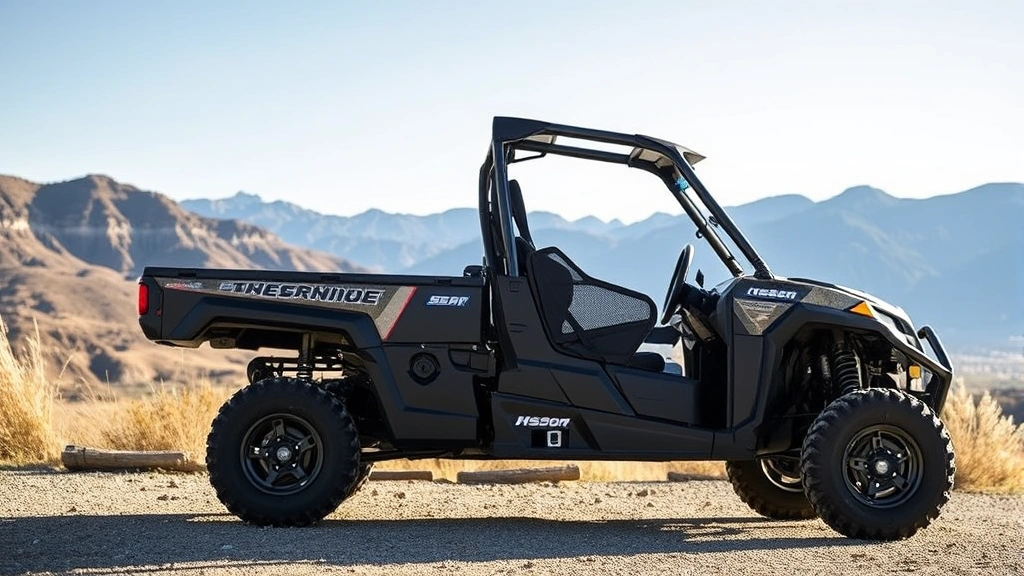
” alt=”Professional side-by-side vehicle displayed in outdoor commercial setting with mountains and clear sky, showcasing rugged terrain capability and modern design features.”>
Pricing and Budget Considerations
Understanding pricing structures helps establish realistic budgets and identify genuine value. New side-by-side vehicles range from approximately $8,000 for basic utility models to $25,000+ for premium machines with advanced features. Mid-range models offering strong capability and reasonable feature sets typically cost $12,000-$18,000, representing optimal value for most buyers.
Used machine pricing depends heavily on model year, condition, and mileage. A five-year-old Ranger or Defender typically costs $10,000-$15,000 depending on specific model and condition. Older machines with higher mileage may cost $6,000-$10,000, though careful inspection becomes increasingly important with age. Kelley Blue Book’s powersports valuation tools provide comprehensive pricing data for establishing fair market values.
Budget beyond purchase price for ongoing ownership costs including maintenance, fuel, insurance, and storage. Annual maintenance typically costs $300-$800 depending on usage intensity. Fuel costs vary with model and usage but generally run $1-$2 per operating hour. Insurance for side-by-sides typically costs $200-$500 annually for basic coverage.
Financing options significantly impact total ownership costs. Dealer financing often includes promotional rates, particularly during seasonal sales periods. Bank and credit union financing may offer competitive rates without dealer-specific promotions. Calculate total interest paid across loan terms to compare true costs between financing options.
Seasonal pricing variations create opportunities for strategic purchases. Winter months typically bring reduced prices as recreational demand decreases. Spring purchasing often involves premium pricing as warm weather approaches. Timing purchases strategically can yield 10-20% savings compared to peak season prices.
Negotiation opportunities exist in most purchase scenarios, particularly with private sellers and at smaller dealerships. Research fair market values thoroughly before negotiations to establish realistic parameters. Bundle requests for included accessories, extended warranties, or dealer services can enhance value without requiring price reductions.
Consider total cost of ownership across your anticipated ownership period. A slightly more expensive new machine with superior reliability might cost less over five years than a cheaper used alternative requiring frequent repairs. Factor in resale value expectations when comparing options, as some models retain value better than others.
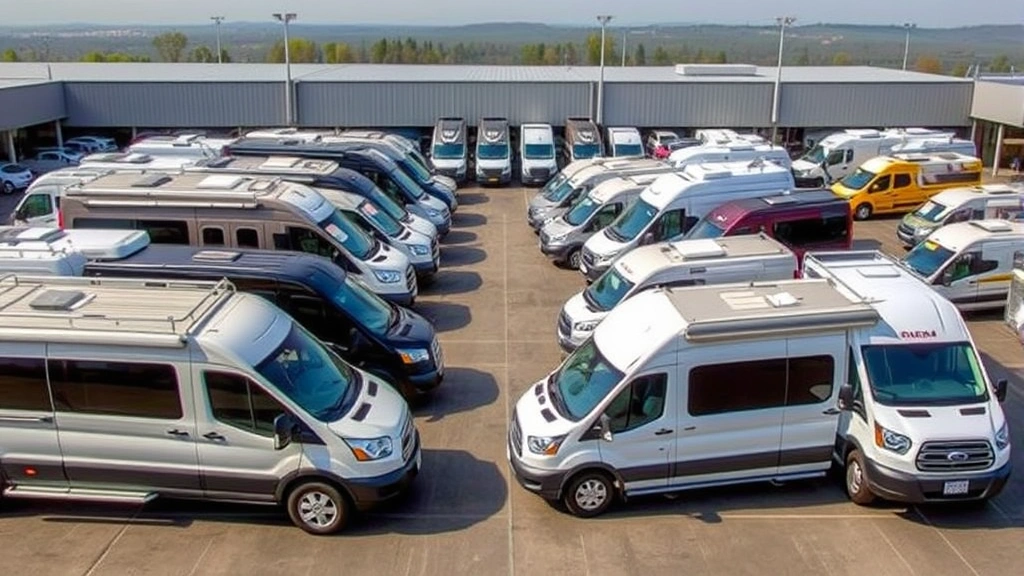
” alt=”Multiple side-by-side vehicles arranged in outdoor commercial display area with diverse models, showcasing different sizes and configurations available in current market.”>
FAQ
What’s the best side-by-side brand for beginners?
Yamaha and Kawasaki models often represent excellent choices for beginners, offering straightforward operation and proven reliability. Their machines emphasize ease of use without sacrificing capability, making them accessible to riders developing experience. Polaris Ranger models also appeal to newcomers seeking versatility and extensive dealer support networks.
How long do side-by-side vehicles typically last?
Well-maintained side-by-sides regularly exceed 2000-3000 operating hours, often lasting 10-15 years or longer. Proper maintenance including regular oil changes, filter replacements, and recommended service significantly extends vehicle lifespan. Machines receiving neglectful maintenance may fail within 1000 hours, demonstrating the critical importance of ownership commitment.
Should I buy new or used?
New purchases suit buyers prioritizing latest features, warranty coverage, and customization options. Used machines offer exceptional value for budget-conscious buyers accepting older model years. Evaluate your budget, timeline, and feature priorities to determine which option aligns with your specific situation.
What’s a realistic budget for a quality side-by-side?
Budget $12,000-$18,000 for new mid-range models offering strong capability and features. Used machines cost $8,000-$15,000 depending on age and condition. Budget additionally for ongoing maintenance, fuel, insurance, and storage when establishing total ownership costs.
Where can I find the best deals?
Off-season purchases (winter months) typically yield better pricing than peak season. Private sellers often price below dealer rates, though requiring greater inspection diligence. Seasonal promotions and trade show events frequently feature discounted pricing designed to clear inventory.
What maintenance does a side-by-side require?
Regular oil and filter changes every 50-100 operating hours represent primary maintenance requirements. Inspect and replace air filters regularly, check suspension components, and verify brake condition periodically. Follow manufacturer-recommended service intervals to maintain warranty coverage and ensure reliability.
Can I finance a used side-by-side?
Many dealerships offer financing for used inventory, though terms and rates vary. Banks and credit unions may finance used powersports vehicles, sometimes offering competitive rates compared to dealer options. Verify financing availability before committing to specific machines.
What’s the difference between utility and recreational models?
Utility models emphasize cargo capacity, towing capability, and durability for work applications. Recreational models prioritize performance, handling, and comfort for trail riding enjoyment. Some machines blur these categories, offering balanced capability suitable for both work and recreation.