The miniature dachshund has become one of America’s most beloved dog breeds, and the demand for mini dachshund puppies for sale continues to surge among pet owners seeking a compact, intelligent companion. With their distinctive elongated bodies, expressive eyes, and spirited personalities, these small dogs pack enormous charm into a portable package. However, purchasing a mini dachshund puppy requires careful consideration, thorough research, and understanding of breed-specific health concerns, ethical breeding practices, and long-term ownership responsibilities.
Whether you’re a first-time dog owner or an experienced pet parent, this comprehensive guide will equip you with the knowledge needed to make an informed decision about bringing a mini dachshund into your home. We’ll explore everything from finding reputable breeders to understanding the financial investment, health screening requirements, and behavioral characteristics that make these dogs unique. Like any significant purchase decision, acquiring a puppy involves both emotional and practical considerations that deserve your full attention.
Understanding Mini Dachshund Characteristics
Mini dachshunds typically weigh between 8 and 11 pounds and stand approximately 5 to 6 inches tall at the shoulder, making them ideal for apartment living and travel. The breed comes in three coat varieties: smooth, wirehaired, and longhaired, each requiring different grooming commitments. Understanding these physical characteristics helps prospective buyers assess whether a mini dachshund aligns with their lifestyle and living situation.
The temperament of mini dachshunds deserves particular attention. These dogs were originally bred as hunting dogs to pursue badgers and other burrowing animals, which explains their bold, determined nature and tendency to dig. Despite their small size, they possess significant personality and independence, often making them less suitable for families with very young children who might inadvertently injure them. Mini dachshunds are intelligent, affectionate with their families, and can be excellent companions for the right owner who understands their unique behavioral needs.
When evaluating whether a mini dachshund suits your household, consider their lifespan of 12 to 16 years, their moderate exercise requirements, and their tendency toward separation anxiety. These dogs thrive on companionship and may develop destructive behaviors if left alone for extended periods. Additionally, their vocal nature means they may bark frequently, which could be a concern in noise-sensitive living environments.

Finding Reputable Breeders and Sellers
The search for quality mini dachshund puppies for sale begins with identifying ethical breeders who prioritize health, temperament, and breed standards over profit. Reputable breeders are typically members of established breed clubs, such as the Dachshund Club of America, and can provide documentation of their membership and breeding philosophy.
When evaluating potential breeders, request references from previous puppy buyers and verify their claims independently. Legitimate breeders welcome facility visits, encourage questions about their breeding practices, and provide detailed health histories for both parent dogs. They should also offer a health guarantee covering genetic conditions and be willing to take back a puppy if circumstances change during the dog’s lifetime.
Avoid purchasing from puppy mills or backyard breeders who prioritize quantity over quality. These sources often produce puppies with undisclosed health problems, behavioral issues, and no genetic screening. Red flags include:
- Breeders who have multiple litters available simultaneously
- Lack of health testing documentation for parent dogs
- Unwillingness to let you meet the parents or visit the breeding facility
- Pressure to make quick purchasing decisions
- Unusually low prices compared to market averages
- Sales conducted entirely online without personal interaction
Consider exploring adoption options through breed-specific rescue organizations. Many mini dachshunds end up in rescue situations due to owner circumstances, and adopting provides a home for a dog in need while supporting important rescue work. Organizations like Dachshund Rescue and Placement specialize in rehoming these dogs.
Health Screening and Genetic Testing
Responsible breeders conduct comprehensive health screening on parent dogs before breeding. For mini dachshunds, essential health tests include:
- Orthopedic Evaluation: Hip and elbow assessments through the Orthopedic Foundation for Animals (OFA) or PennHIP to screen for dysplasia
- Cardiac Screening: Echocardiograms to evaluate heart health, as miniature dachshunds are prone to heart conditions
- Ophthalmologic Examination: Eye testing by veterinary ophthalmologists to detect progressive retinal atrophy and other vision problems
- Genetic Screening: DNA testing for breed-specific genetic disorders when available
Request detailed health test results from both parent dogs before committing to a purchase. Legitimate breeders maintain transparent records and willingly share this information. The Orthopedic Foundation for Animals provides a searchable database where you can verify a dog’s health certifications.
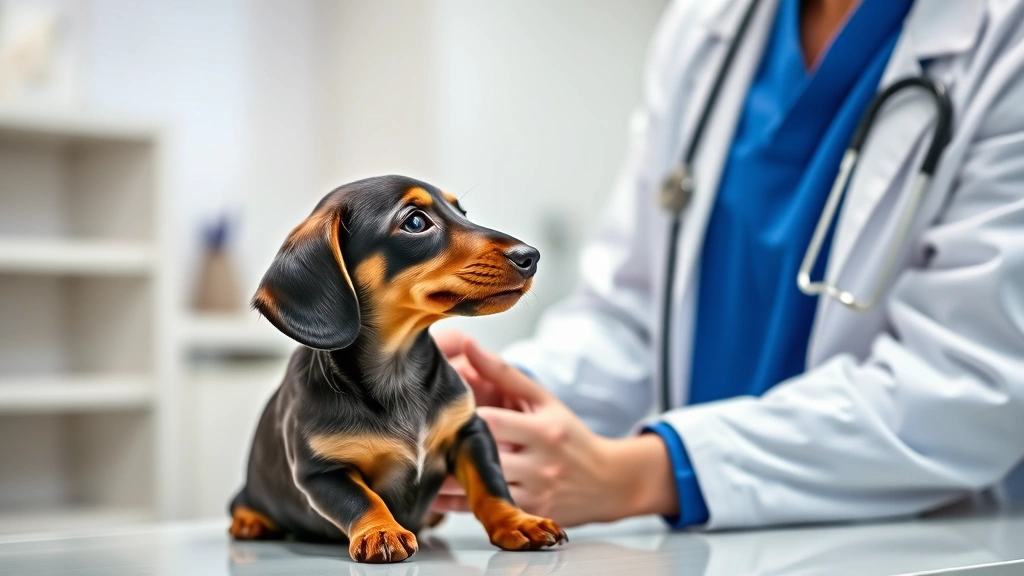
When you bring your new puppy home, schedule a veterinary examination within the first week. Your veterinarian can assess the puppy’s overall health, establish a baseline for medical records, and discuss preventive care including vaccination schedules, parasite prevention, and appropriate nutrition for growth and development.
Financial Investment and Costs
Purchasing a mini dachshund puppy from a reputable breeder typically costs between $1,500 and $3,500, though prices may exceed this range for puppies from championship bloodlines or with rare coat colors. While this represents a significant upfront investment, the long-term financial commitment of dog ownership extends far beyond the initial purchase price.
Budget for these ongoing expenses throughout your dog’s lifetime:
- Veterinary Care: Annual wellness exams ($200-$400), vaccinations, parasite prevention, and emergency care
- Food and Nutrition: High-quality dog food appropriate for small breeds ($30-$60 monthly)
- Grooming: Professional grooming costs vary by coat type, ranging from $200-$500 annually
- Training and Behavioral Support: Puppy classes and potential behavioral consultations
- Pet Insurance: Monthly premiums ($25-$50) to help manage unexpected medical expenses
- Supplies and Equipment: Beds, toys, leashes, crates, and other necessities
For those interested in selling pet products or services, understanding the best e-commerce platforms for small businesses can help you capitalize on the growing pet industry market. The pet care industry continues expanding, with consumers increasingly willing to invest in premium products for their companions.
Preparing Your Home for a New Puppy
Before bringing your mini dachshund puppy home, prepare a safe, welcoming environment that accommodates their size and behavioral tendencies. Create a designated puppy space with:
- A comfortable crate for house training and safe confinement
- Food and water bowls at appropriate height
- Age-appropriate toys for mental stimulation and play
- A soft bed for sleeping and relaxation
- Puppy-proofed areas free from hazards like electrical cords, toxic plants, and small objects they could swallow
Mini dachshunds’ elongated spines make them susceptible to intervertebral disc disease (IVDD), so minimize jumping from furniture and provide ramps or steps to prevent spinal stress. Use baby gates to restrict access to stairs and establish boundaries within your home.
Arrange for time off work during the first weeks after bringing your puppy home. Puppies require frequent potty breaks, feeding schedules, and socialization during critical developmental periods. Many owners find that implementing structured e-commerce marketing strategies principles—such as consistent messaging and clear communication—translates well to puppy training through consistent, clear instructions.
Training and Socialization Essentials
Mini dachshunds are intelligent but can be stubborn, requiring patient, consistent training from day one. Begin house training immediately, establishing a regular potty schedule and rewarding successful outdoor elimination. These dogs respond well to positive reinforcement methods but may become defensive if harshly corrected.
Socialization during the critical 3-14 week window significantly impacts your puppy’s adult temperament. Expose your mini dachshund to various people, environments, sounds, and other animals in controlled, positive ways. This helps prevent fear-based aggression and anxiety that can develop in poorly socialized dogs.
Enroll in a reputable puppy kindergarten class led by certified trainers. These classes provide structured socialization, basic obedience training, and guidance on addressing common puppy behaviors. Many behavioral issues stem from lack of early training, making professional instruction a worthwhile investment.
Address barking tendencies early, as mini dachshunds can become excessive barkers if not properly trained. Teaching a reliable “quiet” command and providing appropriate outlets for their alert nature prevents this behavior from becoming problematic in your household and neighborhood.
Consider utilizing e-commerce analytics tools if you’re tracking your puppy’s training progress or developing pet training content for online platforms. Data-driven approaches to training management can improve consistency and outcomes.
Common Health Issues in Mini Dachshunds
While generally healthy, mini dachshunds are predisposed to specific health conditions that prospective owners should understand. The breed’s elongated spine creates particular vulnerability to intervertebral disc disease (IVDD), a condition affecting the spinal discs that can cause pain, mobility loss, or paralysis. Preventive measures include maintaining healthy weight, avoiding jumping, and providing spinal support.
Heart conditions, particularly patent foramen ovale (PFO) and mitral valve disease, occur frequently in mini dachshunds. Regular cardiac screening and monitoring by a veterinarian help detect these issues early when intervention is most effective. The American Veterinary Medical Association provides resources for understanding canine cardiac health.
Mini dachshunds are also prone to ear infections due to their long, floppy ears that trap moisture and debris. Regular ear cleaning and monitoring for signs of infection—such as head shaking, odor, or discharge—prevent complications. Additionally, dental disease develops frequently in small breeds, making regular dental care and professional cleanings essential.
Obesity significantly increases health risks in mini dachshunds, exacerbating spinal problems and creating additional stress on their hearts and joints. Maintain appropriate weight through measured portions, appropriate exercise, and limiting treats. Consult your veterinarian about ideal weight targets for your individual dog.
Hypoglycemia, or dangerously low blood sugar, occasionally affects mini dachshund puppies, particularly those under stress. Monitor for symptoms including lethargy, trembling, or seizures, and provide quick-acting carbohydrates like honey if hypoglycemia is suspected. This condition typically resolves as puppies mature and develop better metabolic regulation.
Frequently Asked Questions
What is the average lifespan of a mini dachshund?
Mini dachshunds typically live 12 to 16 years, with some individuals reaching their late teens with proper care. Genetics, preventive healthcare, appropriate nutrition, and lifestyle factors all influence individual lifespan. Maintaining healthy weight and addressing health issues promptly can help maximize your mini dachshund’s years with you.
Are mini dachshunds good for first-time dog owners?
Mini dachshunds can be suitable for first-time owners willing to invest time in training and socialization. However, their stubborn nature and potential for separation anxiety require patience and consistency. First-time owners benefit from professional training classes and mentorship from experienced breeders or breed club members.
How much exercise do mini dachshunds need daily?
Mini dachshunds require moderate daily exercise, typically 30 to 60 minutes of activity split into multiple sessions. This can include walks, playtime, and mental enrichment activities. Avoid high-impact exercise that stresses their spines, and adjust activity levels based on age and individual health status.
Do mini dachshunds get along with other pets?
Mini dachshunds can coexist with other pets when properly socialized, though their prey drive may make them chase smaller animals like cats or rabbits. Early exposure to other animals and supervised interactions help establish positive relationships. Individual temperament varies, so discuss your household composition with breeders when selecting a puppy.
What grooming requirements do mini dachshunds have?
Grooming needs depend on coat type. Smooth-coated varieties require minimal grooming beyond regular brushing and nail trimming. Wirehaired and longhaired mini dachshunds need more frequent brushing to prevent matting and should be professionally groomed every 6 to 8 weeks. All varieties require regular ear cleaning, dental care, and nail maintenance.
How do I know if a breeder is reputable?
Reputable breeders provide health testing documentation, offer references from previous puppy buyers, allow facility visits, welcome questions about their practices, and stand behind their puppies with health guarantees. They’re typically members of breed clubs and prioritize the health and temperament of their dogs over profit. Avoid breeders who can’t or won’t provide this information.
What should I look for during a breeder visit?
During a breeder visit, observe the living conditions—they should be clean, spacious, and appropriate for dogs. Meet both parent dogs and assess their temperaments. Ask detailed questions about health testing, breeding philosophy, and support offered to puppy buyers. Reputable breeders should be proud of their facilities and happy to show them.
How much does pet insurance for a mini dachshund cost?
Pet insurance premiums for mini dachshunds typically range from $25 to $50 monthly, depending on the plan, deductible, and coverage limits. Given the breed’s predisposition to spinal and cardiac issues, insurance can significantly reduce the financial burden of unexpected veterinary expenses. Compare quotes from multiple providers to find coverage that matches your needs.
When should I start training my mini dachshund puppy?
Begin training immediately when your puppy arrives home. House training, basic obedience, and socialization should start at 7 to 8 weeks of age. Formal training classes typically begin around 10 to 12 weeks after initial vaccinations. Early training prevents behavioral problems and establishes good habits that last a lifetime.
Are there ethical concerns with buying from breeders?
Ethical concerns arise primarily from irresponsible breeding practices prioritizing profit over animal welfare. Support breeders who conduct health testing, maintain small breeding programs, provide lifetime support to puppy buyers, and contribute positively to the breed. Consider breed-specific rescue organizations as alternatives that address overpopulation and give homes to dogs in need.