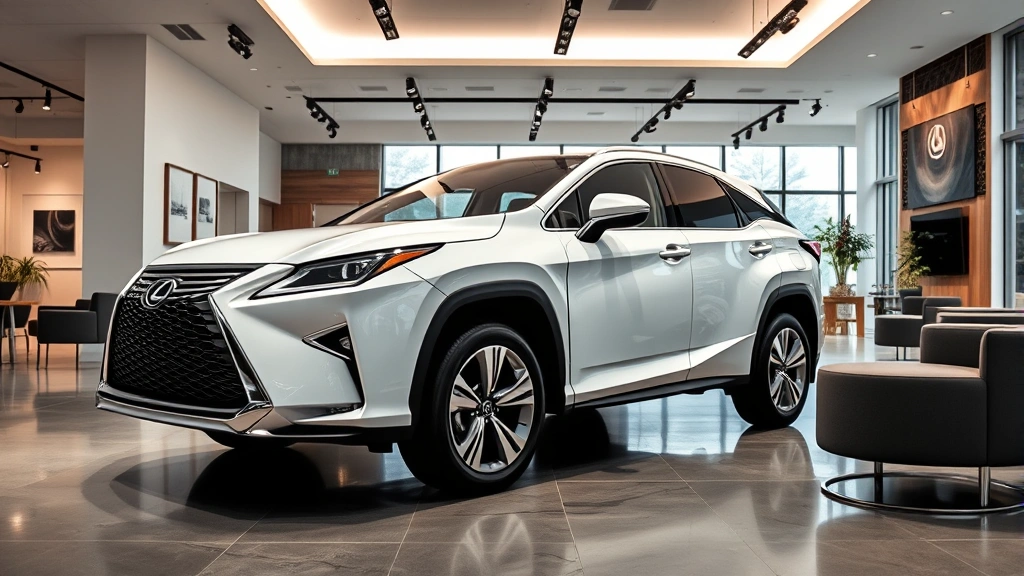
Lexus RX350 for Sale? Market Insights & E-Commerce Opportunities in 2023
The automotive market in 2023 has witnessed significant shifts in consumer behavior, with luxury vehicles like the Lexus RX350 commanding substantial attention from buyers worldwide. Whether you’re a dealership owner exploring digital sales channels, an e-commerce platform operator considering automotive inventory, or a business analyst tracking luxury vehicle trends, understanding the market dynamics surrounding the RX350 is essential for strategic decision-making. The convergence of traditional automotive retail and modern digital commerce has created unprecedented opportunities for businesses to reach qualified buyers efficiently.
The Lexus RX350, a premium mid-size luxury SUV, represents one of Toyota’s most successful product lines, with consistent demand across North American and international markets. In 2023, the market for this vehicle has been influenced by economic factors, supply chain recovery, and shifting consumer preferences toward digital purchasing experiences. This comprehensive guide explores market insights, pricing trends, inventory management strategies, and how e-commerce principles apply to high-value automotive sales.
2023 Lexus RX350 Market Overview
The Lexus RX350 market in 2023 reflects a dynamic automotive landscape characterized by recovery from pandemic-related disruptions and adaptation to changing consumer expectations. According to industry data, the luxury SUV segment has experienced robust growth, with the RX350 maintaining its position as one of the top-selling models in its category. The vehicle’s reputation for reliability, combined with Lexus’s strong brand equity, has sustained demand even as inventory levels have normalized following previous shortages.
Market analysts from Cox Automotive report that luxury vehicle sales have remained resilient throughout 2023, despite macroeconomic headwinds. The RX350, in particular, benefits from a loyal customer base and strong residual values, making it an attractive option for both new and pre-owned buyers. Dealerships managing RX350 inventory have increasingly adopted digital strategies to showcase vehicles, manage customer relationships, and streamline the sales process.
Supply chain improvements have enabled manufacturers to produce vehicles at higher volumes, reducing wait times for new orders. This shift has created a more competitive environment where dealerships must differentiate through superior customer experiences, transparent pricing, and seamless digital engagement. The integration of e-commerce inventory management software has become increasingly important for automotive retailers seeking to optimize their operations.
Pricing Trends and Market Valuation
Pricing for the Lexus RX350 in 2023 reflects a normalization of market conditions compared to previous years’ artificially inflated values. New RX350 models typically range from $48,000 to $60,000 depending on trim level and optional features, with some premium configurations exceeding these ranges. Pre-owned models show considerable variation based on mileage, condition, year, and market location, with well-maintained examples from 2019-2021 model years commanding strong prices in the $35,000-$45,000 range.
Market data indicates that luxury vehicle pricing has become increasingly transparent, with consumers leveraging online resources to research fair market values before engaging with dealers. This democratization of pricing information has shifted negotiating dynamics, requiring dealers to focus on value proposition rather than traditional sales tactics. Real-time pricing data from platforms like Edmunds and Kelley Blue Book enables consumers to make informed decisions, making accurate e-commerce analytics critical for dealers to understand local market conditions.
Depreciation patterns for the RX350 remain favorable compared to many competitors, with three-year-old models typically retaining 60-65% of their original purchase price. This strong residual value supports both retail and lease markets, creating opportunities for dealers specializing in certified pre-owned inventory. Geographic variations in pricing reflect regional demand, supply levels, and local economic conditions, requiring dealers to implement sophisticated pricing strategies tailored to specific markets.
Inventory Management for Automotive Sales
Effective inventory management is critical for automotive retailers offering the Lexus RX350, as carrying costs, market depreciation, and changing consumer preferences directly impact profitability. Modern dealerships recognize that inventory management software designed for automotive retail provides real-time visibility into stock levels, helps identify slow-moving inventory, and enables data-driven purchasing decisions.
Key inventory management considerations for RX350 dealers include:
- Stock Level Optimization: Maintaining appropriate inventory levels based on historical sales data, seasonal demand patterns, and current market conditions. Overstocking ties up capital and increases carrying costs, while understocking results in lost sales opportunities.
- Trim and Color Mix: Understanding which configurations sell fastest in specific markets. Popular colors and preferred trim levels should comprise a larger percentage of inventory, while niche options require more careful planning.
- Age of Inventory: Tracking how long vehicles remain on the lot before sale. Extended holding periods increase costs and may indicate pricing or marketing issues requiring adjustment.
- Certified Pre-Owned Programs: Managing pre-owned RX350 inventory separately, as these vehicles typically have shorter sales cycles and higher profit margins than used models without certification.
- Demand Forecasting: Using historical sales data and market trends to predict future demand, enabling proactive inventory acquisition rather than reactive responses to shortages.
Dealerships implementing advanced inventory management systems report improved cash flow, reduced carrying costs, and faster inventory turnover. Integration with customer relationship management (CRM) systems enables salespeople to access detailed vehicle information and match customer preferences to available inventory efficiently.

Digital Sales Channels and E-Commerce Integration
The automotive industry has undergone significant digital transformation, with consumers expecting to research, configure, and potentially purchase vehicles online. Dealerships selling the Lexus RX350 increasingly recognize that building an e-commerce site with automotive-specific features creates competitive advantage and expands market reach beyond geographic limitations.
Digital sales channels for luxury vehicles include:
- Virtual Showrooms: 360-degree vehicle photography, interior walkthroughs, and augmented reality features allowing customers to explore RX350 specifications and customization options from home.
- Online Configuration Tools: Interactive platforms enabling customers to build custom RX350 models, select trim levels, colors, and optional features while viewing real-time pricing.
- Digital Retailing Platforms: End-to-end online transaction capabilities where qualified buyers can complete financing, trade-in evaluation, and purchase documentation without dealership visits.
- Live Chat and Video Consultations: Real-time engagement with sales specialists who can answer questions, provide detailed vehicle information, and facilitate transactions remotely.
- Mobile Applications: Dedicated apps allowing customers to track inventory, receive notifications about new RX350 arrivals, and manage service appointments.
Implementing effective e-commerce marketing strategies for automotive sales requires understanding digital consumer behavior, optimizing for search engines, and leveraging social media platforms to reach affluent luxury vehicle buyers. Video content showcasing RX350 features, performance, and lifestyle appeal generates significantly higher engagement than static imagery.
Consumer Behavior and Purchasing Patterns
Understanding how luxury vehicle buyers research and purchase decisions has become essential for dealerships. Research from J.D. Power indicates that 90% of luxury vehicle buyers conduct extensive online research before visiting dealerships, fundamentally changing the sales process from education-focused to consultation-focused.
RX350 buyers typically exhibit these characteristics:
- High household income ($150,000+), with purchasing power focused on quality, reliability, and brand prestige
- Age demographics ranging from 45-65, though younger affluent professionals increasingly represent growing segments
- Preference for comprehensive feature sets, advanced safety technology, and premium interior appointments
- Strong interest in sustainability and efficiency, particularly regarding hybrid and fuel economy options
- Expectation for transparent pricing, minimal negotiation, and efficient transaction processes
- Loyalty to established luxury brands, with previous Lexus ownership significantly influencing purchase decisions
Purchase patterns reveal seasonal variations, with higher demand typically occurring in spring and fall months. End-of-quarter and end-of-year periods often feature more aggressive pricing as dealers work to meet sales targets and clear aging inventory. Understanding these patterns enables dealers to optimize marketing efforts and inventory management timing.
Competitive Landscape Analysis
The Lexus RX350 operates within a competitive luxury SUV segment featuring formidable competitors from premium automotive manufacturers. Direct competitors include the BMW X5, Mercedes-Benz GLE, Audi Q7, and Range Rover Sport, each offering distinct value propositions and targeting slightly different buyer segments.
Competitive advantages supporting RX350 market position include:
- Reliability and Longevity: Lexus vehicles consistently rank highest in reliability studies, with RX350 models demonstrating exceptional durability and low maintenance costs compared to competitors.
- Brand Reputation: Decades of brand building have established Lexus as synonymous with luxury, quality, and customer satisfaction, creating strong brand loyalty.
- Resale Value: Strong residual values compared to many competitors make RX350 ownership financially attractive to value-conscious luxury buyers.
- Technology Integration: Modern RX350 models feature advanced infotainment systems, safety technology, and connectivity features competitive with or exceeding premium rivals.
- Dealer Network: Toyota’s extensive dealership network ensures convenient service and support, a significant consideration for luxury vehicle owners.
Competitive pricing strategies require dealers to balance margin objectives with market realities. Transparent pricing, value-focused marketing, and superior customer service differentiate dealers in increasingly commoditized online environments where price comparison occurs effortlessly.
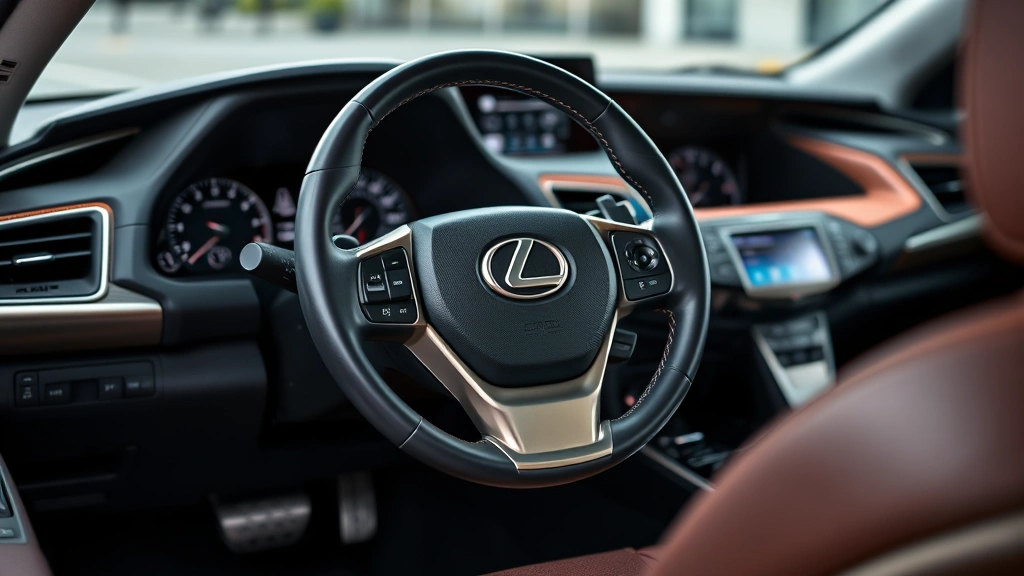
Marketing Strategies for Luxury Vehicles
Successful marketing for the Lexus RX350 requires sophisticated strategies that appeal to affluent, educated consumers who value quality information and authentic brand narratives. Digital marketing channels provide unprecedented targeting capabilities, enabling dealers to reach qualified prospects efficiently.
Effective marketing approaches include:
- Content Marketing: Producing high-quality articles, videos, and guides addressing luxury vehicle ownership, maintenance, and lifestyle considerations that resonate with target audiences.
- Search Engine Optimization: Optimizing digital properties to rank for keywords like “Lexus RX350 for sale” ensures visibility when prospective buyers conduct online research.
- Social Media Engagement: Leveraging platforms like Instagram, Facebook, and LinkedIn to showcase vehicles, share customer testimonials, and engage with luxury lifestyle communities.
- Email Marketing: Maintaining communication with previous customers and prospects through targeted campaigns featuring new inventory, special offers, and relevant content.
- Influencer Partnerships: Collaborating with automotive journalists, lifestyle influencers, and luxury brand ambassadors to expand reach and credibility.
- Experiential Events: Hosting exclusive test drive events, vehicle launches, and customer appreciation gatherings that strengthen brand connections and generate word-of-mouth marketing.
Data-driven marketing decisions require integration of analytics tools that track campaign performance, customer journey progression, and conversion metrics. Understanding which marketing channels deliver qualified leads enables efficient budget allocation and improved return on marketing investment.
Future Outlook and Industry Trends
The luxury automotive market continues evolving in response to technological innovation, environmental concerns, and shifting consumer preferences. Several trends will likely shape the RX350 market in coming years:
Electrification: Lexus’s commitment to hybrid and fully electric vehicle development will influence RX350 evolution. The RX450h+ plug-in hybrid variant represents growing consumer interest in sustainable luxury options, with further electrification expected.
Autonomous Driving Technology: Advanced driver assistance systems and autonomous driving capabilities will become standard expectations in luxury vehicles, requiring continuous innovation and customer education.
Digital-First Retail: Continued shift toward online sales platforms and digital retailing will reshape dealership business models, potentially reducing physical showroom requirements and emphasizing digital customer experiences.
Subscription Services: Alternative ownership models including vehicle subscriptions and short-term leasing options will appeal to consumers seeking flexibility over traditional purchase commitments.
Data and Connectivity: Vehicles increasingly function as connected devices, generating valuable data regarding usage patterns, maintenance needs, and customer behavior. Dealers leveraging this data can provide superior customer experiences and predictive service offerings.
Dealerships preparing for these trends by investing in digital capabilities, staff training, and technology infrastructure will maintain competitive advantages. The fundamental principles of excellent customer service, transparent communication, and quality products remain essential regardless of industry evolution.
FAQ
What is the current market price for a Lexus RX350 in 2023?
New RX350 models typically range from $48,000-$60,000 depending on trim level and features. Pre-owned models vary significantly based on year, mileage, and condition, with 2019-2021 examples generally priced between $35,000-$45,000. Prices vary by geographic location and local market conditions.
How does the RX350 compare to competitors like the BMW X5?
The RX350 emphasizes reliability, lower maintenance costs, and strong resale value, appealing to practical luxury buyers. The BMW X5 offers sportier handling and cutting-edge technology but typically has higher ownership costs. The choice depends on individual priorities regarding performance, technology, and total cost of ownership.
What factors influence RX350 pricing and availability?
Pricing reflects trim level, optional features, market demand, inventory levels, and seasonal variations. Availability depends on dealership inventory, production capacity, and special order lead times. Supply chain improvements in 2023 have generally reduced wait times compared to previous years.
Are online car buying platforms reliable for purchasing an RX350?
Reputable online platforms offering certified inventory from established dealers provide transparent pricing and convenient transaction processes. However, comprehensive research, vehicle history reports, and professional inspections remain important regardless of purchasing channel.
Should I purchase a new or pre-owned RX350?
New RX350 purchases offer latest technology, full warranty coverage, and customization options. Pre-owned models provide better pricing and lower depreciation rates. The choice depends on budget, desired features, and personal preferences regarding warranty coverage and vehicle age.
What role does digital marketing play in RX350 sales?
Digital marketing enables dealers to reach qualified prospects, provide detailed vehicle information, facilitate online research, and streamline the purchasing process. Effective e-commerce marketing strategies significantly influence consumer awareness and purchase decisions for luxury vehicles.