John Deere Gator for Sale? Complete Buyer’s Checklist for Equipment Investments
Purchasing a John Deere Gator represents a significant investment for agricultural operations, landscaping businesses, or property management ventures. Whether you’re sourcing equipment for commercial resale or personal use, understanding the comprehensive evaluation process ensures you make an informed decision that protects your capital. The Gator platform has evolved into one of the most versatile utility vehicles in the market, with multiple models serving different operational needs and budgets.
This buyer’s guide addresses the critical inspection points, market considerations, and financial factors that separate smart acquisitions from costly mistakes. From mechanical integrity to documentation verification, we’ll walk through every element you need to evaluate before committing to purchase a John Deere Gator.
Understanding Gator Models and Specifications
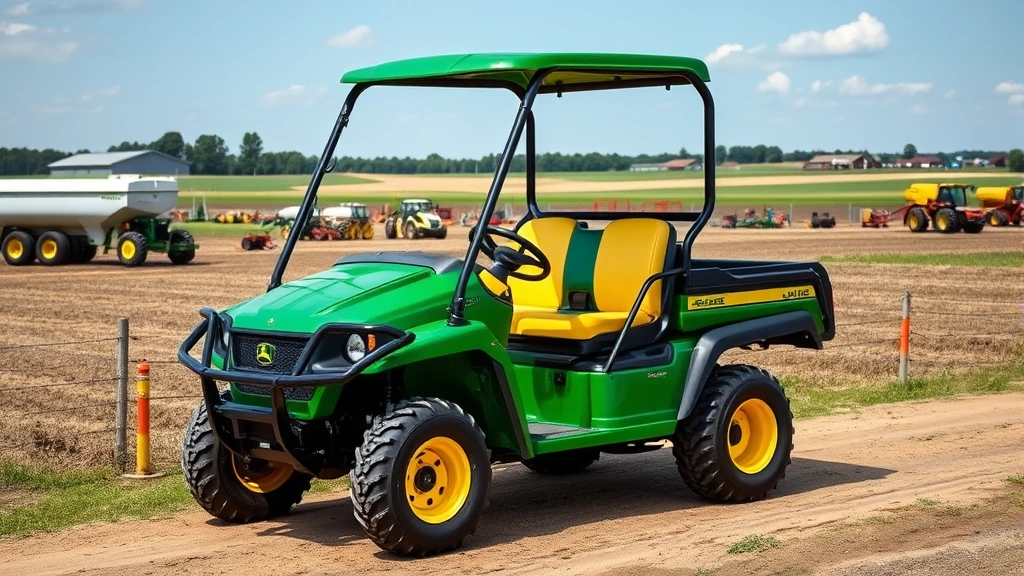
John Deere manufactures multiple Gator variants designed for specific applications. The Traditional Gator models serve utility-focused operations with open cargo beds, while the Crossover line emphasizes comfort and operator convenience. Terrain Gators cater to rough, uneven landscapes, and specialty models address niche market demands. Understanding which model aligns with your operational requirements prevents purchasing equipment that doesn’t match your use case.
Current generation Gators range from compact 4×2 models producing approximately 20 horsepower to full-size variants exceeding 60 horsepower with advanced transmission systems. Engine displacement, fuel capacity, towing capacity, and payload ratings vary significantly across the lineup. Before evaluating specific units, establish which specifications match your business needs. Consider whether you need two-wheel or four-wheel drive, enclosed or open cab configurations, and specialized attachments for your industry.
Research manufacturer specifications through official John Deere documentation and compare models against competitive offerings from Kubota, Polaris, and Kawasaki. Understanding the competitive landscape helps you evaluate whether asking prices reflect fair market value for the features you’re purchasing.
Pre-Purchase Inspection Protocol
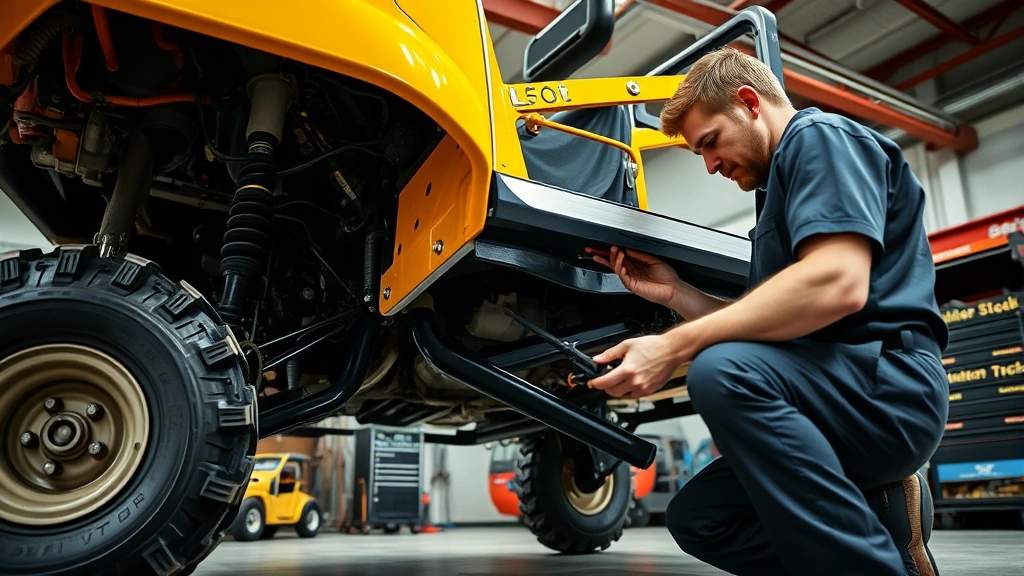
Never purchase a John Deere Gator without conducting a thorough physical inspection. Begin your evaluation by examining the overall condition of the unit’s exterior. Look for rust patterns, dents, paint damage, and signs of improper storage. Rust on the frame, bed, or undercarriage indicates exposure to harsh conditions or prolonged outdoor storage without protection. Surface rust may be cosmetic, but deep structural rust compromises safety and longevity.
Inspect all lights, wipers, mirrors, and operator controls for functionality. Test every control you can access without starting the engine—steering response, brake pedal feel, throttle operation, and transmission engagement. Check that all safety features operate correctly, including seat belts, backup alarms (if equipped), and emergency shutoff mechanisms.
Examine the tires for adequate tread depth, damage, and even wear patterns. Uneven wear suggests suspension issues or previous impacts. Look for cracking, bulges, or puncture repairs that indicate compromised tire integrity. If tires appear excessively worn, factor replacement costs into your purchasing decision. Verify that spare tires, if included, are serviceable.
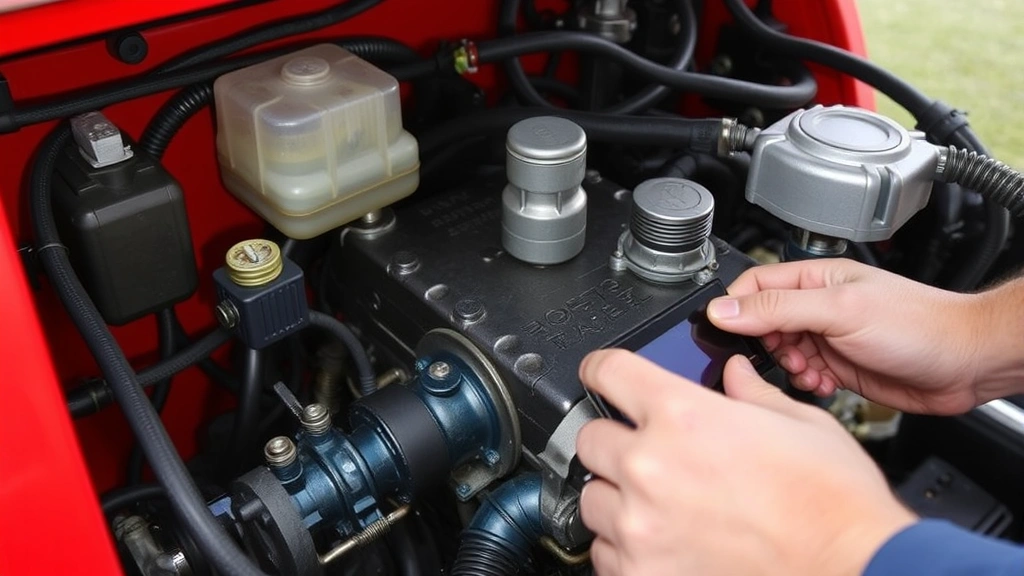
Check fluid levels when the engine is cold—engine oil, coolant, hydraulic fluid, and transmission fluid. Dark, burnt-smelling oil suggests inadequate maintenance or engine stress. Low fluid levels indicate potential leaks or neglect. Inspect underneath the unit for fresh fluid drips or staining that reveals active leaks. Even small leaks compound into expensive repairs if left unaddressed.
Engine and Mechanical Systems Review
Request maintenance records documenting service history. Gators with complete service documentation demonstrate owner care and provide insight into potential recurring issues. Regular oil changes, filter replacements, and seasonal maintenance indicate conscientious operation. Missing records don’t automatically disqualify a unit, but they increase your risk profile.
Perform a cold start test if permitted by the seller. A healthy engine should start reliably and settle into a smooth idle within seconds. Listen for unusual knocking, grinding, or rattling sounds that indicate internal damage. White smoke from the exhaust suggests coolant burning (potential head gasket failure), while blue smoke indicates oil burning. Black smoke reveals fuel system issues or incomplete combustion.
Allow the engine to warm to operating temperature, then accelerate gently and listen for abnormal noises. Engage the transmission in forward and reverse (in a safe area if the seller permits a test drive), noting smooth engagement and responsive power delivery. Hesitation during acceleration or delayed transmission response suggests mechanical problems requiring expensive repairs.
Inspect the cooling system by checking radiator and hose conditions. Cracked hoses, corroded radiators, or missing coolant caps indicate deferred maintenance. Feel hose flexibility—brittle hoses are prone to failure. Examine the air filter; a clogged air filter restricts engine performance and suggests neglected maintenance. Check spark plugs if accessible; carbon buildup or electrode erosion indicates combustion problems.
For diesel Gators, inspect the fuel system carefully. Water contamination in diesel fuel causes catastrophic engine damage. If possible, have a fuel sample analyzed by a qualified technician. Diesel injectors represent expensive components, and fuel system problems often require professional diagnosis.
Frame, Suspension, and Structural Integrity
Examine the frame for cracks, bends, or welding repairs. Original welds appear uniform and professionally executed, while field repairs often show irregular bead patterns or discoloration. Cracked frames compromise structural integrity and safety. Minor frame straightening may be acceptable depending on severity, but cracked frames typically require professional welding or frame replacement.
Check suspension components for damage and wear. Lift the Gator at multiple points (if safe to do so) and observe how quickly it settles. Sagging suspension indicates worn springs or shock absorbers. Inspect shock absorbers for leaking fluid or visible damage. Worn suspension affects handling, comfort, and tire wear while reducing the vehicle’s load-carrying capacity.
Examine the steering system by turning the wheels fully left and right. Steering should respond smoothly without binding or grinding sounds. Check for excessive play in the steering wheel—more than two inches of movement before the wheels respond indicates worn steering components. Inspect tie rods and ball joints for damage or excessive movement.
Review the brake system carefully. Apply moderate brake pressure and feel for consistent resistance. Soft or spongy brakes indicate air in the hydraulic system or worn brake components. Listen for grinding sounds suggesting brake pad wear. Inspect brake lines and hoses for cracks, leaks, or corrosion. Brake system failures create serious safety risks and require immediate professional attention.
Check the cargo bed condition if the model includes one. Inspect for rust, damage, or structural cracks. Test the bed latch mechanism and ensure it operates smoothly. If the bed has hydraulic lift capability, verify smooth operation in both directions. Inspect welds where the bed connects to the frame for cracks or separation.
Documentation and Title Verification
Verify that the seller holds clear title to the equipment. Request the original title document and confirm it matches the unit’s VIN (Vehicle Identification Number). Check that no liens appear on the title, which would require lender approval before transfer. Some jurisdictions allow title searches through state motor vehicle departments—verify the unit isn’t subject to outstanding loans or legal claims.
Obtain the equipment’s complete ownership history. Multiple ownership changes in short timeframes may indicate mechanical problems or customer dissatisfaction. Request documentation of any accident history, major repairs, or warranty claims. Some sellers provide equipment history reports similar to CARFAX reports for vehicles.
Collect all original manuals, service bulletins, and technical documentation. These resources prove invaluable for future maintenance and troubleshooting. If original documentation isn’t available, John Deere dealers can provide replacement manuals for a nominal fee, but original documentation demonstrates conscientious ownership.
Verify that all safety certifications and compliance documentation are current. Equipment sold in specific regions may require emissions certifications, safety inspections, or operational permits. Confirm that the Gator meets regulations in your jurisdiction before completing the purchase.
Request receipts for recent major repairs or component replacements. If the seller invested in significant maintenance recently, this demonstrates confidence in the equipment’s remaining service life. Document any warranties remaining on repaired components—some aftermarket parts carry transferable warranties that protect your investment.
Pricing Strategy and Market Comparison
Research fair market pricing through multiple sources before negotiating. Check TractorHouse.com, IronPlanet, and regional equipment dealers for comparable Gator listings. Market pricing varies based on model year, hours of operation, condition, and geographic location. Create a spreadsheet comparing asking prices for similar models to establish a realistic valuation range.
Consider depreciation patterns when evaluating pricing. Gators typically depreciate 15-20% annually during the first three years, then stabilize at slower depreciation rates. A five-year-old Gator in excellent condition might cost 40-50% of its original retail price, while a ten-year-old unit typically commands 25-35% of original value. Significantly higher or lower pricing should prompt investigation into condition, maintenance, or market factors.
Factor repair costs into your valuation. If inspection reveals needed maintenance or repairs, subtract estimated costs from your maximum offer. Minor maintenance like oil changes and filters might total $200-400, while suspension repairs could exceed $1,500. Major engine work can cost thousands of dollars, making it prudent to request price reductions that account for necessary repairs.
Understand that marketplace platforms and e-commerce channels for equipment sales often feature competitive pricing. Private sales may offer better deals than dealer inventory, but dealer equipment typically comes with inspection guarantees and limited warranties. Balance pricing advantages against the security of purchasing from established dealers.
Financing and Payment Considerations
Evaluate financing options before committing to purchase. Equipment financing companies, agricultural lenders, and manufacturer financing programs offer competitive rates for commercial equipment. Compare annual percentage rates (APR) and loan terms across multiple lenders. Lower APR rates significantly reduce total financing costs over multi-year loan periods.
Determine your down payment amount strategically. Larger down payments reduce monthly obligations and total interest costs, but preserve cash reserves for business operations and unexpected repairs. Most lenders require minimum down payments of 10-20% for equipment financing. Calculate monthly payments and verify they fit your operational budget.
Consider equipment leasing as an alternative to purchasing. Lease agreements may offer lower monthly costs than financing purchases, include maintenance coverage, and provide flexibility to upgrade equipment periodically. Leasing makes sense if you want to minimize capital investment or prefer predictable monthly expenses rather than ownership obligations.
If purchasing from private sellers, arrange secure payment methods. Wire transfers and cashier’s checks provide seller security while protecting buyer interests through proper documentation. Never provide full payment before completing title transfer and conducting final inspections. Agree on payment timing that allows sufficient time for all documentation processes.
Negotiate warranty coverage as part of the purchase agreement. Some sellers provide verbal assurances about equipment condition, but written warranties offer legal protection. Request a 30-day mechanical warranty covering engine, transmission, and hydraulic systems. Extended warranties from third-party providers offer additional protection beyond basic manufacturer coverage.
Post-Purchase Support and Warranty
Identify authorized John Deere dealers in your geographic area before purchasing. Dealer proximity affects service convenience and parts availability. Confirm that dealers service the specific Gator model you’re purchasing and maintain parts inventory for common maintenance items. Some rural areas have limited dealer networks, affecting your ability to obtain timely repairs.
Register your equipment with John Deere to activate warranty coverage and receive service bulletins. Registration also enables dealers to identify your equipment if service campaigns or recalls occur. Maintain documentation of all registration and warranty activation for future reference.
Establish a preventive maintenance schedule aligned with manufacturer recommendations. Regular oil changes, filter replacements, fluid inspections, and seasonal preparations extend equipment lifespan and prevent costly failures. Document all maintenance activities in a service log that demonstrates proper care if you eventually resell the equipment.
Budget for ongoing maintenance costs beyond initial purchase price. Annual maintenance typically totals 5-10% of equipment value for commercial operations. Factor these costs into your business model to ensure equipment profitability. Unexpected repairs can quickly consume expected profits if you haven’t budgeted appropriately.
Consider equipment protection through comprehensive insurance coverage. Agricultural equipment insurance protects against theft, accidents, and natural disasters. Insurance premiums vary based on equipment value, location, and usage patterns. Verify that your policy covers the specific Gator model and intended operational uses.
Develop relationships with authorized service technicians who understand your equipment and operational requirements. Regular communication about equipment performance and preventive maintenance recommendations helps identify potential issues before they become catastrophic failures. Experienced technicians often provide valuable guidance for optimizing equipment performance and extending service life.
FAQ
What is the average cost of a used John Deere Gator?
Used Gator pricing ranges from $8,000-15,000 for older or high-mileage models to $25,000-40,000 for recent model years in excellent condition. Pricing depends on model type, age, hours of operation, condition, and market location. Research comparable listings to establish fair market value for your target model.
How many hours is too many for a used Gator?
Gators typically accumulate 200-400 operating hours annually in commercial use. A five-year-old Gator with 1,500-2,000 hours represents normal usage, while 3,000+ hours suggests intensive use or potential wear. Hours alone don’t determine remaining lifespan—maintenance history and operating conditions matter equally. Well-maintained Gators regularly exceed 5,000 hours of productive service.
Should I buy from a dealer or private seller?
Dealer purchases offer inspection guarantees, warranty coverage, and recourse if problems emerge. Private sales typically feature lower prices but require more thorough personal inspection and carry higher risk. Choose based on your comfort level with mechanical evaluation and your preference for price savings versus buyer protection.
What maintenance costs should I expect annually?
Annual maintenance typically costs $500-2,000 depending on usage intensity and equipment age. Oil changes, filter replacements, and fluid inspections represent routine costs. Unexpected repairs for worn components can exceed $2,000-5,000. Budget conservatively to avoid financial surprises.
How do I verify a Gator’s service history?
Request maintenance records from the seller documenting service dates, work performed, and parts replaced. Contact previous owners if available to confirm service patterns. Authorized John Deere dealers can sometimes access service records if equipment was serviced through their facility. Vehicle history reports may also document documented service activities.
What are common problems with used Gators?
Frequent issues include transmission hesitation, hydraulic leaks, worn suspension components, and engine performance problems. Electrical system failures, brake wear, and fuel system issues also occur. Thorough pre-purchase inspection identifies most significant problems before you commit to purchase.