Best Mini Excavator for Sale? Market Insights and Buying Guide for Equipment Retailers
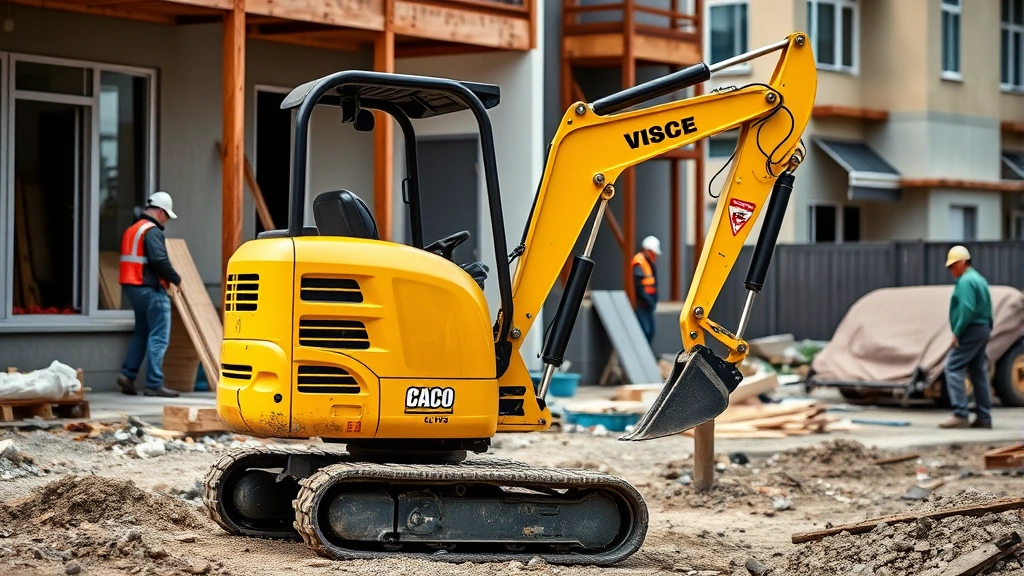
The mini excavator market has experienced remarkable growth over the past five years, driven by increased demand from construction companies, landscaping businesses, and rental equipment retailers. As an e-commerce business owner focused on heavy equipment sales, understanding the market dynamics, customer preferences, and pricing trends is essential for staying competitive. Mini excavators—typically weighing between 2 to 10 tons—have become indispensable tools for contractors working in confined spaces where full-sized excavators cannot operate efficiently.
The global mini excavator market was valued at approximately $8.2 billion in 2023 and is projected to grow at a compound annual growth rate (CAGR) of 6.5% through 2030, according to industry analysts. This expansion reflects broader trends in construction automation, infrastructure development, and the rising preference for compact equipment among small to medium-sized enterprises. For retailers selling mini excavators online, this presents a significant opportunity to capture market share by offering competitive pricing, detailed product information, and streamlined purchasing processes.
Whether you’re operating an e-commerce platform for heavy equipment or expanding your current inventory, this comprehensive guide explores what buyers seek when shopping for mini excavators, market trends, and strategic insights for maximizing sales.
Understanding the Mini Excavator Market Landscape
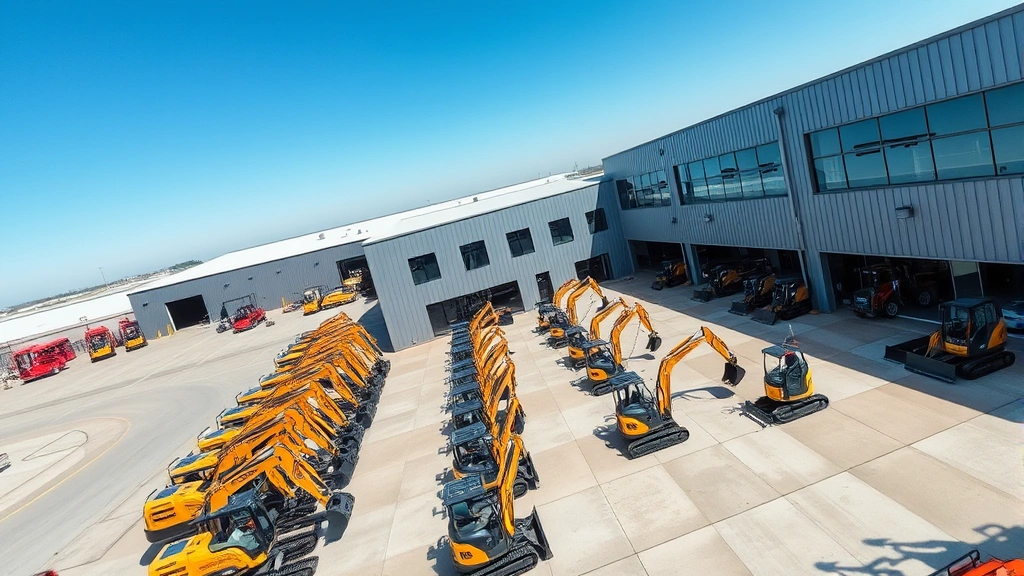
The mini excavator market encompasses several distinct customer segments, each with unique purchasing criteria and budget constraints. Contractors specializing in landscaping, utility work, and residential construction represent the largest segment, accounting for approximately 45% of total sales. Equipment rental companies comprise another significant portion at 30%, while municipalities, government agencies, and private enterprises make up the remaining 25%.
Recent market research from Grand View Research indicates that North America holds the largest market share, representing 38% of global mini excavator sales, followed by Asia-Pacific at 35%. The Asia-Pacific region is experiencing the fastest growth rate, driven by rapid urbanization, infrastructure development projects, and increasing adoption of mechanized construction methods in emerging economies.
Consumer behavior studies reveal that equipment buyers increasingly rely on online research before making purchasing decisions. According to McKinsey & Company’s latest B2B purchasing report, 72% of industrial equipment buyers conduct online research, compare specifications, and read customer reviews before contacting sales representatives. This shift underscores the importance of maintaining comprehensive, accurate product listings on your e-commerce platform.
The rental market has become particularly influential in shaping mini excavator demand. Equipment rental companies purchase mini excavators for fleet expansion, and their purchasing power drives wholesale pricing. For online retailers, understanding rental market trends helps predict demand fluctuations and optimize inventory levels accordingly. Implementing inventory management software becomes crucial when managing heavy equipment with long lead times and variable demand patterns.
Key Features Buyers Evaluate When Purchasing Mini Excavators
Successful equipment retailers must understand the specific technical specifications and operational features that influence purchasing decisions. Mini excavator buyers typically evaluate equipment across multiple dimensions:
- Operating Weight: Ranges from 1.5 to 10 tons, affecting transportability, fuel efficiency, and operational capabilities. Lighter models (under 5 tons) appeal to landscapers and utility contractors, while heavier models attract construction companies requiring greater digging force.
- Bucket Capacity: Standard buckets range from 0.15 to 0.5 cubic meters. Buyers consider bucket capacity alongside dig depth and reach to assess whether equipment matches their typical job requirements.
- Engine Power: Measured in horsepower (HP) and typically ranging from 10 to 30 HP. Fuel efficiency and emission standards increasingly influence purchasing decisions as environmental regulations tighten.
- Dig Depth and Reach: Critical specifications for assessing whether equipment can handle specific job requirements. Maximum dig depths typically range from 2 to 4 meters.
- Fuel Type: Diesel remains the standard, but hybrid and electric mini excavators are emerging as premium options for environmentally conscious buyers and operators in emission-restricted zones.
- Attachment Compatibility: Quick-coupler compatibility and availability of specialized attachments (augers, breakers, grapples) significantly influence purchase decisions.
- Ease of Transport: Compact dimensions and low weight make mini excavators attractive compared to full-sized alternatives, but buyers carefully evaluate transport costs and trailer requirements.
When creating product listings, ensure all specifications are clearly presented with comparison tools that allow buyers to evaluate multiple models side-by-side. Your e-commerce platform should include detailed specification tables and downloadable PDF datasheets for each model.
Top Brands and Models Dominating the Market
The mini excavator market features several established manufacturers with strong market presence and brand loyalty. Caterpillar, Komatsu, Volvo, JCB, and Kubota collectively control approximately 60% of the global market. However, Chinese manufacturers including SANY, XCMG, and Liugong have significantly increased market share over the past decade, offering competitive pricing and improved quality standards.
Leading models across price segments include:
- Caterpillar 303.5 Mini Hydraulic Excavator: Premium positioning with advanced technology, commanding 15-20% price premium over competitors. Appeals to large contractors and rental companies prioritizing reliability and resale value.
- Komatsu PC35MR-5: Mid-range option popular among landscapers and utility contractors. Strong dealer network and parts availability support long-term ownership costs.
- JCB 8018 CTS: Compact design ideal for confined spaces, particularly popular in European markets and urban construction applications.
- Kubota KX033-4: Entry-level model attracting small contractors and owner-operators. Competitive pricing and fuel efficiency drive sales in price-sensitive segments.
- SANY SY55C: Chinese manufacturer offering excellent value proposition, gaining market share in price-conscious markets and rental fleet applications.
For retailers, stocking a balanced mix of premium and value-oriented brands helps capture diverse customer segments. Building relationships with multiple manufacturers and securing competitive wholesale pricing enables margin optimization while maintaining competitive retail pricing.
Pricing Strategies and Competitive Analysis
Mini excavator pricing varies significantly based on brand, specifications, and market conditions. New equipment pricing typically ranges from $35,000 for entry-level models to $150,000+ for premium, fully-equipped units. Used mini excavators command 50-70% of new equipment prices, depending on age, condition, and hours of operation.
Strategic pricing requires understanding your cost structure, competitor positioning, and target customer segments. Industry data from Equipment Today suggests that retailers maintaining 15-25% gross margins on new equipment sales remain competitive while supporting operational overhead. However, margins vary by market segment—rental companies negotiate volume discounts of 20-35%, while individual contractors typically accept standard retail pricing.
Implementing dynamic pricing strategies based on inventory levels, seasonal demand, and competitive positioning optimizes revenue. During peak construction seasons (spring and summer), demand increases and price pressure typically decreases. Conversely, off-season periods (winter months) often require promotional pricing to maintain sales velocity.
Consider implementing tiered pricing structures that reward volume purchases and incentivize rental companies to consolidate purchases with your business. Offering financing options through equipment financing partners expands your addressable market by enabling smaller contractors to make purchases that might otherwise exceed their immediate capital availability.
How to Optimize Your Equipment Listings
Effective product listings directly impact conversion rates and customer satisfaction. Each mini excavator listing should include:
- Comprehensive Specifications: Complete technical data presented in easily scannable format. Include operating weight, bucket capacity, dig depth, maximum reach, engine specifications, fuel capacity, and all relevant dimensions.
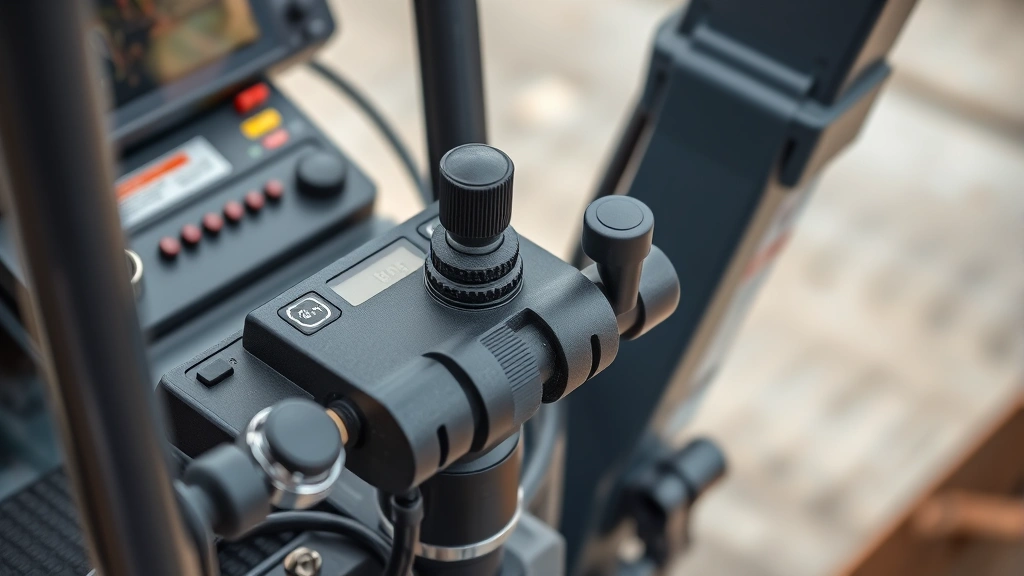
- High-Quality Imagery: Multiple professional photographs showing equipment from different angles, close-ups of control systems, and attachments in use. Buyers cannot physically inspect equipment online, so visual quality significantly influences purchase confidence.
- Detailed Descriptions: Beyond specifications, describe practical applications, maintenance requirements, and operational advantages compared to competing models. Help buyers understand why specific equipment suits their needs.
- Attachment Information: Clearly identify compatible attachments and provide information about availability, pricing, and installation procedures.
- Financing Information: Display available financing options, terms, and estimated monthly payments for different loan structures.
- Warranty and Support: Clearly communicate warranty coverage, service support options, parts availability, and dealer network information.
- Customer Reviews and Testimonials: Integrate verified customer feedback highlighting real-world performance, reliability, and satisfaction.
Leverage e-commerce analytics tools to monitor which listings generate highest engagement and conversion rates. A/B test different product descriptions, image arrangements, and pricing displays to identify optimization opportunities.
Marketing Mini Excavators to Target Audiences
Successful equipment marketing requires reaching decision-makers within target customer segments through appropriate channels. Comprehensive e-commerce marketing strategies should incorporate multiple approaches:
Content Marketing: Develop detailed guides, case studies, and technical resources addressing common customer questions. Blog content targeting keywords like “mini excavator for residential construction” or “compact excavator for landscaping” attracts organic search traffic and establishes authority. Create comparison guides helping buyers evaluate different models and brands.
Search Engine Marketing: Implement Google Ads campaigns targeting high-intent keywords like “buy mini excavator online” and “mini excavator for sale near me.” Retargeting campaigns remind previous website visitors about your offerings as they research competing platforms.
Industry Partnerships: Establish relationships with construction associations, landscaping trade groups, and equipment rental networks. Sponsoring industry events and trade shows builds brand awareness among target customers.
Email Marketing: Develop segmented email campaigns targeting different customer types—contractors, rental companies, and municipalities—with customized product recommendations and promotional offers.
Social Media Strategy: Leverage LinkedIn to reach business decision-makers, Instagram to showcase equipment in action, and YouTube for product demonstrations and customer testimonials.
Video Content: Create demonstration videos showing mini excavators operating in realistic conditions, highlighting specific features and attachment capabilities. Video content significantly improves engagement and conversion rates compared to static product pages.
Inventory Management for Heavy Equipment Retailers
Managing mini excavator inventory presents unique challenges compared to typical e-commerce products. Extended lead times from manufacturers (often 60-90 days), significant capital requirements, and variable demand necessitate sophisticated planning.
Effective inventory management requires:
- Demand Forecasting: Analyze historical sales data, seasonal patterns, and market trends to predict future demand. Construction activity indices and equipment rental market reports provide valuable forecasting inputs.
- Supplier Relationships: Maintain strong partnerships with multiple manufacturers to ensure supply reliability and negotiate favorable terms. Diversifying supplier base mitigates supply chain disruptions.
- Just-In-Time Strategies: For high-value equipment, consider order-to-delivery models where you secure customer purchase commitments before ordering from manufacturers, reducing inventory carrying costs.
- Safety Stock Calculations: Balance carrying cost against stockout risk. For popular models in peak seasons, maintaining 2-3 months of inventory may be appropriate, while slower-moving models warrant lower stock levels.
- Technology Integration: Implement inventory management software providing real-time visibility across multiple locations, automated reorder triggers, and integration with your e-commerce platform.
Consider implementing a hybrid model combining owned inventory with drop-shipping arrangements for slower-moving models or specialized equipment. This approach optimizes capital efficiency while maintaining broad product availability.
FAQ
What is the average price of a mini excavator for sale?
New mini excavator prices typically range from $35,000 to $150,000 depending on brand, size, and features. Entry-level models from value-oriented manufacturers start around $35,000, while premium brands like Caterpillar command prices exceeding $100,000. Used equipment typically costs 50-70% of new equipment prices.
Which mini excavator brand offers the best value?
Value perception varies by market segment. Established brands like Kubota, Komatsu, and JCB offer excellent reliability and strong resale value, justifying premium pricing. Chinese manufacturers including SANY and XCMG provide competitive pricing and improving quality, appealing to price-conscious buyers. Evaluate specific models against your requirements rather than relying solely on brand reputation.
How do I finance a mini excavator purchase?
Equipment financing options include traditional bank loans, manufacturer financing programs, and specialized equipment finance companies. Most equipment retailers partner with finance providers offering 24-84 month terms with varying down payment requirements (typically 10-25%). Online calculators help estimate monthly payments for different financing structures.
What are common mini excavator applications?
Mini excavators serve diverse applications including landscaping, utility work, residential construction, demolition, trenching, and material handling. Their compact size enables operation in confined spaces where full-sized equipment cannot function, making them ideal for urban construction and residential projects.
How often should mini excavators be serviced?
Manufacturer recommendations typically specify service intervals every 250-500 hours of operation or annually, whichever occurs first. Regular maintenance including oil changes, filter replacement, and hydraulic system inspection extends equipment lifespan and maintains warranty coverage. Rental companies often service equipment more frequently due to intensive use patterns.
Can mini excavators be transported easily?
Yes, mini excavators under 10 tons can be transported on standard trailers, making them significantly more portable than full-sized equipment. Transport costs vary based on distance and local availability of equipment haulers. Many buyers factor transportation costs into total acquisition expenses when evaluating equipment investments.
What should I consider when comparing mini excavator models?
Key comparison factors include operating weight, bucket capacity, dig depth, maximum reach, engine power, fuel efficiency, attachment compatibility, warranty coverage, and dealer support availability. Develop detailed comparison spreadsheets enabling side-by-side evaluation of specifications most relevant to your specific applications.