
Affordable Homes Under 100K? Market Insights for Budget-Conscious Buyers
The dream of homeownership has traditionally seemed out of reach for many Americans, with median home prices climbing steadily across most markets. However, a surprising segment of the real estate market continues to offer opportunities for buyers seeking houses for sale under 100k. These affordable properties exist in specific regions and circumstances, presenting viable pathways to building equity and achieving financial stability through real estate investment. Understanding where these homes are located, what condition they’re typically in, and how to navigate the purchasing process is essential for anyone considering this market segment.
The under-100k home market represents a unique intersection of opportunity and challenge. While these properties offer unprecedented affordability compared to national averages, they require informed decision-making and strategic planning. This comprehensive guide explores the current landscape of budget-friendly real estate, identifying which regions still offer genuinely affordable options, what factors drive these lower price points, and actionable strategies for buyers looking to enter the market at this price level.
Where Can You Find Houses Under 100K?
Geographic location is the primary determinant of whether a home can realistically be purchased for under $100,000. Certain regions across the United States maintain housing markets where this price point remains achievable, though availability varies significantly by state and specific locality.
Midwest and Great Plains regions consistently offer the most abundant inventory of affordable homes. States including Ohio, Indiana, Michigan, Kentucky, and Kansas feature numerous communities where residential properties remain accessible at this price level. Rural areas throughout these states frequently list homes under 100k, with some properties available well below this threshold. Small towns and declining industrial centers often have particularly affordable options as younger populations migrate to metropolitan areas.
The South presents another viable market for budget-conscious buyers. Arkansas, Mississippi, Louisiana, and West Virginia feature pockets of affordable housing, particularly in rural and post-industrial communities. These regions have experienced population shifts that created buyer’s markets in certain areas, directly benefiting those seeking entry-level price points.
According to Zillow’s housing market research, rural properties and homes in economically distressed areas consistently trade at significant discounts compared to suburban and urban counterparts. Understanding regional market dynamics is crucial for identifying genuine opportunities versus markets where sub-100k pricing indicates serious structural issues.
Why Are Some Homes Priced This Low?
Understanding the underlying reasons for ultra-affordable pricing helps buyers distinguish between legitimate opportunities and problematic purchases. Several legitimate factors contribute to homes selling for under $100,000.
Population decline and economic shifts represent primary drivers of affordability in many markets. Communities that experienced manufacturing industry collapse, agricultural consolidation, or resource extraction downturns often see sustained housing price depression. These areas may have stable housing stock but insufficient demand to support higher valuations. Buyers willing to relocate to these communities can access real estate at fraction-of-national-average pricing.
Homes requiring substantial repairs and renovation frequently price under 100k, even in markets where comparable move-in-ready properties command significantly higher prices. Distressed properties, foreclosures, and estate sales often fall into this category. These represent opportunities for buyers with renovation capital and DIY expertise, though they require realistic assessment of repair costs.
Age and outdated infrastructure impact pricing substantially. Homes built in the early 20th century or earlier, particularly those with original plumbing, electrical systems, and heating infrastructure, often price lower than newer construction. While these properties can be charming and structurally sound, updating mechanical systems represents significant expense.
The Redfin real estate market analysis indicates that homes in declining neighborhoods, those with title complications, and properties with limited buyer appeal due to layout or location factors consistently represent the most affordable segments of any market.
Condition and Inspection Considerations
Professional inspection becomes absolutely critical when purchasing homes in the under-100k price range. The lower purchase price often reflects underlying issues that require professional evaluation before committing to purchase.
Structural assessment must be the foundation of any inspection process. Foundation cracks, settling issues, water damage, and structural deterioration can represent costs exceeding the entire purchase price. Professional structural engineers can identify problems that general inspectors might miss. For homes under 100k, this investment in expert evaluation is non-negotiable.
Environmental testing should be prioritized in industrial areas and former manufacturing communities. Soil contamination, lead paint, asbestos, and other environmental hazards can render properties uninhabitable or require expensive remediation. Many states offer environmental assessment programs that can provide baseline information about area risks.
Mechanical systems evaluation requires detailed attention. Replacing HVAC systems, water heaters, electrical panels, and plumbing infrastructure can easily total $15,000-$30,000. Understanding the condition and remaining lifespan of these systems is essential for accurate cost assessment.
Pest and moisture damage inspection often reveals hidden costs in affordable properties. Termite damage, mold growth, and water intrusion problems can compromise structural integrity and create health hazards. These issues frequently appear in older, less-maintained properties typical of the under-100k market segment.

Financing Options for Budget Properties
Financing homes under $100,000 presents unique challenges and opportunities compared to conventional mortgage lending. Many traditional lenders show reluctance to issue mortgages below certain thresholds due to underwriting costs, creating alternative financing pathways for budget buyers.
FHA loans remain available for homes under 100k and often represent the most accessible conventional financing option. These government-backed mortgages allow lower down payments (typically 3.5%) and more flexible credit requirements than conventional loans. However, FHA loans still require the property to meet minimum property standards, which can exclude severely distressed homes.
Seller financing arrangements have become increasingly common in the under-100k market. Property owners, particularly those dealing with inherited properties or real estate held for investment purposes, sometimes offer direct financing to buyers. These arrangements typically involve negotiated terms, down payments, and interest rates established between buyer and seller. While this approach provides access to financing for buyers with challenged credit histories, careful legal review is essential to ensure fair terms.
Cash purchases represent another viable strategy for under-100k properties. Buyers with available capital can eliminate financing costs, appraisal requirements, and lender-imposed property condition standards. This approach requires substantial liquid assets but can provide significant advantages in competitive situations.
Renovation loans and construction financing exist specifically for properties requiring substantial work. These loans fund both purchase price and renovation costs, disbursed as work progresses. Programs like FHA 203(k) loans allow borrowers to finance both acquisition and repairs through a single mortgage, though qualification requirements can be stringent.
Investment Potential and Long-Term Value
Evaluating investment potential for homes under 100k requires realistic assessment of appreciation prospects, rental income possibilities, and market fundamentals in target areas.
Rental income generation presents a primary investment thesis for affordable properties. In markets where rents remain stable or growing while purchase prices remain depressed, rental yields can be attractive. A $70,000 home generating $800 monthly rent represents approximately 13.7% annual gross yield before expenses. However, this opportunity exists primarily in stable communities with reliable tenant demand, not in declining areas where affordability stems from population loss.
Appreciation potential varies significantly based on market trajectory. Homes in stable, slowly growing communities may appreciate modestly (2-3% annually) while offering reliable rental income. Conversely, homes in declining areas may face stagnant or negative appreciation despite affordable purchase prices. Understanding whether an area is stabilizing after decline or continuing downward is crucial for investment decisions.
The U.S. Census Bureau housing data provides valuable context for assessing market fundamentals. Population trends, employment growth, and demographic shifts help investors distinguish between genuinely recovering markets and areas with structural challenges.
Flipping potential exists in markets where renovation costs are reasonable relative to after-repair values. Investors can purchase distressed properties, complete renovations, and resell at market rates. However, this strategy requires accurate cost estimation, realistic timeline planning, and access to capital for both purchase and renovation.
Red Flags and Risk Management
Certain indicators should prompt extreme caution or deal rejection regardless of attractive pricing. Understanding these red flags protects buyers from catastrophic financial mistakes.
Title problems represent serious obstacles that can prevent purchase completion or create ongoing legal complications. Properties with unclear ownership histories, multiple lien holders, or unresolved disputes should be avoided unless legal counsel confirms resolution pathways. Title insurance becomes absolutely essential for all under-100k purchases.
Declining neighborhood trajectories suggest continued price depreciation rather than appreciation. Areas experiencing population loss, rising unemployment, or deteriorating public services may see continued price declines. Buyers should research 10-year trends rather than making assumptions based on current pricing.
Properties with significant deferred maintenance require professional cost estimation before purchase. When inspection reveals decades of deferred maintenance across multiple systems, repair costs often exceed initial estimates dramatically. Contractors should provide written estimates for all major work.
Neighborhood crime rates and safety concerns impact both livability and resale potential. Researching crime statistics, speaking with neighbors, and visiting at various times of day provide realistic assessment of neighborhood safety.
Tax lien properties and homes in tax foreclosure situations require careful investigation. While these can represent genuine bargains, they often come with complications requiring legal expertise to navigate successfully.
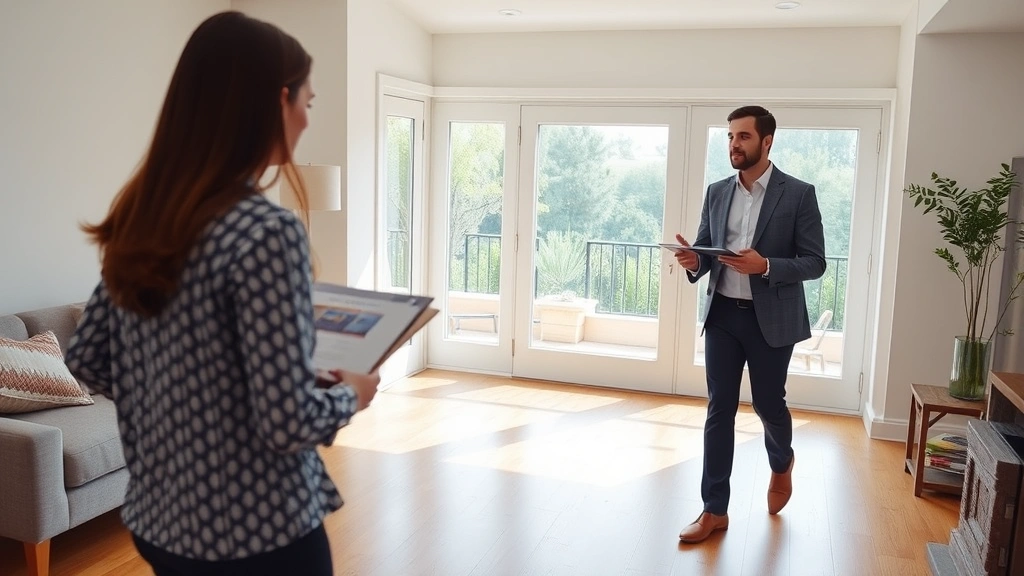
Negotiation Strategies for Affordable Homes
Effective negotiation becomes particularly important in the under-100k market where pricing often reflects motivated sellers or distressed properties. Strategic approaches can yield additional savings or improved property conditions.
Inspection-based negotiation leverages professional findings to justify price reductions or seller-funded repairs. When inspection reveals $15,000 in needed HVAC replacement, requesting seller contribution toward this cost or price reduction is entirely reasonable. Documentation from licensed contractors provides negotiating leverage.
Bulk purchasing strategies apply when investors identify multiple undervalued properties in the same market. Offering to purchase multiple properties simultaneously can yield per-property discounts that wouldn’t be available for single purchases.
Timing-based approaches recognize seasonal patterns in real estate. Winter months, periods of economic uncertainty, and market downturns often create more motivated sellers. Flexibility regarding timing can yield better negotiating positions.
Understanding how to evaluate investment opportunities across different asset classes helps real estate investors make comparative decisions. While real estate differs fundamentally from e-commerce or digital products, disciplined evaluation frameworks apply across investment categories.
Pre-approval documentation strengthens negotiating position substantially. Sellers respond more favorably to buyers demonstrating financing readiness. Clear proof of funds for cash purchases or loan pre-approval letters for financed transactions signals serious intent.
Working with experienced real estate professionals familiar with local markets provides valuable negotiating insights and market knowledge. Agents working in under-100k segments understand local pricing patterns, motivated seller situations, and realistic repair cost estimates for specific communities.
For investors considering real estate as portfolio diversification, understanding how to market investment properties effectively becomes important for eventual exits. Properties intended for resale benefit from strategic renovation and presentation aligned with target buyer preferences.
FAQ
What is the average condition of homes under 100k?
Condition varies dramatically. Some are well-maintained properties in affordable areas, while others require substantial renovation. Professional inspection is absolutely necessary before purchase. Many under-100k homes fall into the middle range—structurally sound but cosmetically outdated with aging mechanical systems.
Can I get a mortgage for a house under 100k?
Yes, though some traditional lenders impose minimum loan amounts that complicate financing. FHA loans, seller financing, and cash purchases represent viable pathways. Working with lenders experienced in affordable property financing increases success probability.
What states have the most houses under 100k available?
Ohio, Indiana, Michigan, Kentucky, Arkansas, Mississippi, and West Virginia consistently offer the most abundant inventory. Rural areas throughout these states and similar regions feature numerous sub-100k listings.
Is buying a home under 100k a good investment?
Investment potential depends entirely on specific property characteristics and market fundamentals. Properties in stable communities with rental demand can generate attractive returns. Homes in declining areas may face appreciation challenges despite affordable purchase prices.
What are the biggest risks when buying affordable homes?
Hidden repair costs, title complications, environmental contamination, and continued neighborhood decline represent primary risks. Professional inspection, title insurance, and market research mitigate these dangers substantially.
How much should I budget for repairs on an under-100k home?
This varies dramatically based on property condition. Conservative estimates suggest setting aside 10-15% of purchase price for necessary repairs and updates. Distressed properties may require substantially more. Professional inspection should provide detailed repair estimates.
Should I buy an under-100k home as a first property or investment?
Both approaches work depending on personal circumstances. First-time buyers gain homeownership benefits and equity building. Investors pursuing rental income or flipping strategies should focus on market fundamentals and income potential rather than purchase price alone.