Buying a Food Truck? Expert Tips & Insights for Success
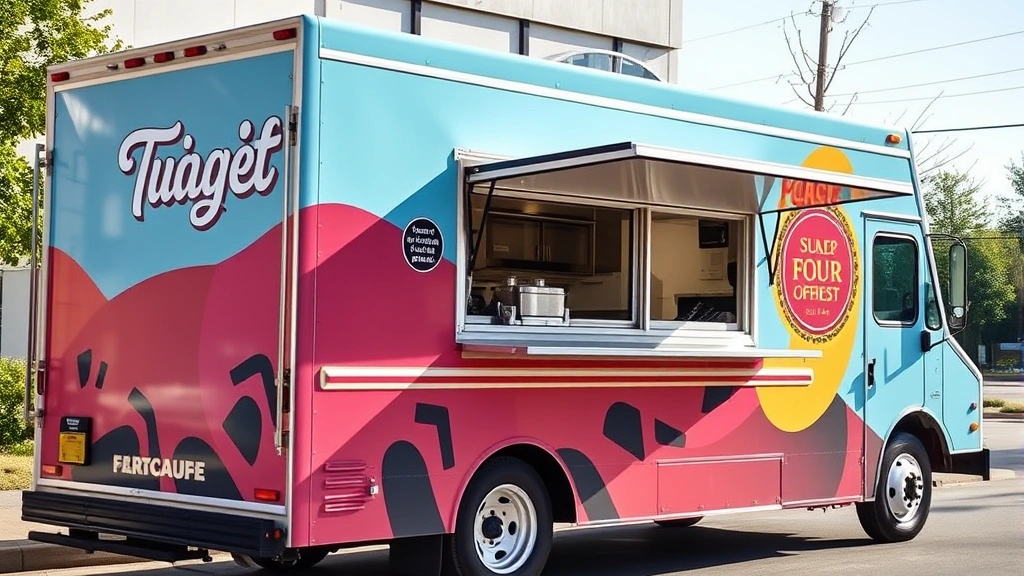
The food truck industry has exploded over the past decade, transforming from a novelty into a legitimate business model that generates billions in annual revenue. Whether you’re an aspiring entrepreneur or an established restaurateur looking to diversify, purchasing a food truck for sale represents an exciting opportunity with lower overhead costs than traditional brick-and-mortar establishments. However, navigating the food truck market requires strategic planning, financial acumen, and operational knowledge that many first-time buyers overlook.
This comprehensive guide walks you through every critical aspect of buying a food truck, from initial market research and financial planning to operational logistics and long-term growth strategies. We’ll examine the real costs involved, help you identify the right vehicle for your concept, and provide actionable insights that industry experts use when launching successful mobile food operations. Whether you’re interested in gourmet tacos, artisan coffee, or specialty desserts, understanding these fundamentals will position your business for sustainable profitability.
Understanding the Food Truck Market Landscape
Before investing substantial capital into a food truck, comprehensive market analysis is essential. The mobile food service industry has matured significantly, with successful operators reporting profit margins between 6-9% annually, though high-performing trucks can achieve 15% or higher. According to IBISWorld industry research, the food truck sector continues growing at approximately 12% annually, driven by changing consumer preferences toward convenience and diverse culinary experiences.
Market saturation varies dramatically by geography. Urban centers and college towns typically support multiple food trucks, while suburban and rural markets may have limited demand. Conduct thorough competitive analysis by identifying existing food trucks in your target area, documenting their concepts, pricing, peak hours, and customer reviews. This research reveals demand gaps—underserved cuisines, underutilized locations, or unmet customer preferences that your business can address.
Demographics matter considerably. Younger consumers (ages 18-35) represent the primary food truck customer base, though upscale mobile concepts increasingly attract affluent diners. Understanding your target demographic’s preferences, spending habits, and location patterns directly influences your concept viability and revenue projections.
Financial Planning and Budget Considerations
Purchasing a food truck requires substantial upfront investment that extends beyond the vehicle purchase price. Prospective owners must account for multiple expense categories to create realistic financial projections. A new, fully equipped food truck typically costs $60,000-$85,000, while used vehicles range from $20,000-$50,000 depending on age, condition, and existing equipment quality.
Beyond vehicle acquisition, budget for these critical expenses:
- Commercial kitchen equipment: $15,000-$30,000 for grills, fryers, refrigeration, point-of-sale systems, and specialized cooking apparatus
- Initial inventory and supplies: $3,000-$8,000 for opening stock and vendor relationships
- Licensing and permits: $2,000-$5,000 for health permits, business licenses, and operational certifications
- Insurance: $3,000-$6,000 annually for general liability, vehicle, and workers’ compensation coverage
- Marketing and branding: $2,000-$5,000 for vehicle wrap, signage, social media presence, and initial promotional campaigns
- Working capital reserve: $5,000-$10,000 for operational expenses during ramp-up period
Total initial investment typically ranges from $90,000-$150,000, though specialized or gourmet concepts may require additional capital. This financial reality emphasizes the importance of understanding proper business structure and financial management, similar to principles that apply across all small business ventures.
Financing options include traditional small business loans, SBA loans (which often feature favorable terms for food service businesses), equipment financing, and personal investment. Many successful food truck operators recommend maintaining a 12-month operating expense reserve, given seasonal revenue fluctuations and unexpected maintenance costs.
Choosing the Right Vehicle and Equipment
Vehicle selection significantly impacts operational efficiency, product quality, and long-term profitability. Food trucks range from basic pushcarts to fully customized commercial kitchens on wheels. Your concept directly determines appropriate vehicle specifications.
Standard food truck options include:
- Gasoline-powered trucks (Step vans): Most common option, typically 18-22 feet long, offering adequate space for most concepts, with purchase prices between $30,000-$60,000 used
- Diesel-powered trucks: More fuel-efficient for high-volume operations, better for long-distance travel, prices $40,000-$75,000 used
- Vintage or specialty vehicles: Airstreams, school buses, or custom trailers ($25,000-$100,000+) offering unique branding opportunities but requiring extensive customization
- Cart-based operations: Mobile carts or trailers for simpler concepts, lowest entry cost ($5,000-$20,000) but limited menu capabilities
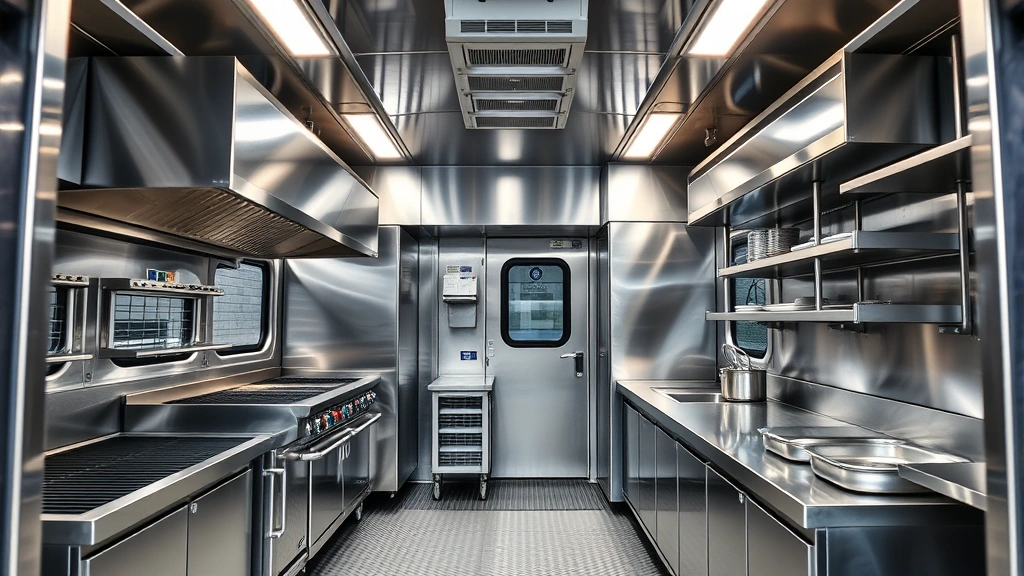
Equipment selection requires balancing concept requirements against space constraints and power availability. Critical considerations include:
- Electrical capacity: Most food trucks operate on 30-50 amp service; verify your concept’s power requirements
- Water and waste systems: Capacity for daily operations plus compliance with local health codes
- Cooking equipment: Match equipment to your menu (griddles for breakfast, fryers for fried foods, ovens for pizza, etc.)
- Refrigeration: Adequate cold storage for inventory and food safety compliance
- Point-of-sale technology: Modern payment processing and inventory management systems
Purchase used equipment when possible to reduce costs. Food service equipment suppliers frequently resell commercial-grade gear at 40-60% discounts compared to new equipment. However, ensure thorough inspection of mechanical systems before purchase, as expensive repairs can quickly eliminate projected savings.
Legal Requirements and Licensing
Operating a food truck legally requires navigating complex regulatory frameworks that vary significantly by jurisdiction. Overlooking legal requirements creates substantial liability and operational disruption risks. Essential legal components include:
Business Structure: Choose between sole proprietorship, LLC, S-Corp, or C-Corp. Most food truck operators select LLC structures for liability protection and tax flexibility. Consult with a business attorney to determine optimal structure for your situation.
Food Service Permits: Health departments issue permits based on your specific food preparation activities. Commissary kitchen certifications, food handler permits, and health inspections are standard requirements. Many jurisdictions require owner certification in food safety (ServSafe certification is widely recognized). Budget 4-8 weeks for permit approval processes.
Business Licenses: Municipal business licenses, seller’s permits, and tax identification numbers are foundational requirements. Register with your state’s Secretary of State and obtain an Employer Identification Number (EIN) from the IRS.
Vehicle Registration: Commercial vehicle registration differs from personal vehicles, requiring commercial plates and potentially additional insurance classifications.
Employment Compliance: If hiring employees, establish payroll systems, obtain workers’ compensation insurance, and comply with employment tax requirements. Many food truck operators initially operate solo to minimize complexity, though this creates sustainability challenges.
Location Strategy and Permits
Location decisions represent perhaps the most critical factor determining food truck profitability. Outstanding food cannot overcome poor location selection. Strategic location analysis involves examining foot traffic patterns, demographic alignment, competitive density, and permit availability.
High-Traffic Locations: Business districts during lunch hours, entertainment venues during events, festivals and farmers markets, college campuses, and popular parks generate consistent customer flow. However, these premium locations often require permits that may cost $500-$2,000 monthly or demand revenue-sharing arrangements with property owners.
Permit Complexity: Permit requirements vary dramatically by municipality. Some cities prohibit food trucks entirely, while others require specific zones or distance requirements from established restaurants. Contact your municipal health department and city planning office early to understand permitting landscape before making purchase decisions. Unexpected permit restrictions can render a vehicle purchase financially unviable.
Multi-Location Strategy: Successful operators often operate at different locations throughout the week—business districts for lunch, entertainment districts for dinner, farmers markets on weekends. This diversification reduces location-specific risk and maximizes equipment utilization.
Private Property Partnerships: Negotiate arrangements with property owners (shopping centers, office parks, breweries, etc.) who benefit from customer-attracting food trucks. These partnerships often provide reliable locations with lower permit complexity than street-based operations.
Menu Development and Food Safety
Your menu directly determines equipment needs, operational complexity, ingredient costs, and pricing strategy. Successful food truck concepts typically focus on 8-12 core items rather than attempting broad menus that stretch operational capabilities and compromise quality.
Menu Strategy Principles:
- Operational efficiency: Select items sharing ingredients and cooking methods to minimize waste and complexity
- Margin optimization: Balance popular items with high-margin specialty offerings
- Brand differentiation: Develop unique items competitors cannot easily replicate
- Seasonal flexibility: Maintain core menu while featuring seasonal specials to maintain customer interest
- Cost predictability: Choose items with stable ingredient costs to protect profit margins
Food safety represents non-negotiable operational priority. Regulatory agencies conduct surprise inspections, and violations result in operational shutdowns, fines, and reputation damage. Implement these critical practices:
- Maintain separate cutting boards for proteins, vegetables, and allergens
- Monitor food temperatures continuously using calibrated thermometers
- Establish proper hand-washing protocols with hot water and soap
- Document daily temperature logs for refrigeration units
- Train all staff on cross-contamination prevention and allergen handling
- Maintain detailed records of ingredient suppliers for traceability
Consider obtaining certification from recognized food safety programs beyond basic health permits. These credentials build customer trust and demonstrate professional operational standards.
Marketing Your Food Truck Business
Excellent food alone generates limited customer awareness. Strategic marketing builds brand recognition and drives sustained customer acquisition. Effective food truck marketing combines digital strategies with experiential engagement.
Digital Marketing Foundation: Social media platforms (Instagram, TikTok, Facebook) are essential for food truck visibility. Post high-quality food photography, location announcements, daily specials, and customer testimonials. Instagram particularly drives food truck discovery, as visually compelling content encourages sharing and viral potential. Consider implementing comprehensive marketing strategies adapted for mobile operations.
Location Broadcasting: Apps like Roaming Hunger, Street Food Finder, and Google Maps allow customers to locate your truck. Update your location daily to ensure accurate information. Many operators use social media stories to announce location changes in real-time.
Brand Development: Invest in professional vehicle wrapping that communicates your concept, displays mouth-watering imagery, and includes contact information. The wrapped truck becomes a moving advertisement generating impressions throughout your operating territory.
Customer Loyalty Programs: Digital loyalty systems encourage repeat purchases. Simple punch-card programs or app-based rewards (every 10th item free) create customer stickiness without complex infrastructure.
Event Participation: Festivals, concerts, farmers markets, and community events provide concentrated customer access. Premium event fees often justify attendance through volume sales. Build relationships with event organizers for recurring opportunities.
Staffing and Operations Management
Operational excellence determines whether your food truck becomes a sustainable business or exhausting lifestyle. Many first-time operators underestimate the physical and mental demands of food truck operations.
Solo vs. Team Operations: Initial solo operation minimizes labor costs but creates burnout risk and operational limitations. Growth typically requires hiring crew members for food preparation, customer service, and vehicle operation. Budget $15-$18 hourly wages plus payroll taxes and workers’ compensation insurance.
Operational Procedures: Document standardized procedures for food preparation, inventory management, cash handling, and customer service. Consistent procedures ensure quality regardless of staff changes and facilitate training of new employees.
Inventory Management: Implement inventory tracking systems (spreadsheet-based or specialized software) to monitor ingredient usage, identify waste sources, and project purchasing needs. Excessive waste directly reduces profitability.
Maintenance Schedule: Establish regular maintenance routines for vehicle mechanical systems, refrigeration equipment, and cooking appliances. Preventive maintenance costs substantially less than emergency repairs that create operational downtime.
Financial Tracking: Maintain detailed daily sales records, ingredient costs, and operating expenses. Monthly financial review reveals profitability trends and identifies improvement opportunities. Many operators use accounting software like QuickBooks or specialized POS systems that generate financial reports automatically.
Technology and Point-of-Sale Systems
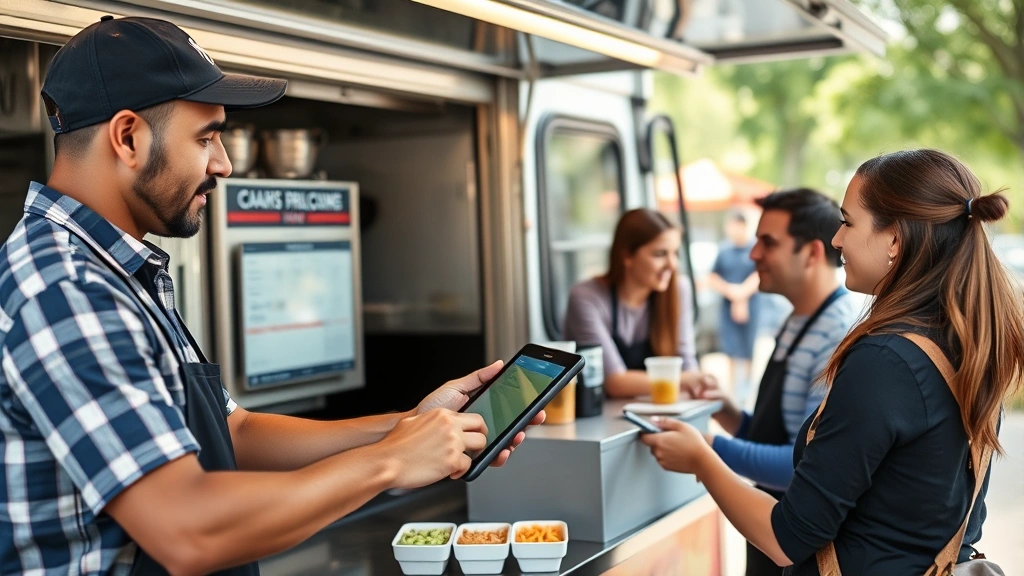
Modern point-of-sale systems transcend simple payment processing, providing inventory tracking, financial reporting, and customer insights that drive operational optimization. Technology investments typically range from $1,500-$3,000 for quality systems.
Essential POS Features:
- Mobile payment processing: Accept credit cards, mobile payments (Apple Pay, Google Pay), and contactless transactions
- Inventory integration: Track ingredient usage and generate low-stock alerts
- Sales reporting: Analyze sales by item, time period, and location to identify trends
- Employee management: Clock in/out, sales tracking by staff member, and performance metrics
- Customer data: Build customer databases for loyalty programs and targeted marketing
Popular food truck POS systems include Square for Restaurants, Toast, and Clover. These platforms offer cloud-based accessibility, allowing remote monitoring of sales and operations.
Internet connectivity is critical for modern operations. Ensure reliable mobile hotspot service (cellular or satellite) for payment processing, especially in areas with inconsistent coverage. Backup payment processing methods (manual card readers, cash-only contingency) protect against connectivity failures.
Consider customer-facing technology like digital menu boards displaying daily specials or pre-ordering systems that reduce wait times and improve customer experience. These innovations differentiate your operation from competitors.
Technology integration extends beyond POS systems. Understanding digital business infrastructure principles applies to food truck operations seeking to build omnichannel presence through online ordering, delivery partnerships, or catering services.
FAQ
How much does a food truck cost to buy?
Used food trucks typically cost $20,000-$50,000, while new fully-equipped trucks range from $60,000-$85,000. Additional equipment and startup expenses usually total $30,000-$65,000, making total initial investment $90,000-$150,000 for most operations.
What permits do I need to operate a food truck?
Required permits include health department food service permits, municipal business licenses, commercial vehicle registration, seller’s permits, and employer identification numbers. Specific requirements vary by jurisdiction, so contact your local health department and city planning office for precise requirements.
How much can a food truck make annually?
Profitable food trucks typically generate $250,000-$500,000 in annual revenue, with profit margins between 6-15% after expenses. High-performing operations in premium locations can exceed these figures, while struggling trucks may generate insufficient revenue to cover operating costs.
What’s the best food truck concept for beginners?
Simpler concepts (tacos, hot dogs, coffee) require less equipment investment and operational complexity than specialized cuisines. Focus on items with stable ingredient costs, quick preparation times, and broad customer appeal. Choose concepts you’re passionate about, as successful execution requires substantial personal commitment.
Should I buy a new or used food truck?
Used trucks minimize upfront investment, though they may require repairs and carry higher maintenance risk. New trucks offer equipment reliability and warranty protection but cost substantially more. Most beginning operators purchase used trucks to manage initial capital requirements, then upgrade after establishing profitability.
How do I find the best locations for my food truck?
Scout high-traffic areas (business districts, entertainment venues, events) and observe existing foot traffic patterns. Contact property owners for private location partnerships. Research permit requirements in target areas before making purchase decisions, as some municipalities severely restrict food trucks. Build relationships with event organizers for recurring opportunities.
What’s the most important factor for food truck success?
Location, operational consistency, and customer service quality are equally critical. Exceptional food cannot overcome poor location selection, inconsistent service, or unreliable schedules. Focus on delivering consistent, high-quality products at reliable times and locations to build customer loyalty.
Can I operate a food truck part-time?
Part-time operation is possible, particularly for weekend-only farmers market or event-based concepts. However, full-time operation typically generates higher profitability and justifies equipment investment. Many operators transition from part-time to full-time as customer demand grows.
Purchasing a food truck for sale represents a significant business investment requiring careful planning and realistic expectations. By thoroughly understanding market dynamics, financial requirements, legal obligations, and operational demands, prospective owners can build sustainable, profitable mobile food businesses. Success requires combining culinary excellence with business acumen, strategic marketing, and unwavering operational discipline. Start with comprehensive market research in your target area, validate your concept with potential customers, and develop detailed financial projections before making purchase commitments. With proper planning and execution, a food truck can become a foundation for restaurant empire expansion or a profitable standalone enterprise serving your community.