Top Used Motorcycles for Sale? Dealer Insights & Market Trends
The used motorcycle market has experienced unprecedented growth over the past five years, driven by increased consumer interest in alternative transportation and the rising cost of new vehicles. Dealers across North America report strong demand for pre-owned bikes, with inventory turnover rates climbing steadily. Understanding what buyers seek and how to position inventory effectively has become crucial for dealerships looking to capitalize on this expanding segment.
Whether you’re a dealer seeking to optimize your used motorcycle sales platform or a buyer navigating the market, this comprehensive guide reveals dealer insights, pricing strategies, and the most sought-after models shaping the industry today.
Market Overview: The Growing Used Motorcycle Sector
The used motorcycle market has transformed into a multi-billion dollar industry, with Statista reporting steady year-over-year growth in the pre-owned segment. Several factors contribute to this expansion. First, motorcycle ownership appeals to younger demographics seeking cost-effective transportation solutions. Second, experienced riders frequently upgrade to premium models, creating a robust secondary market for mid-range and entry-level bikes. Third, economic uncertainty encourages consumers to purchase reliable used equipment rather than new vehicles.
According to industry analysts, the average used motorcycle sells within 30-45 days when properly priced and marketed. Dealers who understand market dynamics report conversion rates 40% higher than those using outdated inventory management practices. The market has also become increasingly transparent, with online pricing databases and buyer forums making it difficult to overprice inventory.
When developing your e-commerce strategy for motorcycle sales, recognizing these market trends becomes essential. Dealers must adapt to digital-first consumers who research extensively before visiting showrooms.
Top Used Motorcycle Models Dealers Are Selling
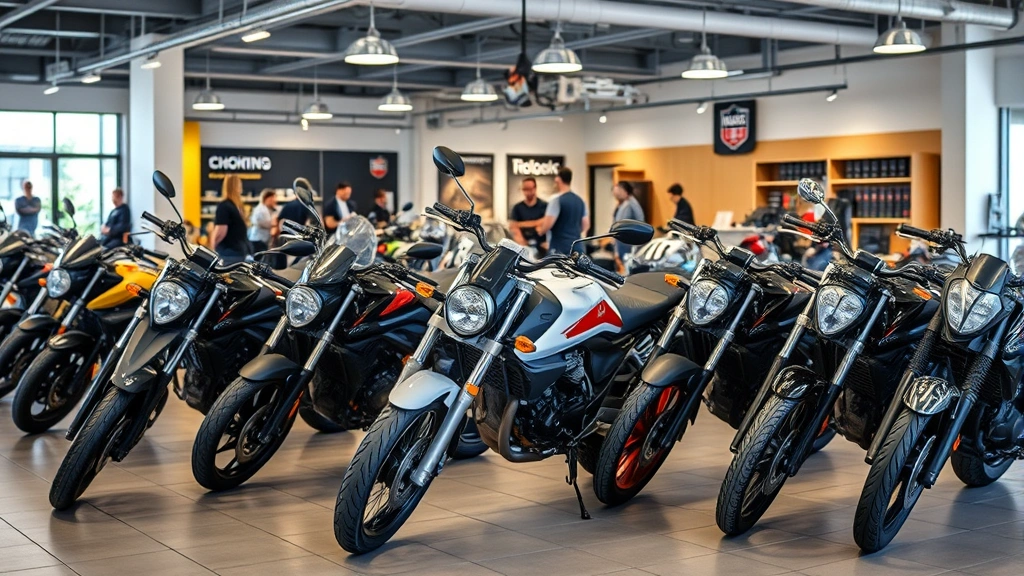
Dealer data reveals consistent patterns in what customers purchase. Cruisers dominate the used market, representing approximately 35% of all transactions. These bikes appeal to riders seeking comfort, style, and straightforward mechanics. Popular cruiser models include the Harley-Davidson Street 750, Honda Shadow, and Yamaha V-Star series. These bikes maintain strong resale value and attract both experienced and novice riders.
Sport bikes and street bikes comprise 28% of used motorcycle sales. The Kawasaki Ninja, Honda CBR, and Yamaha YZF series command premium prices among enthusiasts. These models appeal to performance-oriented buyers and younger demographics. While sport bikes may have higher maintenance costs, their popularity ensures steady demand.
Adventure and dual-sport motorcycles have emerged as the fastest-growing segment, now representing 22% of used sales. Models like the Honda CB500X, Kawasaki Versys, and BMW F-Series attract riders seeking versatility. This category appeals to both commuters and weekend adventurers, contributing to sustained demand.
Standard and naked bikes represent 15% of the market. These utilitarian machines attract practical buyers and serve as excellent entry-level options. The Honda CB500F, Yamaha MT-07, and Kawasaki Z series offer excellent reliability and reasonable maintenance costs.
Dealers focusing on effective marketing strategies for motorcycle inventory should stock models reflecting these preferences while maintaining flexibility for regional variations.
Pricing Strategies and Market Valuation
Successful dealers employ data-driven pricing methodologies rather than arbitrary markups. The National Automobile Dealers Association (NADA) provides comprehensive valuation guides specifically for motorcycles, considering mileage, condition, model year, and regional demand. NADA Guides remains an industry standard for establishing baseline values.
Mileage represents the most critical pricing factor. Motorcycles with under 5,000 miles typically command 15-20% premiums over comparable 10,000-mile examples. However, well-maintained bikes with 20,000-30,000 miles often sell faster than low-mileage examples, as buyers perceive proven reliability. Dealers should evaluate mileage contextually rather than applying blanket depreciation formulas.
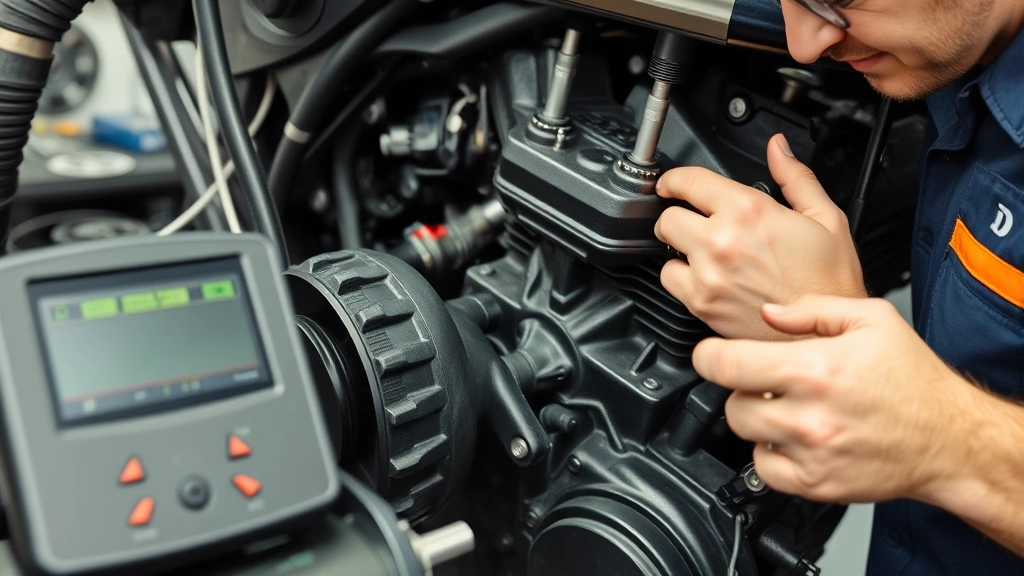
Condition assessment dramatically impacts pricing. Cosmetic wear reduces value 5-10%, while mechanical issues can justify 20-40% discounts. Professional pre-purchase inspections provide documentation supporting your asking price and build buyer confidence. Certification programs, where dealers warrant specific components for defined periods, justify premium pricing by 8-15%.
Seasonal demand creates pricing opportunities. Spring months see 25-35% price increases for comparable inventory compared to winter months. Smart dealers build winter inventory at favorable prices, then capitalize on spring demand. This inventory timing strategy, combined with analytics tools for tracking market trends, maximizes profitability.
Regional variations significantly affect pricing. Urban markets with heavy commuting demand may value practical standard bikes 10-15% higher than rural markets preferring cruisers. Dealers should research local preferences and adjust inventory accordingly.
Building Your Dealer Inventory for Maximum Profit
Inventory management separates profitable dealerships from struggling operations. Successful dealers maintain a mix balancing quick-turnover models with higher-margin specialty bikes. The optimal inventory composition varies by market, but most profitable dealerships follow this general framework: 40% cruisers, 25% sport bikes, 20% adventure bikes, and 15% specialty models.
Acquisition strategy directly impacts profitability. Dealers sourcing bikes from trade-ins build stronger relationships with existing customers while controlling acquisition costs. Wholesale auctions provide volume but offer less control over condition. Direct consumer purchases (often through online platforms) require vetting but can yield excellent margins on properly evaluated inventory.
Inventory turnover rates of 8-12 bikes per month per salesperson indicate healthy operations. Dealers achieving 15+ turnovers demonstrate exceptional market positioning. Turnover improves through accurate pricing, effective marketing, and sales team competency.
Storage and carrying costs significantly impact profitability. Each bike sitting on the lot for 60+ days erodes profit margins through insurance, maintenance, and opportunity costs. Dealers should implement inventory aging reports and price adjustments for bikes exceeding 45-day holding periods.
Reconditioning investments require careful analysis. Spending $2,000-5,000 on mechanical work and cosmetic restoration can increase selling prices by $3,000-8,000 on higher-value bikes. However, entry-level bikes priced under $3,000 rarely justify extensive reconditioning. Dealers should evaluate each bike individually, considering target market expectations and local demand.
Digital Sales and E-Commerce Integration
Online motorcycle sales have grown from niche channels to mainstream commerce. Dealers leveraging digital platforms report 30-50% higher conversion rates compared to those relying solely on foot traffic. High-quality photography, detailed specifications, and transparent pricing drive online inquiries.
Implementing robust e-commerce platforms for motorcycle sales enables dealers to reach broader audiences and streamline transactions. Dedicated automotive platforms like Autotrader, Craigslist, and Facebook Marketplace remain popular, but specialized motorcycle sites like CycleTrader and OfferUp provide targeted reach to enthusiast audiences.
Virtual showrooms and 360-degree photography reduce buyer hesitation by providing comprehensive product views. Video walkarounds demonstrating mechanical operation, sound quality, and overall condition build confidence in remote buyers. Live chat features on dealer websites enable real-time customer engagement, addressing questions immediately.
Payment processing integration simplifies transactions. Dealers offering financing options through partnerships with motorcycle-specific lenders expand addressable markets. Experian and similar credit bureaus provide dealer-friendly financing solutions enabling same-day approvals.
Shipping logistics have evolved significantly. While motorcycles traditionally required buyer pickup, many dealers now offer delivery services within 200-300 miles. Professional logistics partners provide crated transport ensuring damage-free delivery, justifying premium service fees that improve margins.
Customer Demographics and Buyer Behavior
Understanding buyer psychology reveals why certain marketing approaches succeed while others fail. Motorcycle purchasers typically fall into distinct demographic segments, each with unique motivations and decision-making processes.
Enthusiast buyers (approximately 35% of purchasers) prioritize performance, customization potential, and brand prestige. These buyers research extensively, comparing specifications across multiple models. They respond well to detailed technical information and peer reviews. Dealers should provide comprehensive maintenance history documentation and highlight upgrade potential.
Practical commuters (approximately 40% of purchasers) seek reliability, fuel efficiency, and low maintenance costs. These buyers value transparent pricing, warranty coverage, and dealer reputation. They respond to messaging emphasizing total cost of ownership and long-term dependability. First-time motorcycle buyers frequently fall into this category, requiring patient sales consultation.
Lifestyle and casual riders (approximately 25% of purchasers) emphasize aesthetics, comfort, and social identity. These buyers often purchase based on emotional appeal rather than technical specifications. Social media marketing, lifestyle photography, and brand storytelling resonate strongly with this segment.
Age demographics have shifted significantly. Riders aged 40-60 now represent the largest motorcycle-buying segment, contrary to common stereotypes. This demographic possesses greater purchasing power and prefers comfortable cruisers and adventure bikes. Younger riders (20-35) increasingly favor sport bikes and dual-sport models enabling weekend adventures.
Gender dynamics continue evolving. Female motorcycle ownership has increased 40% over the past decade, with dealers reporting women represent 18-22% of new purchases. Female buyers often prefer lighter bikes, lower seat heights, and dealerships emphasizing education and support rather than aggressive sales tactics.
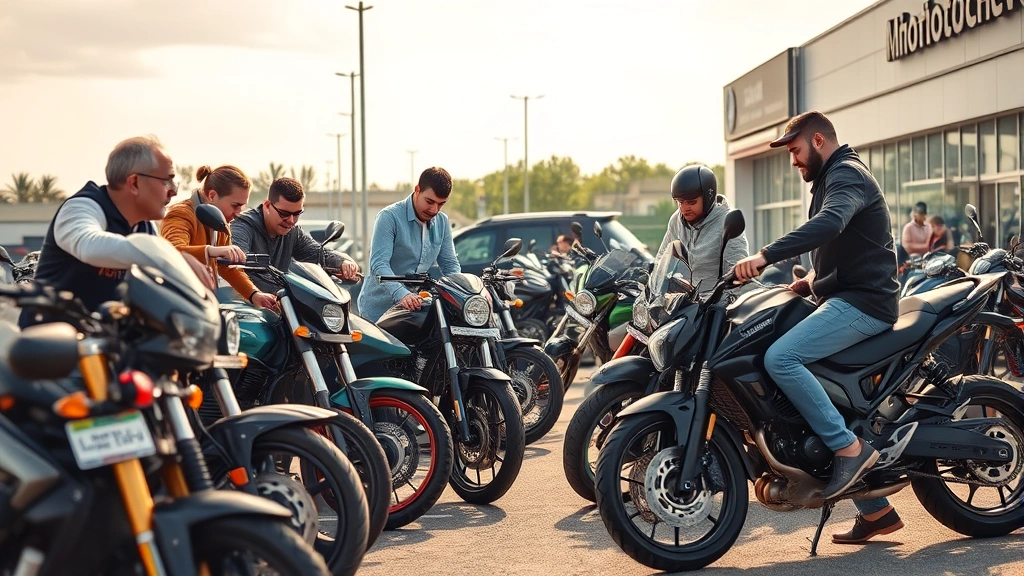
Inspection, Certification, and Trust-Building
In an industry where buyers cannot test-ride remotely, certification programs provide competitive advantages. Third-party inspections from organizations like the Motorcycle Safety Foundation or American Motorcycle Association establish credibility that dealer claims alone cannot achieve.
Comprehensive inspections should evaluate 50+ components: engine compression, transmission operation, brake system performance, electrical system functionality, tire condition, frame integrity, and cosmetic presentation. Documentation of findings builds buyer confidence and justifies premium pricing.
Warranty programs ranging from 30-90 days on drivetrain components address buyer concerns about hidden mechanical issues. Extended warranty options (6-12 months) generate additional revenue while providing genuine customer protection. Dealers should partner with reputable warranty providers offering transparent coverage terms.
Transparency regarding accident history, service records, and ownership transfers builds trust. Full disclosure of known issues, even minor ones, paradoxically increases buyer confidence by demonstrating honesty. Buyers discovering undisclosed problems post-purchase generate negative reviews devastating to dealer reputation.
Online reviews and reputation management have become critical. Dealers maintaining 4.5+ star ratings across Google, Facebook, and industry-specific platforms attract 35-50% more inquiries. Responding professionally to negative reviews demonstrates commitment to customer satisfaction and mitigates damage from occasional dissatisfied buyers.
Financing transparency represents another trust-building opportunity. Clear disclosure of interest rates, terms, and total costs eliminates buyer surprises and reduces post-purchase disputes. Dealers explaining financing options thoroughly convert more fence-sitters into committed buyers.
FAQ
What motorcycle brands hold resale value best?
Honda, Yamaha, Kawasaki, and Harley-Davidson consistently maintain 60-70% of original purchase value after three years, significantly outperforming other brands. Japanese manufacturers dominate reliability rankings, while Harley-Davidson commands premium prices among cruiser enthusiasts. Regional preferences affect brand valuations, with cruiser-focused markets favoring Harley-Davidson and Honda Shadow models.
How should dealers price used motorcycles competitively?
Use NADA Guides as your baseline valuation tool, then adjust 5-15% based on condition, mileage, local demand, and seasonal factors. Monitor competitor listings weekly, adjusting prices to remain competitive without leaving money on the table. Bikes sitting 45+ days warrant 5-10% price reductions. Certification, warranty coverage, and professional reconditioning justify premium pricing of 8-15% above baseline valuations.
What’s the average holding time for used motorcycles?
Well-priced, popular models in good condition typically sell within 30-45 days. Specialty bikes, those with mechanical issues, or overpriced inventory may sit 60-90+ days. Seasonal factors matter significantly; spring inventory turns 40-50% faster than winter inventory. Dealers should implement price reduction strategies for bikes exceeding 45-day holding periods.
Should dealers invest in professional reconditioning?
Yes, but selectively. Higher-value bikes ($5,000+) justify $2,000-5,000 reconditioning investments generating 50-100% returns. Entry-level bikes under $3,000 rarely warrant extensive work; focus instead on mechanical safety and cosmetic cleaning. Always evaluate reconditioning ROI individually rather than applying blanket policies.
How important is online presence for motorcycle dealerships?
Critical. Dealers with comprehensive online presence and active listings on major platforms report 30-50% higher conversion rates. High-quality photography, detailed descriptions, and transparent pricing drive qualified inquiries. E-commerce integration enables dealers to reach buyers beyond geographic limitations while improving operational efficiency through streamlined transaction processing.
What factors influence motorcycle buyer decisions most?
Price transparency ranks first, followed by mechanical reliability and brand reputation. For enthusiasts, performance specifications and customization potential matter most. For practical buyers, fuel efficiency and maintenance costs dominate decisions. Lifestyle buyers emphasize aesthetics and social identity. Understanding your target buyer segment enables tailored marketing messaging that resonates effectively.