Subaru Outback for Sale: Comprehensive Buyer’s Checklist for Smart Purchasing Decisions
The automotive marketplace has undergone significant transformation in recent years, with digital platforms revolutionizing how consumers research, compare, and purchase vehicles. When shopping for a Subaru Outback for sale, prospective buyers face numerous decisions that require careful evaluation and systematic analysis. Much like building a successful e-commerce strategy requires structured planning, purchasing a vehicle demands a comprehensive checklist to ensure optimal value and satisfaction.
The Subaru Outback represents a unique segment in the automotive market, combining SUV versatility with sedan comfort and excellent all-terrain capabilities. Whether you’re purchasing from a dealer, private seller, or online marketplace, understanding the key factors that influence vehicle value, safety, and long-term ownership costs will significantly impact your buying experience. This guide provides an actionable framework for evaluating Subaru Outback listings and making data-driven purchasing decisions.

Understanding Vehicle History and Documentation
Before making any serious commitment to a Subaru Outback purchase, comprehensive vehicle history research forms the foundation of informed decision-making. According to the National Highway Traffic Safety Administration, vehicle history reports reveal critical information about accident history, title status, odometer readings, and service records that directly impact resale value and safety.
Request a complete CARFAX or AutoCheck report for any vehicle you’re considering. These reports document previous accidents, flood damage, service records, and ownership history. Pay particular attention to:
- Title Status: Verify the title is clean and not branded as salvage, flood, or rebuilt. A branded title significantly reduces resale value and may indicate previous major damage.
- Accident History: Multiple accidents, particularly structural damage claims, suggest potential alignment or frame issues that may manifest as handling problems years later.
- Odometer Consistency: Verify mileage increased logically over time. Sudden jumps or decreases indicate potential odometer fraud.
- Service Records: Regular maintenance intervals demonstrate responsible ownership and provide insight into potential mechanical issues.
- Previous Ownership: Fleet vehicles, rental cars, or commercial use may indicate higher wear patterns than typical personal vehicles.
Additionally, obtain the vehicle’s maintenance records directly from the seller or previous dealership. Subaru Outbacks with documented transmission fluid changes, timing belt services, and regular oil changes at manufacturer-recommended intervals typically command premium pricing and indicate lower future maintenance risk.

Mechanical Inspection Essentials
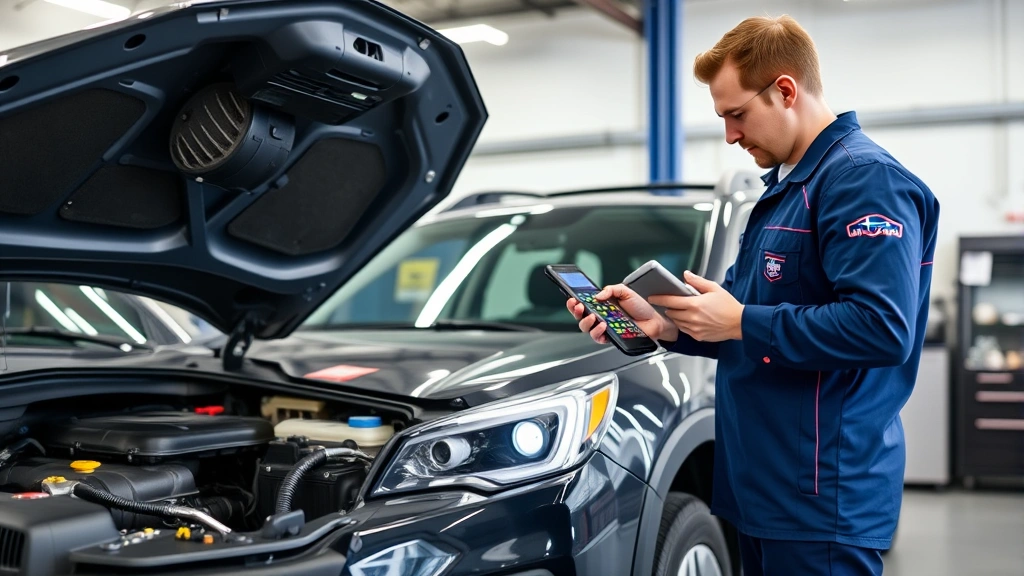
A thorough pre-purchase mechanical inspection represents one of the most critical investments in the buying process. While dealerships may offer certified pre-owned vehicles with warranties, private sales require independent evaluation by qualified technicians. Leverage data-driven analysis similar to e-commerce analytics to assess vehicle condition systematically.
Schedule a comprehensive inspection with an independent Subaru-certified mechanic who can evaluate:
- Engine Performance: Listen for unusual noises, check for oil leaks, verify smooth idle, and assess acceleration responsiveness. Subaru boxer engines are generally reliable but may develop head gasket issues in higher-mileage vehicles.
- Transmission: Test smooth shifting in all gears, verify no hesitation during acceleration, and check for unusual vibrations. CVT transmissions in newer Outbacks require special attention.
- Suspension and Steering: Evaluate steering responsiveness, listen for clunking during turns, and inspect suspension components for wear indicators.
- Braking System: Verify responsive braking, listen for unusual noises, and assess brake pad thickness. Subaru’s standard all-wheel drive requires specialized brake evaluation.
- Electrical Systems: Test all lighting, climate control, infotainment systems, and power accessories. Modern Outbacks incorporate sophisticated electronics that require proper diagnostic scanning.
- Fluid Levels and Condition: Check engine oil, transmission fluid, coolant, and brake fluid. Discolored or low fluids indicate potential maintenance neglect.
Request a detailed written inspection report documenting all findings. This report serves as leverage in price negotiations and provides baseline documentation if issues emerge post-purchase.
Market Analysis and Pricing Strategy
Understanding current market conditions and comparable vehicle pricing directly impacts negotiation leverage and ensures you avoid overpaying. The automotive market exhibits cyclical patterns influenced by economic conditions, fuel prices, and consumer preferences. According to Edmunds automotive research, used Subaru Outback pricing has remained relatively stable due to strong brand loyalty and consistent demand.
Conduct comprehensive pricing research using multiple sources:
- Kelley Blue Book: Enter specific year, mileage, condition, and features to generate estimated market values across different regions.
- NADA Guides: Provides wholesale and retail pricing data with regional adjustments for geographic market variations.
- Local Dealer Inventory: Review similar Outback listings at local dealerships to identify regional pricing patterns and feature premiums.
- Private Sale Comparables: Analyze private seller listings on Craigslist, Facebook Marketplace, and AutoTrader to understand direct-to-consumer pricing.
- Mileage Adjustments: Calculate per-mile value adjustments to account for significant mileage variations between comparable vehicles.
Develop a pricing matrix documenting 5-10 comparable vehicles with similar year, mileage, trim level, and condition. This data-driven approach, similar to developing strategic marketing approaches, provides objective negotiation support and prevents emotional decision-making.
Consider seasonal pricing variations. Subaru Outbacks typically command higher prices during winter months due to increased demand for all-wheel-drive vehicles in snow-prone regions. Purchasing during off-season periods may yield better pricing opportunities.
Features, Trim Levels, and Specifications
Subaru Outback trim levels and feature packages significantly influence both purchase price and long-term satisfaction. Current generation Outbacks typically offer Base, Premium, Onyx XT, and Limited trim levels, each with distinct feature sets and performance characteristics.
Evaluate trim level considerations:
- Base Model: Provides essential all-wheel-drive capability at competitive pricing but includes minimal luxury features and standard engine options.
- Premium Trim: Adds enhanced comfort features, improved infotainment systems, and upgraded interior materials while maintaining reasonable pricing.
- Onyx XT: Introduces turbocharged engine option providing enhanced performance and towing capacity for buyers prioritizing driving dynamics.
- Limited Trim: Represents premium offering with leather seating, advanced safety technologies, and comprehensive luxury appointments.
Key feature considerations impacting value and satisfaction include:
- EyeSight Driver Assist: Subaru’s advanced safety system combining adaptive cruise control, pre-collision warning, and lane-keeping assist. This feature significantly enhances safety and resale value.
- All-Wheel Drive Variants: Symmetrical all-wheel drive is standard across all Outback models, though different generations implement varying technologies.
- Infotainment System: Newer models feature Apple CarPlay and Android Auto compatibility, critical for modern connectivity expectations.
- Safety Features: Evaluate backup camera, blind-spot detection, and parking assistance systems based on your driving needs.
- Cargo Capacity: Verify roof rack compatibility, cargo tie-down points, and interior storage solutions for your specific usage requirements.
Compare feature packages across comparable listings to identify premium features justifying price differentials versus vehicles lacking specific capabilities.
Total Cost of Ownership Evaluation
Purchase price represents only one component of vehicle ownership costs. Comprehensive total cost of ownership analysis reveals true financial implications of specific vehicle choices. According to AAA automotive cost studies, annual ownership costs including insurance, fuel, maintenance, and repairs significantly exceed initial purchase prices for most vehicles.
Calculate anticipated ownership costs across multiple categories:
- Insurance Premiums: Contact insurance providers for quotes on specific Subaru Outback models. Insurance rates vary significantly based on trim level, age, safety features, and claims history. Vehicles with EyeSight technology often qualify for insurance discounts.
- Fuel Efficiency: Multiply anticipated annual mileage by current fuel prices divided by EPA fuel economy estimates. Turbocharged models typically consume more fuel than naturally aspirated engines.
- Maintenance Costs: Research manufacturer-recommended service intervals and typical maintenance expenses. Subaru Outbacks generally exhibit lower maintenance costs compared to luxury competitors.
- Repair Expenses: Higher-mileage vehicles increase repair probability. Budget for potential transmission fluid changes, brake service, and suspension component replacement based on vehicle age and mileage.
- Registration and Taxes: Verify state-specific registration costs and potential sales tax implications for your purchase.
- Depreciation: Subaru Outbacks typically depreciate 15-20% annually during initial ownership years, with stabilization at 8-10% annually for vehicles beyond five years old.
Develop a five-year ownership cost projection comparing multiple candidate vehicles. This analysis often reveals that slightly higher-priced well-maintained examples deliver superior total value compared to cheaper vehicles requiring significant repairs.
Negotiation Tactics and Deal Closure
Successful vehicle purchases require strategic negotiation balancing assertiveness with respect for seller positions. Armed with comprehensive research, market analysis, and inspection documentation, buyers possess substantial leverage for achieving favorable pricing.
Implement effective negotiation strategies:
- Establish Anchor Price: Present your market research indicating comparable vehicle pricing. Reference specific listings with similar mileage, trim levels, and condition to establish objective price anchors.
- Leverage Inspection Findings: Document any mechanical issues identified during professional inspections. Use this information to justify price reductions reflecting repair costs.
- Highlight Market Conditions: Reference seasonal pricing patterns and current inventory levels to support your negotiating position, similar to evaluating competitive platform options.
- Emphasize Cash Payment: Buyers offering immediate payment without financing contingencies typically negotiate better pricing than those requiring lender approval.
- Request Multiple Concessions: Beyond base price, negotiate warranty inclusion, vehicle history report costs, registration assistance, or minor repairs as package components.
- Walk Away Authority: Maintain willingness to terminate negotiations if seller expectations significantly exceed market reality. Alternative inventory availability strengthens your negotiating position.
Once price agreement is reached, ensure proper documentation including bill of sale, odometer disclosure statements, and title transfer procedures. Verify all promised repairs or warranty provisions appear in writing before finalizing payment.
Consider extended warranty options for higher-mileage vehicles. Third-party warranty providers offer coverage plans protecting against unexpected major repairs, providing valuable peace of mind for vehicles beyond manufacturer warranty periods.
FAQ
What year Subaru Outback model should I target for best value?
2015-2019 model years typically offer optimal balance between modern features and depreciation stabilization. These generations feature EyeSight safety technology, contemporary infotainment systems, and reliable drivetrains while trading at 40-50% below original retail prices. Newer models command premium pricing reflecting retained features, while significantly older vehicles may require expensive transmission or engine repairs.
How important is mileage when evaluating a used Subaru Outback?
Mileage matters significantly, but maintenance history often matters more. A well-maintained 120,000-mile Outback with comprehensive service records may represent superior value compared to a 80,000-mile example with maintenance neglect. Subaru engines typically exceed 200,000 miles with proper care, making maintenance documentation critical for higher-mileage evaluation.
Should I purchase from a dealership or private seller?
Dealership purchases provide warranty coverage, title guarantee, and recourse options if problems emerge, though pricing typically exceeds private sale comparables by 10-15%. Private sales offer better pricing but require comprehensive due diligence including professional inspection and thorough documentation verification. Consider your risk tolerance and available time for thorough evaluation.
What are common Subaru Outback issues I should investigate?
Depending on model year, investigate head gasket problems in 1999-2008 models, CVT transmission concerns in 2015+ vehicles, and electrical gremlins in newer models. Always request comprehensive diagnostic scanning to identify any stored fault codes indicating previous issues.
How do I verify authenticity of mileage and accident history?
Purchase official CARFAX or AutoCheck reports documenting complete ownership history. Cross-reference reported mileage against service records and previous title documents. Professional inspections often reveal physical evidence of accidents through paint thickness measurements and suspension component wear patterns.
What warranty options exist for used Subaru Outback purchases?
Subaru certified pre-owned vehicles include manufacturer-backed warranty coverage typically spanning 5 years/60,000 miles for bumper-to-bumper protection. Private sales offer no factory warranty, though third-party providers offer plans covering major components. Evaluate warranty terms carefully, including deductibles and coverage exclusions.