Kani Salad Recipe: Chef’s Proven Tips for Perfect Results Every Time
Kani salad has become a beloved staple in restaurants and home kitchens worldwide, combining the delicate sweetness of imitation crab with crisp vegetables and creamy, tangy dressings. Whether you’re running a food business, operating a restaurant delivery service, or simply looking to master this elegant dish, understanding the fundamentals of kani salad preparation can elevate your culinary reputation. This Japanese-inspired creation has transcended cultural boundaries, becoming a menu favorite at sushi restaurants, casual dining establishments, and catering businesses alike.
The beauty of kani salad lies in its simplicity and versatility. Unlike many complex recipes requiring specialized training, kani salad relies on quality ingredients, proper technique, and strategic flavor balancing. Professional chefs have refined specific methods that ensure consistent, restaurant-quality results. By implementing these proven tips, you’ll discover how to create kani salad that impresses customers, maintains profit margins through ingredient efficiency, and builds your brand reputation. This comprehensive guide reveals the secrets that separate mediocre kani salad from exceptional versions that keep customers returning.
Essential Ingredients for Authentic Kani Salad
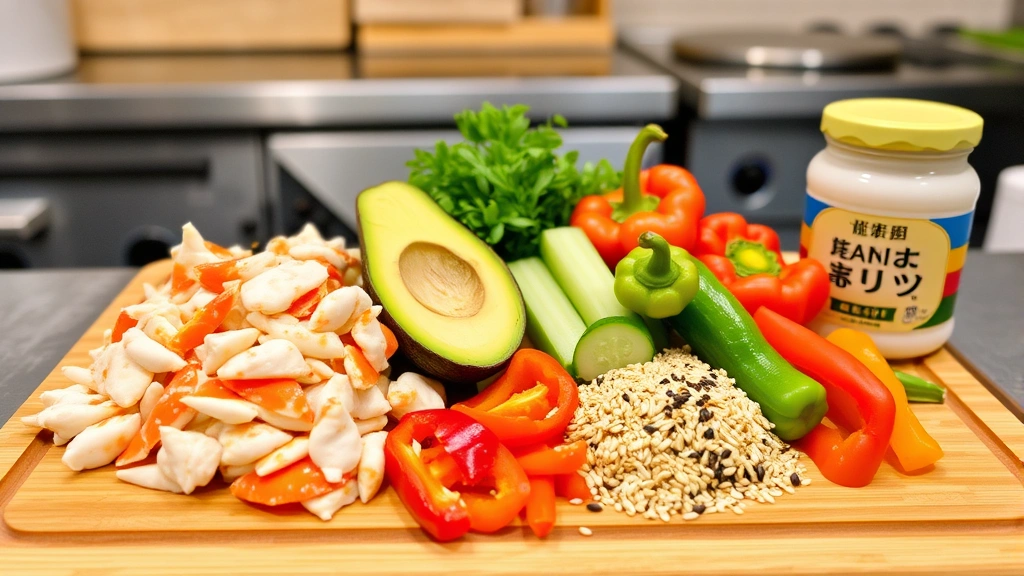
Creating exceptional kani salad begins with understanding each ingredient’s role in the final dish. The foundation consists of imitation crab (kani), Japanese mayonnaise, rice vinegar, avocado, cucumber, and sesame seeds. Each component contributes specific textures, flavors, and nutritional value that work synergistically to create the characteristic taste profile customers expect.
Japanese mayonnaise differs significantly from American varieties, containing higher egg yolk ratios and often incorporating rice vinegar or other seasonings. This premium ingredient provides superior creaminess and subtle flavor enhancement that elevates the entire dish. When sourcing ingredients for a food-focused e-commerce platform, prioritizing authentic Japanese mayonnaise establishes quality differentiation in the marketplace.
Sesame seeds contribute nutty complexity and textural contrast. Toasted sesame seeds provide deeper flavor than raw varieties, though raw seeds offer cleaner appearance in some presentations. Rice vinegar adds subtle acidity without overpowering delicate ingredients. Avocado provides creamy richness and healthy fats, though its high oxidation rate requires strategic timing in preparation and assembly.
Key ingredient measurements for standard serving:
- Imitation crab: 150-200 grams (shredded or cut into bite-sized pieces)
- Japanese mayonnaise: 3-4 tablespoons
- Rice vinegar: 1 tablespoon
- Avocado: 1 medium (ripe but firm)
- Cucumber: 1 medium (approximately 150 grams)
- Sesame seeds (toasted): 1-2 tablespoons
- Nori (seaweed): optional, for garnish
- Sriracha or spicy mayo: optional, for variation
Selecting Quality Kani and Substitutes
Imitation crab quality dramatically impacts the final dish’s success. Premium kani contains higher percentages of actual seafood proteins and demonstrates superior texture and flavor compared to budget alternatives. When operating a food business, understanding ingredient sourcing directly affects customer satisfaction and operational profitability.
Grade A kani exhibits firm texture, natural seafood aroma, and consistent color throughout. Budget alternatives often contain excessive binders and fillers, resulting in mushy texture and artificial flavor. Professional suppliers typically offer tiered kani quality options; investing in mid-to-premium grades ensures superior results while maintaining reasonable food costs.
For businesses implementing e-commerce marketing strategies, highlighting premium ingredient selection becomes a compelling value proposition. Customers increasingly research ingredient quality before purchasing prepared foods online, making transparency about kani sourcing a competitive advantage.
Real crab represents a premium alternative, though significantly higher cost and shorter shelf life present operational challenges. Some establishments successfully differentiate by offering both kani and real crab versions at different price points, allowing customers to select based on budget preferences. Shrimp provides another protein alternative, though it fundamentally changes the dish’s character and shouldn’t be marketed as traditional kani salad.
Storage conditions critically affect kani quality. Frozen kani should remain at -18°C or below until preparation. Thawing occurs best under refrigeration (2-4°C) for 12-24 hours, preventing bacterial growth and maintaining texture integrity. Quick thawing using cold water circulation works acceptably for time-constrained operations, though refrigeration thawing produces superior results.
Vegetable Preparation Techniques
Vegetable preparation significantly influences both texture and presentation quality. Cucumber requires specific cutting techniques to achieve proper texture and visual appeal. Lengthwise halving followed by seed removal prevents excess moisture that dilutes dressing and compromises structural integrity. Cutting into uniform 5-7mm batons creates consistent bite-sized pieces that distribute evenly throughout the salad.
Avocado preparation demands precision timing and technique. Cutting avocado immediately before assembly prevents oxidation browning that diminishes visual appeal and suggests age or poor handling. Using a sharp knife with a single smooth motion creates clean cuts without bruising delicate flesh. Immediately tossing avocado pieces with a small amount of lemon or lime juice (approximately 1 teaspoon per avocado) prevents enzymatic browning while adding subtle flavor enhancement.
Selecting properly ripe avocados ensures optimal texture. Avocados that yield slightly to gentle pressure without feeling mushy provide ideal consistency. Underripe avocados create unpleasant grainy texture, while overripe versions become mealy and difficult to cut cleanly. For batch operations, staggering avocado ripeness across different days ensures consistent availability without waste.
Additional vegetables commonly incorporated include:
- Carrots: Julienned or cut into thin batons for crunch and visual color contrast
- Bell peppers: Finely diced red or yellow varieties add sweetness and vibrant color
- Green onions: Sliced thin for subtle onion flavor without overpowering delicate ingredients
- Radish: Thinly sliced for peppery crunch and bright white appearance
- Cabbage: Shredded finely for textural variety and traditional Japanese presentation
Blanching vegetables (brief hot water immersion followed by ice bath) can reduce raw vegetable harshness while maintaining crisp texture. This technique works particularly well for carrots and cabbage, though unnecessary for naturally tender vegetables like cucumber and avocado.
Mastering the Perfect Dressing
The dressing represents kani salad’s flavor foundation, requiring precise ingredient ratios and mixing technique. Traditional recipes combine Japanese mayonnaise, rice vinegar, and occasionally sriracha or other seasonings. The dressing should coat ingredients evenly while maintaining distinct flavors without any single component dominating.
Classic dressing formula (yields approximately 200ml, sufficient for 4-5 servings):
- Japanese mayonnaise: 150ml
- Rice vinegar: 15ml
- Sriracha (optional): 5ml
- Sugar: 5 grams
- Salt: 2 grams
- Sesame oil: 5ml
Mixing technique critically affects dressing consistency and flavor distribution. Combining mayonnaise with other ingredients using gentle folding motions prevents separation and maintains creamy texture. Using a whisk creates better emulsification than spoon stirring, resulting in smoother, more cohesive dressing. Adding rice vinegar gradually rather than all at once allows proper incorporation without breaking the mayonnaise base.
Temperature affects dressing behavior. Room temperature ingredients combine more smoothly than cold components directly from refrigeration. Allowing ingredients to warm for 15-20 minutes before mixing produces superior results, though this requires production planning in commercial operations.
Spicy variations employ sriracha, wasabi, or hot chili paste to create distinctive flavor profiles. Adding spicy elements requires careful dosing—too much creates unpleasant burning sensation, while insufficient amounts fail to register as spicy. Tasting throughout the mixing process ensures proper heat balance. For operations serving diverse customer preferences, preparing both classic and spicy dressing versions maximizes appeal.
Dressing stability and shelf life depend on storage conditions. Properly mixed dressing maintains quality for 3-5 days when refrigerated in airtight containers. Separating dressing from salad components until service prevents soggy texture and maintains ingredient integrity. This separation also simplifies scaling for catering operations and meal preparation services.
Assembly and Presentation Methods
Strategic assembly technique transforms quality ingredients into visually impressive dishes that justify premium pricing. The order of ingredient combination affects both texture and appearance. Starting with crisp vegetables provides structural foundation, followed by kani and avocado, with dressing added last immediately before service.
For plated presentations, arranging ingredients in distinct sections creates visual interest and allows diners to experience individual flavors. Placing kani in the center with arranged vegetable sections around creates professional appearance that photographs well for online marketplace listings and social media marketing.
Mixing thoroughly versus leaving ingredients partially separate represents a key decision affecting customer experience. Thoroughly mixed salads provide consistent flavor in each bite but lose individual ingredient distinction. Partially mixed presentations maintain ingredient identity while requiring customers to combine flavors themselves. Both approaches work well—the choice depends on brand positioning and target customer preferences.
Portion size significantly impacts profitability and customer satisfaction. Standard restaurant servings contain 200-250 grams finished salad, providing satisfying quantity without excessive waste. Measuring portions using scales ensures consistency across all servings, critical for maintaining brand standards across multiple locations or catering events.
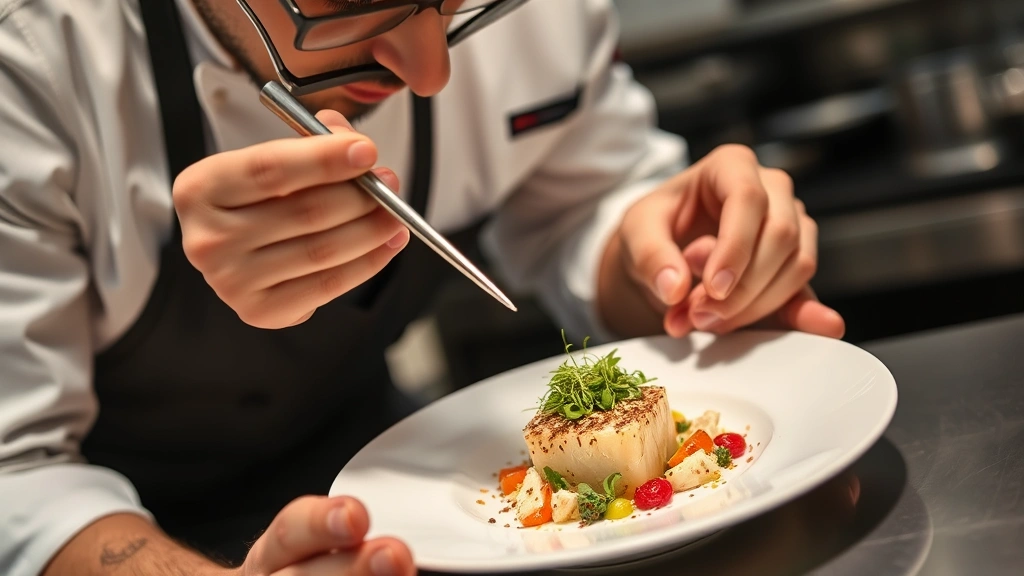
Garnishing elevates perceived value and visual appeal. Toasted sesame seeds scattered across the top add textural interest and authentic Japanese appearance. Nori strips, microgreens, or edible flowers provide additional visual sophistication for premium presentations. Garnishes should appear intentional rather than haphazard—strategic placement creates professional impression worth premium pricing.
Professional Plating Strategies
Plating transforms simple salad into restaurant-quality presentation that enhances customer experience and justifies premium pricing. The plate itself sets the stage—white or light-colored plates provide optimal contrast for vibrant salad colors. Plate size should match portion size; oversized plates make standard portions appear skimpy, while too-small plates create cramped appearance.
Creating height and dimension prevents flat, uninspired appearance. Gently mounding salad in the center of the plate rather than spreading flat across the surface creates visual interest and sophistication. Using serving spoons to carefully arrange components prevents aggressive mixing that compromises texture and appearance.
Color coordination ensures visually striking presentations. The natural colors in kani salad—white kani, green avocado, dark green cucumber, vibrant red/yellow peppers—create inherent visual appeal. Emphasizing color contrast through strategic arrangement maximizes this advantage. Placing contrasting colors adjacent rather than mixed creates more dramatic visual effect.
Sauce presentation deserves equal attention as the salad itself. Drizzling dressing artfully around the plate rather than dumping it on top creates refined appearance. Using squeeze bottles allows precise control for decorative drizzles that enhance rather than obscure the salad. Some presentations incorporate dressing pools on the side, allowing diners to control dressing quantity.
Plate cleanliness matters significantly. Fingerprints, drips, or debris on plate edges create unprofessional appearance undermining all other presentation efforts. Wiping plates with clean cloth before service ensures pristine appearance. This attention to detail signals quality to diners and justifies premium pricing.
Storage and Food Safety Guidelines
Proper storage maintains ingredient quality and ensures food safety compliance across all operations. Kani requires continuous refrigeration at 2-4°C, never sitting at room temperature for extended periods. Prepared kani salad (fully assembled with dressing) should be consumed within 2 hours if left unrefrigerated, or within 24 hours if properly refrigerated in airtight containers.
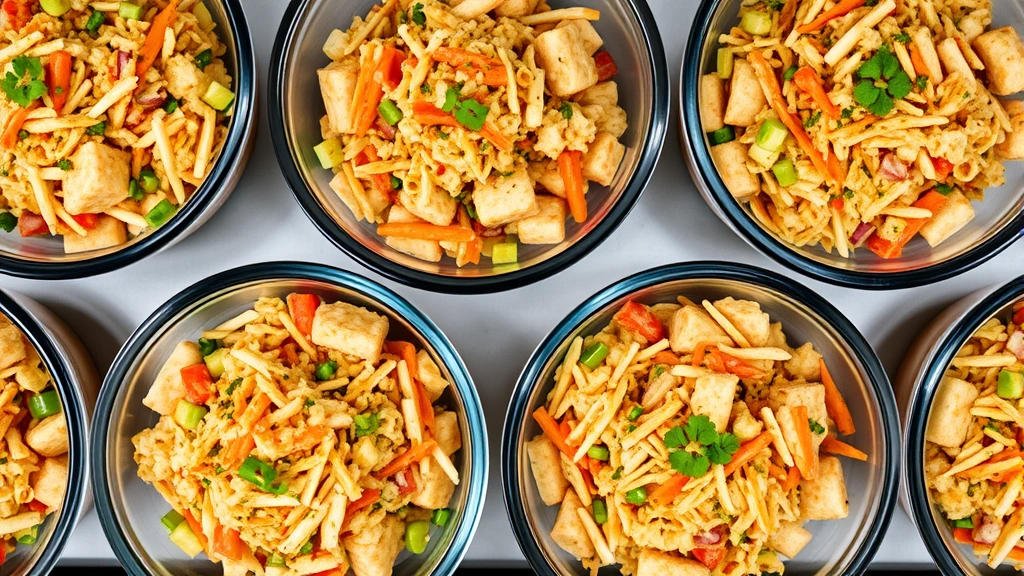
Component storage extends shelf life and simplifies batch preparation. Storing kani, vegetables, and dressing separately allows flexible preparation timing while maintaining optimal freshness. Kani remains safe for 3-4 days post-thawing when refrigerated properly. Vegetables vary—avocado lasts only 1-2 days after cutting, while cucumber and other hardy vegetables last 3-4 days in sealed containers.
Cross-contamination prevention requires dedicated utensils and cutting surfaces for raw vegetables and proteins. Using separate cutting boards prevents bacterial transfer that compromises food safety and creates liability. Regular sanitizing of all food contact surfaces maintains safety standards required by health departments.
Temperature control represents critical food safety element. Maintaining cold chain integrity from supplier through customer consumption prevents bacterial growth and foodborne illness. This requires reliable refrigeration equipment, regular temperature monitoring, and staff training on proper handling procedures.
For operations implementing online food delivery services, insulated packaging with ice packs maintains proper temperature during transit. Communicating expected consumption timeframe to customers ensures they understand proper handling requirements and maintain product safety after delivery.
Scaling Kani Salad for Commercial Operations
Scaling kani salad from single servings to commercial batch production requires systematic planning and operational adjustments. Ingredient sourcing becomes more complex at larger volumes—establishing relationships with wholesale suppliers ensures consistent availability at favorable pricing. Bulk purchasing reduces per-unit costs, improving profit margins on prepared salads.
Production workflow optimization becomes increasingly important as volumes increase. Assembling stations where employees perform specific tasks sequentially (vegetable prep, mixing, plating) increases efficiency compared to individual employees completing entire process. Cross-training multiple employees on each station ensures flexibility and prevents bottlenecks.
Equipment investments improve efficiency and consistency at scale. Food processors accelerate vegetable cutting, though manual preparation sometimes produces superior results for premium offerings. Dedicated refrigeration ensures proper temperature maintenance for all components. Industrial-grade mixing equipment ensures consistent dressing batches without manual variation.
Batch preparation timing requires careful coordination. Preparing components hours in advance allows flexibility for order fulfillment while maintaining freshness. Holding prepared components at proper temperatures prevents quality degradation. Assembling salads immediately before delivery or service ensures optimal texture and appearance.
Quality control systems maintain consistency across all servings. Implementing standardized recipes with specific measurements prevents variation between employees and locations. Regular tasting during production ensures dressing consistency and seasoning accuracy. Photographing finished plates creates visual standards that communicate expectations to kitchen staff.
For businesses expanding into meal preparation or catering, implementing modular kani salad options (base salad with optional protein additions or dressing variations) maximizes flexibility while maintaining operational simplicity. Customers appreciate customization options, and modular approaches simplify production compared to completely different menu items.
Profitability analysis at scale reveals opportunities for optimization. Tracking ingredient costs, labor hours, and waste percentages identifies improvement areas. Adjusting portion sizes, sourcing alternative ingredients, or modifying preparation methods can improve margins while maintaining quality standards that preserve brand reputation.
The blog provides comprehensive guidance on food business operations and strategy, covering topics from initial setup through scaling to commercial operations.
FAQ
What’s the difference between kani salad and California roll?
Kani salad features loose mixed ingredients with creamy dressing, while California rolls are tightly rolled sushi with similar ingredients encased in nori and rice. Kani salad emphasizes ingredient texture and individual flavor components, whereas California rolls prioritize the unified sushi experience. Both utilize imitation crab and similar vegetables but represent distinct preparations.
Can I prepare kani salad ahead of time?
Storing fully assembled kani salad ahead of time causes vegetables to become soggy as dressing extracts moisture. Preparing components separately allows assembly immediately before service. Storing prepared components in individual airtight containers maintains freshness for 24 hours, enabling efficient batch production for catering or meal prep services.
What’s the best substitute for Japanese mayonnaise?
Regular mayonnaise works acceptably, though it produces less creamy texture and slightly different flavor profile. Mixing regular mayonnaise with rice vinegar and a small amount of sugar approximates Japanese mayonnaise characteristics. Korean gochujang mayo or spicy mayo provides alternative flavor while maintaining similar texture.
How do I prevent avocado from browning?
Tossing avocado immediately after cutting with lemon or lime juice prevents enzymatic browning through acid exposure. Storing avocado separately and adding only immediately before service maintains optimal color and texture. Using underripe avocados that will ripen during storage extends shelf life compared to pre-ripe fruit.
Is kani salad appropriate for dietary restrictions?
Traditional kani salad contains mayonnaise (not vegan) and imitation crab (may contain fish allergens). Creating variations with vegan mayo, plant-based proteins, or allergen-free components accommodates diverse dietary needs. Clearly labeling ingredients and preparation methods ensures customers with allergies or restrictions can safely consume variations.
What’s the ideal serving temperature for kani salad?
Serving kani salad chilled (8-12°C) optimizes flavor and texture. Cold temperatures enhance ingredient freshness perception and prevent dressing from separating. Allowing salad to warm to room temperature diminishes appeal and risks food safety issues if held too long without refrigeration.
Can kani salad be frozen?
Freezing prepared kani salad degrades texture significantly—vegetables become mushy upon thawing, and dressing separates. Freezing individual components (except avocado) preserves them longer, but assembled salad doesn’t freeze well. For meal prep services, refrigeration rather than freezing maintains quality better.