
Table of Contents
Introduction
Picture this: you wake up tomorrow and decide to start your own business. No massive upfront investment. No garage full of inventory. No sleepless nights worrying about shipping logistics. Sound too good to be true? Welcome to the world of print on demand (POD)—where your creativity becomes your currency, and the biggest risk you’ll take is designing something people don’t love.
Here’s how it works, and trust me, it’s beautifully simple. You create designs for products (think t-shirts, mugs, phone cases—you name it), but here’s the kicker: nothing gets made until someone actually buys it. No boxes cluttering your living room. No wondering if you ordered too many purple hoodies. When a customer places an order, your supplier handles everything—printing, packing, shipping—while you focus on what you do best: being creative and building your brand. It’s like having a manufacturing team you never have to manage. Many entrepreneurs find great success starting on platforms like Etsy, and if you’re curious about the nuts and bolts, this guide on how to start an Etsy shop walks you through the practical steps of launching your creative storefront.
What makes print on demand so appealing? Two words: low risk. You’re not betting your savings on whether leopard print leggings will be the next big thing. Instead, you can test ideas, see what resonates, and pivot without losing your shirt (pun intended). Platforms like Shopify, Etsy, and WooCommerce have made it ridiculously easy to set up shop and connect with POD suppliers who’ll handle the heavy lifting. If you’re scratching your head about which platform to choose, understanding what an e-commerce platform is will help you make a choice that actually fits your goals and budget. The beauty of POD is that you can experiment freely—try different product types, test various designs, and find your sweet spot without the traditional business baggage.
But let’s be real for a second. Having a great product is only half the battle. The other half? Getting people to actually see it. (And buy it.) That’s where marketing comes in, and honestly, it’s where a lot of POD businesses either soar or stall. You need to know how to reach your ideal customers, grab their attention, and convince them that your design is exactly what they didn’t know they needed. Lucky for you, mastering e-commerce marketing strategies doesn’t have to feel like rocket science. From SEO tricks that get you found on Google to social media campaigns that actually convert, there are proven tactics that work. And before you dive headfirst into the design world, consider mapping out your business plan. I know, I know—it sounds boring. But having a roadmap makes everything easier, and these startup business plan templates can help you organize your thoughts and set realistic goals that’ll keep you motivated when things get challenging.
What You’ll Learn in This Guide
Ready to turn your creative ideas into cold, hard cash? This guide is your roadmap from “I have an idea” to “I have a profitable business.” Here’s exactly what we’ll cover:
- Understanding Print on Demand Models: We’ll break down how POD actually works behind the scenes—from how suppliers handle your orders to why this model is perfect for testing business ideas without going broke.
- Step-by-Step Business Setup: No guesswork here. We’ll walk through everything: finding your niche, researching what people actually want to buy, choosing the right platform, creating designs that sell, partnering with reliable suppliers, and launching your store like a pro.
- Designing and Offering Products: Whether you’re a design wizard or can barely draw a stick figure, we’ll show you how to create products people love. Plus, we’ll share where to find inspiration and when it makes sense to hire help.
- Marketing and Promoting Your Store: This is where the magic happens. You’ll learn practical marketing techniques that actually work—from social media strategies that build genuine followers to advertising that pays for itself.
Whether you’re starting with zero experience or you’ve been thinking about this for months, this guide meets you where you are. We’ll start with the basics and work our way up to more advanced strategies that can help you scale your business. By the time you finish reading, you’ll have everything you need to launch your first POD product—or improve the business you’ve already started.
So what’s coming up first? We’re going to start with the foundation: understanding exactly how print on demand works and why it’s become such a game-changer for entrepreneurs. You’ll see why eliminating inventory risk is just the beginning—this model gives you the freedom to be creative, test ideas quickly, and build a business that grows with you instead of overwhelming you.
Then we’ll get practical. Really practical. We’ll walk through market research that actually tells you what to sell, how to choose platforms that won’t fight you every step of the way, and design strategies that turn browsers into buyers. We’ll also dig into marketing tactics that go way beyond “post on Instagram and hope for the best.” You’ll learn how to build genuine relationships with customers who become repeat buyers and brand advocates.
Think of this as your friendly guide through the sometimes overwhelming world of online business. We’ll keep things straightforward, share real examples, and give you the confidence to take that first step. Ready to see what’s possible when creativity meets smart business strategy? Let’s get started!
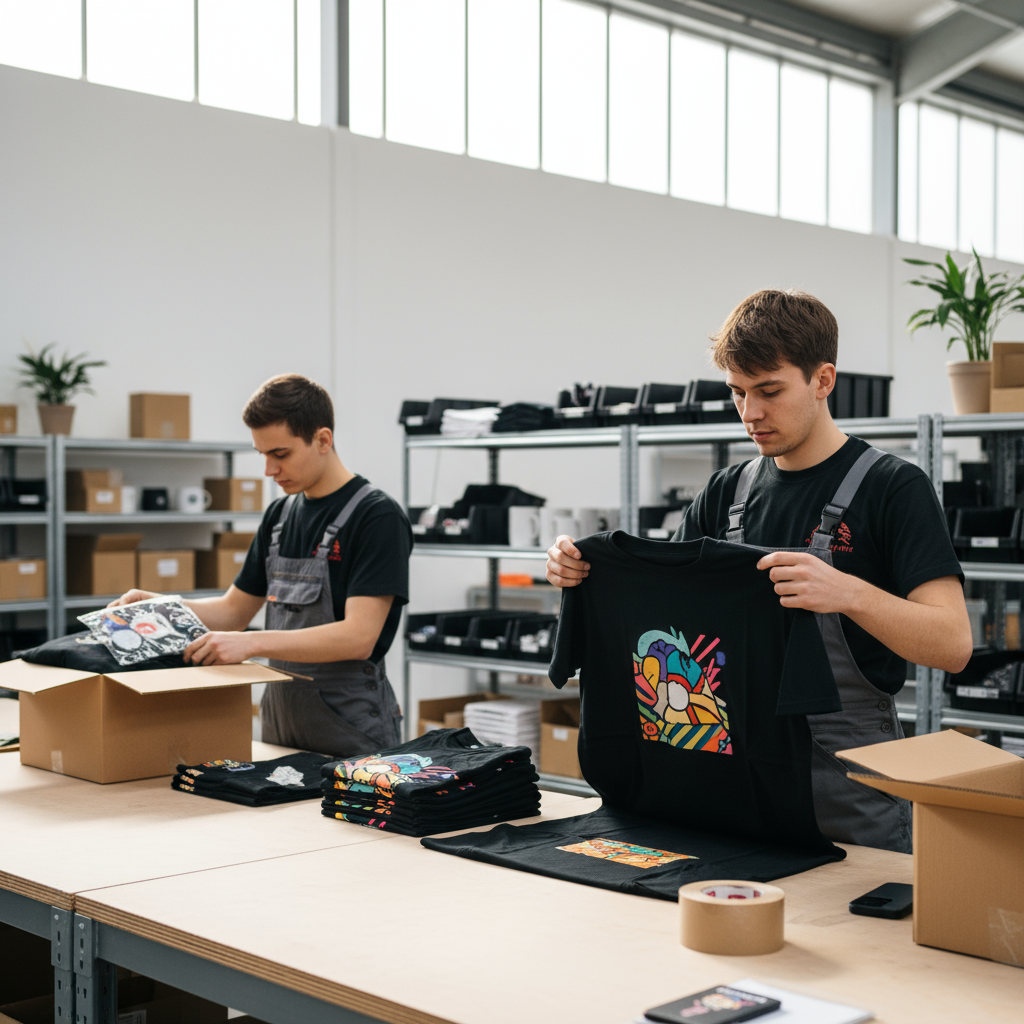
So you’re thinking about starting a print on demand business? Smart move. It’s honestly one of the most beginner-friendly ways to dip your toes into e-commerce without the usual headaches. No warehouses full of inventory gathering dust. No panicking about whether your investment will pay off. Just you, your creativity, and a business model that actually makes sense. The beauty of print on demand is simple—you design it, customers order it, and someone else handles the messy stuff like printing and shipping. But before we jump into the nuts and bolts of getting started, let’s make sure you understand what you’re getting into and why this might be the perfect fit for your entrepreneurial dreams.
Understanding the Print on Demand Model and Its Advantages
Here’s how print on demand works in plain English: nothing gets made until someone buys it. Revolutionary? Not really. Brilliant? Absolutely. Think of it like a restaurant that only cooks your meal after you order it—except in this case, you’re the chef designing the menu, and your suppliers are the kitchen staff making everything happen behind the scenes. You focus on creating amazing designs and getting people excited about them. Meanwhile, your print partners handle the production, packaging, and shipping. It’s a beautiful partnership that lets you test ideas without betting the farm. Want to understand the tech side better? Check out what an e-commerce platform is—these platforms are basically your storefront and the bridge connecting you to all those helpful suppliers.
Now, why should you care about this model? Let me count the ways. First off, your startup costs are ridiculously low compared to traditional retail. We’re talking about the difference between maybe spending a few hundred dollars versus tens of thousands. No inventory sitting in your garage. No stress about whether that quirky design you thought was genius will actually sell. Plus, you can pivot faster than a basketball player. Trending topic emerges? New design up in days. Market shifts? No problem—you’re not stuck with 500 unsold t-shirts. For real-world advice on actually getting people to notice your store once it’s up, dive into these e-commerce marketing strategies. Trust me, building it is only half the battle.
Key Advantages of the Print on Demand Model
Let me break down why print on demand might just be your new best friend:
- Minimal upfront investment: You only pay for products after customers buy them. No gambling with inventory costs or losing sleep over boxes of unsold merchandise cluttering your space.
- Wide product variety: From t-shirts and coffee mugs to phone cases and wall art—you can test different products without committing to any single category. Find what clicks with your audience.
- Ease of scaling: Your suppliers grow with you. Ten orders a month? They’ve got you covered. Thousand orders? Still covered. You won’t wake up drowning in fulfillment nightmares.
- Creative freedom: Your brand, your rules, your vision. Create something that speaks to your people and stands out from the sea of generic products flooding the market.
Getting excited yet? Good—because understanding these advantages is just the beginning. Next up, we’re walking through exactly how to turn this concept into your actual business, step by step.
Step-by-Step Guide to Launching Your Print on Demand Business
Ready to make this happen? Let’s get practical. Your journey starts with something that might sound boring but is absolutely crucial: research. And I don’t mean spending five minutes on Google. We’re talking about really understanding who your customers are and what makes them tick. What problems do they have? What makes them laugh? What would make them excited enough to buy something online from a brand they’ve never heard of? Once you’ve got that figured out, you need the right e-commerce platform—your digital storefront that’ll host your empire. The choice matters more than you might think. Need help deciding? This guide on best e-commerce platforms for small businesses breaks down the pros and cons of Shopify, Etsy, WooCommerce, and others. Each has its sweet spots.
Then comes the fun part—design. Whether you’re a Photoshop wizard or someone who thinks Canva is magic (both are perfectly fine, by the way), your products need to look good. Really good. Because online, your design is everything. It’s your salesperson, your brand ambassador, and your first impression all rolled into one. After you’ve got designs you’re proud of, it’s time to find your production partners. Not all print on demand suppliers are created equal, and choosing the wrong one can torpedo your customer satisfaction faster than you can say “five-star review.” Finally, launch day arrives—but that’s when the real work begins. Marketing isn’t optional; it’s everything. From social media buzz to SEO magic to maybe some paid ads, you need people to find you. The good news? Tools like those covered in e-commerce analytics tools help you track what’s working and what’s not, so you’re not just throwing spaghetti at the wall.
Essential Steps to Take When Starting Your Print on Demand Business
Here’s your roadmap to getting this business off the ground:
- Conduct comprehensive market research: Get inside your customers’ heads. What do they want? What do they hate? What gaps exist that your business could fill? Competitor analysis isn’t stalking—it’s smart business.
- Choose an e-commerce platform wisely: Think about your tech comfort level, budget, and growth plans. Some platforms are beginner-friendly but limited; others offer more power but need more know-how.
- Create high-quality product designs: This is where you shine or sink. Invest in good design tools or hire professionals if needed. Your designs need to stop people scrolling and make them think, “I need that.”
- Partner with dependable POD suppliers: Quality, speed, and reliability matter. Research their reviews, order samples, and test their customer service. Your reputation depends on theirs.

Here’s the thing about print on demand—it’s honestly one of the smartest ways to jump into e-commerce without losing your shirt. Think about it: no inventory sitting in your garage, no massive upfront costs, and you get to be creative while someone else handles the boring stuff like printing and shipping. We’ve walked through how this business model lets you test crazy ideas, pivot when something isn’t working, and scale up without breaking a sweat. The benefits? Pretty hard to argue with. Minimal risk, endless product possibilities, and growth that actually makes sense.
Getting the fundamentals right makes all the difference. You know—doing your homework on market research, picking a platform that doesn’t make you want to pull your hair out (whether that’s Shopify, Etsy, or WooCommerce). Your products need to actually connect with people, and finding suppliers you can trust? That’s your bread and butter right there. But here’s where a lot of folks stumble: marketing. You can have the coolest designs in the world, but if nobody sees them, you’re basically shouting into the void. That’s why we covered everything from design tools to analytics—because running a successful store means constantly tweaking and improving. And yes, there are challenges (quality control can be a headache, and the competition is real), but we’ve given you the playbook to handle whatever comes your way.
Ready to take this to the next level? Start by checking out the best e-commerce platforms for small businesses—because choosing the right foundation can make or break your success. Once you’ve got that sorted, you’ll want to master e-commerce marketing strategies that actually work. We’re talking SEO that gets you found, ads that convert, and social media that builds real connections with customers. Don’t fly blind either—use e-commerce analytics tools to track what’s working and what’s not. Trust me, data is your friend. And if you’re the type who likes to plan everything out (smart move), grab some startup business plan templates to map out your vision and maybe even attract some investors down the road.
Look, starting a print on demand business isn’t just about making money—it’s about building something that reflects who you are. This space rewards creativity and persistence, and honestly? You’ve got everything you need to succeed. Stay flexible, keep learning, and don’t be afraid to experiment. Your brand has the potential to reach places you haven’t even imagined yet. So what are you waiting for? Take that first step and turn your print on demand dreams into something real.
Frequently Asked Questions
-
What is print on demand?
- A business model where products are printed only after an order is placed, minimizing inventory risks.
-
How much does it cost to start?
- Startup costs are generally low, mainly involving platform fees and marketing budgets.
-
Do I need design skills?
- Basic design skills help, but many tools or professional designers can assist.
-
How long does it take to start making sales?
- This varies widely depending on marketing efforts and niche demand.
-
Can I run a print on demand business part-time?
- Yes, it’s flexible and can be scaled according to your time and resources.


