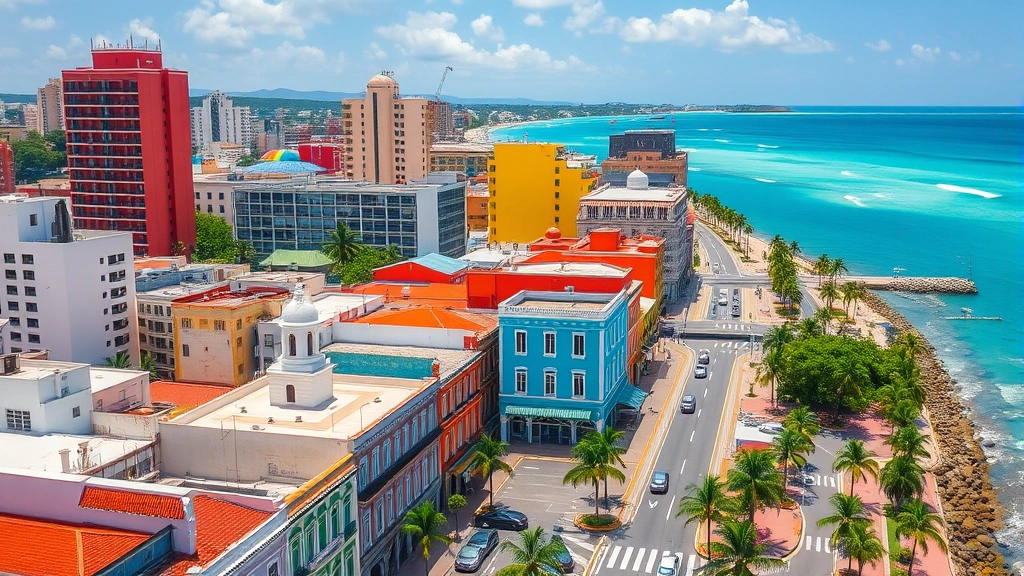
Puerto Rico Homes: Buyer’s Market Insights for 2024
The Puerto Rico real estate market presents a compelling opportunity for both domestic and international buyers seeking affordable properties in a tropical paradise. With Act 60 tax incentives, favorable financing conditions, and a recovering economy, houses for sale in Puerto Rico have become increasingly attractive to investors, retirees, and families looking to relocate. This comprehensive guide explores current market conditions, pricing trends, and strategic insights to help you navigate the Puerto Rico housing landscape effectively.
Puerto Rico’s real estate sector has undergone significant transformation over the past five years, transitioning from a buyer’s market characterized by distressed sales to a more balanced marketplace. The island’s unique combination of U.S. citizenship, Caribbean location, and tax advantages creates distinct opportunities unavailable elsewhere. Understanding these market dynamics is essential for making informed purchasing decisions in this dynamic economy.
Whether you’re seeking a beachfront villa, a mountain retreat, or an urban condominium, Puerto Rico offers diverse options across multiple price points. The current market conditions favor strategic buyers who understand local trends, financing options, and long-term investment potential.

Current Market Conditions and Pricing Trends
The Puerto Rico housing market in 2024 demonstrates moderate growth with median property prices ranging from $250,000 to $500,000 depending on location and property type. According to Zillow’s market analysis, inventory levels have stabilized after years of oversupply, creating more predictable pricing patterns. Coastal properties command premium prices, while inland and mountainous regions offer exceptional value for budget-conscious buyers.
Year-over-year price appreciation has averaged 3-5% across major markets, with stronger growth in desirable areas like San Juan, Dorado, and Rio Grande. The National Association of REALTORS reports that Puerto Rico’s market is experiencing increased buyer interest from mainland United States residents seeking alternative living arrangements.
Days on market have decreased significantly, indicating stronger demand. Properties in prime locations typically sell within 45-90 days, while those requiring renovation may take longer. Price per square foot varies considerably: San Juan averages $350-450 per square foot, while rural areas may be $100-150 per square foot, presenting substantial opportunities for value investors.
Market dynamics continue to shift favorably for informed buyers. The inventory-to-demand ratio suggests buyers still maintain negotiating leverage, particularly for properties requiring updates or located in secondary markets. Understanding these pricing patterns helps you identify undervalued properties and negotiate effectively.
Act 60 Tax Incentives for Buyers
Act 60, formerly known as Acts 20 and 22, represents Puerto Rico’s most significant incentive program for attracting new residents and investors. This legislation provides substantial tax benefits that directly impact real estate purchasing decisions and long-term investment returns. The program includes three primary components affecting property owners: individual resident investor incentives, business investor incentives, and export service incentives.
Qualifying residents enjoy 0% capital gains tax on investments made after establishing residency, 0% tax on interest and dividend income, and 37% reduction in corporate tax rates. These benefits apply to real estate appreciation, making property investment exceptionally attractive. If you purchase a home for $400,000 and it appreciates to $600,000, you owe zero capital gains tax upon sale—a benefit unavailable in any U.S. state.
To qualify, you must establish bona fide Puerto Rico residency by maintaining a physical presence for at least 183 days annually and demonstrating genuine intent to remain. You’ll need to file Act 60 applications with Puerto Rico’s Department of Economic Development and Commerce, obtain a tax identification number, and maintain meticulous residency documentation. The application process typically takes 30-60 days.
Property purchases themselves don’t require Act 60 approval, but establishing residency status before or immediately after purchase maximizes tax benefits. Many savvy investors complete their purchase, then file Act 60 applications within the same calendar year. Consult with a Puerto Rico tax professional to ensure compliance and optimize your specific situation.
The tax incentives extend beyond purchase appreciation. Rental income from properties also benefits from reduced tax rates, making investment potential and rental markets particularly attractive for those seeking passive income streams.
Geographic Hotspots for Property Investment
San Juan Metropolitan Area remains Puerto Rico’s premier market, offering urban amenities, robust infrastructure, and highest appreciation potential. Neighborhoods like Condado, Ocean Park, and Santurce feature restored colonial architecture, modern restaurants, and vibrant cultural scenes. Expect premium pricing: $400,000-$800,000 for quality properties, with commercial corridors commanding even higher valuations.
Dorado and Ceiba represent the island’s luxury market segment, featuring championship golf courses, exclusive resorts, and high-end residential communities. Properties range from $500,000 to $3,000,000+. These areas attract affluent retirees and international investors seeking resort-style living with professional property management.
Rio Grande has emerged as an exceptional value market with growing infrastructure, proximity to El Yunque National Forest, and emerging business development. Properties range from $200,000-$500,000, offering strong appreciation potential as the area develops. Young families and remote workers increasingly relocate here for lifestyle and cost advantages.
Vieques and Culebra appeal to those seeking island living with natural beauty and slower pace. These offshore municipalities offer unique properties with beachfront access, though limited inventory and infrastructure challenges require careful due diligence. Prices range widely from $150,000 for modest properties to $1,000,000+ for premium beachfront estates.
Ponce, on the southern coast, offers historic charm, cultural significance, and emerging investment potential. The city’s colonial architecture, lower prices ($150,000-$400,000), and waterfront development projects attract investors seeking undervalued opportunities with appreciation upside.
Geographic selection significantly impacts your investment returns, lifestyle satisfaction, and long-term property value. Consider proximity to employment, healthcare facilities, schools, and lifestyle amenities when evaluating locations.
Financing Options and Mortgage Landscape
Financing property purchases in Puerto Rico differs significantly from mainland United States processes. Foreign nationals and new residents may face stricter lending requirements, higher down payments (20-30%), and limited lender options. U.S. citizens and established residents typically qualify for conventional mortgages through local Puerto Rico banks or mainland lenders with Caribbean operations.
Primary lending institutions include Oriental Bank, FirstBank Puerto Rico, and Banco Popular, which offer competitive rates for qualified borrowers. Mortgage rates typically range from 6.5%-8.5%, influenced by property type, loan amount, and borrower credit profile. Fixed-rate 30-year mortgages remain most common, though 15-year and adjustable-rate options exist.
Down payment requirements typically start at 20%, though some programs accommodate 15% down. Points, closing costs, and property insurance add 3-5% to total acquisition expenses. Property taxes in Puerto Rico average 0.25%-0.45% of assessed value, significantly lower than mainland rates, reducing overall ownership costs.
Cash purchases offer substantial advantages: elimination of financing contingencies, faster closing timelines (15-30 days versus 45-60 days), and negotiating leverage. Many investors finance through Act 60 tax incentive savings, using reduced tax obligations to fund subsequent acquisitions.
Consult with Puerto Rico mortgage brokers and financial advisors familiar with local lending practices. Understanding financing options before beginning your property search enables competitive offer positioning and realistic budget establishment.
Legal Considerations and Due Diligence
Puerto Rico real estate transactions involve distinct legal frameworks separate from mainland United States procedures. Property law, title registration, and closing processes follow Puerto Rico Civil Code provisions. Engaging a qualified Puerto Rico real estate attorney is essential—not optional—for protecting your interests throughout the transaction.
Title verification requires careful examination of Puerto Rico’s Property Registry (Registro de la Propiedad), where all ownership records are maintained. Unlike some mainland jurisdictions, Puerto Rico maintains comprehensive centralized registration systems, reducing title uncertainty. Your attorney should conduct thorough title searches, verify ownership chains, and identify any liens, easements, or encumbrances affecting the property.
Environmental assessments prove critical, particularly for properties near coastal areas, former industrial sites, or those with construction history. Phase I environmental site assessments identify potential contamination or hazards requiring remediation. Coastal properties face additional considerations: hurricane resilience, flood zones, and erosion patterns.
Building code compliance and permits require verification for any structures. Some properties, particularly older homes and renovated properties, may lack complete documentation of improvements or modifications. Verify that renovations received proper permits and inspections, as unpermitted work may trigger code violation notices or require expensive corrections.
Survey and boundary verification prevent neighbor disputes and establish precise property dimensions. Many older Puerto Rico properties lack recent surveys; obtaining current surveys clarifies exact boundaries and identifies encroachment issues.
Establish an escrow arrangement with a reputable title company or attorney to hold funds until all conditions are satisfied. This protects both buyer and seller, ensuring proper title transfer and fund disbursement only upon satisfactory completion.
Investment Potential and Rental Markets
Puerto Rico’s rental market presents compelling opportunities for investors seeking passive income combined with property appreciation. Tourism remains a primary economic driver, creating consistent vacation rental demand. Short-term rental properties in desirable locations generate $3,000-$8,000 monthly revenue, translating to 8-15% annual returns before expenses.
Vacation rental platforms including Airbnb, VRBO, and Booking.com facilitate guest acquisition and management. Properties positioned as luxury experiences, with unique amenities, local knowledge, and professional management, command premium nightly rates ($200-$400+) and maintain high occupancy rates (70-85% annually).
Long-term residential rentals provide stable income with lower management intensity. Market rents range from $1,200-$2,500 monthly for two-bedroom properties in desirable neighborhoods, generating 5-8% annual returns. Puerto Rico’s growing population of remote workers and relocating professionals creates consistent tenant demand.
Professional property management services handle tenant acquisition, maintenance coordination, financial administration, and guest communication. Management fees typically range from 25-35% for vacation rentals and 8-12% for long-term residential. Experienced managers maximize revenue while protecting your property investment.
Tax optimization through Act 60 incentives significantly improves investment returns. Reduced tax rates on rental income and capital appreciation create advantages unavailable elsewhere. Consult with tax professionals to structure ownership properly and maximize benefits.
Market dynamics suggest continued growth for both vacation and residential rentals. Puerto Rico’s population has stabilized after previous decades of decline, with new residents arriving regularly. Tourism infrastructure improvements and increased airline service strengthen vacation rental demand.
Seller’s Requirements and Documentation
When purchasing houses for sale in Puerto Rico, understanding seller obligations and required documentation streamlines the transaction process. Sellers must provide comprehensive property disclosures addressing structural condition, known defects, previous damage, and repair history. These disclosures, required by Puerto Rico law, protect buyers and establish baseline property understanding.
Proof of ownership through Property Registry certificates establishes legal standing and clear title. Sellers must provide original or certified copies of registration documents demonstrating unencumbered ownership or documenting existing liens that will be cleared at closing.
Utility accounts and service documentation clarify property service status. Sellers should provide current electric, water, and telecommunications account information, along with recent bills demonstrating service functionality. Unpaid utility bills may transfer to new owners, making verification critical.
Homeowners association documentation applies to condominium and planned community properties. Sellers must disclose HOA requirements, monthly fees, special assessment obligations, and association financial status. Review reserve fund adequacy and pending special assessments affecting your ownership costs.
Hurricane insurance and property insurance information helps establish insurability and identify potential issues. Some properties, particularly older structures or those in high-risk flood zones, face insurance availability or affordability challenges.
Building permits and improvement documentation verify that renovations and modifications received proper authorization. Unpermitted work may trigger code enforcement action, requiring expensive corrections or fines. Comprehensive documentation protects against future liabilities.
Tax payment records demonstrate that property taxes are current. Delinquent taxes create liens against properties, potentially affecting your title or requiring payoff at closing. Verify tax status through Puerto Rico’s Treasury Department.
FAQ
What is the average price for houses for sale in Puerto Rico?
Average prices vary significantly by location. San Juan properties average $400,000-$600,000, while secondary markets like Rio Grande average $250,000-$400,000. Rural and inland properties may be $100,000-$250,000. Luxury properties in exclusive communities command $500,000-$3,000,000+.
Do I need to be a Puerto Rico resident to purchase property?
No. Foreign nationals and non-residents can purchase property freely. However, establishing residency through Act 60 provides substantial tax advantages worth pursuing after purchase. Consult with tax professionals regarding your specific situation.
What are closing costs for Puerto Rico real estate transactions?
Closing costs typically range from 3-5% of purchase price, including attorney fees ($1,500-$3,000), title insurance, property registration fees, and transfer taxes. Some costs may be negotiated between buyer and seller.
How long does the Puerto Rico property purchase process take?
Cash purchases typically close in 15-30 days. Financed purchases require 45-60 days for underwriting, appraisals, and documentation processing. Complex transactions with title issues may extend timelines.
Are there property taxes in Puerto Rico?
Yes, but at significantly lower rates than mainland United States. Puerto Rico property taxes average 0.25%-0.45% of assessed value annually, substantially reducing ownership costs compared to most states.
Can I rent my property if I purchase it?
Absolutely. Short-term vacation rentals and long-term residential rentals are permitted. Check local regulations and homeowners association rules, as some properties or communities have rental restrictions. Act 60 tax benefits apply to rental income.
What is Act 60 and how does it affect property ownership?
Act 60 provides Puerto Rico residents with 0% capital gains tax, 0% tax on investment income, and reduced corporate tax rates. These benefits apply to property appreciation and rental income, making real estate investment exceptionally tax-efficient.
Should I hire a local real estate attorney?
Yes, absolutely. Puerto Rico real estate law differs substantially from mainland procedures. A qualified local attorney protects your interests, verifies title, ensures proper documentation, and navigates local requirements effectively.