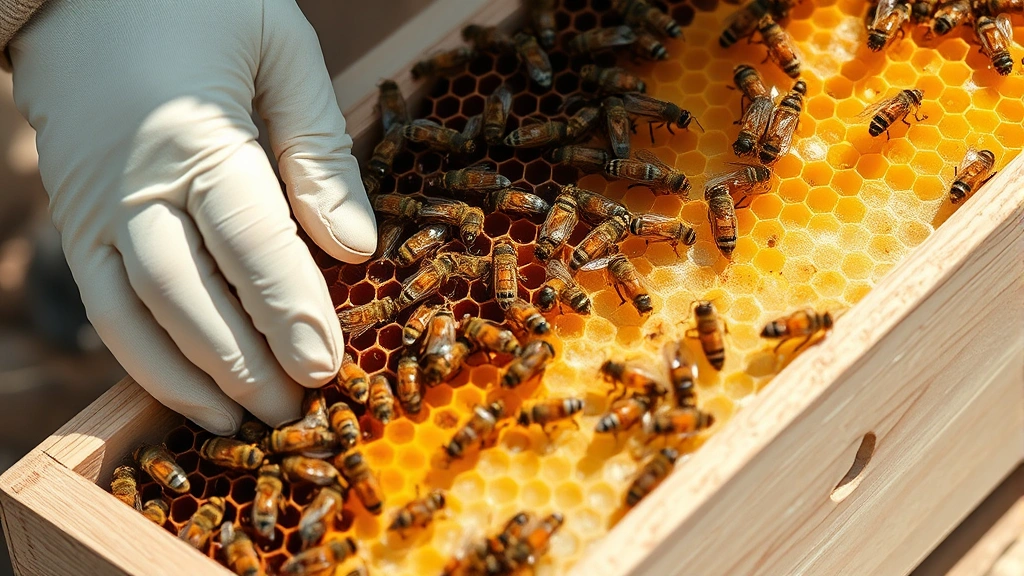
Where to Buy Honey Bees? Beekeeper’s Advice
Starting a beekeeping operation or expanding an existing one requires finding reliable sources for quality honey bees. Whether you’re a commercial beekeeper looking to scale production or a hobbyist interested in pollination and honey production, knowing where to purchase honey bees is essential. The honey bee market has grown significantly, with numerous suppliers offering different bee varieties, package sizes, and delivery options. This comprehensive guide walks you through the best places to buy honey bees, what to look for in suppliers, and how to ensure you’re getting healthy, productive colonies that will thrive in your apiary.
The beekeeping industry has transformed considerably over the past decade, with global honey production reaching over 1.9 million tons annually. As demand increases, so does the availability of honey bees for sale through various channels. Understanding your options helps you make informed decisions that impact your beekeeping success, profitability, and hive health.
Licensed Bee Breeders and Apiaries
Licensed bee breeders represent one of the most reliable sources for purchasing quality honey bees. These professional operations maintain strict breeding standards, conduct regular health inspections, and often provide guarantees on their products. Licensed breeders focus on developing strains that exhibit desirable traits such as disease resistance, high productivity, and gentle temperament.
When searching for licensed breeders in your region, start by contacting your state’s agriculture department or beekeeping regulatory agency. Most states maintain registries of certified bee breeders who comply with health and safety standards. These breeders typically specialize in specific bee varieties, including Italian, Carniolans, Caucasians, or hybrid strains developed for particular climates and conditions.
The advantage of purchasing from licensed breeders includes access to detailed information about colony genetics, disease history, and performance metrics. Many breeders offer replacement guarantees if bees don’t survive the first season, and they can provide guidance on hive setup and management specific to their bee strains. Building relationships with reputable breeders often leads to priority access during peak season and potential discounts for bulk purchases.
Established apiaries frequently offer package bees, nucleus colonies, and even full-sized colonies ready for immediate production. Pricing varies based on colony strength, bee breed, and delivery method, but investing in quality from the start pays dividends through improved survival rates and honey yields.
Local Beekeeping Associations
Beekeeping associations serve as invaluable resources for connecting with local suppliers and experienced beekeepers who sell honey bees. These organizations maintain member directories, host meetings where breeders exhibit their stock, and often coordinate bulk purchasing agreements that reduce individual costs. Joining a local beekeeping club provides networking opportunities with established beekeepers who can recommend trusted suppliers.
Many associations host spring meetings specifically dedicated to bee sales, where members and guest breeders showcase available colonies. These events allow you to inspect bees in person, ask questions about genetics and health, and sometimes negotiate better pricing through group purchases. The knowledge shared by experienced members helps new beekeepers avoid common mistakes and select appropriate bee varieties for their climate.
State and regional beekeeping associations often publish membership lists and supplier directories on their websites. These resources filter out unreliable sellers and focus on producers who meet industry standards. Some associations also offer educational workshops on bee selection, hive setup, and seasonal management that complement your purchase decision.
Online Bee Retailers
The digital marketplace has revolutionized bee purchasing, making it possible to order honey bees for sale from specialized online retailers that ship nationwide. Companies like Mann Lake, Bush Farms, and other established beekeeping supply companies offer package bees and nucleus colonies with spring delivery schedules. These retailers maintain detailed product descriptions, customer reviews, and transparent pricing structures.
Online purchasing offers convenience and access to diverse bee varieties regardless of your geographic location. Many retailers provide real-time inventory tracking, allowing you to reserve bees during peak season before supplies sell out. Shipping logistics are handled professionally, with specialized packaging designed to keep bees alive during transit. However, purchasing online means you cannot inspect colonies before delivery, so researching seller reputation and reading customer reviews becomes critical.
Reputable online retailers typically guarantee live arrival and offer refund policies if bees don’t survive shipping. Some provide detailed care instructions and post-purchase support to help new beekeepers succeed. Comparing prices across multiple online sources helps ensure competitive rates, though extremely low prices may indicate lower quality or health concerns.
The convenience of online ordering makes it easier to plan your beekeeping operation and coordinate timing with hive setup. Many retailers offer packages that bundle bees with essential equipment, simplifying the purchasing process and ensuring you have everything needed for colony establishment.
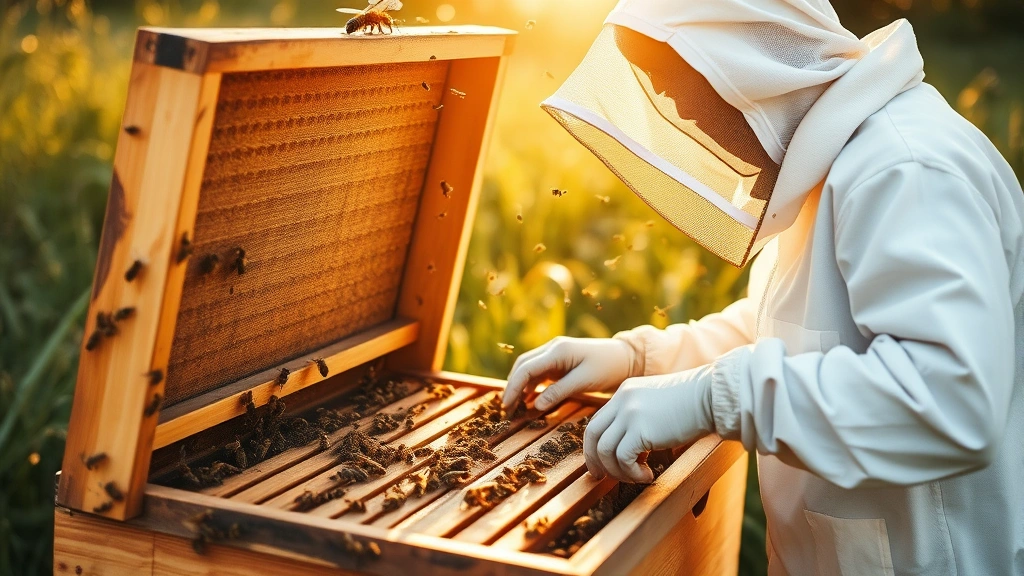
” alt=”Professional beekeeper in protective gear handling wooden frames with honeycomb and bees during hive inspection”>
Package Bees vs. Nucleus Colonies
Understanding the difference between package bees and nucleus colonies is fundamental to making the right purchase decision. Package bees consist of approximately three pounds of adult worker bees and a mated queen shipped in a screened wooden container with sugar water for nutrition during transit. These packages are ideal for starting new colonies or replacing lost hives, offering an economical entry point for new beekeepers.
Nucleus colonies, or “nucs,” contain a smaller complete colony with frames of brood, honey, pollen, and a mated queen already established in a miniature hive box. Nucleus colonies cost more than package bees but establish faster, produce honey sooner, and have higher first-season survival rates. For beekeepers ready to invest more upfront, nucleus colonies provide superior results and reduced risk.
Package bees require installation into prepared hive boxes and take additional time to organize and establish brood patterns. Experienced beekeepers often prefer packages for their flexibility and lower cost, while beginners may benefit from nucleus colonies’ easier management and faster development. The choice depends on your budget, experience level, and timeline expectations.
Both options have merit within the beekeeping industry. Seasonal availability affects pricing and selection, with package bees typically available earlier in spring and nucleus colonies available slightly later. Planning your purchase timing around availability and your hive preparation schedule ensures smooth colony establishment.
What to Inspect Before Purchasing
Before committing to a honey bee purchase, conduct thorough inspections to verify colony health and quality. When visiting apiaries or meeting with breeders, observe overall hive conditions, brood patterns, and adult bee behavior. Healthy colonies display organized comb structures, consistent brood placement, and active foraging populations.
Examine the queen carefully if possible, noting her size, color, and egg-laying patterns indicated by brood presence. A quality queen should be vigorous, unmarked (unless marked by the breeder), and demonstrate evidence of consistent egg-laying through visible larvae and pupae at various development stages. Queens from established breeders often come with certifications or guarantees of mating success.
Assess disease and pest presence by checking for signs of varroa mites, nosema, American foulbrood, or other common bee diseases. Reputable sellers provide health certificates or can discuss their disease management practices in detail. Avoid purchasing from sellers unable or unwilling to discuss their health protocols, as disease introduction can devastate your entire apiary.
Request information about the bees’ genetic background, including their ancestry and any specific traits emphasized in breeding. Understanding whether bees are selected for honey production, disease resistance, gentleness, or other characteristics helps align your purchase with your beekeeping goals. Documentation of hive records, performance metrics, and genetic information adds confidence to your investment.
If purchasing online, request photos or video evidence of colony strength before finalizing your order. Many reputable retailers provide these materials upon request, allowing remote inspection before shipment. Reading detailed customer reviews on independent platforms provides insight into seller reliability and product quality.
Seasonal Buying Considerations
Timing your honey bee purchase strategically ensures better availability, pricing, and colony establishment success. Spring represents peak buying season, with most suppliers offering maximum inventory from March through May. Early spring purchases allow colonies to build population throughout the active season, maximizing honey production and hive strength before winter.
Late winter is when serious beekeepers plan their purchases and place advance orders with preferred breeders. Many suppliers operate on reservation systems where early commitments secure priority access to available bees. Planning ahead prevents disappointment from sold-out inventory and potentially allows negotiation of better pricing for large orders.
Summer and fall purchasing is possible but less ideal for establishing new colonies. Bees purchased in late summer have limited time to build winter stores and population, resulting in weaker hives entering dormancy. However, replacing winter losses in early spring sometimes requires purchasing during these off-peak periods, when fewer bees are available and prices increase due to scarcity.
Regional climate variations affect optimal purchasing timing. Beekeepers in northern climates prioritize spring purchases to allow maximum growth season, while southern beekeepers might extend their purchasing window into early summer. Consulting with local beekeeping associations helps identify region-specific timing strategies that align with your climate’s nectar flow and weather patterns.
Pricing and Budget Planning
Honey bee pricing varies significantly based on bee type, colony size, genetics, and delivery method. Package bees typically cost between $150 and $250, while nucleus colonies range from $200 to $400 depending on strength and breed. Premium genetics or specialty strains command higher prices, reflecting superior traits or limited availability.
Bulk purchasing often reduces per-unit costs, making large operations more economical. Commercial beekeepers purchasing dozens or hundreds of colonies negotiate volume discounts that significantly reduce overall expenses. Understanding wholesale pricing structures helps businesses budget effectively and plan expansion.
When budgeting for honey bee purchases, factor in additional costs beyond the bees themselves. Equipment like hive boxes, frames, protective gear, and tools add to initial investment. USDA beekeeping guides provide detailed cost breakdowns for different operation scales, helping with financial planning.
Shipping costs represent a significant expense for remote purchases, sometimes adding $30 to $75 per order depending on distance and delivery speed. Local purchases eliminate shipping costs, making community connections valuable for budget-conscious beekeepers. Calculating total landed costs including shipping, handling, and any applicable taxes ensures accurate budget planning.
Investing in quality bees from reputable sources ultimately costs less than dealing with disease, poor productivity, or high mortality rates from inferior stock. Viewing bee purchases as long-term investments rather than short-term expenses justifies spending more for proven genetics and healthy colonies that generate returns over multiple seasons.
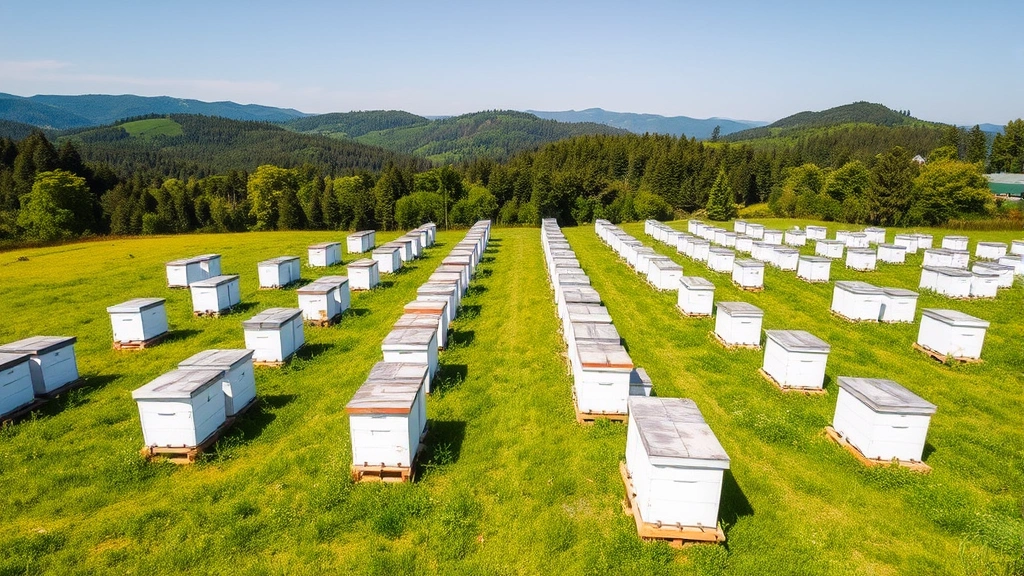
” alt=”Rows of white wooden beehives arranged in organized apiary with green fields and blue sky background”>
FAQ
What is the best time to order honey bees?
Order honey bees during late winter or early spring, typically January through March, to secure inventory for spring delivery. Most suppliers operate on first-come, first-served reservation systems, so early ordering ensures access to preferred bee varieties and potentially better pricing through early-bird discounts.
Can I buy bees year-round?
While some suppliers maintain limited inventory throughout the year, spring represents the primary selling season. Fall and winter purchases are possible but offer fewer options and higher prices due to scarcity. Summer availability exists but is limited, as bees are typically reserved for spring sales.
How do I know if a bee seller is reputable?
Check for state licensing, membership in beekeeping associations, and customer reviews on independent platforms. Reputable sellers provide health certificates, offer guarantees or replacements for dead-on-arrival bees, and willingly discuss their breeding practices and health management protocols. Contact your local beekeeping association for recommendations.
Should I buy package bees or nucleus colonies?
Nucleus colonies offer faster establishment and higher first-season survival but cost more. Package bees cost less and work well for experienced beekeepers. Beginners often benefit from nucleus colonies’ easier management, while budget-conscious beekeepers choose packages. Your experience level and timeline should guide this decision.
What happens if bees die during shipping?
Reputable sellers guarantee live arrival and offer refunds or replacements if bees arrive dead. Read seller policies carefully before purchasing. Proper packaging and quick delivery minimize mortality risk. Avoid sellers who don’t guarantee live arrival, as this indicates lower quality standards.
Can I buy bees locally instead of online?
Yes, local apiaries and beekeeping associations offer excellent purchasing opportunities. Local purchases eliminate shipping costs and allow in-person inspection. Join your state’s beekeeping association to find local suppliers and connect with experienced beekeepers who sell quality stock.
How much should I expect to spend on honey bees?
Package bees cost $150-$250, while nucleus colonies range from $200-$400. Premium genetics cost more. Factor in shipping ($30-$75), equipment, and supplies when budgeting. Total startup costs for a complete operation typically range from $500 to $1,500 per colony depending on scale and quality choices.
Are there any diseases I should worry about when buying bees?
Common bee diseases include varroa mites, American foulbrood, nosema, and Deformed Wing Virus. Purchase from sellers with documented health management practices and disease screening. Request health certificates and discuss disease prevention protocols. Avoid sellers unable to provide health documentation.