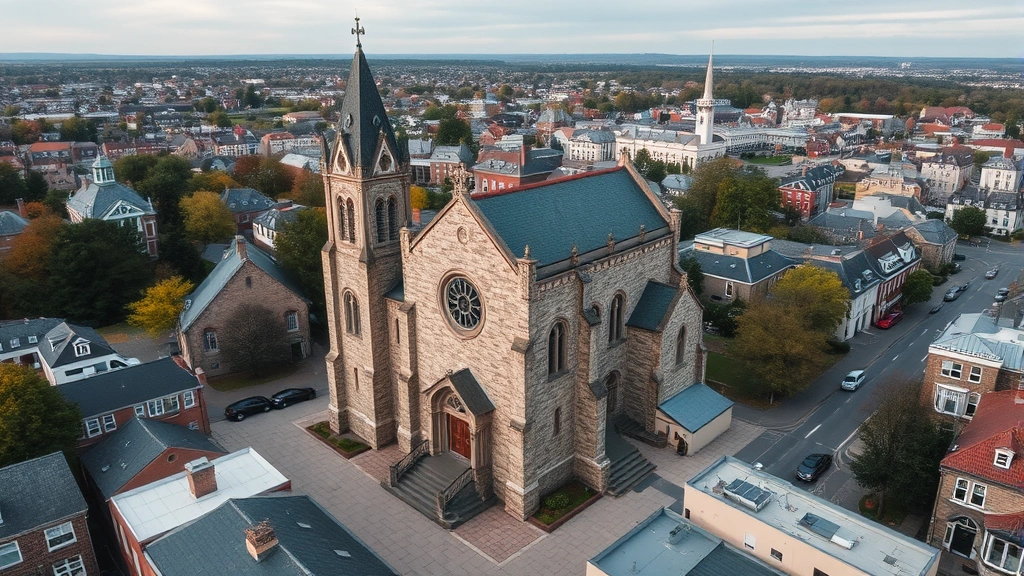
The market for religious properties has undergone a dramatic transformation over the past decade. Churches for sale represent a unique intersection of real estate investment, community development, and adaptive reuse opportunities that savvy investors and developers are increasingly recognizing. Whether driven by declining congregations, demographic shifts, or strategic consolidation, the proliferation of available church properties has created a specialized niche within the commercial real estate sector that demands specialized knowledge and expertise.
Understanding the dynamics of church property sales requires insight into broader real estate trends, valuation methodologies specific to religious structures, and the regulatory landscape governing these transactions. This comprehensive guide explores the multifaceted aspects of purchasing, investing in, and converting church properties, providing actionable intelligence for real estate professionals, investors, and community stakeholders navigating this emerging market segment.
Market Drivers Behind Church Sales
The surge in churches for sale stems from multiple interconnected factors reshaping American religious demographics and institutional priorities. According to Pew Research Center data, religious affiliation rates have declined significantly, with the unaffiliated population growing to approximately 23% of adults. This secularization trend directly impacts church attendance, tithing patterns, and long-term sustainability of many congregations.
Generational shifts represent another critical driver. Younger Americans demonstrate lower rates of religious participation compared to previous generations, creating surplus capacity in many established congregations. This oversupply of religious facilities has prompted strategic consolidations where multiple churches merge operations, leaving properties available for sale. Additionally, aging congregations in declining neighborhoods face difficult decisions about maintenance costs, accessibility upgrades, and long-term viability.
Urban revitalization initiatives have accelerated church property sales in city centers. Real estate developers recognize the architectural and spatial value of many historic church buildings, viewing them as prime candidates for conversion into residential lofts, mixed-use developments, or cultural venues. The National Association of Industrial and Office Properties has documented increasing developer interest in adaptive reuse projects involving religious structures.
Financial pressures compound these demographic challenges. Rising property taxes, deferred maintenance on aging structures, and declining revenue streams force many congregations to evaluate their real estate holdings. Some churches choose to downsize, relocating to more affordable facilities or sharing space with other organizations. This rationalization of church portfolios has created opportunities for investors and developers seeking distinctive properties with established infrastructure.
Valuation and Pricing Strategies
Pricing church properties requires specialized valuation approaches that differ significantly from standard commercial real estate methodology. The income approach, commonly used for revenue-generating properties, holds limited applicability since churches typically operate as nonprofit organizations with minimal commercial revenue. Instead, appraisers employ the cost approach and comparable sales method, with particular emphasis on replacement cost and adaptive reuse potential.
Location represents the primary value determinant for church properties, much like houses for sale under 500k in desirable neighborhoods. Properties in established urban neighborhoods with strong development momentum command premium prices, while rural or declining areas may sell at substantial discounts. Appraisers evaluate surrounding demographics, economic trends, and zoning potential to determine baseline valuations.
Architectural and historical significance substantially impacts church property valuations. Properties designated as historic landmarks or featuring distinctive architectural elements command higher prices from developers seeking to preserve character while adapting the structure for new uses. The structural integrity assessment proves critical, as deferred maintenance can dramatically reduce value. Comprehensive building inspections examining roof condition, foundation stability, mechanical systems, and accessibility features inform realistic pricing.
Market comparables for church properties remain limited compared to standard commercial real estate, creating valuation challenges. Appraisers typically analyze sales of similar religious properties within the region, though recent transactions may be scarce in many markets. This scarcity often results in wider valuation ranges and negotiated prices reflecting buyer-specific conversion plans and intended uses rather than standardized market metrics.
The adaptive reuse potential fundamentally influences pricing strategies. Properties suitable for residential conversion, hotel development, or event venues command premium valuations compared to those requiring extensive remediation or facing zoning constraints. Buyers typically conduct detailed feasibility analyses before making offers, factoring in conversion costs, timeline, and projected returns into their pricing.

” alt=”Professional real estate team conducting property valuation meeting in modern office setting”>
Zoning and Regulatory Considerations
Navigating zoning regulations represents one of the most critical challenges when acquiring church properties. Religious institutions historically received favorable zoning treatment, with many jurisdictions permitting church uses in zones otherwise restricted to residential or light commercial purposes. However, converting church properties to alternative uses often triggers strict zoning compliance requirements.
Most jurisdictions classify churches as conditional uses or permitted uses in specific zones, but alternative uses require rezoning or special permits. Converting a church to residential apartments, for example, typically requires different zoning classification and may trigger extensive review processes involving community boards, planning commissions, and city councils. This regulatory pathway can extend project timelines by months or years, significantly impacting development costs and financial returns.
Parking requirements present substantial regulatory hurdles for adaptive reuse projects. Churches historically operated under different parking standards than retail, office, or residential uses. Converting a church to a restaurant or retail venue may require substantially more parking than the property provides, necessitating creative solutions such as shared parking arrangements, off-site facilities, or variances. The National Association of City Transportation Officials provides guidance on alternative parking solutions for adaptive reuse projects.
Historic preservation regulations create additional complexity for church property conversions. Many churches qualify for historic designation at local, state, or national levels. While this status provides tax incentives for restoration, it also restricts modifications, requiring compliance with preservation guidelines. Exterior alterations, interior modifications, and structural changes require approval from preservation boards, potentially limiting conversion options.
Environmental compliance issues warrant careful investigation. Older church buildings may contain asbestos, lead paint, or other hazardous materials requiring professional remediation before conversion. Underground storage tanks, particularly in properties with extensive grounds, may harbor petroleum contamination. Environmental Phase I and II assessments should precede purchase agreements, protecting buyers from unexpected remediation costs.
Accessibility requirements under the Americans with Disabilities Act (ADA) apply to converted church properties in most scenarios. Converting a church to public-use facilities requires ADA-compliant entrances, restrooms, parking, and interior circulation. These requirements can substantially increase conversion costs, particularly in historic structures where modifications must balance accessibility with preservation requirements.
Adaptive Reuse and Conversion Opportunities
The creative potential of church property conversions has sparked remarkable transformations across urban and suburban landscapes. Residential loft conversions represent the most common adaptive reuse strategy, capitalizing on high ceilings, distinctive architectural features, and spacious interiors that appeal to contemporary homebuyers. Successful residential conversions typically preserve original architectural elements—stained glass windows, vaulted ceilings, ornate woodwork—while incorporating modern amenities and meeting building codes.
Hospitality conversions have gained significant momentum, with churches transformed into boutique hotels, bed-and-breakfasts, and event venues. The distinctive ambiance and architectural character of church buildings create compelling hospitality experiences. High ceilings accommodate mezzanine levels, creating additional revenue-generating space. Event venues capitalize on the natural beauty and spiritual atmosphere of church interiors for weddings, corporate events, and cultural programming.
Cultural and educational uses represent another substantial opportunity category. Museums, galleries, performance venues, and educational institutions recognize the value of church properties for programming. The Smithsonian Institution has documented numerous successful conversions of religious properties into cultural facilities. These conversions often qualify for grants, tax incentives, and philanthropic support, improving financial viability.
Mixed-use developments combine multiple conversion strategies, maximizing property value and revenue generation. Ground-floor retail or dining establishments support upper-level residential or office space. This diversified approach reduces vacancy risk and creates vibrant community destinations. Like high ticket sales strategies, mixed-use conversions require sophisticated market analysis and execution.
Office and coworking conversions capitalize on the demand for distinctive, inspiring work environments. The substantial square footage, natural light, and architectural character of many churches create appealing office spaces. Some churches have been converted to specialized uses such as yoga studios, wellness centers, or creative agencies seeking distinctive branded environments.
Investment Returns and Financial Analysis
Financial performance of church property conversions varies substantially based on location, conversion strategy, and market conditions. Residential conversions in desirable urban neighborhoods have generated strong returns, with successful projects achieving 15-25% annual returns on invested capital. However, these returns require careful market timing, efficient project management, and strong execution.
Hospitality conversions often demonstrate longer payback periods but potentially higher lifetime returns. A church converted to a boutique hotel might require 18-36 months to achieve positive cash flow, but established operations generate consistent revenue streams. Event venue conversions typically achieve profitability more quickly, often within 12-18 months, depending on market demand and operational efficiency.
Mixed-use developments distribute financial risk across multiple revenue streams, though they require sophisticated project management and capital allocation. A successful mixed-use conversion might generate revenue from residential leases, retail tenants, office space, and event programming, creating diversified income sources that buffer against individual market fluctuations.
Tax considerations significantly impact financial returns. The Federal Historic Preservation Tax Credit provides a 20% credit for qualified rehabilitation of historic properties, substantially improving project economics. Additionally, like opportunities in townhouses for sale near me, church property conversions may qualify for opportunity zone benefits in designated areas, providing preferential tax treatment for capital gains reinvestment.
Operating expense structures differ substantially from standard commercial properties. Converted church properties often feature higher mechanical costs due to extensive square footage, unique HVAC requirements, and aging systems. Preservation and maintenance of distinctive architectural features can exceed costs for standard construction. Successful operators factor these elevated operating expenses into financial projections and pricing strategies.
Due Diligence and Risk Assessment
Comprehensive due diligence processes are essential for successful church property acquisitions. Structural engineering assessments should evaluate foundation integrity, roof condition, and load-bearing capacity for proposed conversions. Many older churches feature complex structural systems requiring specialized expertise. Structural reports should specifically address conversion feasibility and required remediation costs.
Title searches and legal review demand particular attention given the ecclesiastical nature of church properties. Some churches hold property in trust arrangements, requiring approval from religious authorities or denomination leadership for sales. Others face claims from affiliated organizations or historical societies. Clear title verification protects buyers from unexpected legal challenges.
Environmental assessments, including Phase I and Phase II Environmental Site Assessments, should precede purchase. Underground storage tanks, asbestos, lead paint, and other environmental hazards require professional identification and remediation planning. Environmental liability insurance can transfer certain risks, but comprehensive assessment reduces surprises during conversion work.
Community engagement and stakeholder analysis warrant consideration before acquisition. Congregations relocating to new facilities may retain emotional connections to historic properties. Community organizations using church facilities may have legitimate concerns about property disposition. Early stakeholder communication can identify potential obstacles and build support for productive adaptive reuse.
Zoning and regulatory feasibility studies should precede purchase agreements. Engaging municipal planning departments early in the process identifies potential obstacles and timelines for required approvals. Preliminary discussions often reveal whether rezoning or variances are achievable, informing investment decisions and financial projections.
Market Trends and Future Outlook
The market for church properties continues evolving as demographic, economic, and cultural trends reshape religious institutional landscapes. Ongoing secularization will likely maintain pressure on many congregations, creating continued supply of available properties. However, market dynamics vary significantly by region and property characteristics.
Urban properties in revitalization corridors will likely command premium valuations and attract substantial developer interest. Suburban properties face more uncertain prospects, with values dependent on neighborhood trajectory and conversion potential. Rural church properties may face challenges finding suitable buyers unless located in emerging destination areas.
Historic preservation incentives and cultural programming support will likely expand, particularly as communities recognize the value of distinctive adaptive reuse projects. Tax credit programs and philanthropic funding streams provide financial support for culturally significant conversions, improving project economics.
The residential conversion market may face headwinds from increased construction costs and changing housing preferences. However, distinctive loft-style residential conversions continue attracting affluent buyers seeking unique properties with character and architectural significance. Like the Acura RDX 2019 for sale market, niche real estate segments maintain value through distinctive attributes.
Hospitality conversions may expand as boutique hotel development continues. Church properties offer distinctive branding opportunities and authentic experiences that appeal to contemporary travelers. Event venue conversions should remain strong given consistent demand for distinctive event spaces and the relative scarcity of buildings with the spatial qualities and architectural character of churches.
Technology and remote work trends may create new opportunities for office conversions and coworking spaces, as companies seek distinctive, inspiring environments for creative collaboration. The post-pandemic workplace evolution creates demand for unconventional office spaces with character and community appeal.
Market information and transaction data availability will likely improve as the church property market matures. CoStar Group and similar commercial real estate data providers increasingly track adaptive reuse transactions, providing better benchmarking and valuation guidance for future transactions.
FAQ
What is the typical price range for church properties?
Church property prices vary dramatically based on location, condition, and size. Urban properties in strong markets may range from $500,000 to several million dollars, while rural properties might sell for $50,000 to $300,000. Valuation depends primarily on land value and adaptive reuse potential rather than religious use.
Do I need special permits to convert a church to residential use?
Yes. Most jurisdictions require rezoning or special permits to convert church properties to residential uses. The specific process varies by municipality but typically involves planning commission review, public hearings, and city council approval. Engaging municipal planning departments early in the process is essential.
What are the main obstacles to church property conversion?
Primary obstacles include zoning restrictions, parking requirements, historic preservation regulations, accessibility compliance, environmental remediation, and structural modifications. Comprehensive due diligence identifies specific obstacles for individual properties, informing financial projections and feasibility assessments.
Are there tax incentives for church property conversions?
Yes. The Federal Historic Preservation Tax Credit provides 20% credits for qualified historic property rehabilitation. Additionally, opportunity zone designations in certain areas provide preferential tax treatment. Consulting with tax professionals and preservation specialists identifies available incentives.
How long does church property conversion typically take?
Timeline varies substantially based on complexity. Simple conversions might require 12-18 months from acquisition to occupancy, while complex adaptive reuse projects involving historic preservation and extensive permitting can require 24-36 months or longer. Zoning processes and environmental remediation significantly impact timelines.
What are the best conversion uses for church properties?
Successful conversions include residential lofts, boutique hotels, event venues, offices, cultural facilities, and mixed-use developments. Optimal use depends on property location, size, condition, and market demand. Professional feasibility studies identify the highest-value uses for specific properties.