C4 Corvette for Sale? Complete Buyer’s Guide to Fourth-Generation Icons
The C4 Corvette represents one of the most transformative chapters in American automotive history. Produced from 1984 to 1996, this fourth-generation sports car introduced revolutionary technology, aggressive styling, and performance capabilities that redefined what Chevrolet could achieve. Whether you’re searching for C4 Corvette for sale listings or considering your first classic car purchase, understanding the market dynamics, pricing trends, and vehicle specifics is essential for making an informed investment.
The C4 generation emerged during a pivotal moment when Corvette enthusiasts debated tradition versus innovation. Unlike its predecessors, the C4 featured a completely redesigned chassis, independent rear suspension, and digital instrumentation that seemed futuristic even by today’s standards. Today’s collector market values these vehicles not just as functional transportation but as tangible pieces of 1980s and 1990s automotive culture. Finding the right C4 Corvette requires patience, knowledge, and strategic searching across multiple platforms and marketplaces.

Understanding C4 Corvette Market Value
The C4 Corvette market has experienced remarkable growth over the past decade, driven by nostalgia, collector interest, and the vehicle’s increasing rarity. According to Hagerty’s valuation data, well-maintained C4 models have appreciated significantly, with some rare variants commanding five-figure premiums. The market differentiates sharply between base models and special editions, with factors like mileage, condition, color, and originality creating substantial price variations.
When evaluating C4 Corvette for sale listings, pricing typically ranges from $15,000 for higher-mileage examples to $75,000+ for pristine, low-mileage specimens with rare options. The sweet spot for value-conscious buyers often falls between $25,000 and $45,000, where you’ll find well-maintained vehicles with reasonable mileage and complete service histories. Understanding these market dynamics helps you identify genuine value opportunities versus overpriced listings.
Several variables influence C4 pricing beyond the obvious condition metrics. Original ownership history, matching numbers (engine and frame), service records documentation, and garage storage versus outdoor exposure all impact desirability. The specific color combination matters significantly—certain factory colors command premiums while others face buyer resistance. Mechanical upgrades and modifications typically reduce value for purist collectors, though performance-focused buyers may value enhanced engines and suspension systems.
Key Model Years and Generations
The C4 generation spans thirteen model years, each with distinct characteristics, improvements, and collectibility factors. The 1984-1989 first generation introduced the revolutionary design with its mid-mounted engine, digital dashboard, and aggressive aerodynamics. Early models featured the 5.7L L83 engine producing 205 horsepower—modest by modern standards but adequate for the era. These first-generation C4s are increasingly recognized as important design statements and command growing collector interest.
The 1990-1993 second generation brought the L98 engine upgrade, increased to 245-250 horsepower, along with improved interior refinements and exterior styling adjustments. The addition of the ZR-1 in 1990 created a two-tier market, with the King of the Hill variant commanding substantial premiums. These middle-year C4s represent the sweet spot for many buyers, offering improved performance over early models while maintaining classic 1980s styling.
The 1994-1996 final generation introduced the LT4 engine, delivering 330 horsepower in naturally-aspirated form—a significant jump that positioned the C4 competitively against contemporary sports cars. These final-year models featured updated exterior styling, improved interior technology, and more refined engineering. They represent the pinnacle of C4 development and command premium pricing, particularly low-mileage examples. When searching garage sales near me or specialty automotive marketplaces, understanding these distinctions helps identify the specific variant you’re pursuing.
Where to Find C4 Corvettes for Sale
Locating quality C4 Corvettes requires searching across multiple platforms and channels, each offering distinct advantages and buyer protections. Online marketplaces have revolutionized classic car shopping, providing unprecedented inventory visibility and price transparency.
Specialized Automotive Platforms: Cars.com, AutoTrader.com, and Hemmings Motor News maintain extensive classic car inventories with detailed listings, multiple photographs, and seller contact information. These platforms typically feature professional dealers and vetted private sellers, offering some buyer protection mechanisms.
Dedicated Classic Car Marketplaces: Specialized platforms like Cars & Bids, Bring a Trailer, and Copart focus exclusively on classic and collector vehicles. These auction-style platforms often attract serious collectors and provide detailed condition reports, though competitive bidding can inflate final prices. The transparency and professional photography make these excellent research resources even if you’re not purchasing through auction.
Corvette-Specific Resources: The National Corvette Museum, Corvette Forum communities, and C4 enthusiast clubs maintain classifieds sections and member networking opportunities. These communities provide invaluable peer knowledge, seller reputation verification, and often connect you with private sellers who prioritize vehicle care. Engaging with these communities before purchasing provides crucial context about specific examples and market realities.
Local Dealer Networks: Specialty dealers focusing on classic Corvettes maintain curated inventories and provide professional inspection services, warranty options, and consignment purchasing arrangements. While dealer markups exist, the expertise, accountability, and recourse options justify premiums for many buyers. Unlike casual yard sales near me this weekend scenarios, dealer purchases offer structured transactions and professional support.
Auction Houses and Estate Sales: Classic car auctions, estate liquidations, and insurance company sales occasionally feature C4 Corvettes at competitive prices. These venues require patience and active monitoring but can yield exceptional value when less-informed sellers or time-pressured situations create opportunities. Auction previews and detailed condition reports help evaluate vehicles before committing to bids.
Inspection Checklist and Common Issues
Thorough pre-purchase inspection separates wise investments from costly mistakes. The C4 generation, despite its reputation for reliability, presents specific wear patterns and vulnerability areas requiring careful evaluation.
Engine and Mechanical Systems: Have a qualified mechanic perform comprehensive engine diagnostics, compression testing, and fluid analysis. The L83, L98, and LT4 engines are robust but aging examples may exhibit valve seal degradation, timing chain wear, and cooling system deterioration. Listen for valve train noise, check for oil leaks around the pan and valve covers, and verify proper idle quality. Request full service records documenting major maintenance intervals including spark plugs, transmission servicing, and coolant flushes.
Transmission Concerns: The 4L60 automatic transmission requires careful evaluation. Shift quality should be smooth and responsive without hesitation or harshness. Check transmission fluid condition—dark, burnt-smelling fluid indicates internal wear. The 6-speed manual transmission in later models generally proves robust, but clutch engagement and shifter smoothness require assessment. Have a transmission specialist perform load testing if any hesitation exists.
Cooling System Evaluation: The C4’s cooling system works hard in traffic situations. Verify radiator condition, thermostat operation, and water pump integrity. Look for evidence of previous overheating, coolant leaks, or radiator hose deterioration. The electric fans should engage smoothly without excessive noise, and the engine should maintain consistent temperature under varying driving conditions.
Electrical and Electronics: The C4’s digital dashboard and electronic systems represent both innovation and potential failure points. Test all gauges, warning lights, and display functions. Verify power window, lock, and seat operation. Check the HVAC system thoroughly—AC performance degrades over time and recharging costs accumulate. The electrical connectors and wiring harnesses deteriorate with age; look for corrosion and loose connections throughout the engine bay.
Suspension and Steering: The independent rear suspension represents a major C4 advantage, but components wear predictably. Test suspension response by bouncing each corner firmly—excessive movement indicates worn shocks or springs. Check for uneven tire wear suggesting alignment issues. The steering should respond smoothly without excessive play at the wheel. Listen for clunking noises from the rear suspension during turns, indicating worn bushings or ball joints.
Brake System Assessment: The C4 features ABS in later models—verify proper operation and check for warning lights. Brake feel should be firm and responsive without sponginess indicating air or fluid degradation. Inspect brake pads and rotors for remaining thickness; replacement costs run $800-1500 for quality components. Test brake operation from various speeds, listening for grinding or squealing indicating wear beyond acceptable limits.
Body and Paint Evaluation: Examine the fiberglass body carefully for cracks, stress marks, or previous repairs. Run your hands across all surfaces feeling for waves, low spots, or filler indicating accident damage. Check door and panel gaps for consistency and proper alignment. The paint should show consistent finish without variations suggesting repainting. Original paint typically commands premiums, while quality repaint work maintains value better than poor cosmetic repairs.
Pricing Trends and Investment Potential
The C4 Corvette market has matured considerably, with pricing stabilizing around demonstrated collector value rather than speculative premiums. Kelley Blue Book’s classic car valuation data indicates consistent appreciation, though growth rates have moderated from previous years’ double-digit annual increases. Understanding these trends helps position C4 purchases as reasonable collector investments rather than get-rich-quick schemes.
Several pricing categories segment the C4 market distinctly. Base model examples with higher mileage and standard options typically trade between $15,000-$30,000, offering accessibility for enthusiasts prioritizing driving enjoyment over investment returns. Well-maintained mid-range vehicles with 50,000-80,000 miles and complete service histories command $30,000-$50,000, representing the market’s largest inventory segment. Low-mileage examples with 20,000-40,000 miles and documented original ownership reach $50,000-$75,000. Rare variants, including ZR-1 models, special editions, and exceptional specimens, achieve $75,000-$150,000+ depending on specific attributes.
The ZR-1 represents the most significant pricing premium within the C4 family. Introduced in 1990 with the all-aluminum 32-valve LT5 engine producing 375 horsepower, the ZR-1 created a super-car tier within Corvette hierarchy. These models command 30-50% premiums over equivalent-condition standard C4s, with pristine examples sometimes exceeding $100,000. The rarity, performance credentials, and collector recognition justify these elevated prices for serious enthusiasts.
Special editions including the 1995 Pace Car replica, 50th Anniversary model, and Collector Edition variants command modest premiums of 5-15% over equivalent standard models. These special editions appeal to completionists and collectors seeking specific production numbers or historical significance. However, special edition designation alone doesn’t guarantee value appreciation; condition and maintenance history remain paramount.
Color significantly influences C4 pricing, though preferences vary among collectors. Bright, distinctive colors like Bright Red, Polo Green Metallic, and 1995’s Arctic White command slight premiums, while neutral colors like Black and Silver offer broader appeal. Unusual color combinations occasionally attract premium prices from specific collector segments, while unpopular color/trim combinations may face slight discounts. Original factory color documentation adds value and authenticity credentials.
Financing and Purchase Logistics
Structuring the financial and transactional aspects of C4 Corvette purchases requires careful planning and attention to documentation. Unlike standard vehicle purchases, classic car transactions involve specific considerations around title, insurance, and financing availability.
Financing Options: Traditional bank auto loans typically don’t cover classic cars, but specialized lenders like Hagerty and classic car-focused credit unions offer collector vehicle financing. These lenders understand the unique valuation and risk profiles of classic cars, offering flexible terms and reasonable interest rates. Alternatively, personal loans or home equity lines of credit provide funding flexibility, though terms and rates vary significantly. Cash purchases eliminate financing costs but require substantial liquidity and careful consideration of opportunity costs.
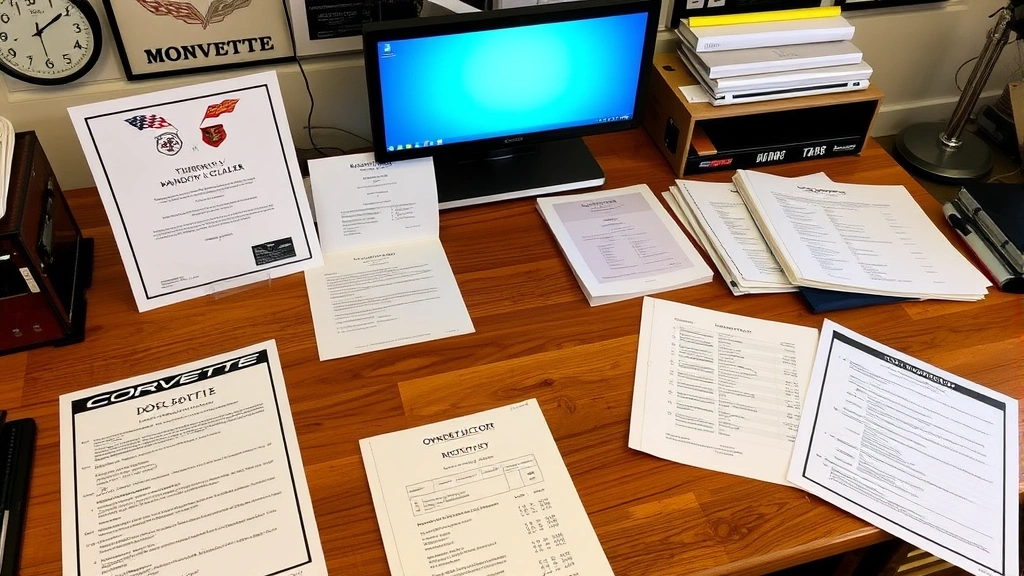
Title and Documentation: Verify clean title status before committing to purchase. Request the original manufacturer’s window sticker (Monroney) if available—these documents authenticate original specifications and significantly enhance value for collector-grade vehicles. Service records, maintenance documentation, and ownership history strengthen purchase confidence and justify premium pricing. Request VIN verification through Corvette-specific databases that cross-reference production records, ensuring authenticity and confirming original specifications.
Pre-Purchase Agreements: Establish clear purchase terms including inspection contingencies, mechanical warranty periods, and return privileges. Written agreements protect both parties and clarify expectations around vehicle condition, functionality, and remediation responsibilities. Professional purchase agreements cost $200-400 through automotive attorneys but provide essential legal protections.
Insurance Considerations: Classic car insurance differs significantly from standard auto policies. Specialty insurers like Hagerty, American Collectors Insurance, and Classic Car Coverage offer agreed-value policies that eliminate depreciation concerns and provide coverage tailored to collector vehicles. These policies typically cost $400-800 annually for C4 Corvettes, substantially less than standard coverage while providing superior protection. Verify insurance availability and quotes before finalizing purchase agreements.
Registration and Titling: Classic car registration varies by state, with many jurisdictions offering special historic vehicle plates or collector car registration programs. These programs often reduce registration fees and insurance requirements while restricting mileage or use patterns. Research your state’s specific regulations, as some states offer significant financial advantages for registered historic vehicles. Unlike searching sales tax in Florida for standard transactions, classic car purchases may qualify for exemptions or reduced tax treatment in certain states.
Transportation and Logistics: Plan vehicle transportation carefully, particularly if purchasing from distant locations. Professional auto transport services cost $1,000-2,500 for cross-country delivery, providing door-to-door service with insurance coverage. For local purchases, arrange secure transportation preventing weather exposure and road hazards. Never drive an unfamiliar used vehicle extensively before comprehensive inspection and mechanical evaluation.
Restoration vs. Original Condition
The restoration versus preservation decision fundamentally shapes C4 ownership experience and investment trajectory. Each approach offers distinct advantages and appeals to different collector philosophies.
Original Condition Philosophy: Preservationists prioritize maintaining vehicles in their original state, celebrating period-correct specifications, factory colors, and authentic patina. This approach respects historical accuracy and often achieves superior investment returns, as originality commands premium pricing in today’s collector market. Original-condition vehicles require meticulous maintenance and careful usage to prevent deterioration, but they appreciate as authentic examples become increasingly rare. Buyers seeking original examples should prioritize documentation, service records, and condition consistency rather than cosmetic perfection.
Restoration Approach: Full or partial restoration returns vehicles to like-new condition, addressing mechanical wear, cosmetic degradation, and functional deficiencies. Professional restoration costs range from $30,000-$100,000+ depending on scope, with frame-off restorations consuming $75,000-$150,000 in high-end shops. Restorations yield improved functionality, enhanced aesthetics, and satisfaction from customization opportunities. However, restoration investments rarely return dollar-for-dollar, with most restorations achieving 60-80% cost recovery through appreciation and sale value.
Hybrid Approach: Many C4 owners adopt middle-ground strategies, performing selective restoration on mechanical systems while preserving original cosmetics. This balanced approach maintains authenticity while improving reliability and performance. Engine rebuilds, transmission overhauls, and suspension refresh work typically costs $15,000-$35,000, enhancing driving enjoyment without destroying originality credentials.
Mechanical Refresh Considerations: Even original-condition vehicles benefit from selective mechanical updates. Modern spark plugs, synthetic fluids, upgraded cooling systems, and contemporary fuel management improvements enhance reliability without visible modification. These invisible upgrades maintain originality while improving ownership experience and daily functionality. Careful documentation noting all modifications and upgrades preserves future resale value and provides transparency to subsequent buyers.
Cosmetic Restoration Strategy: Paint and interior work represents significant restoration expense, often $10,000-$30,000 for quality work. Factory color matching, original material sourcing, and period-correct restoration techniques preserve historical authenticity while improving aesthetics. Partial cosmetic restoration addressing only visible wear—refinished door panels, reupholstered seats, fresh paint—provides aesthetic improvements at moderate cost while maintaining basic authenticity.
Restoration decisions should align with personal usage intentions and investment objectives. Daily-driver C4s benefit from comprehensive mechanical restoration ensuring reliability and safety. Collector vehicles prioritizing investment appreciation should emphasize originality preservation. Enthusiast vehicles enabling spirited weekend driving benefit from selective mechanical upgrades and cosmetic restoration balancing authenticity with functionality.
FAQ
What’s the average price for a C4 Corvette in 2024?
C4 Corvette pricing ranges from $15,000 for higher-mileage base models to $75,000+ for pristine low-mileage examples. The market sweet spot typically falls between $30,000-$50,000 for well-maintained vehicles with reasonable mileage and complete service documentation. ZR-1 models and rare special editions command 30-50% premiums over equivalent standard C4s.
Which C4 model years are most collectible?
The 1994-1996 final-generation models with LT4 engines command premium pricing due to superior performance and refined engineering. The 1990-1993 second-generation, particularly ZR-1 variants, represent important performance milestones. Early 1984-1989 models gain collector recognition as design statements and increasingly attract enthusiast interest as rarity increases.
Are C4 Corvettes reliable for daily driving?
C4 Corvettes prove reasonably reliable for daily driving when properly maintained, though aging components require attention. Regular oil changes, coolant system maintenance, transmission servicing, and brake system care support long-term reliability. Budget for preventive maintenance and occasional repairs—rubber components, electrical connectors, and cooling systems deteriorate with age and require periodic replacement.
What makes a C4 Corvette valuable to collectors?
Design significance, historical importance, performance credentials, and increasing rarity drive C4 collector value. Original specifications, complete service documentation, low mileage, and garage storage history command premiums. Special editions, rare color combinations, and matching-numbers vehicles appeal to completionists and serious collectors willing to pay substantial premiums for authenticity and provenance.
Should I buy a C4 Corvette as an investment?
C4 Corvettes offer reasonable investment potential with documented appreciation trends, though returns moderate from earlier double-digit annual increases. Condition, mileage, documentation, and rarity significantly influence appreciation rates. Treat C4 purchases primarily as vehicles to enjoy while appreciating their collectibility as secondary benefit rather than primary investment strategy.
How do I verify a C4 Corvette’s authenticity and original specifications?
Request VIN verification through Corvette-specific databases cross-referencing production records. Original manufacturer window stickers (Monroney labels) authenticate specifications and options. Complete service records, ownership documentation, and consistent paint/interior condition support authenticity claims. Professional pre-purchase inspections by Corvette specialists identify modifications and verify factory-original components.
What are common C4 mechanical problems I should know about?
The 4L60 automatic transmission requires careful evaluation for shift quality and fluid condition. Cooling system deterioration, valve seal degradation, and timing chain wear affect aging engines. Electrical system corrosion, ABS component failure, and suspension bushing wear represent predictable aging-related issues. Comprehensive mechanical inspection by qualified specialists identifies specific concerns before purchase commitment.