Where to Buy Silkie Chickens? Expert Advice for Finding Quality Birds
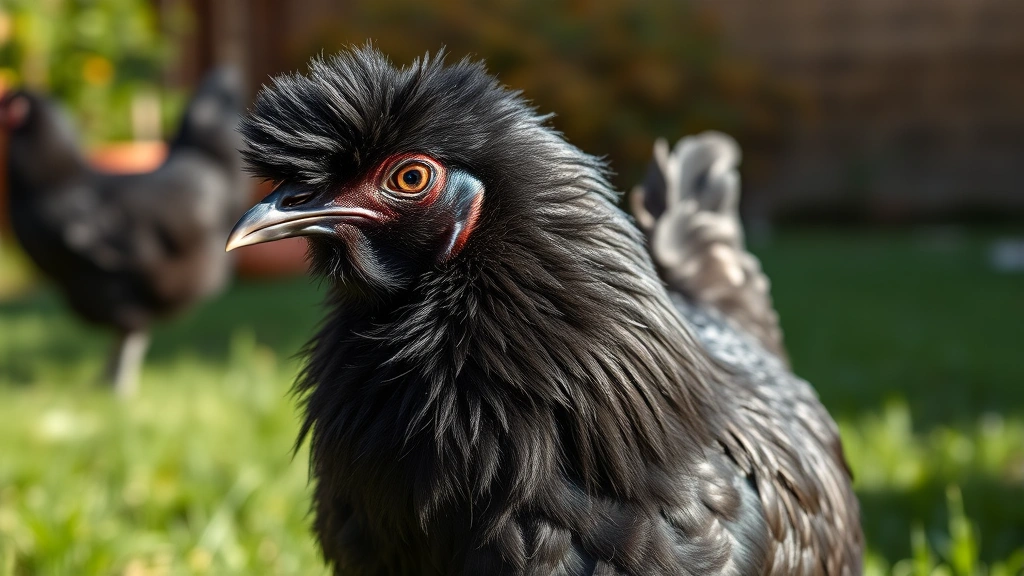
Silkie chickens have become increasingly popular among backyard poultry enthusiasts, small-scale farmers, and hobbyists seeking unique, broody, and temperamentally superior birds. These distinctive chickens, characterized by their fluffy plumage, blue earlobes, and gentle disposition, command premium prices in the specialty poultry market. Finding reliable sources for silkie chickens for sale requires understanding where reputable breeders operate, what quality indicators to assess, and how to evaluate pricing across different sales channels.
The market for silkie chickens has expanded significantly over the past decade, driven by growing interest in sustainable agriculture, small-scale homesteading, and heritage breed preservation. Whether you’re seeking chicks, juveniles, or breeding stock, knowing where to source these birds directly impacts your success as a poultry keeper. This comprehensive guide explores the most reliable channels for purchasing silkies, evaluates the pros and cons of each option, and provides actionable advice for making informed purchasing decisions.
Local Breeders and Private Sellers
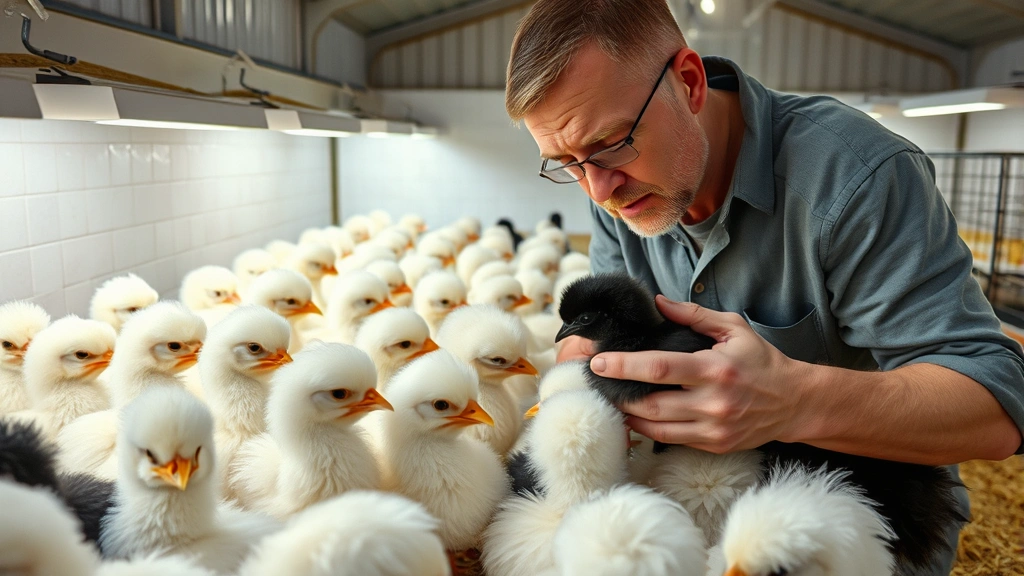
Local breeders represent the gold standard for acquiring quality silkie chickens. These dedicated enthusiasts typically maintain small flocks focused on breed standards, temperament, and genetic health. Sourcing from local breeders offers several distinct advantages: you can inspect birds in person, evaluate their living conditions, ask detailed questions about lineage and health history, and establish ongoing relationships for future purchases or breeding advice.
Finding local breeders requires some detective work. Start by contacting your county extension office, local agricultural agencies, or regional poultry clubs. Many states maintain directories of registered breeders through agricultural departments. Online platforms like Facebook groups dedicated to backyard chickens frequently connect buyers with nearby breeders. When evaluating private sellers, verify their reputation through references, ask about bird genetics and any health guarantees, and ensure they practice biosecurity measures to prevent disease transmission.
The benefits of purchasing from established local breeders include access to birds selected for superior traits, personalized guidance on care and management, and the ability to see parent birds before committing to purchase. Prices typically range from $25 to $75 per bird for quality juveniles and $50 to $150 for breeding-quality adults, though championship bloodlines command premium pricing. This approach aligns with the broader concept of direct-to-consumer sales models that emphasize transparency and relationship-building in specialty markets.
Online Marketplaces and Specialty Platforms
Digital platforms have revolutionized poultry commerce, connecting buyers and sellers across geographic regions. Specialized websites dedicated to poultry sales, including The Poultry Show, BackYardChickens.com, and breed-specific forums, serve as vetted marketplaces where established sellers maintain profiles and customer reviews. These platforms typically feature detailed bird descriptions, photographs, health certifications, and shipping information.
General marketplaces like Craigslist, Facebook Marketplace, and OfferUp also host silkie chicken listings, though these require more careful vetting. When using general platforms, research seller history, ask for multiple photos and videos, request health documentation, and never send payment before confirming arrangements. Reputable online sellers typically offer shipping options with specialized poultry carriers or provide local pickup arrangements.
E-commerce considerations for poultry purchasing differ significantly from traditional retail. Shipping live birds requires compliance with state and federal regulations, proper temperature control during transit, and arrival guarantees. Established online poultry retailers typically charge $8 to $25 per bird for shipping, with minimum order requirements (usually 3-5 birds) to ensure viable arrival rates. Building trust through online channels involves verifying seller credentials, reading customer testimonials, and understanding return or replacement policies for birds arriving in poor condition.
Hatcheries and Commercial Suppliers
Commercial hatcheries represent the most accessible option for purchasing silkie chicks, offering competitive pricing and reliable shipping infrastructure. Major hatcheries like Meyer Hatchery, Ideal Poultry, and Cackle Hatchery maintain large silkie populations and ship chicks nationwide during appropriate seasons. These suppliers typically offer chicks starting at $3 to $8 per bird, with volume discounts for larger orders.
The primary advantage of hatchery purchases involves convenience and affordability. Hatcheries manage complex logistics, maintain temperature-controlled shipping containers, and offer satisfaction guarantees. However, hatchery birds may not represent championship bloodlines or specific breed characteristics desired by serious breeders. Chicks from commercial hatcheries are ideal for backyard egg production, pest control, or general homesteading purposes rather than competition or selective breeding programs.
When ordering from hatcheries, confirm availability during your desired shipping window, understand minimum order requirements, and clarify which sex you’re receiving (many hatcheries cannot guarantee pullets). Request arrival notifications and inspect chicks immediately upon delivery, documenting any losses for insurance claims. Hatchery chicks require proper brooding setup including heat lamps, bedding, feeders, and waterers, representing additional startup costs beyond the bird purchase price.
Poultry Shows and Exhibitions
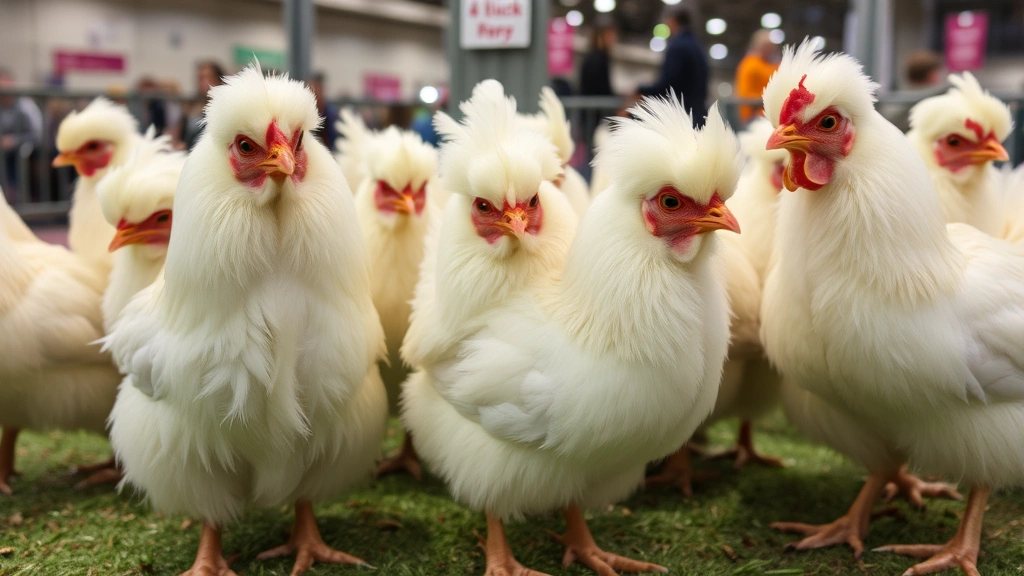
Poultry shows represent premier venues for sourcing exceptional silkie chickens while building community connections within the poultry world. Major exhibitions like the American Poultry Association sanctioned shows attract serious breeders displaying championship-quality birds. These events provide opportunities to purchase directly from exhibitors, evaluate birds against breed standards, and learn from experienced fanciers.
Show-quality birds command premium pricing, often ranging from $75 to $300 per bird depending on age, sex, and championship history. However, these events offer unparalleled access to genetic excellence and the chance to network with dedicated breeders. Many exhibitors conduct sales during shows, offering buyer packages or negotiated pricing for multiple birds. Attending shows also provides educational value, allowing prospective buyers to understand silkie characteristics, recognize quality indicators, and establish relationships with breeders for future reference.
Beyond purchasing birds, poultry shows offer opportunities to explore ancillary products and services. Vendors typically display specialized equipment, feed formulations, health supplements, and breeding resources. This ecosystem resembles broader specialty retail environments where community-based sales events create concentrated marketplaces for niche products and expertise.
Agricultural Cooperatives and Feed Stores
Local feed stores and agricultural cooperatives frequently stock silkie chickens during spring breeding seasons, offering convenient access for rural and suburban customers. These retailers typically partner with local breeders or small hatcheries, providing quality birds at moderate prices. Feed stores offer the advantage of established relationships with customers, allowing staff to provide care recommendations and follow-up support.
The availability of silkies through feed stores varies seasonally and geographically. Rural areas with strong agricultural communities typically maintain better poultry selections than suburban locations. Pricing generally ranges from $15 to $40 per chick or juvenile, reflecting local market conditions and supplier relationships. Feed stores also provide one-stop shopping for starter supplies, creating convenience for new poultry keepers.
When purchasing from feed stores, verify the source of birds, ask about health guarantees or return policies, and confirm the age and sex of birds being sold. Many feed stores maintain limited information about individual bird genetics or breeder practices, so additional research may be necessary for specific breeding goals. Building relationships with local feed store staff can yield valuable insights about regional breeders and upcoming availability.
Pricing and Market Analysis
Silkie chicken pricing exhibits significant variation based on age, quality, breeding history, and sales channel. The specialty poultry market demonstrates consistent growth, with market research indicating annual growth rates of 4-6% in specialty poultry segments. Understanding pricing structures helps buyers make economically sound decisions aligned with their specific needs.
Chicks represent the most affordable entry point, ranging from $3 to $12 per bird depending on source. Started pullets (6-16 weeks old) typically cost $15 to $35 per bird, offering reduced brooding requirements and faster time to egg production. Adult birds command premium pricing, with laying hens valued at $25 to $75 and roosters at $30 to $100. Breeding-quality birds with proven genetics or championship bloodlines exceed these ranges significantly.
Market dynamics reflect supply-demand fluctuations, seasonal availability, and regional preferences. Spring represents peak purchasing season, with prices typically lower than fall purchases when breeding stock becomes scarce. Geographic location influences pricing substantially—rural agricultural areas generally offer lower prices than urban or suburban markets where poultry remains a novelty. Bulk purchases from hatcheries provide volume discounts, while individual purchases from breeders command premium pricing reflecting personalized service and genetic selection.
The economics of silkie chicken ownership differ from commodity poultry production. Silkies produce fewer eggs than production breeds, reducing economic return on investment. Buyers typically value these birds for ornamental characteristics, brooding behavior, and temperament rather than pure egg production. This consumer preference aligns with broader trends in specialty agriculture and hobby farming, where non-monetary value propositions drive purchasing decisions.
Evaluating Bird Quality and Health
Assessing silkie chicken quality requires understanding breed standards, recognizing health indicators, and evaluating genetic potential. The American Poultry Association maintains official breed standards defining ideal silkie characteristics including black skin, blue earlobes, five toes, and distinctive feathering patterns. Quality birds display these traits consistently while exhibiting robust health and appropriate temperament.
Health evaluation encompasses physical inspection and behavioral observation. Quality birds demonstrate bright, clear eyes, smooth feathering without bare patches, clean vents, and active engagement. Avoid birds displaying lethargy, respiratory symptoms, visible parasites, or abnormal gait. Request health certifications or veterinary evaluations when purchasing breeding stock, particularly from unfamiliar sources. Quarantine new birds for 2-4 weeks before integrating them into existing flocks to prevent disease transmission.
Genetic considerations involve understanding parentage, lineage, and any documented health issues within breeding lines. Reputable breeders maintain detailed records and transparently discuss genetic history. Ask about inbreeding coefficients, any hereditary conditions, and selection criteria used in breeding programs. Birds from diverse genetic backgrounds typically exhibit greater vigor and lower disease susceptibility than those from limited gene pools.
Documentation of vaccination status, deworming treatments, and any prior health interventions provides valuable baseline information. Establish relationships with avian veterinarians familiar with poultry medicine before purchasing birds, ensuring access to professional guidance if health issues arise. The cost of professional veterinary care for valuable breeding birds justifies premium pricing for birds from health-conscious breeders.
FAQ
What is the average price for silkie chickens?
Silkie chicken prices range from $3 to $12 per chick from hatcheries, $15 to $75 for juveniles and laying hens from breeders, and $50 to $150+ for breeding-quality adults or championship bloodlines. Prices vary based on age, quality, source, and regional market conditions.
Can silkie chickens be shipped safely?
Yes, silkie chickens can be shipped safely using specialized poultry carriers with proper temperature control and ventilation. Reputable hatcheries and online sellers offer shipping with arrival guarantees. Shipping typically costs $8 to $25 per bird and requires minimum orders of 3-5 birds to ensure viable arrival rates.
What is the best time to purchase silkie chickens?
Spring (March through May) represents the optimal purchasing season when availability peaks and prices are most competitive. Fall purchases are possible but typically involve higher prices and limited selection as breeders prepare flocks for winter. Summer purchasing is challenging due to heat stress during shipping.
How do I verify a breeder’s reputation?
Request references from previous customers, ask about years in business and flock size, inquire about health guarantees and return policies, and verify participation in poultry shows or breed associations. Check online reviews on poultry-specific platforms and ask about documentation of bird genetics and health history.
Are hatchery birds suitable for breeding?
Commercial hatchery birds can be used for breeding but may not produce offspring meeting championship breed standards. For serious breeding programs, purchase from established breeders maintaining superior genetic lines. Hatchery birds work well for backyard egg production and general homesteading purposes.
What quarantine procedures should I follow?
Isolate new birds in a separate enclosure for 2-4 weeks, monitoring for signs of illness or parasites. Provide separate feeders, waterers, and equipment to prevent disease transmission. Observe for respiratory symptoms, digestive issues, or behavioral abnormalities before integrating new birds into existing flocks.
Do silkie chickens require special care?
Silkies require standard poultry care including shelter, feed, water, and health monitoring. Their fluffy plumage demands cleaner bedding and dry conditions to prevent parasites and respiratory issues. They are notably broody, making them excellent mothers but less reliable for consistent egg production compared to production breeds.