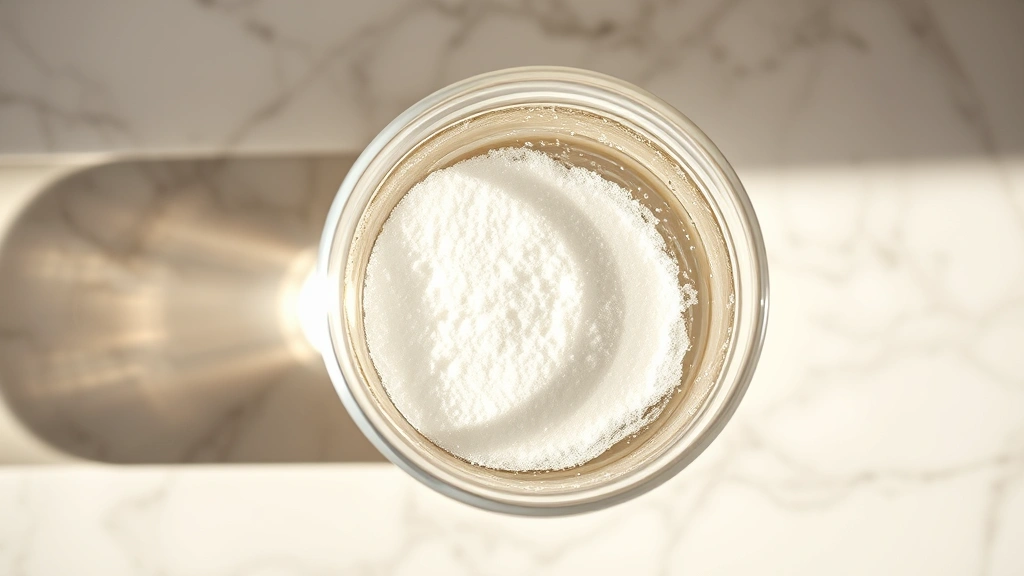
Sal de Uvas Benefits? Health Expert Insights
Sal de Uvas has become a household staple across Latin America and increasingly popular in North American markets, yet many consumers remain unclear about its actual health benefits and proper usage. This antacid remedy, which translates to “grape salt,” has been used for generations to address digestive discomfort, but understanding the science behind it requires examining both traditional applications and modern health research. As more retailers expand their product offerings to meet diverse consumer needs, the wellness category continues to grow, making it essential for both sellers and buyers to understand what products actually deliver.
The global antacid market reached approximately $8.2 billion in 2023 and is projected to grow at a compound annual growth rate of 4.5% through 2030, according to industry analysis. Within this expanding market, traditional remedies like Sal de Uvas occupy a unique position—bridging cultural health practices with modern consumer expectations. Whether you’re a retailer looking to stock health products or a consumer seeking digestive solutions, understanding the genuine benefits and limitations of Sal de Uvas is crucial for making informed decisions.

What is Sal de Uvas and Its Origins
Sal de Uvas is a traditional digestive remedy that originated in Mexico and has been used for over a century throughout Latin American communities. Despite its name suggesting grape content, the product is actually a combination of mineral salts and sodium bicarbonate, formulated to provide rapid relief from common digestive complaints. The most well-known brand, Sal de Uvas Picot, was developed in Mexico and has maintained its market presence through consistent branding and consumer trust.
The product’s popularity stems from its accessibility, affordability, and alignment with traditional health practices that prioritize natural-seeming remedies. In many households, it functions as a first-line treatment before considering pharmaceutical antacids. The powder formulation allows for flexible dosing and quick dissolution in water, making it practical for consumers seeking immediate relief. Understanding the marketing strategies for health products helps retailers effectively position Sal de Uvas to diverse customer segments.
The product’s cultural significance extends beyond its functional benefits; it represents a connection to traditional health wisdom passed down through families. This emotional component drives brand loyalty and repeat purchases, making it a valuable stock item for retailers targeting Hispanic and Latin American consumer bases. The retail channel for such products has expanded significantly, with both online retailers and brick-and-mortar stores recognizing the demand for culturally significant health products.
Active Ingredients and How They Work
Sal de Uvas primarily contains sodium bicarbonate, potassium bitartrate, citric acid, and sodium carbonate—a combination designed to neutralize stomach acid and provide effervescent action that aids digestion. The sodium bicarbonate serves as the primary active ingredient, functioning as a base that reacts with hydrochloric acid in the stomach to produce carbon dioxide, water, and sodium chloride. This chemical reaction creates the characteristic fizzing sensation and helps neutralize excess gastric acid.
The potassium bitartrate and citric acid work synergistically to enhance the buffering effect and promote the effervescent reaction. When dissolved in water, these ingredients create an alkaline solution that raises the pH in the stomach, providing relief from acid-related discomfort. The carbon dioxide produced during the reaction may also contribute to the sensation of relief by promoting gas expulsion and gentle stomach movement. This multi-component approach distinguishes Sal de Uvas from single-ingredient antacids and contributes to its perceived effectiveness among long-time users.
The formulation is designed for rapid action, with most users reporting relief within 5-15 minutes of consumption. The effervescent nature of the product appeals to consumers who prefer an active, visible chemical reaction as evidence of therapeutic action. Research from the FDA confirms that sodium bicarbonate effectively neutralizes gastric acid, though the duration of relief is typically shorter than pharmaceutical antacids like calcium carbonate or aluminum hydroxide.
Primary Health Benefits
Acid Neutralization and Heartburn Relief: The primary benefit of Sal de Uvas is its ability to quickly neutralize excess stomach acid, providing relief from heartburn and acid reflux symptoms. Users typically experience relief within minutes, making it effective for acute episodes triggered by specific meals or situations. The rapid action appeals to consumers who need quick solutions without waiting for tablets to dissolve.
Digestive Comfort: Beyond acid neutralization, Sal de Uvas is traditionally used to address general digestive discomfort, bloating, and gas. The effervescent action may help promote gastric motility and facilitate the movement of gas through the digestive tract. Many users report improved digestive comfort after consumption, though individual responses vary significantly based on the underlying cause of discomfort.
Alkalizing Properties: The product’s alkalizing effect extends beyond simple acid neutralization. Some proponents suggest that Sal de Uvas helps maintain proper pH balance in the digestive system, though scientific evidence for systemic alkalizing benefits remains limited. The perception of alkalizing properties contributes to its appeal among consumers interested in wellness and preventive health practices.
Accessibility and Affordability: While not strictly a health benefit, the product’s low cost and wide availability make it an accessible option for consumers across different socioeconomic levels. This accessibility factor drives repeat purchases and recommendations within communities, supporting market growth.
Scientific Evidence and Research
Scientific validation of Sal de Uvas benefits exists primarily at the level of its individual active ingredients rather than comprehensive clinical trials of the complete formulation. Sodium bicarbonate, the primary component, has extensive research supporting its acid-neutralizing properties. A study published in the American Journal of Gastroenterology confirmed that sodium bicarbonate effectively raises gastric pH and provides rapid symptom relief comparable to other over-the-counter antacids.
However, research specifically examining the combination formula used in Sal de Uvas products is limited. Most clinical evidence comes from studies of individual antacid ingredients or from observational data regarding consumer satisfaction and symptom relief. The National Institutes of Health database contains numerous studies on sodium bicarbonate efficacy, but fewer publications specifically address traditional formulations like Sal de Uvas.
A systematic review of antacid effectiveness published in Evidence-Based Medicine found that all major antacid categories—including sodium bicarbonate-based products—provide clinically significant relief from heartburn symptoms within 5-30 minutes. The duration of relief varies, with sodium bicarbonate typically providing 1-2 hours of symptom control, compared to 2-3 hours for calcium carbonate-based antacids. This information helps consumers understand realistic expectations regarding product effectiveness.
Consumer satisfaction data from major retail platforms and health surveys indicates high satisfaction rates among regular users, particularly within Hispanic and Latin American communities. This real-world evidence, while not meeting strict clinical trial standards, demonstrates consistent consumer perception of benefit. The distinction between perceived benefit and clinically measurable benefit remains important for health professionals and informed consumers to understand.
Usage Guidelines and Dosage
Standard dosage for Sal de Uvas typically involves dissolving one to two teaspoons of powder in a glass of water and consuming immediately while the solution is still effervescing. The product should be used as needed for symptom relief, but manufacturers generally recommend not exceeding 4 teaspoons (approximately 8 grams) daily for adults. Individual tolerance varies, and some users may require less product to achieve desired relief.
For optimal effectiveness, Sal de Uvas should be consumed on an empty stomach or at least 2 hours after meals. However, many users consume it immediately after meals that trigger discomfort, which still provides relief despite being suboptimal for absorption. The product works best when dissolved in cool water rather than hot water, as heat can reduce the effervescent action and decrease the perceived therapeutic effect.
Timing of consumption matters for maximum benefit; taking Sal de Uvas at the first sign of discomfort produces better results than waiting until symptoms become severe. The product should not be used as a preventive measure for chronic acid reflux, as this requires more sustained antacid action or underlying condition management. Users experiencing frequent symptoms should consult healthcare providers to address root causes rather than relying on repeated antacid use.
For individuals considering sales positions in the health and wellness sector, understanding proper product usage and consumer expectations is essential for providing accurate guidance and building customer trust.
Potential Side Effects and Contraindications
While generally recognized as safe for occasional use, Sal de Uvas can produce side effects in certain situations. Sodium content is a primary concern, as each dose contains approximately 1,000-1,500 mg of sodium. Individuals with hypertension, heart disease, or kidney problems should use this product cautiously and consult healthcare providers before regular consumption. High sodium intake can exacerbate these conditions and contribute to long-term health complications.
Excessive or prolonged use of sodium bicarbonate-based antacids can lead to alkalosis, a condition where blood pH becomes too high. Symptoms include nausea, vomiting, muscle weakness, and confusion. This risk increases substantially with daily use exceeding recommended doses or use extending beyond two weeks without medical supervision. The product is not intended for chronic acid reflux management and should not replace prescription treatments for GERD or other serious digestive conditions.
Potential drug interactions exist with certain medications, particularly those requiring specific stomach pH levels for proper absorption. Individuals taking thyroid medications, bisphosphonates, or certain antibiotics should consult healthcare providers before using Sal de Uvas, as the alkalizing effect may interfere with medication efficacy. Pregnant and nursing women should seek medical guidance before use, as sodium bicarbonate crosses the placental barrier and appears in breast milk.
Individuals with kidney disease, heart failure, or conditions requiring sodium restriction should avoid this product entirely. Additionally, those with metabolic alkalosis or respiratory disease should not use sodium bicarbonate-based antacids. The product’s safety profile is excellent for occasional, appropriate use in healthy individuals but requires careful consideration for those with underlying health conditions.
Market Trends and Consumer Demand
The global antacid market continues expanding as consumers increasingly seek accessible remedies for digestive complaints. Traditional products like Sal de Uvas benefit from growing interest in cultural health practices and the wellness movement’s emphasis on accessible, recognizable ingredients. Market research indicates that Hispanic and Latin American consumers represent a substantial and growing demographic segment driving demand for traditional remedies.
E-commerce expansion has significantly increased Sal de Uvas availability beyond traditional retail channels. Retailers can now reach consumers nationwide through online platforms, reducing geographic barriers that previously limited product distribution. The antacid market analysis from Grand View Research projects continued growth driven by increasing digestive health awareness and expanding consumer access to diverse product options.
Younger consumers increasingly recognize Sal de Uvas through cultural transmission and online recommendations, expanding the traditional customer base beyond older generations. Social media discussions about health remedies and cultural products have amplified awareness among diverse demographic groups. This trend creates opportunities for retailers to stock and promote traditional remedies alongside modern health products, appealing to broader consumer bases.
The trend toward natural and traditional remedies continues gaining momentum as consumers seek alternatives to synthetic pharmaceuticals. Sal de Uvas benefits from this perception, despite being a manufactured product with specific chemical formulations. Marketing strategies emphasizing heritage, cultural significance, and consumer testimonials prove effective for driving sales and building brand loyalty. For those interested in sales careers in health product distribution, understanding these market dynamics and consumer preferences is essential for success.
Regulatory landscape considerations affect product availability and marketing claims. The FDA classifies Sal de Uvas as an over-the-counter antacid, and manufacturers must comply with labeling requirements and substantiation standards for health claims. Understanding these regulatory requirements is crucial for retailers and distributors ensuring proper product representation and consumer protection.
FAQ
Is Sal de Uvas safe for daily use?
Sal de Uvas is not recommended for daily use. It is formulated for occasional relief of acute digestive symptoms. Daily use can lead to alkalosis, electrolyte imbalances, and increased sodium intake. Individuals experiencing frequent symptoms should consult healthcare providers to address underlying conditions rather than relying on repeated antacid use. Chronic acid reflux requires different management strategies.
How quickly does Sal de Uvas work?
Most users experience relief within 5-15 minutes of consumption. The effervescent action and rapid pH neutralization in the stomach account for this quick response. However, the duration of relief typically lasts 1-2 hours, after which symptoms may return if the underlying cause persists. Individual response times vary based on stomach contents and acid production rates.
Can children use Sal de Uvas?
Sal de Uvas is generally not recommended for children without medical supervision. The high sodium content and risk of alkalosis make it inappropriate for pediatric use. Children experiencing digestive symptoms should be evaluated by healthcare providers to determine appropriate treatments. Alternative remedies specifically formulated for children are available.
Does Sal de Uvas interact with medications?
Yes, Sal de Uvas can interact with several medication classes, particularly those requiring specific stomach pH levels for absorption. Thyroid medications, bisphosphonates, and certain antibiotics may have reduced efficacy when taken with sodium bicarbonate-based antacids. Individuals taking prescription medications should consult healthcare providers before using Sal de Uvas.
What distinguishes Sal de Uvas from other antacids?
The primary distinction is the effervescent formulation and traditional cultural significance. Unlike tablet antacids, Sal de Uvas provides visible chemical reaction and rapid action. The multi-ingredient formula and powder delivery method appeal to consumers seeking traditional remedies. However, the acid-neutralizing efficacy is comparable to other over-the-counter antacids, with shorter duration of relief than some alternatives.
Is Sal de Uvas suitable for people with high blood pressure?
No, Sal de Uvas is not recommended for individuals with hypertension or cardiovascular disease. Each dose contains substantial sodium, which can elevate blood pressure and stress cardiovascular systems. Individuals with these conditions should use alternative antacids specifically formulated for sodium-restricted diets or consult healthcare providers about appropriate symptom management strategies.
Where can retailers source Sal de Uvas for resale?
Retailers can source Sal de Uvas through pharmaceutical wholesalers, international distributors specializing in Latin American products, and direct manufacturer relationships. Understanding supply chain logistics and import regulations is essential for retailers expanding into international health product categories. Building strong distributor relationships ensures consistent product availability and favorable pricing.