Buy Porsche 944? Trusted Buyer’s Tips
The Porsche 944 remains one of the most coveted sports cars from the 1980s and early 1990s, attracting both seasoned collectors and enthusiasts looking for an affordable entry into Porsche ownership. Whether you’re searching for Porsche 944 for sale listings online or at local dealerships, understanding the critical factors that distinguish a sound investment from a costly mistake is essential. This comprehensive guide walks you through the entire purchasing process, from market research to final negotiations, ensuring you make an informed decision when buying this iconic German sports car.
The 944 occupies a unique position in automotive history. Unlike earlier Porsche models that relied on air-cooled rear engines, the 944 introduced a water-cooled front-mounted engine, revolutionary engineering that dramatically improved handling and everyday drivability. Today, these vehicles command premium prices in the collector car market, with well-maintained examples often appreciating rather than depreciating. However, not all 944s are created equal, and purchasing one requires knowledge, patience, and strategic evaluation.
Understanding the Porsche 944 Market
The collector car market has experienced significant growth over the past decade, with classic Porsche models becoming increasingly sought-after investment vehicles. According to Hemmings Motor News, a leading authority on classic and collector vehicles, Porsche 944s have seen consistent appreciation, particularly models from the late 1980s and early 1990s. This market momentum reflects broader trends in automotive collecting, where enthusiasts recognize the 944’s historical significance and engineering excellence.
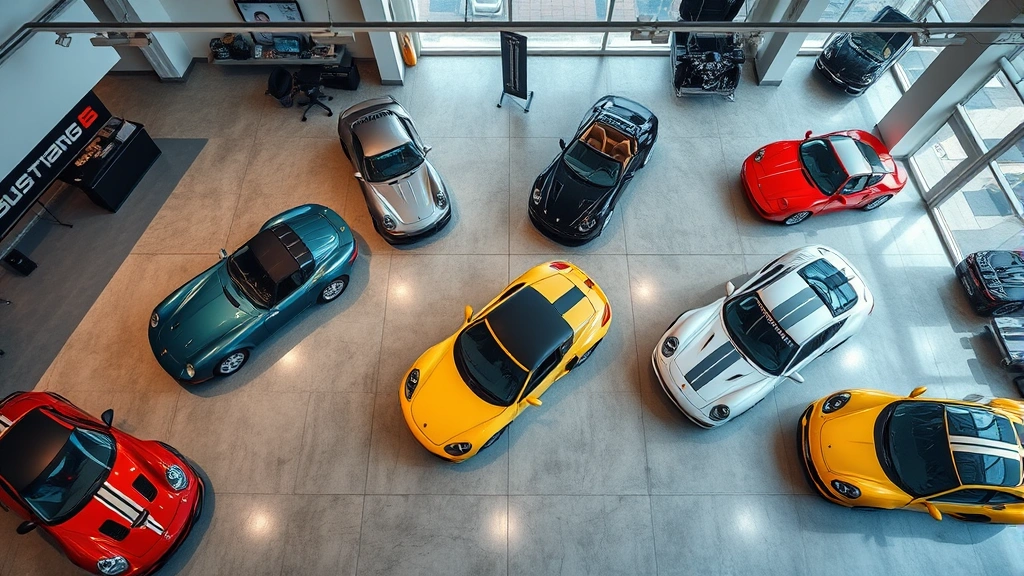
Before you start browsing Porsche 944 for sale listings, establish a realistic budget that accounts for purchase price plus anticipated maintenance costs. The 944 market ranges dramatically—you might find a project car requiring restoration for $5,000 to $15,000, while a pristine example with low mileage could command $30,000 to $60,000 or more. Understanding where your target vehicle fits within this spectrum helps you evaluate whether asking prices are reasonable.
The market also varies significantly by geography. Vehicles in California, Florida, and the Northeast tend to command premium prices due to higher concentrations of collectors and enthusiasts. If you’re flexible on location, you may discover better values in Midwest or Mountain West markets. However, factor in transportation costs when comparing prices across regions.
Market dynamics also depend on condition categories. Concours-level restorations (showroom quality) represent the premium tier, while driver-quality examples offer better value for those planning to enjoy rather than showcase their purchase. Understanding these distinctions helps you allocate your budget effectively.
Key Model Years and Generations
The Porsche 944 production run spans from 1982 to 1991, with significant evolution across model years. Early 1982-1985 models feature the original 2.5-liter naturally aspirated engine producing 143 horsepower—adequate but not thrilling by modern standards. These early cars offer the most affordable entry point but may require more frequent maintenance due to age.
The 1986-1989 generation introduced the 944 Turbo and 944 Turbo S variants, featuring a turbocharged 2.5-liter engine producing 217-247 horsepower respectively. These models deliver significantly enhanced performance and command premium prices. If performance matters to your purchase decision, the turbocharged variants justify their higher asking prices through measurable capability improvements.
The 1990-1991 final generation represents the pinnacle of 944 development. Porsche increased displacement to 3.0 liters, boosting naturally aspirated output to 208 horsepower. These final models benefit from refined engineering, improved reliability, and the most advanced technology available during their era. They’re often the most expensive to purchase but typically require the least maintenance investment.
When evaluating specific models, pay particular attention to production date within each model year. Mid-cycle updates and refinements often occurred, making later examples within a generation preferable to earlier ones. Factory records and Porsche documentation can reveal exactly when your target vehicle was manufactured and what options were originally equipped.
The 944 Turbo S models deserve special mention—only 2,100 were produced during their 1987-1991 production run, making them relatively scarce. Their limited availability supports higher market values, and they represent the ultimate expression of 944 engineering. If budget permits, pursuing a Turbo S example offers both performance and collectibility advantages.
Critical Mechanical Inspections
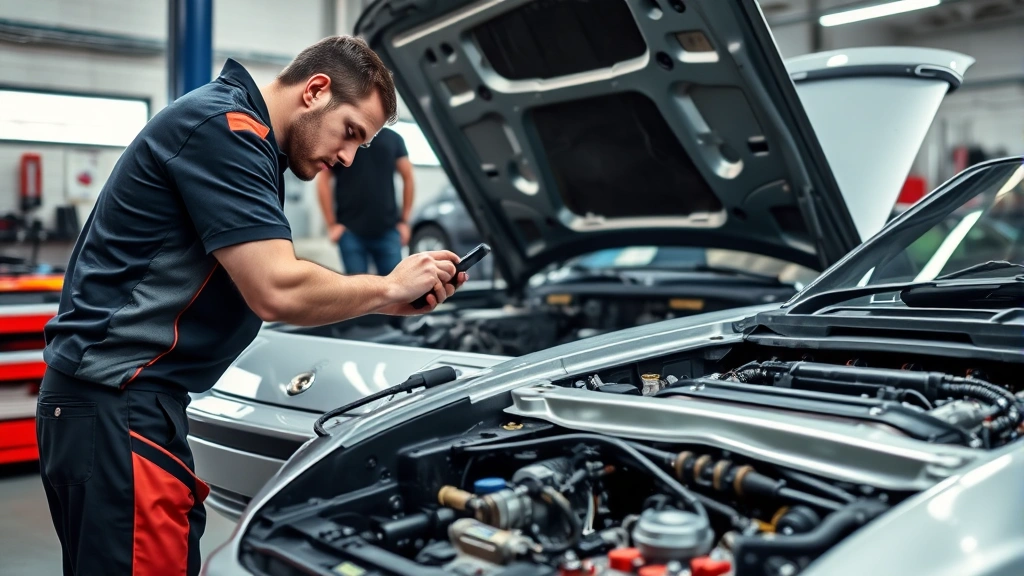
Before committing to any purchase, invest in a comprehensive pre-purchase inspection by a Porsche specialist. Generic mechanics lack the specific knowledge required to properly evaluate these cars. A specialist inspection typically costs $300-$800 but could save you thousands by identifying hidden problems. This step is non-negotiable when buying any used sports car.
The 944’s timing belt represents the most critical maintenance item. Porsche recommends replacement every 60,000 miles or four years, whichever comes first. A broken timing belt results in catastrophic engine damage—bent valves, damaged pistons, and repair bills exceeding $5,000. Always verify timing belt service history through documented records. If the service history is unclear or overdue, budget for immediate replacement regardless of stated mileage.
Engine condition directly impacts purchase value and long-term ownership costs. Listen for unusual noises, check for oil leaks around the valve covers and gaskets, and verify that the engine starts reliably and runs smoothly across the RPM range. Compression tests reveal cylinder health, while oil analysis can identify internal wear. The 944 engine is robust when properly maintained, but neglect creates expensive problems.
Transmission inspection requires test driving the vehicle through all gears, checking for smooth engagement, absence of grinding or hesitation, and proper clutch operation. The 944’s five-speed manual transmission is generally reliable, but worn synchros create grinding when downshifting. Automatic transmissions (available in some markets) are less common but require specialist evaluation.
Suspension and steering components show wear over four decades of use. Check for play in the steering wheel, inspect ball joints and tie-rod ends for movement, and listen for clunking sounds during test drives. The 944’s suspension design is fundamentally sound, but rubber components deteriorate and should be replaced as part of any comprehensive restoration.
Brake system evaluation is critical for safety. Inspect pad thickness, rotor condition, and brake fluid color (dark fluid suggests contamination requiring system flushing). The 944 uses a sophisticated brake system that requires specialist knowledge. Ensure whoever inspects the vehicle understands these components thoroughly.
Cooling system condition matters significantly. The 944’s water-cooled engine depends on proper coolant circulation. Check hoses for deterioration, inspect the radiator for corrosion or leaks, and verify the thermostat operates correctly. Overheating represents a serious risk with aging cooling systems, particularly in warm climates.
Where to Find Quality Listings
Finding quality Porsche 944 for sale listings requires searching across multiple platforms and understanding where different seller types advertise. Specialized collector car marketplaces like Cars.com and AutoTrader maintain dedicated sections for classic and collector vehicles, often with detailed filtering options.
Porsche-specific marketplaces and forums attract serious sellers who understand the brand and market values. Websites dedicated to classic Porsches often feature classified sections where knowledgeable sellers post detailed listings with comprehensive documentation. These specialized channels typically yield higher-quality matches than general automotive marketplaces.
Local Porsche clubs and enthusiast groups provide networking opportunities that often lead to private sales. These connections frequently offer advantages—sellers motivated by passion rather than profit, detailed service histories maintained by dedicated owners, and opportunities to discuss ownership experiences with current 944 drivers. Porsche Club USA maintains regional chapters nationwide with active classified sections.
Auction houses specializing in collector vehicles periodically feature Porsche 944s. Auctions provide transparent pricing through competitive bidding, though hammer prices often exceed private sale values for comparable vehicles. Auction purchases require attending previews and understanding auction terms and buyer premiums.
Porsche dealerships with used inventory sometimes stock 944s, particularly high-end examples. Dealership purchases offer advantages including warranty coverage and professional inspection, though prices reflect dealer markup. Negotiate aggressively with dealers—they have flexibility in pricing that private sellers typically lack.
When reviewing listings, prioritize detailed photography and comprehensive descriptions. Honest sellers provide extensive images showing overall condition, engine bay details, interior condition, and any damage or wear. Vague listings with limited photos suggest the seller is either inexperienced or intentionally hiding problems.
Pricing Strategies and Negotiation
Establishing fair market value requires research across multiple comparable sales. Use platforms like Hagerty Valuation Tools to understand price ranges for specific model years, mileage, and condition levels. Cross-reference multiple sources to identify pricing patterns and recognize outliers that may indicate overpricing or exceptional value.
Condition assessment directly impacts fair pricing. Concours-condition vehicles (show-quality restorations) command premium prices justified by investment in restoration. Driver-quality cars (well-maintained, minor cosmetic imperfections) represent the practical middle ground. Project cars requiring restoration should be priced significantly lower to account for restoration investment and risk.
Mileage influences pricing, but context matters more than raw numbers. A 944 with 120,000 miles but comprehensive service documentation may be preferable to a lower-mileage example with spotty history. Documented maintenance reduces perceived risk and justifies higher valuations.
When negotiating, approach sellers respectfully but assertively. Use your pre-purchase inspection findings as negotiating leverage—if the inspection reveals needed repairs, request price reductions or seller-funded repairs. Document all inspection findings in writing to support negotiation positions.
Timing influences negotiation dynamics. Sellers motivated by time constraints (relocating, financial pressure, estate sales) often accept lower offers. Conversely, patient sellers with multiple interested buyers have less incentive to negotiate. Understand the seller’s motivation and position your offer accordingly.
Consider offering slightly below asking price as your initial offer, leaving room for counteroffers and negotiation. However, if your research indicates the asking price is already fair and the vehicle is in high demand, offering asking price or slightly above may be necessary to secure the purchase. Avoid insulting offers that alienate sellers unnecessarily.
Documentation and Title Verification
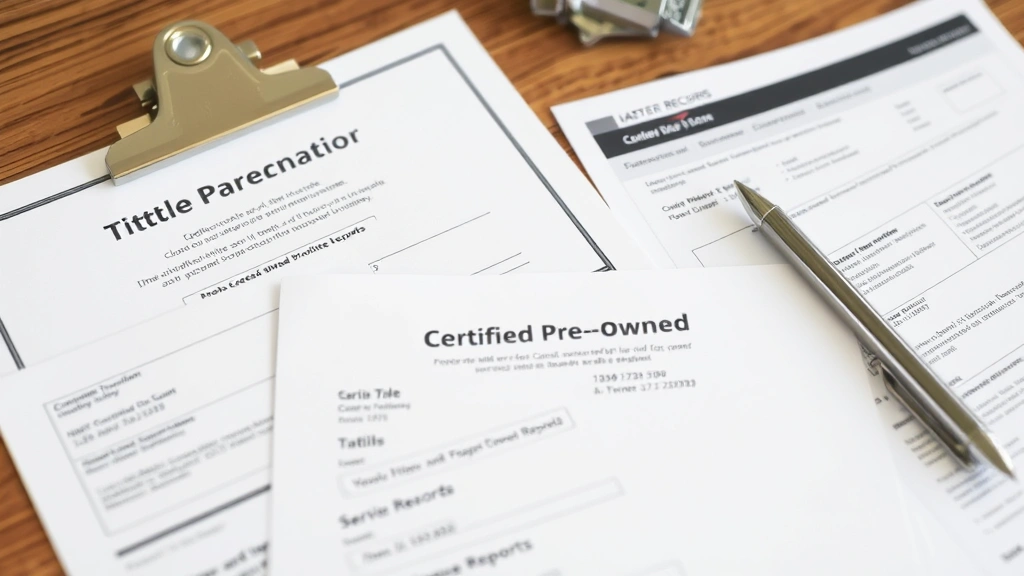
Before finalizing any purchase, conduct thorough title verification to ensure the vehicle has a clean history without liens, salvage designations, or ownership complications. Obtain a vehicle history report through Carfax or similar services to identify accident history, service records, and ownership transitions.
Original Porsche documentation significantly enhances value and desirability. Factory build records, original window stickers, service manuals, and maintenance logs provide provenance and help verify authenticity. These documents also facilitate future sales, as subsequent buyers value comprehensive documentation.
Verify the vehicle identification number (VIN) matches across all documentation—title, registration, and the vehicle itself. VIN discrepancies suggest potential fraud or documentation errors requiring resolution before purchase.
Inspect the physical title document carefully. Ensure the seller is the registered owner and that no liens are recorded against the vehicle. Contact the lien holder directly if any liens appear on the title, verifying that the seller will satisfy them before transferring ownership.
Obtain written bills of sale documenting all agreed terms, purchase price, included items, and any seller representations regarding condition and history. This documentation protects both parties and prevents future disputes about what was promised.
If you’re connecting with sellers through online marketplaces or garage sales near me today platforms, be cautious about payment methods. Use secure payment mechanisms that protect buyer interests, and never wire funds before inspecting the vehicle in person or without verified seller identity.
Register the vehicle in your name immediately after purchase, maintaining clear title documentation. Many states require registration within specific timeframes, and prompt registration protects your ownership interest.
FAQ
What should I prioritize when buying a Porsche 944?
Prioritize comprehensive pre-purchase inspection by a Porsche specialist, verification of complete service history, and timing belt maintenance documentation. A well-maintained 944 with documented care requires less investment than a neglected example, making maintenance records more valuable than raw price considerations.
Are Porsche 944s reliable vehicles?
The 944 is fundamentally reliable when properly maintained. However, age means components deteriorate regardless of how well cars are maintained. Budget for ongoing maintenance and be prepared for unexpected repairs. The water-cooled engine design is more reliable than air-cooled predecessors, but regular attention is essential.
How much should I budget for ownership costs?
Beyond purchase price, budget $1,500-$3,000 annually for maintenance, insurance, and storage. Specialty insurance for collector vehicles typically costs $400-$800 yearly. Unexpected repairs can exceed these estimates significantly, so maintain an emergency fund for major components like transmission or engine work.
Should I buy a naturally aspirated or turbocharged 944?
Turbocharged models deliver superior performance but cost more to purchase and maintain. Naturally aspirated models offer better value and lower maintenance costs while still providing enjoyable driving experiences. Choose based on your performance expectations and budget constraints—both are viable options.
What common problems affect 944s?
Timing belt failures, cooling system deterioration, brake system complexity, and electrical gremlins represent the most common issues. Rust in specific areas (door sills, battery trays) can develop in poorly maintained examples. Address these potential problems during inspection and budget accordingly.
Can I find affordable 944s for sale?
Yes, project cars and examples requiring restoration remain available at reasonable prices. However, “affordable” means relative—even project 944s typically command $5,000+ due to brand desirability. Compare values across multiple commerce path daily blog resources and collector car marketplaces to identify genuine value opportunities.
How do I verify a 944’s authenticity?
Cross-reference the VIN against Porsche factory records, examine original documentation, and have specialists verify original components. Matching numbers (engine, transmission, chassis) confirm originality, though restored vehicles may have replacement components. Original cars command premium prices, justifying verification investment.