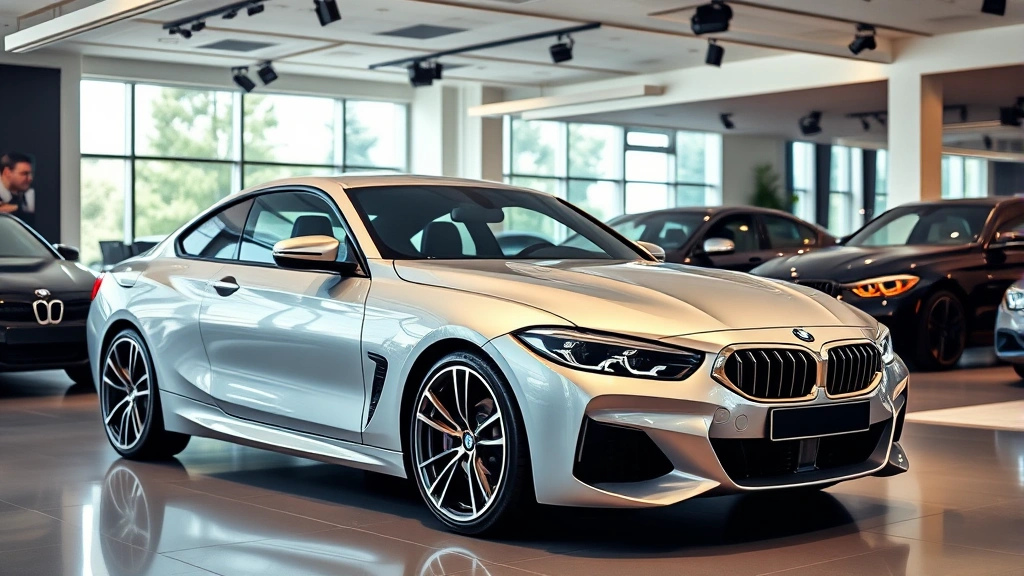
Best Deals on M240i? Dealer Insights and Smart Buying Strategies
Finding the best deals on a BMW M240i requires more than just browsing inventory lists. The luxury compact sports car market demands strategic shopping, timing awareness, and insider knowledge that separates savvy buyers from those overpaying at dealerships. Whether you’re hunting for a new M240i or exploring pre-owned options, understanding dealer pricing strategies, market conditions, and negotiation tactics can save you thousands of dollars while securing the exact specifications you want.
The M240i represents BMW’s entry-level performance vehicle, offering turbocharged power, responsive handling, and premium features that appeal to driving enthusiasts and luxury car buyers alike. However, pricing varies significantly across dealerships, regions, and market conditions. By leveraging dealer insights and proven purchasing strategies, you can identify genuine bargains and avoid common pitfalls that cost buyers substantial money.

Understanding M240i Market Pricing
BMW M240i pricing fluctuates based on multiple factors including model year, mileage, condition, color, and installed options packages. Current market analysis from Edmunds indicates that M240i vehicles command premium prices due to limited production and consistent demand among performance-oriented buyers. New M240i models typically start around $52,000-$56,000 before destination charges, though dealer markups and regional variations can push prices significantly higher.
Understanding fair market value is critical before visiting any dealership. The National Automobile Dealers Association (NADA) and Kelley Blue Book provide comprehensive pricing data that reflects actual transaction prices across the country. Pre-owned M240i values depend heavily on mileage, service history, and accident records. A 2023 M240i with 15,000 miles typically ranges from $48,000-$52,000, while 2022 models with similar mileage fall into the $44,000-$48,000 bracket.
Dealer markup practices vary considerably. Some dealerships add $3,000-$8,000 above manufacturer suggested retail price (MSRP) during high-demand periods, while others offer discounts or incentives to move inventory. Monitoring multiple dealer websites reveals pricing patterns and helps identify which locations offer competitive rates. Regional demand significantly impacts pricing—luxury sports cars command higher premiums in affluent metropolitan areas compared to smaller markets.

Dealer Inventory Strategies and Seasonal Trends
Successful M240i buyers understand that dealers operate on inventory cycles influenced by seasonal demand, manufacturer production schedules, and quarterly sales targets. Dealership inventory management directly affects pricing and negotiating leverage. When dealers have excessive M240i stock, they’re more motivated to discount and negotiate. Conversely, low inventory gives dealers pricing power and reduces your negotiating flexibility.
Seasonal trends significantly impact M240i availability and pricing. Q1 (January-March) typically offers the best deals as dealers clear year-end inventory and make room for new model-year vehicles. Q4 (October-December) sees increased prices due to holiday demand and year-end sales pushes. Summer months bring moderate pricing as inventory replenishes and competition increases among dealerships trying to capitalize on vacation season car shopping.
Model year transitions create exceptional opportunities for savvy buyers. When new model years arrive (typically August-September), dealers aggressively discount outgoing inventory to clear showroom space. A previous model-year M240i can represent 10-15% savings compared to the new year model, especially if the changes are cosmetic rather than mechanical. Monitoring Cars.com and AutoTrader inventory data helps identify these transition periods and regional opportunities.
Dealer allocation systems determine how many M240i units each location receives monthly. Popular dealerships in competitive markets may allocate fewer units per location, creating artificial scarcity and higher prices. Regional dealers in less competitive markets often have more flexible pricing because they receive better allocation from BMW to drive volume. Understanding these dynamics helps you identify which dealerships offer negotiating room.
Negotiation Tactics from Industry Professionals
Professional automotive negotiators emphasize that M240i pricing contains significant margin that dealers rarely advertise. The difference between sticker price and dealer cost typically ranges from $4,000-$7,000 depending on options and market conditions. Knowing this gap empowers you to negotiate strategically without proposing insulting offers that terminate discussions.
Effective negotiation begins with documented research. Arrive at dealerships armed with Kelley Blue Book fair market value reports, NADA pricing, and comparable inventory listings from competing dealerships. Sales professionals respect informed buyers and respond more favorably to reasonable offers backed by data. Request the dealer’s invoice price for specific vehicles—many dealerships will provide this information when asked directly by serious buyers.
Separating price negotiation from financing discussions is crucial. Many buyers inadvertently lose leverage by discussing monthly payments before establishing the vehicle’s actual price. Negotiate the vehicle’s bottom-line price first, then address financing and trade-in values separately. This approach prevents dealers from manipulating numbers across multiple categories to obscure actual savings.
Timing negotiations strategically improves outcomes significantly. Meeting with sales managers near month-end, quarter-end, or year-end when dealerships face sales targets increases your negotiating leverage. Visiting on weekdays rather than weekends means less competition for sales staff attention and more time for detailed negotiations. Arriving late in the afternoon or evening, when dealerships have fewer customers, often results in more flexible pricing discussions.
Trade-in valuations deserve specific attention. Dealers frequently undervalue trade-ins to compensate for price concessions on new vehicles. Obtain independent appraisals from services like TrueCar or local mechanics before discussing trade-ins. If your current vehicle’s actual value exceeds the dealer’s offer, that gap represents negotiating leverage you can apply toward the M240i purchase price.
Timing Your Purchase for Maximum Savings
Market timing significantly impacts M240i pricing and availability. Economic cycles, manufacturer incentives, and competitive dynamics create distinct windows of opportunity for buyers willing to be patient and flexible.
Manufacturer incentives and rebates fluctuate monthly based on production levels and sales targets. BMW periodically offers cash rebates ($1,000-$3,000), financing rate reductions (0-1.9% APR), or lease-to-purchase programs that reduce effective purchase prices. Monitoring BMW’s official incentive listings and dealer communications reveals these opportunities. Combining manufacturer incentives with dealer negotiations can yield total savings of $5,000-$10,000 on M240i purchases.
Economic indicators influence luxury vehicle demand and pricing. During economic uncertainty, luxury car sales typically decline, creating buyer-favorable conditions with increased dealer incentives and negotiating flexibility. Conversely, strong economic periods see increased demand and reduced dealer flexibility on pricing. Monitoring economic reports and consumer confidence indices helps anticipate market shifts before they affect M240i pricing.
Production constraints and supply chain disruptions impact M240i availability and pricing significantly. When production limitations create scarcity, dealers command premium prices and maintain firm positions during negotiations. When supply normalizes, increased availability provides leverage for price-conscious buyers. Industry publications and dealer communications reveal production status and expected inventory improvements.
Online Platforms and Digital Shopping Tools
Modern car buying leverages digital platforms that provide transparency and competitive leverage impossible in previous eras. TrueCar aggregates actual transaction data showing what real buyers paid for M240i vehicles in your region. This data reveals fair pricing ranges and identifies outlier dealerships charging premium or discount prices. Virtual showrooms and detailed inventory listings allow you to evaluate multiple vehicles across dealerships without time-consuming visits.
Digital negotiation tools enable buyers to submit price requests to multiple dealerships simultaneously, creating competitive bidding situations that naturally reduce prices. Services offering this functionality typically generate 3-5 dealer quotes for specific vehicles, allowing you to compare offers and choose the most competitive dealership. This approach eliminates the traditional advantage dealers enjoy from information asymmetry.
Building an e-commerce presence as a buyer involves researching dealerships’ online reputations, reading customer reviews, and understanding their inventory management practices. Dealerships with strong online ratings and transparent pricing typically offer better customer experiences and more reasonable pricing. Those with poor reviews or hidden fees often employ aggressive sales tactics that disadvantage uninformed buyers.
Virtual tours and video walkarounds provided by progressive dealerships allow detailed vehicle inspection without in-person visits. For pre-owned M240i units, high-quality photographs and video documentation help identify condition issues and justify price negotiations. Requesting professional inspections by independent mechanics adds another layer of protection for significant purchases.
Financing Options That Reduce Total Cost
Vehicle financing decisions impact total purchase cost as significantly as negotiated price. M240i buyers have multiple financing options including dealer financing, bank loans, credit union financing, and lease programs. Comparing these options across multiple lenders reveals substantial savings opportunities.
Interest rates vary significantly based on credit score, loan term, and lender competition. Obtaining pre-approval from banks or credit unions before visiting dealerships establishes your maximum borrowing capacity and provides leverage during dealer financing discussions. Dealers often offer competitive rates to match external financing offers, particularly when you demonstrate pre-approval documentation.
Loan term selection dramatically affects total interest paid. While 72-84 month financing reduces monthly payments, the total interest paid over the loan’s life increases substantially compared to 48-60 month terms. Calculate total cost of ownership including interest, insurance, maintenance, and fuel consumption rather than focusing solely on monthly payments. A higher monthly payment over shorter terms often represents better financial value.
Lease-to-purchase programs offer alternatives worth evaluating. Leasing an M240i for 2-3 years provides warranty coverage, predictable maintenance costs, and flexibility to upgrade to newer models. End-of-lease purchase options sometimes offer significant savings compared to traditional financing, particularly if lease-end residual values exceed market prices.
Evaluating Pre-Owned M240i Values
Pre-owned M240i vehicles often represent superior value compared to new purchases, particularly when selecting models with 1-3 years of ownership history. Depreciation hits hardest in the first year, meaning second-owner vehicles provide significant savings while retaining substantial warranty coverage.
Certified pre-owned (CPO) M240i units offer manufacturer-backed warranties and inspections that reduce ownership risk. BMW’s CPO program typically includes extended warranties (6 years/100,000 miles) that provide substantial peace of mind. While CPO vehicles command higher prices than non-certified units, the warranty coverage often justifies the premium, particularly for buyers with limited mechanical knowledge.
Service history represents a critical evaluation factor for pre-owned M240i purchases. Vehicles with documented BMW dealer maintenance typically demonstrate better reliability and command price premiums compared to independently serviced units. Request complete service records and verify maintenance intervals were followed. Vehicles with missed services or gaps in maintenance history warrant price reductions or should be avoided entirely.
Accident history and damage reports significantly impact pre-owned M240i values. Services like Carfax and AutoCheck provide accident history, title information, and maintenance records. Even minor accidents can affect structural integrity and future reliability. Pre-owned vehicles with clean history reports command price premiums and offer better long-term value.
Mileage thresholds create pricing tiers in the pre-owned M240i market. Vehicles under 30,000 miles command premium prices comparable to nearly-new units. The 30,000-50,000 mile range typically offers optimal value, as depreciation has stabilized while vehicles remain within warranty coverage. Higher mileage units (60,000+ miles) require more careful inspection and lower pricing to justify increased maintenance risks.
FAQ
What is the average M240i price across dealerships?
New M240i vehicles typically range from $52,000-$58,000 depending on options, destination charges, and dealer markups. Pre-owned 2023 models average $48,000-$52,000, while 2022 models range from $44,000-$48,000. Prices vary significantly by region and dealership inventory levels.
When is the best time to buy an M240i?
Q1 (January-March) and model year transition periods (August-September) offer the best pricing opportunities. Month-end and quarter-end negotiations provide additional leverage. Avoid peak demand periods during summer and holidays when dealers maintain firm pricing.
How much can I negotiate off M240i sticker price?
Typical negotiations yield $2,000-$5,000 discounts from sticker price depending on inventory levels, dealer competition, and market conditions. Well-informed buyers with trade-ins and external financing offers often achieve discounts exceeding $6,000, particularly during slow sales periods.
Should I buy new or pre-owned M240i?
Pre-owned M240i vehicles with 1-3 years of ownership offer superior value, particularly certified pre-owned units with extended warranties. New vehicles appeal to buyers prioritizing latest features and full warranty coverage. Calculate total cost of ownership including depreciation, financing costs, and insurance before deciding.
What hidden costs should I expect with M240i ownership?
Premium fuel (91+ octane) costs more than regular gasoline. Insurance premiums for M240i vehicles exceed typical sedan rates due to performance classification. Maintenance costs increase after warranty expiration, particularly for brake and suspension components. Budget $1,500-$2,000 annually for maintenance beyond warranty coverage.
How do dealer incentives affect M240i pricing?
Manufacturer incentives and rebates typically range from $1,000-$3,000 depending on production levels and sales targets. Combining incentives with dealer negotiations and external financing offers can reduce effective purchase prices by $5,000-$10,000. Monitor BMW’s official incentive listings monthly for current programs.
What documents should I request during negotiations?
Request the dealer’s invoice cost, complete pricing breakdown, manufacturer incentive details, warranty documentation, and service history for pre-owned vehicles. Obtain written quotes from multiple dealerships to compare offers accurately. Request Carfax or AutoCheck reports for all pre-owned vehicles before purchase.