Free Shipping on Honey Buckets? Limited Time Offer
The specialty food market has experienced remarkable growth over the past five years, with honey products commanding an increasingly significant share of consumer spending. According to market research, the global honey market reached approximately $8.2 billion in 2023, driven by rising demand for natural sweeteners, artisanal products, and health-conscious alternatives to refined sugar. Within this expanding landscape, bulk honey sales through online retailers have become a critical channel for both commercial beekeepers and small-scale producers seeking to reach broader audiences without the overhead costs of traditional retail distribution.
Free shipping promotions on honey buckets represent a strategic response to evolving consumer expectations around e-commerce. Modern buyers increasingly view shipping costs as a decisive factor in purchase decisions, with BigCommerce research indicating that shipping costs influence 73% of cart abandonment decisions. When applied to bulk honey purchases—where individual buckets can weigh 10 to 60 pounds—shipping expenses traditionally represent 15-30% of the total transaction value. A well-executed free shipping promotion on honey buckets can therefore dramatically increase conversion rates while maintaining healthy profit margins through strategic pricing adjustments and volume-based purchasing.
This comprehensive guide explores the mechanics of free shipping offers on honey buckets, examines current market conditions, analyzes the financial implications for retailers and consumers, and provides actionable strategies for both sides of the transaction.
Understanding the Honey Bucket Market
Honey buckets serve multiple market segments with distinct purchasing behaviors and price sensitivities. Commercial apiaries purchase bulk honey containers as operational necessities for harvest, storage, and transport. Retail businesses including cafes, restaurants, and specialty food shops buy honey buckets for resale or operational use. Home consumers increasingly purchase honey buckets for personal consumption, small business ventures, or gift-giving purposes. Each segment responds differently to free shipping incentives, with commercial buyers typically prioritizing total cost of ownership while retail and consumer segments respond more directly to promotional psychology.
The typical honey bucket ranges from 5-gallon containers holding approximately 60 pounds of honey to 1-gallon retail-ready vessels. Pricing varies significantly based on honey variety, origin, and processing methods. Raw, unpasteurized, single-origin honey commands premium prices, while processed commodity honey offers more competitive pricing. Statista’s market outlook demonstrates that specialty honey segments are growing at 8-12% annually, outpacing commodity honey growth by a factor of three. This trend creates opportunities for retailers offering curated selections with free shipping incentives.
Geographic distribution patterns significantly influence shipping costs and free shipping viability. Retailers located in central U.S. regions benefit from lower average shipping distances, making free shipping more sustainable across broader customer bases. Conversely, coastal retailers face higher shipping costs to inland customers, requiring more aggressive margin management or geographically-restricted free shipping offers. Understanding regional demand patterns allows retailers to structure free shipping thresholds that align with natural customer concentration areas.
Free Shipping Economics for Retailers
The financial viability of free shipping promotions depends on several interconnected variables that retailers must carefully analyze. Average shipping costs for a 5-gallon honey bucket typically range from $25 to $65, depending on destination, carrier, and speed. For a retailer with a 50-pound bucket retail price of $45-$75, absorbing shipping costs significantly impacts profit margins unless offset by volume increases or strategic pricing adjustments.
Successful retailers employ several approaches to maintain profitability while offering free shipping. First, cost-per-unit decreases when retailers purchase honey directly from producers or cooperatives, reducing baseline product costs by 20-35% compared to wholesale distributor pricing. Second, free shipping thresholds—requiring minimum purchase amounts of $100-$150—increase average order value while remaining attractive to customers. Third, dynamic pricing strategies adjust product pricing upward by 8-12% on items eligible for free shipping, effectively distributing shipping costs across the customer base while maintaining perceived value.
Carrier negotiations represent another critical lever. Retailers shipping 500+ packages monthly qualify for volume discounts reducing per-package costs by 15-25%. Regional carriers and USPS often provide better rates than FedEx or UPS for moderate-weight packages under 70 pounds. eMarketer analysis shows that retailers offering free shipping convert 30% more customers than those charging shipping, justifying the investment in carrier optimization and margin management.
Fulfillment location strategy directly impacts shipping economics. Retailers maintaining honey storage in multiple regional warehouses reduce average shipping distances and costs by 20-35%. This approach requires capital investment and inventory management sophistication but creates competitive advantages for free shipping programs. Smaller retailers can access regional fulfillment networks through third-party logistics providers, paying per-unit fulfillment fees rather than maintaining owned infrastructure.
Consumer Benefits and Purchase Drivers
Consumer psychology research demonstrates that free shipping messaging triggers powerful purchasing decisions independent of actual monetary value. When presented with two identical products at the same total price—one with listed shipping charges and one with free shipping—consumers consistently prefer the free shipping option, despite identical final costs. This phenomenon, known as the “free” effect, derives from cognitive biases that overweight free elements in decision-making processes.
For honey bucket purchases specifically, free shipping removes a significant psychological barrier to bulk purchasing. Many consumers hesitate to commit to 5 or 10-gallon quantities due to shipping cost concerns, even when per-unit pricing becomes substantially cheaper than retail alternatives. Free shipping eliminates this hesitation, allowing consumers to rationalize bulk purchases as economically sensible investments in pantry stocking or business inventory. This effect particularly influences seasonal purchasing patterns, with free shipping promotions during harvest seasons (late summer and fall) capturing demand spikes from preservation-focused consumers.
Quality-conscious consumers—those seeking raw, artisanal, or single-origin honey—demonstrate higher price elasticity for free shipping than commodity honey buyers. These customers often research extensively before purchasing, comparing multiple retailers and brands. Free shipping appears prominently in these comparison evaluations, often becoming a decisive factor when product quality and pricing are relatively equivalent. Retailers offering free shipping on premium honey selections effectively signal confidence in product quality while removing purchase friction for deliberate, quality-focused buyers.
Subscription and loyalty program integration amplifies free shipping benefits. Retailers offering free shipping exclusively to loyalty members create recurring purchase incentives while building customer lifetime value. A customer purchasing two 5-gallon buckets annually with free shipping loyalty benefits becomes substantially more valuable than a one-time customer paying shipping on a single purchase. This long-term perspective justifies temporary margin compression on initial free shipping offers.
Logistics and Fulfillment Considerations
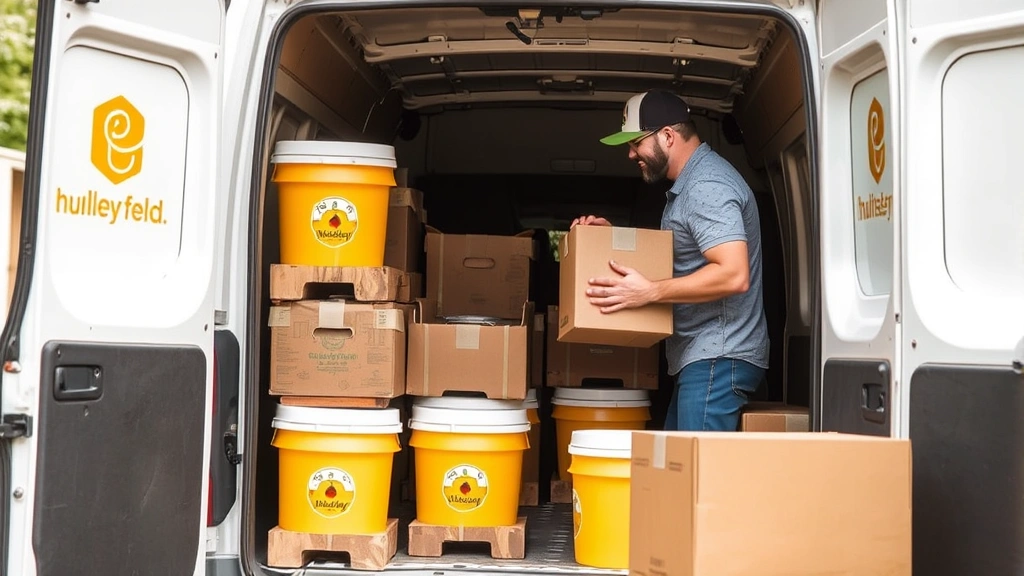
Honey bucket shipping presents unique logistical challenges distinct from typical e-commerce products. Honey’s density and weight create substantial dimensional weight considerations, where shipping costs depend on package volume as much as actual weight. A 5-gallon bucket, while weighing 60 pounds, occupies significant cubic space, triggering dimensional weight charges that can exceed actual weight-based calculations. Retailers must account for these charges when calculating free shipping thresholds and determining profitability.
Packaging integrity directly impacts customer satisfaction and return rates. Improper packaging results in leakage, damaging customer property and generating returns, refunds, and negative reviews. Professional honey bucket shipping requires double-boxing, absorbent materials, and proper sealing—adding $3-$8 to per-unit fulfillment costs. Retailers must factor these costs into free shipping calculations, recognizing that shipping cost optimization cannot compromise product quality and customer experience.
Temperature and seasonal considerations influence shipping timing and costs. Honey’s viscosity changes significantly with temperature, becoming more fluid in summer months and crystallizing in winter. Retailers must use insulated packaging during summer, increasing fulfillment costs by 25-40%, or restrict free shipping to cooler months. Conversely, winter shipping becomes more economical, allowing retailers to strategically time free shipping promotions around seasonal temperature patterns.
Return logistics create hidden costs in free shipping programs. A customer dissatisfied with honey quality may request returns, triggering return shipping costs that retailers often absorb. Establishing clear return policies, providing detailed product descriptions, and offering free shipping only on proven products reduces return rates and associated costs. Retailers offering free shipping should simultaneously invest in product photography, detailed descriptions, and customer testimonials to minimize returns.
Promotional Timing and Strategy
Successful free shipping promotions on honey buckets align with natural demand cycles and competitive pressures. Harvest season (August through October) represents peak demand, with consumers purchasing for personal use, preservation, and gift-giving. Free shipping promotions during this window capitalize on natural demand while facing increased competitive pressure from other retailers launching similar offers. Early-season promotions (August) typically achieve better conversion rates than late-season offers when customer budgets become constrained.
Holiday gifting creates secondary demand peaks. Specialty honey makes premium gifts for food enthusiasts, health-conscious consumers, and culinary professionals. Free shipping promotions in October through November capture holiday shopping demand, with messaging emphasizing gift-quality presentation and premium sourcing. Many retailers bundle honey buckets with complementary products (honey strainers, recipe guides, tasting notes) and offer free shipping on bundles, increasing perceived value while justifying margin compression.
Limited-time positioning enhances promotional urgency. Free shipping offers explicitly limited to specific dates (“Free shipping through December 15th”) drive faster decision-making compared to open-ended offers. This tactic leverages scarcity psychology while creating inventory management clarity for retailers. Promotions limited to specific quantities (“Free shipping on first 100 orders”) create additional urgency, though retailers must carefully manage inventory to fulfill commitments.
Email marketing and retargeting maximize promotional reach and conversion. Customers who previously viewed honey buckets but didn’t purchase respond strongly to free shipping offers, with conversion rates typically 3-4x higher than cold traffic. Retailers should segment email lists by product interest and purchase history, targeting free shipping promotions to high-propensity customer segments. Retargeting ads across social platforms and display networks maintain promotional awareness among interested customers.
Influencer partnerships and content marketing amplify promotional reach within specialty food communities. Food bloggers, health and wellness influencers, and sustainability-focused creators command engaged audiences interested in honey bucket purchases. Providing free products and exclusive promotional codes to influencers generates authentic content and drives traffic to retailers’ free shipping offers. Shopify research demonstrates that influencer-generated content achieves 5.2x higher engagement than brand-generated content, making this channel particularly valuable for specialty food products.
Finding Quality Honey Buckets Online
Identifying reliable retailers offering quality honey buckets with competitive free shipping requires systematic evaluation across multiple criteria. Established e-commerce platforms including Amazon, Etsy, and specialty food marketplaces provide extensive selections with transparent customer reviews. These platforms’ feedback systems create accountability incentives, as retailers with poor quality ratings face reduced visibility and sales. When evaluating retailers, prioritize those with 4.5+ star ratings from 50+ recent reviews, indicating consistent quality and customer satisfaction.
Direct-to-consumer beekeeping operations increasingly offer competitive pricing and free shipping through owned websites. These retailers eliminate distributor markups, allowing aggressive pricing while maintaining margins. Direct purchasing from apiaries often provides superior traceability and transparency regarding honey sourcing, processing methods, and quality certifications. Many small-scale producers offer free shipping on orders exceeding $100-$150, making bulk purchases economically attractive.
Wholesale food platforms including Restaurant Depot and Instacart Business serve both commercial and residential customers, offering bulk honey with competitive pricing and logistics. These platforms’ membership models create access barriers but reward committed buyers with substantial discounts and shipping benefits. Serious honey bucket purchasers considering multiple annual purchases should evaluate membership costs against long-term savings potential.
Certification and sourcing transparency distinguish quality retailers from commodity sellers. Look for retailers offering raw, unpasteurized honey; single-origin or varietal designations; and third-party quality certifications (organic, non-GMO, fair trade). These attributes command premium pricing but attract quality-conscious customers willing to pay more for perceived value. Free shipping promotions on certified honey create strong value propositions, as customers receive both quality assurance and shipping savings.
Seasonal sourcing strategies align purchasing with production cycles. Spring and early summer honey from temperate regions offers bright, floral profiles. Late summer and fall honey from the same regions develops deeper, more complex flavors. International varieties including Manuka honey from New Zealand and Acacia honey from Europe provide distinctive flavor profiles commanding premium pricing. Retailers offering rotating seasonal selections with free shipping create recurring purchase incentives as customers explore different varieties throughout the year.
When evaluating specific retailers, request detailed product information including floral sources, moisture content, crystallization expectations, and suggested uses. Quality retailers readily provide this information, recognizing that educated customers make satisfied customers. Request samples before committing to large bucket purchases when possible. Many specialty honey retailers offer small sample sizes at modest prices, allowing customers to verify quality before bulk purchasing decisions.
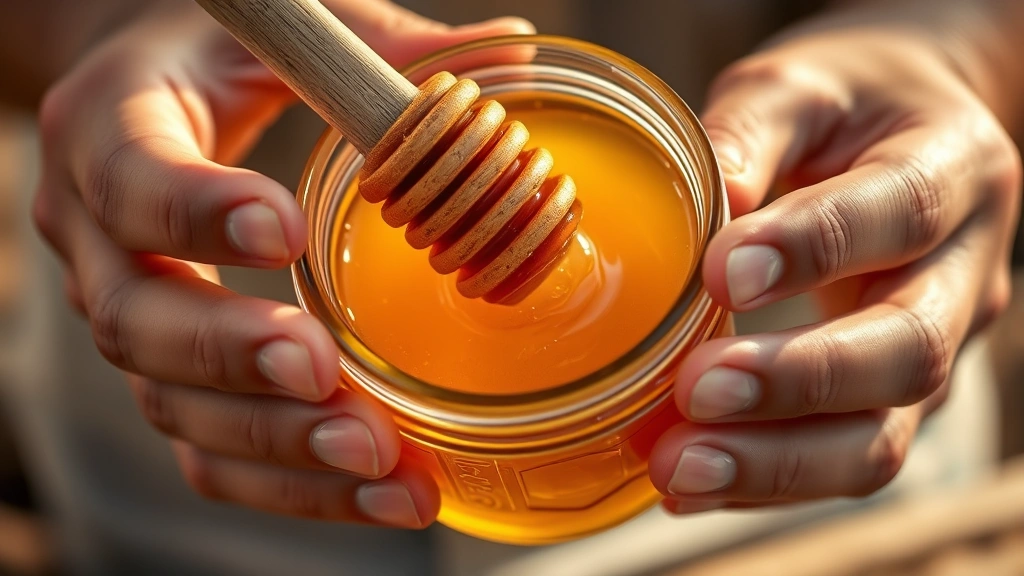
Packaging and presentation quality indicate retailer professionalism. Honey buckets should arrive in pristine condition with secure sealing, clear labeling, and professional packaging. Retailers providing detailed care instructions, recipe suggestions, and quality certifications demonstrate commitment to customer experience beyond transactional relationships. These touches justify premium pricing and encourage repeat purchases, making them particularly valuable for free shipping promotions intended to build long-term customer relationships.
Comparing Free Shipping Offers Across Platforms
Strategic comparison of free shipping offers requires analyzing total cost of ownership rather than relying on promotional messaging alone. A retailer offering 5-gallon honey buckets at $55 with free shipping may provide better value than a competitor offering $45 buckets with $20 shipping, but only if quality is equivalent. Calculate total costs across multiple bucket quantities, comparing value propositions at different volume levels. Some retailers offer tiered free shipping thresholds—free shipping on orders exceeding $75, $150, or $300—creating different incentives for single-bucket versus multi-bucket purchases.
Payment method and promotional code combinations create additional opportunities for cost reduction. Retailers offering percentage discounts (10-15% off) combined with free shipping, or exclusive codes for email subscribers, can provide substantially better value than baseline free shipping offers. Credit card promotions providing cashback on specialty food purchases effectively reduce costs further. Systematically evaluate these combinations rather than fixating on free shipping as the sole value driver.
Subscription and loyalty programs create long-term value optimization opportunities. A retailer offering 10% discounts to loyalty members plus free shipping on all orders may provide superior lifetime value compared to one-time free shipping promotions. Calculate annual spending across expected purchase frequency, comparing total savings across different retailer models. For customers purchasing multiple buckets annually, loyalty program enrollment often yields greater savings than optimizing individual transaction costs.
International retailers increasingly offer competitive pricing on specialty honey with variable shipping policies. Retailers in honey-producing countries (Canada, Argentina, Australia) sometimes offer competitive pricing despite higher base shipping costs. Trading Economics commodity data shows international honey pricing variations of 20-40% based on origin and quality, creating opportunities for informed buyers to access superior products at competitive costs through international retailers with free shipping thresholds.
Building Sustainable Free Shipping Programs
Retailers seeking long-term viability in competitive honey markets must build sustainable free shipping programs balancing customer acquisition with profitability. Short-term loss-leader strategies create initial traffic but prove unsustainable without path to profitability. Successful programs integrate multiple profit optimization tactics: strategic pricing, volume discounts for retailers, carrier negotiations, regional fulfillment, and customer lifetime value focus.
Data analytics enable evidence-based program optimization. Retailers should track conversion rates, average order values, customer acquisition costs, and repeat purchase rates across free shipping and paid shipping customer segments. This data reveals whether free shipping promotions attract high-value repeat customers or one-time bargain hunters. Programs attracting bargain hunters may require strategic adjustment toward quality-focused messaging, premium product bundling, or loyalty program integration.
A/B testing different free shipping thresholds, messaging, and promotional timings reveals optimal program structures. Testing $75, $100, and $150 free shipping thresholds across customer segments identifies which threshold maximizes conversion rates while maintaining target margins. Similarly, testing messaging emphasizing savings, quality, or convenience allows retailers to align promotional language with customer motivations.
Competitive monitoring ensures program viability as market dynamics shift. When competitors launch aggressive free shipping promotions, retailers must evaluate whether matching offers remains profitable or whether alternative differentiation strategies (quality focus, specialty varieties, superior customer service) provide sustainable competitive advantages. Markets with excessive free shipping competition often see margin compression across the industry, requiring strategic repositioning toward higher-margin, differentiated products.
FAQ
What are typical shipping costs for honey buckets without free shipping promotions?
Shipping costs for honey buckets typically range from $25 to $65 depending on bucket size (5-60 pounds), destination distance, carrier selection, and shipping speed. A 5-gallon bucket weighing 60 pounds shipped via ground service to a mid-range distance usually costs $35-$50. Express shipping can exceed $75 for the same shipment. Retailers use these baseline costs to determine free shipping thresholds ensuring profitability.
Are free shipping offers on honey buckets legitimate or do they involve hidden costs?
Legitimate free shipping offers from established retailers genuinely eliminate shipping charges with no hidden fees. However, retailers often adjust product pricing upward by 8-12% to offset free shipping costs, effectively distributing shipping expenses across all customers. This practice is standard and legitimate. Compare total prices (product plus shipping) across retailers rather than fixating on shipping charges alone. Avoid retailers offering suspiciously low honey prices with free shipping, as this may indicate lower quality products.
How do I know if honey bucket quality justifies premium pricing?
Quality indicators include raw or unpasteurized designation, single-origin or varietal sourcing, floral source specification, moisture content data, and third-party certifications (organic, non-GMO, fair trade). Premium honey from reputable producers commands higher prices due to superior flavor, lower processing, and documented sourcing. Request samples before bulk purchasing if possible. Read detailed customer reviews focusing on taste, texture, and consistency descriptions. Quality retailers provide extensive product information and readily answer detailed questions about their products.
When should I purchase honey buckets with free shipping promotions?
Harvest season (August-October) offers peak selection and promotional activity as new honey comes to market. Holiday season (October-November) provides gift-oriented promotions and bundling opportunities. Monitor email newsletters from favorite retailers for time-limited promotions. Loyalty program members often access free shipping year-round, justifying membership investments for regular honey purchasers. Plan significant purchases around natural demand cycles when retailers offer promotions rather than purchasing at full price.
Can I resell honey buckets purchased with free shipping promotions?
Yes, honey buckets purchased at promotional prices can be resold for profit if you identify appropriate customer segments. Restaurants, cafes, specialty food shops, and personal use customers represent viable resale markets. Margin calculations must account for your acquisition costs, repackaging expenses (if applicable), sales channel fees, and distribution costs. Free shipping purchases reduce your cost basis, improving resale margins. Ensure compliance with local business licensing and food handling regulations before reselling food products.
How do I evaluate whether free shipping offers represent genuine savings?
Calculate total costs including product price plus shipping across multiple retailers. A $50 bucket with $30 shipping ($80 total) may offer better value than a $65 bucket with free shipping ($65 total), depending on quality. Compare per-ounce costs across different bucket sizes and retailers. Factor in loyalty program benefits, subscription discounts, and payment method promotions. Use price comparison tools and spreadsheets to systematically evaluate options across multiple retailers and time periods.
What should I know about honey bucket return policies when free shipping is offered?
Retailers offering free shipping often maintain strict return policies limiting returns to defective products or quality issues. Confirm return policies before purchasing, as some retailers restrict returns on free shipping orders or charge return shipping fees. Quality-focused retailers typically offer satisfaction guarantees recognizing that customers purchasing premium honey expect superior products. Request detailed product information and customer reviews to minimize returns rather than relying on return policies as quality assurance.