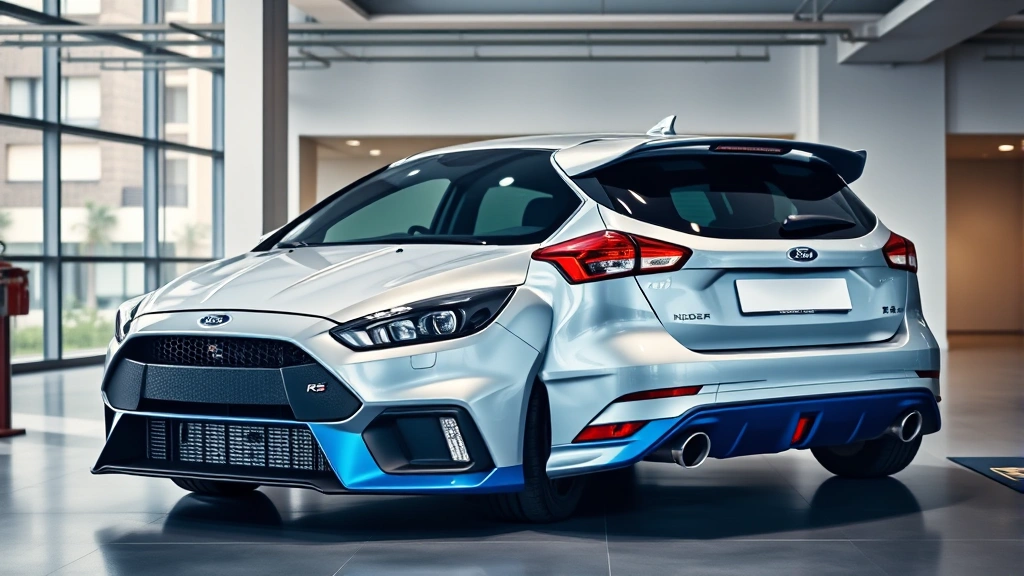
The Ford Focus RS remains one of the most sought-after performance hatchbacks in the used car market, offering turbocharged thrills at increasingly competitive price points. As demand for high-performance vehicles continues to fluctuate, understanding the current market landscape for this iconic model is essential for both buyers and sellers navigating the automotive e-commerce space. Whether you’re looking to purchase a Focus RS or exploring inventory management strategies for dealerships, market insights reveal significant opportunities and considerations that shape pricing, availability, and consumer behavior.
The automotive marketplace has evolved dramatically, with online platforms and data-driven analytics transforming how vehicles are bought and sold. Understanding where to find a Ford Focus RS for sale and what factors influence its market value requires knowledge of contemporary retail strategies and pricing dynamics. This comprehensive guide examines the current state of the Focus RS market, pricing trends, and strategic insights for both consumers and automotive retailers operating in the digital commerce environment.
Understanding the Ford Focus RS Market Position
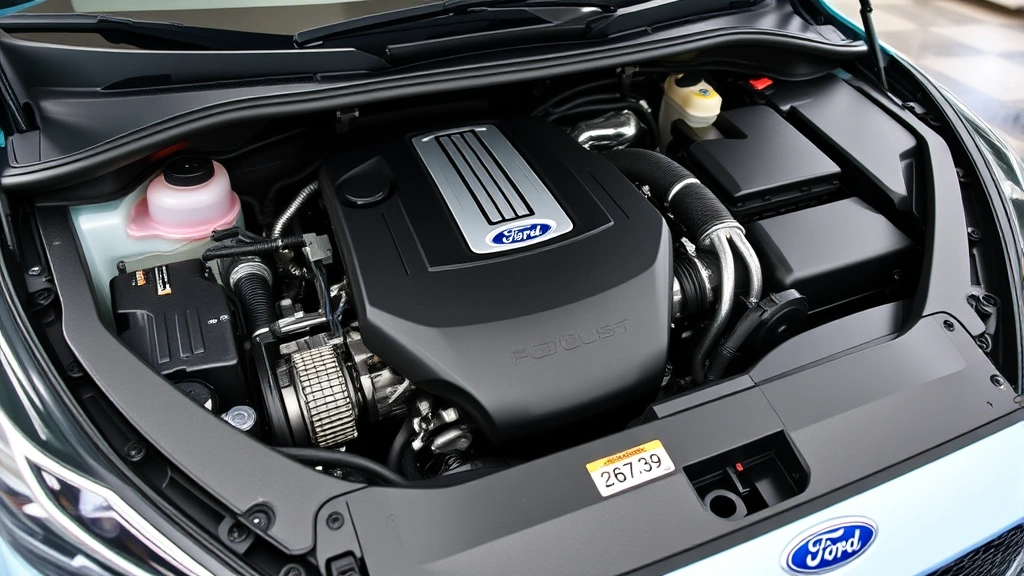
The Ford Focus RS occupies a unique position in the automotive market as a limited-production, high-performance hatchback that appeals to enthusiasts seeking practical daily drivers with exceptional track capabilities. Produced in limited quantities across multiple generations, the Focus RS has become increasingly valuable in the used car market, particularly earlier model years. The 2016-2018 generation, in particular, commands strong prices due to its iconic status, turbocharged EcoBoost engine producing 350 horsepower, and distinctive rally-inspired design.
Market positioning for the Focus RS differs significantly from mainstream vehicles, as it targets a niche demographic of performance-minded consumers willing to pay premiums for exclusivity and driving dynamics. This specialized market segment means that traditional retail strategies may not apply effectively. Dealerships and private sellers must understand the unique value propositions that attract Focus RS buyers, including heritage, performance specifications, and collector appeal. The availability of Ford Focus RS for sale listings has become increasingly concentrated on specialized automotive platforms rather than mainstream used car marketplaces, reflecting the model’s enthusiast appeal.
The global production constraints and market-specific availability also influence pricing. The Focus RS was never produced for the American market in certain generations, making imported models particularly valuable to collectors and performance enthusiasts. Understanding these nuances is critical for anyone involved in buying, selling, or listing inventory in the performance automotive segment. Those managing e-commerce operations should consider how e-commerce platforms can effectively showcase specialized vehicles like the Focus RS to targeted audiences.
Current Pricing Trends and Market Valuation
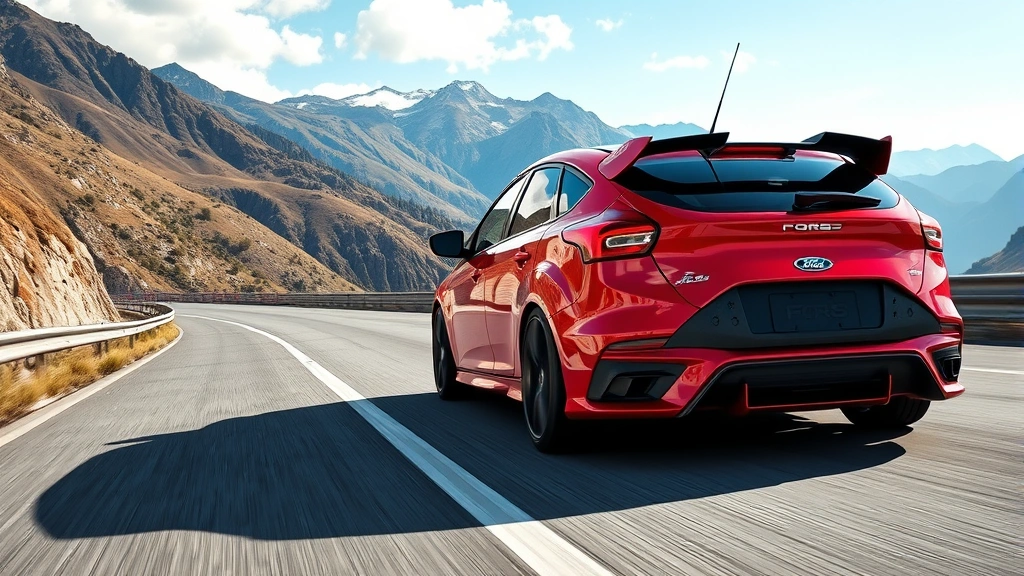
Pricing for the Ford Focus RS has experienced notable fluctuations over the past several years, reflecting broader market conditions, supply chain disruptions, and evolving consumer preferences. Current market data indicates that used Focus RS models command premium prices relative to their original retail value, with many examples appreciating rather than depreciating. A well-maintained 2016-2018 Focus RS typically ranges from $25,000 to $35,000 depending on mileage, condition, and market location, representing strong value retention compared to standard performance hatchbacks.
The appreciation trend in Focus RS pricing reflects several market factors. Limited production numbers mean fewer vehicles are available for resale, creating natural scarcity that supports valuations. Additionally, the market for performance vehicles has strengthened as younger consumers seek affordable alternatives to expensive sports cars. The Focus RS delivers legitimate performance credentials—0-60 times under six seconds, superior handling characteristics, and track-proven engineering—at price points significantly below comparable sports cars.
Regional variations significantly impact Focus RS pricing, with European markets where the vehicle was readily available showing different valuation patterns than American markets where imports command premiums. Dealerships utilizing e-commerce site strategies can leverage geographic pricing data to optimize inventory acquisition and sales strategies across different regional markets.
Mileage, service history, and modification status heavily influence individual pricing within the Focus RS market. Clean, low-mileage examples with complete service records command 15-25% premiums over average condition vehicles. Conversely, heavily modified vehicles may appeal to specific buyers but typically face narrower market appeal, potentially reducing resale value despite invested modification costs.
Where to Find Ford Focus RS Inventory Online
The digital marketplace for specialty vehicles like the Ford Focus RS has become increasingly sophisticated, with multiple platforms offering targeted inventory searches and specialized dealer networks. Major automotive platforms including AutoTrader, Cars.com, and Edmunds maintain extensive Focus RS listings, though dedicated performance car marketplaces often provide more detailed technical specifications and enthusiast-focused descriptions.
Specialized automotive e-commerce platforms have emerged to serve the performance vehicle market more effectively than generalist used car sites. Platforms focusing on performance cars, imports, and specialty vehicles often feature more detailed mechanical information, modification histories, and high-resolution imagery essential for serious buyers evaluating Focus RS purchases. Facebook Marketplace and enthusiast forums also serve as valuable discovery channels, though buyers should exercise caution and verify seller credentials when purchasing through less-regulated platforms.
For dealerships managing inventory, understanding how to effectively list and optimize Focus RS for sale presentations across multiple platforms requires knowledge of search algorithms, keyword optimization, and visual presentation strategies. Implementing e-commerce analytics tools enables dealers to track listing performance, identify optimal pricing, and understand buyer behavior patterns across different platforms.
Auction platforms including Copart and IAA represent alternative channels for acquiring Focus RS inventory, particularly for dealers seeking wholesale opportunities. These platforms provide data-driven insights into market pricing, allowing dealers to make informed acquisition decisions based on historical sale prices and market demand indicators.
Key Factors Affecting Focus RS Resale Value
Multiple interconnected factors determine the resale value of any Ford Focus RS, extending beyond simple mileage and condition metrics. The specific model year significantly influences valuation, with 2016-2018 models commanding premiums due to their iconic status and the vehicle’s discontinuation in many markets. Earlier model years may appreciate further as production becomes more distant and collector interest increases.
Maintenance history represents one of the most critical value determinants for performance vehicles like the Focus RS. Complete service records, regular oil changes, and documented preventative maintenance justify premium pricing and appeal to serious buyers concerned about mechanical reliability. The turbocharged nature of the Focus RS engine means that maintenance becomes particularly important, as overlooked service intervals can result in costly repairs affecting resale value significantly.
Modification status creates complex valuation dynamics. While some modifications—such as quality exhaust systems or suspension upgrades—may appeal to enthusiasts, extensive modifications can reduce market appeal by narrowing the buyer pool. Heavily modified vehicles often require detailed documentation proving that modifications were professionally installed and do not compromise reliability or warranty status.
Accident history and title status dramatically impact Focus RS valuation. Clean titles command substantial premiums over salvage, rebuilt, or branded titles. Any history of significant accidents, even if professionally repaired, reduces market value by 20-40% depending on severity and repair quality. Buyers of performance vehicles like the Focus RS typically conduct thorough pre-purchase inspections and vehicle history checks, making transparency essential for successful sales.
Geographic market conditions influence pricing substantially. Markets with strong automotive enthusiast communities and higher disposable incomes typically support premium pricing for specialty vehicles. Urban markets with younger demographics also tend to show stronger demand for performance hatchbacks compared to rural or conservative markets.
Comparing Focus RS to Competitive Models
The Ford Focus RS competes in a relatively small market segment of high-performance hatchbacks, with limited direct competitors offering comparable performance, practicality, and value propositions. The Volkswagen Golf R represents the primary European competitor, offering similar turbocharged performance and all-wheel-drive capabilities, though typically at higher price points both new and used.
The Honda Civic Type R appeals to similar buyers seeking Japanese reliability combined with performance credentials, though it typically commands higher used car prices and features front-wheel-drive rather than all-wheel-drive. The Hyundai Veloster N offers more affordable new car performance, but limited used inventory and younger average model years mean fewer used examples available in the market currently.
Compared to these alternatives, the Focus RS often provides superior value, particularly in used markets where examples have appreciated. The combination of all-wheel-drive, proven turbocharged engineering, and distinctive styling creates a compelling proposition for buyers seeking performance without premium pricing. Understanding competitive positioning helps dealerships and private sellers effectively communicate Focus RS value propositions to target audiences.
For dealerships managing diverse inventory, understanding market segments across vehicle categories enables more sophisticated pricing and inventory acquisition strategies. Performance hatchbacks like the Focus RS require different marketing approaches than mainstream vehicles, necessitating specialized knowledge and targeted promotional strategies.
Strategic Selling Approaches for Dealerships
Dealerships successfully selling Ford Focus RS inventory employ targeted marketing strategies emphasizing performance credentials, exclusivity, and value retention. High-quality photography showcasing the vehicle’s distinctive design, detailed mechanical specifications, and comprehensive service histories prove essential for attracting serious buyers in the specialty vehicle market.
Effective listing descriptions should address the specific interests of Focus RS enthusiasts, including engine specifications, performance metrics, handling characteristics, and any notable features or upgrades. Video content demonstrating driving dynamics, engine sound, and overall condition appeals to serious buyers unable to inspect vehicles in person, increasingly important as geographic purchasing expands.
Pricing strategies for Focus RS inventory should reflect current market conditions, specific vehicle condition, mileage, and modification status. Competitive pricing analysis across multiple platforms ensures inventory remains attractive while maximizing profit margins. Dealerships should regularly monitor comparable listings to ensure pricing competitiveness without leaving value on the table.
Targeting marketing efforts toward performance enthusiast communities, automotive forums, and specialized media outlets reaches qualified buyers more effectively than broad-based advertising. Partnerships with automotive influencers, YouTube channels, and enthusiast publications can amplify reach within niche markets where Focus RS demand concentrates.
Offering extended warranties, pre-purchase inspections, and detailed condition reports builds buyer confidence and justifies premium pricing. Transparent communication about any vehicle history, modifications, or known issues prevents post-sale disputes and builds reputation within the performance automotive community.
Consumer Buying Patterns and Preferences
Research into automotive e-commerce behavior reveals that Focus RS buyers demonstrate distinct purchasing patterns compared to mainstream vehicle buyers. Performance enthusiasts typically conduct extensive research before purchase, consulting multiple information sources including technical reviews, owner forums, and market analysis before making decisions. This research-intensive approach means that detailed, accurate listing information becomes particularly important for conversion.
Focus RS buyers often prioritize mechanical condition and authenticity over cosmetic presentation, though overall vehicle condition remains important. Many enthusiasts plan to keep Focus RS vehicles long-term, treating them as collector vehicles or weekend performance machines rather than disposable transportation. This long-term ownership perspective influences purchasing decisions, with buyers willing to pay premiums for vehicles demonstrating proper maintenance and care.
Geographic purchasing patterns show that Focus RS buyers increasingly purchase vehicles across regional boundaries, enabled by improved logistics and shipping infrastructure. This expanded geographic reach means that well-presented inventory can attract qualified buyers regardless of local market conditions, provided pricing and logistics are favorable.
According to Manheim’s automotive market analysis, specialty performance vehicles show distinct valuation trends compared to mainstream inventory, with collector appeal increasingly driving pricing. Understanding these patterns enables dealerships to make informed acquisition and pricing decisions.
Social media platforms, particularly Instagram and TikTok, increasingly influence buyer awareness and interest in specialty vehicles. Dealerships leveraging social media to showcase inventory through high-quality imagery, driving footage, and engagement with enthusiast communities can significantly amplify reach and generate qualified leads.
The integration of local market awareness with online selling strategies enables dealerships to capture both local buyers and geographically dispersed enthusiasts seeking specific vehicles. This omnichannel approach maximizes market reach and sales potential for specialty inventory like the Ford Focus RS.
According to Cox Automotive’s consumer research, online research influences 85%+ of vehicle purchasing decisions, with specialty vehicle buyers conducting particularly extensive online due diligence. Dealerships must optimize their online presentations to capture this research-intensive buyer segment effectively.
Market data from Kelley Blue Book and similar valuation resources indicate that performance vehicles like the Focus RS maintain value more effectively than standard models, particularly in well-maintained condition. This value retention supports dealer confidence in acquiring Focus RS inventory and justifies premium pricing strategies.
Market Outlook and Future Considerations
The Ford Focus RS market faces interesting dynamics as the automotive industry transitions toward electrification. The discontinuation of traditional turbocharged performance hatchbacks increases collector appeal and potential appreciation for remaining examples. Buyers seeking engaging driving experiences in traditional combustion-powered vehicles may increasingly seek out Focus RS examples, potentially supporting valuations.
Supply chain normalization and economic conditions influence inventory availability and pricing. As broader used car market conditions stabilize, Focus RS pricing may moderate from recent peaks, though limited production numbers should continue supporting valuations above typical hatchback pricing levels.
The emergence of electric performance vehicles may gradually shift buyer preferences, though the Focus RS’s combination of affordability, proven reliability, and engaging performance characteristics should maintain market relevance for the foreseeable future. Dealerships should monitor these trends while capitalizing on current market demand for specialty vehicles like the Focus RS.
Successful participation in the Ford Focus RS market requires understanding niche buyer behavior, maintaining accurate market information, and implementing targeted marketing strategies. Whether buying, selling, or listing inventory, participants must recognize that the Focus RS market operates under different dynamics than mainstream vehicle markets, requiring specialized knowledge and approaches.
FAQ
What is the average price for a used Ford Focus RS?
Used Ford Focus RS pricing typically ranges from $25,000 to $35,000 for well-maintained examples with reasonable mileage. Premium examples with low mileage and clean history may exceed $35,000, while higher-mileage or less-maintained vehicles may sell below $25,000. Pricing varies significantly by model year, geographic market, and specific condition.
Which model year Focus RS is most valuable?
The 2016-2018 generation models command the strongest prices in current markets, typically $28,000-$35,000 for quality examples. These years represent the iconic generation with proven reliability and distinctive styling. Earlier limited-production years may appreciate further as collector interest increases, though fewer examples are available.
Is the Ford Focus RS a good investment?
The Focus RS has demonstrated strong value retention and appreciation compared to standard performance hatchbacks, making it attractive for buyers seeking collector vehicles or long-term ownership. However, automotive investments involve risks related to market conditions, maintenance costs, and future demand. Proper maintenance and careful selection of well-condition examples maximize investment potential.
Where can I find Ford Focus RS inventory?
Focus RS inventory is available through AutoTrader, Cars.com, specialized performance car platforms, local dealerships, and enthusiast forums. Dedicated performance car marketplaces often feature more detailed technical information and specialized dealer networks compared to mainstream used car sites. Regional variation in availability means searching multiple platforms maximizes options.
What modifications are most common on used Focus RS vehicles?
Common modifications include exhaust systems, suspension upgrades, wheel and tire combinations, and ECU tuning. While quality modifications may appeal to enthusiasts, heavily modified vehicles often have narrower market appeal. Buyers should verify that modifications were professionally installed and documented to protect resale value.
How does mileage affect Focus RS pricing?
Mileage significantly influences pricing, with clean low-mileage examples commanding 15-25% premiums over average-condition vehicles. The turbocharged engine means that regular maintenance becomes particularly important at higher mileages. Complete service records justify premium pricing even on higher-mileage examples.