Buying a Conversion Van? Expert Insights for Smart Entrepreneurs
The conversion van market has exploded over the past five years, transforming from a niche hobby into a legitimate business opportunity. Whether you’re considering a mobile coffee shop, a traveling boutique, or a remote office on wheels, understanding the conversion van landscape is essential before making a significant investment. This comprehensive guide provides expert insights into evaluating, purchasing, and maximizing the potential of a conversion van for your business needs.
The appeal of conversion vans extends beyond lifestyle choices—they represent tangible business assets that can generate revenue, reduce overhead costs, and provide operational flexibility. However, the buying process requires careful consideration of mechanical condition, customization quality, legal compliance, and total cost of ownership. Our analysis draws from industry data, buyer experiences, and market trends to help you make an informed decision.
Understanding the Conversion Van Market
The conversion van industry has witnessed remarkable growth, driven by entrepreneurs seeking flexible business models and consumers embracing mobile services. According to RV Industry Association data, the recreational and commercial vehicle sector generated over $140 billion in economic impact, with conversion vehicles representing a significant segment. This growth reflects broader economic trends toward remote work, experiential retail, and service-based businesses operating from mobile locations.
Market dynamics show that conversion vans command premium prices compared to standard used vehicles, with buyers willing to invest $40,000 to $150,000+ depending on customization quality and base vehicle condition. The mobile commerce sector continues expanding, creating demand for professionally outfitted vehicles that serve as both transportation and retail space.
Understanding current market trends helps buyers identify realistic pricing, negotiate effectively, and assess whether a particular vehicle aligns with their business model. Conversion vans typically depreciate slower than standard vehicles due to their specialized nature and business utility, though customization quality significantly impacts resale value.
Types of Conversion Vans for Business
Conversion vans serve diverse business purposes, each requiring specific customization priorities. The primary categories include:
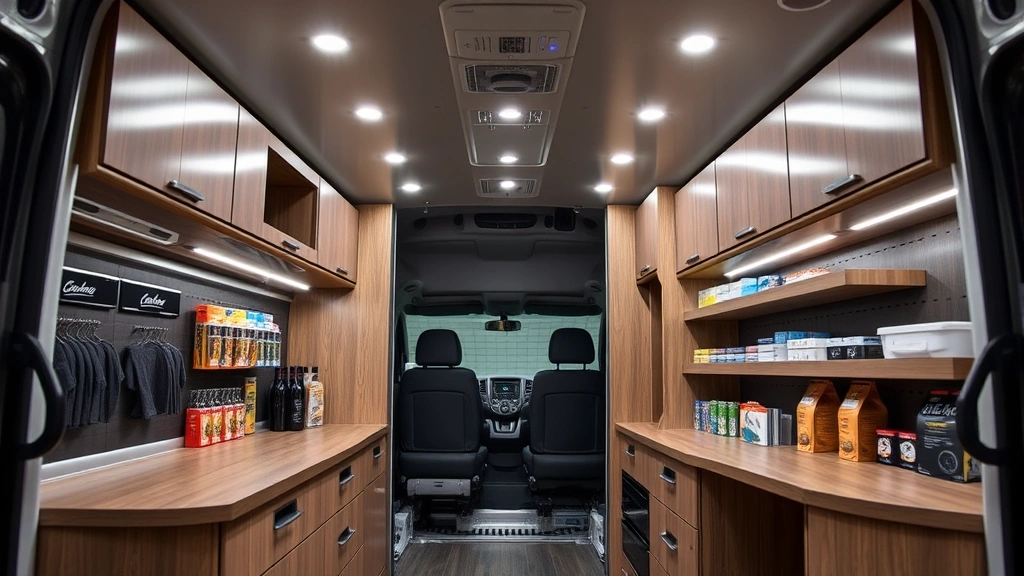
- Mobile Retail Vans: Equipped with display shelving, point-of-sale systems, and customer-facing layouts for selling merchandise, clothing, cosmetics, or artisanal products. These require strategic storage, lighting, and climate control to showcase inventory effectively.
- Service Vans: Configured for mobile services such as plumbing, electrical work, cleaning, pet grooming, or beauty services. These prioritize tool storage, water systems, and professional workspace organization.
- Food and Beverage Vans: Featuring commercial kitchens, serving counters, and compliance with health codes. Similar to food trucks for sale, these require specialized equipment and regulatory adherence.
- Mobile Office/Showroom Vans: Designed for consultants, real estate agents, or corporate presentations with meeting spaces, technology infrastructure, and professional aesthetics.
- Adventure/Lifestyle Vans: Combining living space with business functionality for content creators, photographers, or wellness practitioners operating mobile studios.
Each category demands different specifications, and misalignment between your business model and van configuration can significantly impact operational efficiency and profitability.
Key Factors to Evaluate Before Buying
Base Vehicle Condition and Mechanicals: The foundation of any conversion van purchase is the underlying vehicle. Examine engine hours, maintenance history, transmission performance, and structural integrity. High-mileage vans may have substantial remaining useful life if properly maintained, but hidden mechanical issues can become expensive problems post-purchase. Professional pre-purchase inspections are invaluable investments, typically costing $150-$300 but potentially saving thousands in avoided repairs.
Customization Quality and Materials: Conversion quality varies dramatically, affecting both functionality and longevity. Evaluate flooring durability, cabinetry construction, electrical system sophistication, water system reliability, and HVAC performance. Poor-quality conversions use substandard materials that deteriorate quickly, while professional builds utilize marine-grade components designed for mobile environments. Request documentation of conversion work, warranties on custom components, and information about who performed the customization.
Power and Electrical Systems: Modern conversion vans require robust electrical infrastructure. Examine battery capacity, solar panel specifications (if applicable), inverter quality, and shore power connectivity. Inadequate electrical systems compromise productivity and can be expensive to upgrade. Verify that systems support your intended equipment—commercial-grade point-of-sale systems, refrigeration, specialized tools, or technology infrastructure all demand reliable power delivery.
Climate Control and Insulation: Quality insulation and HVAC systems maintain comfortable working conditions and protect merchandise from temperature fluctuations. Inspect for water damage, mold, or inadequate ventilation. Proper climate control prevents inventory damage and ensures customer or employee comfort, directly impacting business operations.
Storage and Layout Efficiency: Analyze whether the van’s interior layout optimizes your specific workflow. Visit during operational hours if possible, or request video tours demonstrating functionality. Inefficient layouts waste time, frustrate employees, and reduce customer experience quality.
Where to Find Quality Conversion Vans
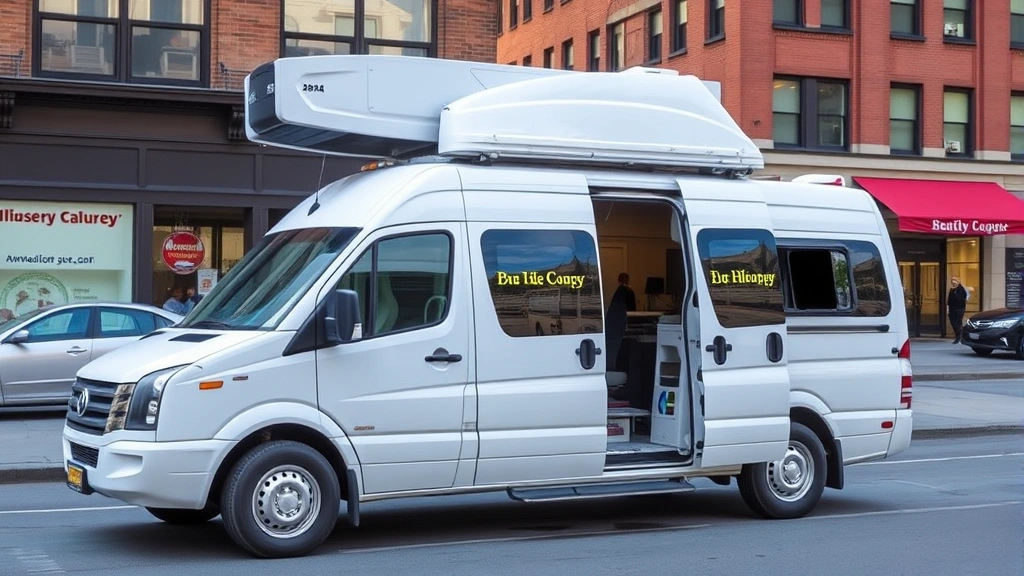
Multiple channels exist for sourcing conversion vans, each with distinct advantages and risks:
- Specialized Dealers: Conversion van dealerships focus exclusively on these vehicles and typically provide warranties, have performed recent inspections, and offer transparent history documentation. Prices reflect dealer overhead but include greater buyer protection.
- Online Marketplaces: Platforms like AutoTrader, Craigslist, and Facebook Marketplace offer extensive inventory with direct seller contact. Exercise caution with private sales, verify authenticity of customizations, and arrange independent inspections before committing funds.
- Auction Sites: Government, fleet, and bankruptcy auctions occasionally feature conversion vans at below-market prices. However, limited inspection opportunities and as-is sales create higher risk.
- Custom Builders: Commissioning a new conversion from established builders like Outdoorsy partners or regional conversion specialists provides customization control but requires longer lead times and upfront deposits.
- Commercial Vehicle Auctions: Copart and IAA feature business liquidation inventory, occasionally including underutilized conversion vans at competitive pricing.
Regardless of source, conduct thorough due diligence including vehicle history reports (Carfax, AutoCheck), mechanical inspections, title verification, and seller background checks when purchasing privately.
Financial Considerations and ROI
Purchasing a conversion van represents significant capital investment, requiring rigorous financial analysis. Consider total cost of ownership including:
- Purchase Price: Market range typically spans $40,000-$150,000 depending on base vehicle, customization quality, and age. Premium conversions from established builders may exceed $200,000.
- Financing Costs: Commercial vehicle loans often carry different rates than consumer auto financing. Compare options from banks, credit unions, and specialty lenders. Interest rates typically range 5-10% depending on credit profile and loan terms.
- Insurance and Registration: Commercial use insurance costs more than personal vehicle coverage. Obtain quotes before purchasing, as insurance expenses significantly impact annual operating costs.
- Maintenance and Repairs: Budget 10-15% of purchase price annually for maintenance, repairs, and component replacement. Specialized systems require qualified technicians, increasing service costs.
- Fuel and Operating Expenses: Most conversion vans achieve 12-18 miles per gallon depending on engine type and load. Calculate fuel costs based on planned usage patterns.
- Permits and Licensing: Commercial operation may require special permits, health licenses (for food service), or business permits varying by jurisdiction. Budget $500-$2,000 annually for regulatory compliance.
ROI calculations should project revenue generation against these expenses. A mobile retail operation might generate $500-$2,000 daily revenue, while service-based businesses often command premium pricing for convenience. Realistic payback periods range 18-36 months for well-executed business models.
Understanding e-commerce marketing strategies helps maximize revenue through online integration, social media promotion, and customer loyalty programs that drive consistent business to your mobile operation.
Legal and Regulatory Requirements
Conversion van operations must comply with multiple regulatory frameworks varying by jurisdiction, business type, and location:
- Vehicle Registration and Licensing: Commercial registration differs from personal vehicle licensing, requiring business documentation and appropriate classification. Some jurisdictions impose additional fees for commercial use.
- Insurance Requirements: Commercial use demands appropriate business liability and vehicle insurance. Operating personal-use insurance for commercial purposes violates coverage terms and creates liability exposure.
- Health and Safety Compliance: Food service operations require health permits, inspections, and adherence to commercial kitchen standards. Beauty services, pet grooming, and other regulated activities demand specific licensing and compliance certifications.
- Parking and Location Permits: Most jurisdictions require permits for stationary retail or service operations. Research zoning regulations, parking requirements, and permit costs for intended operating locations.
- Business Licensing: Operating any business requires appropriate licensing at municipal and state levels. Verify requirements with your local business registration office.
- ADA Compliance: Depending on business type and customer interaction, Americans with Disabilities Act compliance may apply, affecting vehicle accessibility and service delivery requirements.
Consult with local business authorities and legal professionals before purchasing to ensure your intended operation complies with all applicable regulations.
Inspection Checklist for Buyers
Comprehensive pre-purchase inspection prevents costly surprises and ensures sound investment decisions. Use this detailed checklist:
- Exterior Inspection: Check for rust, dents, paint consistency, trim condition, tire tread depth and age, door seals, window functionality, and roof integrity. Look for water stains indicating previous leaks.
- Engine and Mechanical Systems: Verify engine starts smoothly, idles consistently, and accelerates without hesitation. Check transmission shifting, brake responsiveness, suspension condition, and fluid levels. Request maintenance records documenting recent service.
- Electrical Systems: Test all lights, interior outlets, appliances, and climate control. Verify battery capacity, solar panels (if installed), inverter functionality, and shore power connections. Request electrical system documentation and warranties.
- Water Systems: Inspect fresh water capacity, wastewater tank condition, plumbing connections, and hot water functionality. Check for leaks, corrosion, or damage indicating previous water issues.
- Interior Condition: Examine flooring for soft spots indicating water damage, cabinetry construction quality, appliance functionality, and ventilation adequacy. Look for mold, mildew, or odors suggesting moisture problems.
- Customization Documentation: Request receipts, warranties, and technical specifications for all custom work. Verify conversion quality and material specifications.
- Title and Documentation: Verify clean title, accurate mileage records, and complete service history. Request accident history and previous ownership documentation.
- Test Drive: Operate the vehicle in various conditions—highway, city streets, and parking scenarios. Listen for unusual noises, verify handling responsiveness, and assess overall comfort and visibility.
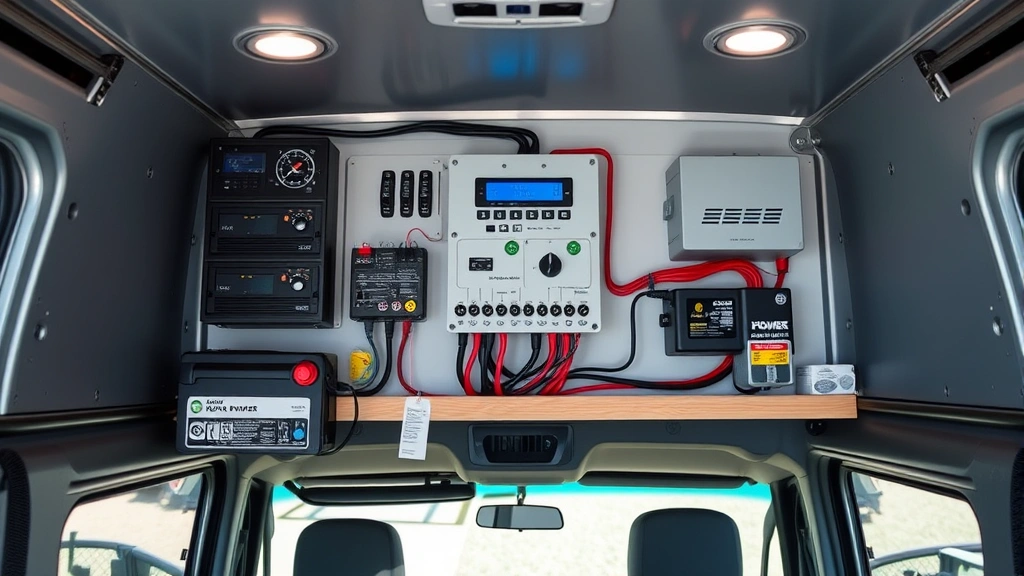
Professional inspections by certified mechanics familiar with conversion vehicles provide expert assessment and documented findings supporting negotiation or purchase decisions.
For entrepreneurs considering alternative business models, exploring how to build an e-commerce site offers complementary revenue channels integrating with mobile operations, while how to sell digital products online provides additional income diversification opportunities.
FAQ
What’s the average price for a conversion van?
Conversion van pricing ranges from $40,000 for basic used conversions to $150,000+ for professionally built vehicles with premium customizations. Factors including base vehicle condition, customization quality, age, and builder reputation significantly impact pricing. Recent market analysis shows used conversion vans appreciate slower than standard vehicles but maintain value better than expected due to business utility.
How long does a conversion van typically last?
Well-maintained conversion vans operate effectively for 10-15 years or 150,000-250,000 miles depending on base vehicle quality and maintenance consistency. The conversion components—cabinetry, electrical systems, appliances—may require replacement or significant refurbishment after 5-10 years of commercial use. Proper maintenance extends vehicle lifespan and preserves business utility.
Can I finance a conversion van purchase?
Yes, multiple financing options exist including commercial vehicle loans from banks, credit unions, and specialty lenders. Typical terms range 3-7 years with interest rates between 5-10%. Some dealers offer financing through captive finance companies. Compare multiple lenders to secure favorable terms. Down payments typically range 10-20% depending on credit profile and lender requirements.
What business models work best with conversion vans?
Successful conversion van businesses include mobile retail (boutiques, specialty goods), professional services (plumbing, electrical, cleaning), food and beverage operations, beauty services, consulting, photography, and content creation. The most successful models combine reasonable startup costs, consistent demand, premium pricing for convenience, and efficient operations. Analyze target market demand, competition, and revenue potential before committing capital.
How do I determine if a conversion van is right for my business?
Evaluate whether your business model benefits from mobility, whether customers seek convenient mobile service, and whether revenue potential justifies capital and operating costs. Consider geographic markets, seasonal demand patterns, and competitive landscape. Pilot programs or leasing arrangements help validate business viability before purchasing. Calculate detailed financial projections including realistic revenue estimates and comprehensive operating expenses.
What insurance do I need for a conversion van business?
Commercial vehicle insurance is essential, typically including commercial general liability, commercial auto coverage, and business property insurance. Requirements vary by business type—food service may require additional coverage, while service businesses need equipment protection. Obtain quotes from multiple insurers specializing in commercial vehicle coverage to ensure adequate protection at competitive rates.
Are used or new conversion vans better investments?
Used conversion vans offer lower acquisition costs but require thorough inspection and carry unknown maintenance history. New or recently built conversions provide warranty protection and known construction quality but command premium pricing. The optimal choice depends on budget, risk tolerance, and timeline. Many entrepreneurs successfully operate used conversions purchased from reputable dealers with recent inspections and some remaining warranty coverage.