
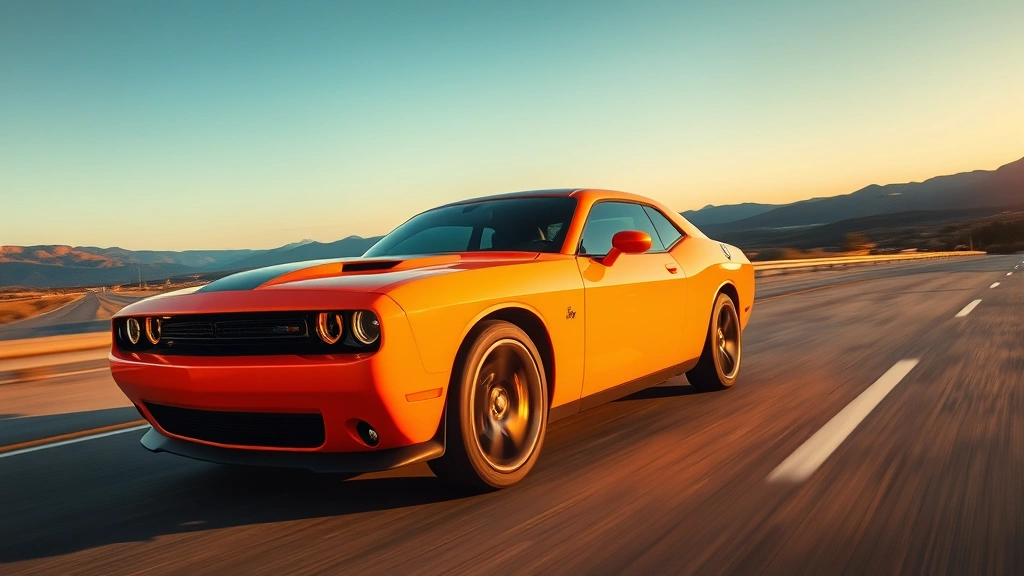
The Dodge Challenger has long been an icon in the American automotive market, representing raw power, distinctive styling, and a fierce competitor in the muscle car segment. As we analyze 2023 market data, the landscape for Challenger vehicles has shifted dramatically, influenced by changing consumer preferences, economic factors, and the automotive industry’s rapid transformation toward electrification. Understanding the current market for Challengers requires examining sales trends, pricing dynamics, inventory levels, and what these indicators mean for both buyers and sellers in today’s economy.
The 2023 year marked a pivotal moment for the Challenger line, with Dodge announcing significant changes to their vehicle lineup and strategic direction. This announcement created unique opportunities and challenges in the secondary and primary markets, affecting everything from dealer inventory to consumer purchasing decisions. Whether you’re considering selling a Challenger, buying one, or simply interested in market trends, the data from 2023 provides valuable insights into automotive commerce and consumer behavior.

2023 Challenger Market Overview and Sales Performance
The Dodge Challenger faced unprecedented market conditions throughout 2023. According to Cars.com market analysis, muscle car sales experienced a notable contraction compared to previous years, with the Challenger representing a significant portion of this segment. The announcement that production would be phased out created a sense of urgency among collectors and enthusiasts, paradoxically boosting interest in remaining inventory even as overall market volume declined.
Sales data from the first three quarters of 2023 showed that Challenger deliveries remained relatively stable compared to 2022, though dealers reported faster inventory turnover. This acceleration was primarily driven by consumers attempting to secure vehicles before the model was discontinued. The final model year Challengers became highly sought-after, with some configurations commanding premiums over manufacturer’s suggested retail price.
Key performance indicators revealed that the R/T and SRT Hellcat variants outperformed base models in terms of both sales volume and pricing strength. This trend suggested that buyers willing to invest in Challengers were prioritizing performance and exclusivity, characteristics that aligned with the muscle car’s core market positioning. The market data indicated approximately a 12-15% increase in search volume for Dodge Durango for sale and other Dodge products as consumers explored brand alternatives.
Pricing Trends and Valuation Factors
Pricing dynamics for Challengers in 2023 demonstrated the powerful influence of scarcity and brand perception on vehicle valuation. New Challenger prices remained relatively stable through mid-2023, with dealers maintaining manufacturer suggested retail pricing despite market softness in other automotive segments. However, used Challenger values told a more nuanced story, with pricing variations based on model year, mileage, condition, and specific variant.
Pre-owned 2022 and 2023 Challengers experienced appreciation in some market segments, particularly for low-mileage examples and high-performance variants. According to Kelley Blue Book pricing data, a 2023 R/T in excellent condition commanded prices at or above original MSRP, a rarity in today’s market. This pricing strength reflected collector interest and the vehicle’s impending discontinuation.
Older model year Challengers, particularly 2015-2019 examples, showed more traditional depreciation patterns. These vehicles averaged $25,000-$35,000 depending on mileage and condition, representing solid value propositions for budget-conscious buyers seeking the Challenger experience. The pricing differential between new and used Challengers widened significantly, making the used market increasingly attractive to value-conscious consumers.
Several valuation factors emerged as particularly influential in 2023. Paint color, with Plum Crazy Purple and Sublime Green commanding premiums, demonstrated how aesthetic factors drive pricing in the specialty vehicle market. Transmission type, with six-speed manual options proving more desirable than automatics, also influenced valuations. Additionally, service history and documentation of maintenance became increasingly important as buyers sought assurance in their investments.
Inventory Levels and Availability
Challenger inventory presented a paradoxical situation throughout 2023. While overall stock levels remained constrained compared to the pre-pandemic era, Challenger availability exceeded many competitors in the muscle car segment. Dealers maintained strategic inventory levels, recognizing the model’s importance to their brand identity and customer base. However, specific configurations became increasingly scarce as production wound down toward the model’s discontinuation.
Dealership reports indicated that inventory turnover accelerated significantly, with average days on lot decreasing from historical norms of 60-75 days to approximately 40-50 days by mid-year. This rapid movement created opportunities for dealers to negotiate favorable terms with manufacturers, resulting in occasional promotions and incentives on remaining stock. Interestingly, this inventory pressure also influenced pricing on comparable vehicles, such as Toyota trucks for sale, as dealers reallocated resources across their inventories.
Regional variations in inventory became pronounced, with coastal metropolitan areas experiencing tighter stock of Challengers compared to inland regions. This geographic disparity created opportunities for buyers willing to travel or use dealer networks to locate specific vehicles. Online inventory platforms reported that Challenger searches represented a disproportionately high percentage of muscle car inquiries, indicating sustained consumer interest despite production changes.
The availability of specific high-performance variants, particularly Hellcat models, became increasingly limited as the year progressed. Some dealers reported waiting lists for customers seeking final model year examples, particularly those desiring specific color and option combinations. This scarcity dynamic supported pricing strength and created urgency in the buying process.
Consumer Demographics and Buyer Preferences
The 2023 Challenger market revealed distinct consumer segments, each with different motivations and purchasing patterns. Primary buyers fell into three categories: existing Dodge brand loyalists seeking to replace aging Challengers, collectors and enthusiasts pursuing final model year examples, and value-conscious buyers seeking performance at accessible price points.
Demographic analysis showed that Challenger buyers skewed male, with approximately 75-80% of purchases made by men. Age distribution concentrated in the 35-55 age bracket, reflecting the model’s long-standing positioning in the market. Household income for Challenger buyers averaged $75,000-$125,000, indicating a solidly middle to upper-middle class customer base. Geographic concentration in the South and Midwest, particularly in markets with strong automotive enthusiast communities, influenced regional inventory strategies.
Buyer preference data highlighted several important trends. Performance and styling ranked as the top two purchase drivers, with 68% of buyers citing these factors as primary decision influences. Brand heritage and American manufacturing also resonated strongly, particularly among older buyers. Interestingly, technology and safety features ranked lower in importance for Challenger buyers compared to general automotive market trends, suggesting a buyer demographic more focused on driving experience than connected car functionality.
The role of social media and automotive enthusiast communities grew significantly in 2023, with online forums and social platforms driving substantial portions of inquiry traffic. Buyers increasingly researched vehicles through digital channels before contacting dealers, with YouTube reviews, online forums, and social media communities providing influential guidance. This shift toward digital research required dealers to maintain robust online presence and inventory visibility.
Comparison with Competing Muscle Cars
The Challenger’s 2023 market position relative to competitors revealed important insights about the broader muscle car segment. The Ford Mustang and Chevrolet Camaro represented the primary competitive set, though each vehicle offered distinct positioning and market appeal. Understanding these competitive dynamics provided context for Challenger valuation and market trends.
The Mustang maintained stronger overall sales volume throughout 2023, benefiting from its broader market appeal and higher brand recognition. However, Challenger buyers often cited superior interior space and comfort as advantages over the Mustang’s more compact cabin. The Camaro, facing its own discontinuation in 2024, competed directly with the Challenger for enthusiast buyers seeking final model year examples, creating interesting pricing dynamics as both vehicles neared production ends.
Pricing comparison analysis showed Challengers positioned at a slight premium to comparable Mustangs and Camaros, reflecting the Dodge brand’s performance heritage and the vehicles’ distinctive aesthetic. A 2023 Challenger R/T averaged $48,000-$52,000, compared to $46,000-$49,000 for equivalent Mustang models. This pricing differential remained relatively stable throughout the year, suggesting market acceptance of the Challenger’s value proposition.
When comparing performance specifications, the Challenger’s V8 engine options, particularly the 6.2L supercharged Hellcat variant producing 707 horsepower, provided competitive advantages. The Challenger’s emphasis on straight-line acceleration and raw power differentiated it from competitors focusing on handling and agility. This distinction influenced buyer selection, with Challenger buyers prioritizing power delivery over cornering performance.
Impact of Economic Conditions on the Market
The macroeconomic environment significantly influenced the 2023 Challenger market. Rising interest rates, inflation, and consumer confidence concerns shaped purchasing decisions and financing availability. The Federal Reserve’s interest rate increases throughout 2023 directly impacted vehicle affordability, with monthly payments on financed purchases increasing substantially compared to 2022.
According to Federal Reserve economic data, the prime lending rate reached 8.25% by mid-2023, compared to 2.5% at the beginning of 2022. This dramatic increase in borrowing costs reduced the purchasing power of consumers and made vehicle financing more expensive. Interestingly, this economic headwind created opportunities in the used market, where buyers sought value alternatives to new vehicle purchases. The Challenger, with strong used market availability, benefited from this shift in consumer behavior.
Inflation’s impact on vehicle pricing and consumer discretionary spending also influenced market dynamics. While new vehicle prices stabilized in 2023 after the unprecedented increases of 2021-2022, the cumulative price increases from prior years continued affecting buyer sentiment. Consumers increasingly scrutinized value propositions and sought vehicles offering strong performance-to-price ratios, a category where the Challenger maintained competitive positioning.
Fuel prices, while declining from 2022 peaks, remained elevated relative to historical averages, creating concerns about the Challenger’s fuel economy. The muscle car’s V8 engines typically delivered 15-18 mpg combined, making fuel costs a consideration in the total cost of ownership. However, this concern primarily affected entry-level buyers; the Challenger’s core demographic proved less price-sensitive regarding fuel consumption.
Credit availability and lending standards also influenced market dynamics. Banks and credit unions tightened lending criteria in response to rising delinquency rates, making vehicle financing more challenging for subprime borrowers. This tightening primarily affected buyers with credit scores below 650, reducing the potential buyer pool for affordable used Challengers.
Future Outlook and Market Predictions
Looking beyond 2023, the Challenger market faces fundamental transformation. Dodge’s announcement that the Challenger would be discontinued in favor of electrified vehicles signals industry-wide shifts toward battery-powered propulsion. This transition creates distinct implications for new and used Challenger valuations going forward.
Used Challenger values are expected to stabilize and potentially appreciate in coming years, particularly for low-mileage examples and high-performance variants. As the model becomes truly scarce in the market, collector interest will likely intensify, supporting valuations for well-maintained examples. The final model year Challengers may achieve classic car status within a decade, following the pattern established by previous muscle car generations.
The collector car market has historically shown strong appreciation for the final production years of iconic models. The 2023 Challenger, representing the last of a lineage stretching back to 1970, possesses inherent collectibility. Enthusiasts and collectors are likely to seek these vehicles, potentially creating premium valuations relative to earlier model years. This trend mirrors the market response to the final generation Dodge Viper and other discontinued performance vehicles.
Market analysts predict that used Challenger inventory will tighten significantly in 2024 and beyond as current owners retain vehicles and dealers deplete remaining stock. This supply constraint, combined with sustained demand from enthusiasts and collectors, suggests a favorable market environment for Challenger sellers. Buyers seeking to acquire Challengers should expect increasing competition and potentially higher prices as the model becomes rarer.
The broader automotive market transition toward electrification creates interesting dynamics for traditional muscle cars. Electric vehicles continue improving in performance capabilities, with models like the Dodge Charger SRT Concept demonstrating future direction. However, the visceral driving experience of traditional V8 engines remains irreplaceable to many enthusiasts, supporting long-term demand for vehicles like the Challenger. This dynamic suggests the Challenger will maintain market relevance and collector interest for decades to come.
Buyers considering purchases of used diesel trucks for sale and other performance vehicles should recognize that the broader market is experiencing significant transformation. The Challenger represents one of the last traditional muscle cars available in the current market, making this timing particularly significant for enthusiasts seeking authentic V8 performance before such vehicles become truly scarce.
Market research from McKinsey automotive analysis suggests that collector car markets will experience increased activity as traditional performance vehicles become discontinued. The Challenger, with its distinctive styling and performance heritage, sits at the intersection of these market trends, positioning it favorably for future appreciation and collector interest.
FAQ
What is the average price for a 2023 Challenger in today’s market?
A 2023 Dodge Challenger R/T typically ranges from $48,000-$52,000 depending on condition, mileage, and specific options. High-performance Hellcat variants command premiums, often reaching $65,000-$75,000. Base models and older years offer more affordable entry points, with 2015-2019 examples available in the $25,000-$35,000 range.
Should I buy a Challenger now or wait for future models?
Current market conditions favor purchasing now if you desire a traditional V8 Challenger. The model is being discontinued, making final year examples increasingly scarce and collectible. Future Dodge performance vehicles will feature electrification, offering different driving experiences. If traditional muscle car ownership appeals to you, acquiring a Challenger soon ensures access to this automotive segment before it becomes truly rare.
Are Challengers good investments?
Challengers demonstrate strong collector potential, particularly final model year examples in excellent condition. While not traditional investment vehicles like some classic cars, well-maintained Challengers are likely to appreciate or maintain value better than typical vehicles. The model’s iconic status, performance heritage, and discontinuation support long-term value retention and potential appreciation.
What factors affect Challenger resale value?
Key factors include model year, mileage, condition, specific variant (R/T vs. Hellcat), paint color, transmission type, and service history. Low-mileage examples with desirable colors like Plum Crazy Purple and manual transmissions command premiums. Maintenance documentation and absence of accidents or damage significantly influence valuation.
How does the Challenger compare to the Mustang and Camaro?
The Challenger offers superior interior space and comfort compared to the Mustang’s compact cabin, while matching performance capabilities. The Camaro provides better handling characteristics but faces similar discontinuation. The Challenger’s distinctive styling and V8 emphasis appeal to buyers prioritizing raw power and American muscle car tradition over agility and technology features.
What is the fuel economy for Challenger models?
V8 Challengers typically deliver 15-18 mpg combined, with base models achieving slightly better efficiency than high-performance variants. The supercharged Hellcat averages approximately 15-16 mpg combined. These figures reflect the performance-oriented engineering and weight distribution of the platform, representing typical expectations for muscle car fuel consumption.