Buy a VW Beetle? Expert Buying Tips for Finding the Right Vehicle
The Volkswagen Beetle remains one of the most iconic vehicles in automotive history, and whether you’re a collector, enthusiast, or practical buyer seeking affordable transportation, purchasing a VW Beetle requires careful consideration. With decades of production history, varying model years, and significant differences between classic and modern iterations, understanding what to look for can mean the difference between scoring a reliable investment and inheriting costly repair bills. This comprehensive guide provides expert insights into navigating the VW Beetle market, evaluating condition, negotiating price, and making an informed purchase decision.
The appeal of buying a VW Beetle transcends generations. Classic models from the 1960s and 1970s attract vintage car enthusiasts willing to invest in restoration, while newer used models offer practical daily driving with retro charm. The relaunch of the modern Beetle in 1998 and its subsequent generations through 2019 created a unique market where buyers can choose between genuine classics requiring specialized knowledge and more contemporary vehicles with familiar modern systems. Understanding which era suits your needs, budget, and mechanical expertise is the crucial first step in your purchasing journey.
Beyond the romantic appeal of this legendary automobile lies practical business considerations. If you’re exploring vehicle purchases as part of local marketplace transactions or understanding consumer behavior in specialty markets, the Beetle market offers fascinating insights into buyer psychology, valuation trends, and negotiation dynamics that mirror broader e-commerce principles.
Understanding VW Beetle Model Generations
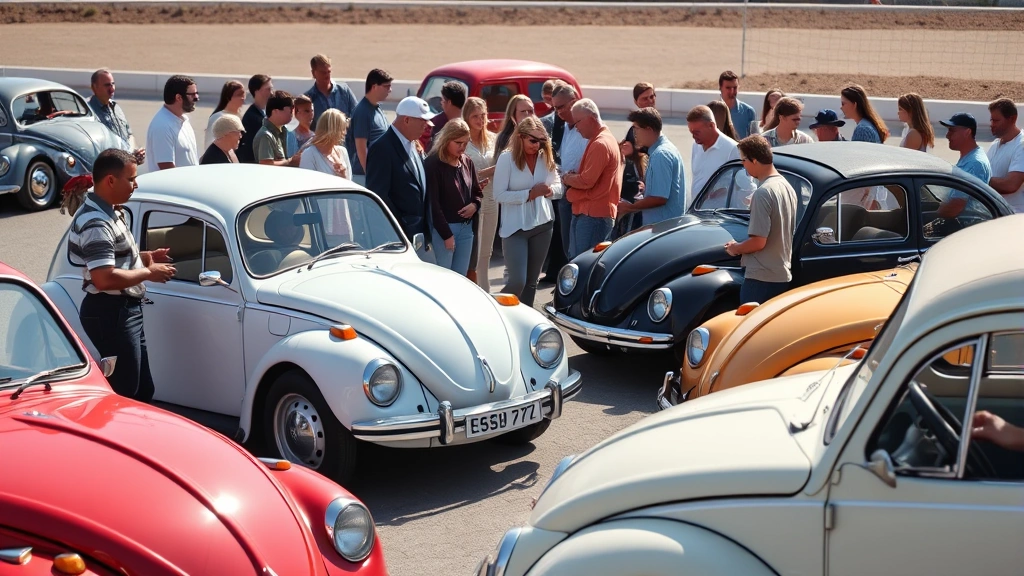
The Volkswagen Beetle’s production history spans nearly eight decades, with distinct generations offering vastly different ownership experiences. The original Beetle, produced from 1938 to 2003, represents the longest production run for any single automobile platform in history. When shopping for a VW Beetle for sale, you’ll encounter these primary categories: original Beetles (pre-1968), Super Beetles (1968-1979), Beetles from the 1980s and 1990s, the modern Beetle reintroduction (1998-2010), the second-generation modern Beetle (2012-2019), and the final third-generation model that ended production in 2019.
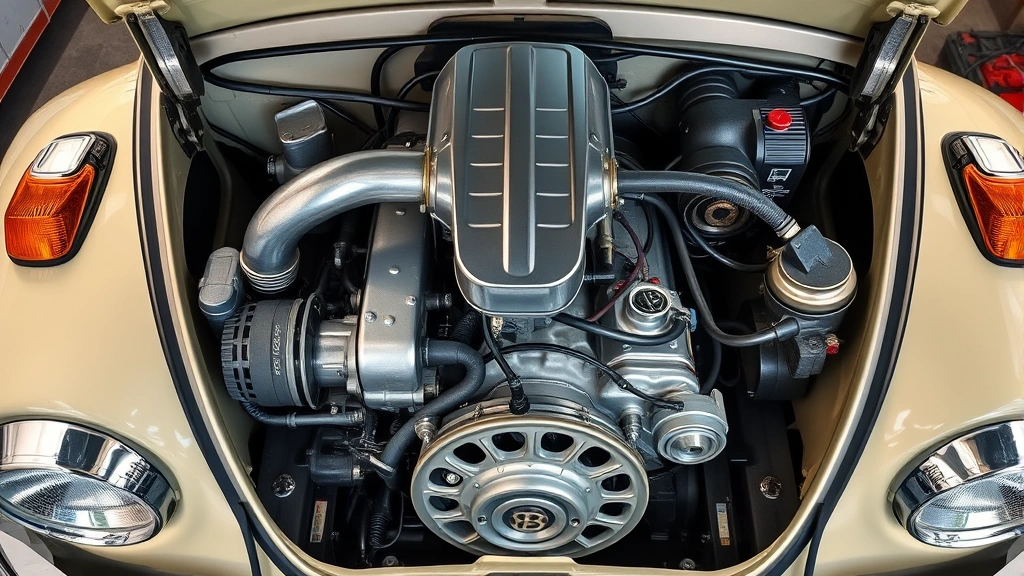
Classic Beetles manufactured before 1980 require specialized knowledge and typically appeal to restoration enthusiasts. These air-cooled, rear-engine vehicles operate on mechanical principles fundamentally different from contemporary automobiles. Their simplicity, once an advantage, now means fewer mechanics understand their systems. Original Beetles appreciate based on rarity, condition, and completeness rather than mechanical reliability. A 1967 Beetle in original condition might command premium prices despite requiring restoration work, while a well-restored 1975 model offers practical driving with vintage aesthetics.
The transition to water-cooled engines in 1982 marked a significant shift in Beetle evolution. Models from 1982 onward incorporated modern cooling systems, fuel injection (in later models), and more conventional automotive architecture. These vehicles bridge the gap between classic and contemporary, offering easier maintenance than air-cooled models while retaining iconic styling. For buyers seeking authentic Beetle experience without extensive mechanical knowledge, 1990s and early 2000s models provide excellent value propositions.
The modern Beetle reintroduction beginning in 1998 fundamentally altered the market. Volkswagen’s decision to revive the Beetle as a contemporary vehicle with modern safety, emissions, and comfort features attracted new demographics. These vehicles share platforms with contemporary VW models, meaning any competent mechanic can service them using standard tools and parts. The modern Beetle appeals to buyers wanting iconic styling without vintage vehicle complications. Understanding which generation aligns with your mechanical comfort level, budget, and intended use is essential before beginning your search.
Evaluating Mechanical Condition and History
Mechanical evaluation represents the most critical aspect of purchasing any used vehicle, particularly when buying a VW Beetle for sale from private sellers or small dealerships. Unlike purchasing through structured commercial platforms, private sales offer no warranty protection or recourse mechanisms. Request comprehensive service records documenting major maintenance: timing belt replacements, transmission servicing, engine work, and electrical repairs. For classic air-cooled Beetles, documentation proving engine rebuilds, carburetor overhauls, and electrical system updates significantly impacts value and drivability.
The Beetle’s air-cooled ancestry creates specific mechanical concerns for older models. Engine cooling system failures represent the most common catastrophic issue, particularly when vehicles have been neglected or driven in hot climates. Overheating can warp cylinder heads or crack the engine block, creating repair costs exceeding the vehicle’s value. Inspect cooling air passages for debris, verify fan operation, and check for evidence of overheating (discoloration, warping). Similarly, the original electrical system in classic Beetles operates at 6 volts in very early models and 12 volts in later classics, creating compatibility issues with modern accessories and components.
Water-cooled Beetles from 1982 onward exhibit different concerns. Rust represents the primary enemy, particularly in vehicles from northern climates with road salt exposure. Inspect the undercarriage, door bottoms, and trunk floor for corrosion. Unlike newer vehicles with advanced rustproofing, older Beetles are vulnerable to structural rust that can render vehicles unsafe. Check the floorpans carefully, as rust holes in structural areas create safety hazards. The transmission, whether manual or automatic, should shift smoothly without grinding or hesitation. Listen for transmission noise during test drives, particularly during acceleration and gear changes.
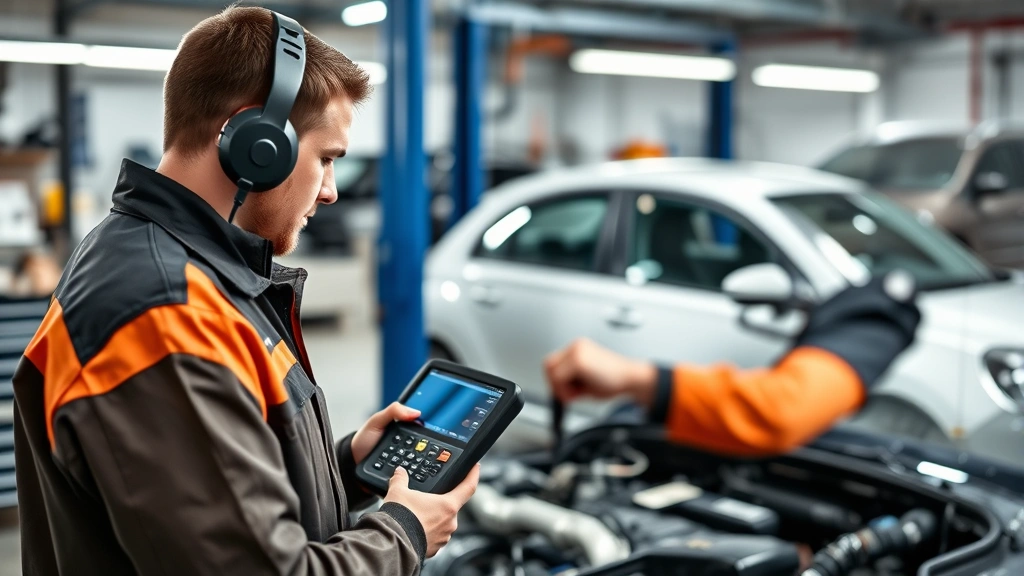
Modern Beetles (1998 onward) generally prove more reliable but still require evaluation of specific components. Check the clutch engagement point in manual models—excessive wear creates difficulty engaging gears or causes slipping during acceleration. Automatic transmissions should shift smoothly without hesitation. Engine compression should be verified, particularly in higher-mileage vehicles. Request a pre-purchase inspection from a qualified mechanic before committing to purchase. This investment, typically costing $100-$200, can reveal hidden problems justifying negotiation or walking away entirely.
Pricing Strategy and Market Research
Establishing realistic pricing expectations requires understanding current market conditions for VW Beetles. Consult multiple valuation resources including Kelley Blue Book, NADA Guides, and Edmunds to establish baseline values for your target model, year, mileage, and condition. These platforms provide data-driven valuations based on actual transaction history, similar to how analytics tools inform e-commerce pricing. Classic Beetle values fluctuate based on collector demand, rarity, and restoration status, requiring consultation with specialty classic car valuation services.
Market research should extend beyond valuation guides to local inventory analysis. Monitor classified listings, auction sites, and dealer inventories for your target Beetle model. Document asking prices, actual sale prices when available, and average time-on-market. This intelligence informs realistic offers and reveals seasonal pricing patterns. Spring and summer typically see increased Beetle demand and higher asking prices as weather improves and buyers emerge from winter. Fall and winter often feature more motivated sellers and lower prices. If flexibility exists in your purchase timeline, shopping during slower seasons can yield significant savings.
Condition premiums vary significantly based on authenticity and restoration quality. Original, unmodified classic Beetles command premiums over modified or customized vehicles. Matching-numbers vehicles (engine, transmission, and chassis numbers original to the car) fetch higher prices among collectors. Professional restorations with documented work history justify premium pricing, while amateur restorations or incomplete projects require steep discounts. When evaluating modern Beetles, premium pricing correlates with lower mileage, complete service history, accident-free history, and original paint.
Understanding regional pricing variations prevents overpaying. Beetles popular in specific regions command higher prices locally. Rust-free classic Beetles from southern climates command premiums in northern regions where rust is prevalent. Conversely, modern Beetles prove more affordable in regions with abundant inventory. Geographic arbitrage—purchasing in areas with lower prices and transporting vehicles—can yield savings, though transportation costs ($500-$1,500) must factor into calculations. Research local market conditions thoroughly before establishing your target price range.
Inspection Checklist Before Purchase
Comprehensive pre-purchase inspection protects against hidden problems that could transform exciting purchases into financial nightmares. Develop a systematic inspection checklist covering exterior, interior, mechanical, and electrical systems. Begin with exterior evaluation in natural daylight, examining paint condition, panel alignment, and evidence of previous repairs. Look for mismatched paint indicating repainting, which may conceal accident damage. Check for bondo or filler in body panels, suggesting amateur repairs. Inspect trim, weatherstripping, and rubber seals for deterioration or replacement.
Interior inspection reveals daily use patterns and maintenance commitment. Examine upholstery condition, looking for tears, stains, or excessive wear suggesting high use or neglect. Check dashboard condition—cracks indicate sun damage or age. Verify all electrical components function: windows, locks, wipers, lights, radio, and climate control. Test all gauges and warning lights. In classic Beetles, original trim and components command premiums; reproduction parts indicate restoration work. Examine the steering wheel, shift knob, and pedals for wear patterns revealing actual mileage accuracy.
Mechanical inspection requires systematic evaluation. Start the engine cold and listen for unusual sounds: knocking, pinging, or grinding. Observe exhaust smoke color—blue indicates oil burning, white suggests coolant issues, black indicates overly rich fuel mixture. Allow the engine to warm and observe idle quality. Perform compression testing to verify engine health, particularly in high-mileage vehicles. Check all fluid levels: oil, coolant, transmission fluid, brake fluid, and power steering fluid. Examine fluid condition for contamination or leaks. Under-car inspection should identify oil leaks, transmission fluid seepage, and rust damage.
Test drive evaluation provides crucial operational insights impossible to assess statically. Accelerate smoothly through all gears, noting responsiveness and transmission engagement. Test braking at various speeds, evaluating stopping power and pedal feel. Evaluate steering responsiveness and wheel alignment by driving straight and making turns. Listen for unusual noises during acceleration, braking, and turning. Check heating and air conditioning functionality. Verify all safety systems including seatbelts, airbags (in modern Beetles), and stability control. Evaluate ride quality and suspension response. Drive over varied terrain including highway, city streets, and rough roads to fully assess vehicle condition.
Negotiation Tactics for Best Value
Successful negotiation begins before making initial contact with sellers. Armed with comprehensive market research, valuation data, and inspection findings, you enter negotiations from informed positions. Establish your maximum acceptable price based on valuation guides, condition assessment, and comparable sales. This ceiling prevents emotional decision-making and protects against overpaying. Develop your opening offer typically 10-15% below asking price, leaving room for negotiation while signaling serious interest.
Documentation from pre-purchase inspection provides negotiation leverage. Inspection reports identifying needed repairs justify reduced offers. Rather than generic negotiation, frame discussions around specific findings: “The timing belt requires replacement within 10,000 miles, estimated at $800. I’m adjusting my offer accordingly.” This approach converts subjective negotiation into objective cost analysis. Sellers cannot reasonably dispute documented mechanical needs identified by professional mechanics.
Timing and psychology influence negotiation outcomes. Sellers facing time pressure—relocating, replacing vehicles, or managing multiple listings—demonstrate increased flexibility. Conversely, sellers with indefinite timelines can afford patience. Express genuine interest while maintaining willingness to walk away. Surprisingly, indicating you’re actively evaluating other vehicles reduces pressure on sellers to hold firm on pricing. Negotiating in person, when possible, builds rapport and enables more flexible discussions than phone or text communication.
Payment method discussions can yield additional savings. Cash purchases appeal to private sellers seeking immediate funds without banking delays or check clearing uncertainty. Offering cash payment, when possible, can justify modest discounts. Conversely, dealers typically prefer documented payment methods. Understand local regulations regarding sales documentation, title transfer, and sales tax compliance. In jurisdictions requiring sales tax documentation, factor tax implications into final pricing.
Documentation and Legal Considerations
Proper documentation protects both buyers and sellers while ensuring legal compliance. Verify the seller possesses the vehicle title and confirms their name matches ownership records. Obtain a bill of sale documenting the transaction, vehicle identification number (VIN), purchase price, date, and signatures from both parties. This document proves purchase date and price, essential for insurance and registration purposes. Request the original owner’s manual and service records, which document maintenance history and add value to the purchase.
VIN verification confirms the vehicle matches documentation and identifies any salvage history or title issues. Run a vehicle history report through services like Carfax or AutoCheck, which document accident history, service records, title issues, and previous ownership. These reports cost $15-$25 but provide invaluable protection against vehicles with hidden problems. Look for red flags including multiple owners, accident damage, flood damage, or branded titles indicating salvage, flood, or lemon law buybacks.
Title transfer procedures vary by state and jurisdiction. Some states require notarized bills of sale; others require specific forms. Contact your state’s motor vehicle department or consult resources like state-specific tax and registration information to understand local requirements. Complete title transfer promptly after purchase, typically within 10-30 days depending on jurisdiction. Delayed transfers create liability exposure if the vehicle is involved in accidents or violations after sale.
Insurance considerations require attention before purchase completion. Contact insurance providers to obtain quotes for your target vehicle. Insurance costs vary significantly based on vehicle type, model year, and safety features. Modern Beetles typically cost less to insure than classic models due to safety systems and parts availability. Verify your insurance covers the vehicle from purchase date. Some policies automatically extend to newly purchased vehicles; others require formal notification. Confirm coverage details, deductibles, and any special requirements for classic or specialty vehicles.
Registration and compliance documentation proves vehicle meets environmental and safety standards for your jurisdiction. Request proof of current registration and valid emissions testing where required. Classic vehicles may qualify for special vintage or collector car registration with reduced fees and driving restrictions. Modern Beetles must meet current emissions standards; verify the vehicle passes inspection in your area. Non-compliance requires repairs before registration, potentially creating unexpected expenses.
FAQ
What’s the most reliable VW Beetle model year to purchase?
Modern Beetles from 2005-2010 and 2012-2019 generally prove most reliable due to contemporary engineering and parts availability. Among classic models, 1972-1979 Super Beetles offer better reliability than earlier models while remaining affordable. Avoid 1980-1981 models, as they represent transitional years with problematic water-cooling systems. For collectors, 1960s models offer iconic appeal but require mechanical expertise and specialized parts.
How much should I budget for VW Beetle restoration?
Restoration costs vary dramatically based on current condition and desired outcome. Basic mechanical restoration bringing a running classic to reliable driving condition typically costs $5,000-$15,000. Comprehensive frame-off restorations with interior and exterior refinishing can exceed $30,000-$50,000. Modern Beetle repairs typically cost less than classics; routine maintenance averages $300-$600 annually, with major repairs ranging $1,000-$3,000 depending on component.
Should I purchase from a dealer or private seller?
Private sellers typically offer lower prices but provide no warranty or recourse. Dealers offer warranties, handle paperwork, and assume liability, justifying premium pricing. Small specialty Beetle dealers offer expertise and curated inventory but may price higher than private sales. Consider your mechanical knowledge, time availability, and risk tolerance when deciding. Private sales suit knowledgeable buyers with time for thorough evaluation; dealers suit buyers prioritizing convenience and protection.
What common Beetle problems should I watch for?
Classic air-cooled Beetles: overheating, electrical failures, rust, and carburetor problems. Water-cooled 1982-2010 models: rust, transmission issues, and electrical gremlins. Modern Beetles 1998-2019: transmission hesitation, electrical problems, and plastic component brittleness in cold climates. Request service records documenting these specific components’ repair history.
Is a VW Beetle a good investment?
Classic Beetles appreciate modestly, with 1960s models commanding higher prices than 1970s-1980s examples. Well-restored vehicles appreciate 3-5% annually if maintained properly. Modern Beetles depreciate like standard vehicles, making them poor financial investments but excellent value purchases for drivers seeking affordable, stylish transportation. Collectible examples with documented history and exceptional condition can appreciate significantly.
How do I verify a Beetle’s authenticity and originality?
Request matching-numbers verification confirming engine, transmission, and chassis numbers match original documentation. Examine paint codes and interior trim for originality. Consult Beetle-specific resources and clubs for model-specific details. Professional appraisers specializing in classic Beetles can authenticate vehicles for $200-$400. Documentation of original owner, service history, and restoration work proves authenticity and commands premium pricing.
What should a pre-purchase inspection include?
Comprehensive inspections cover compression testing, fluid analysis, electrical system verification, rust assessment, suspension evaluation, brake testing, and road testing. Professional mechanics charge $100-$200 for basic inspections; specialty Beetle mechanics may charge more for detailed evaluation. Request written reports documenting all findings with photographs and repair estimates for identified issues.
How can I reduce insurance costs for a VW Beetle?
Maintain clean driving records and defensive driving certifications. Install anti-theft devices on classic models. Maintain comprehensive and collision coverage; liability-only policies provide minimal protection. Bundle Beetle insurance with home or other policies for discounts. Specialty insurers focusing on classic vehicles often provide better rates than standard providers. Modern Beetles typically cost less to insure than classics due to safety features and repair cost predictability.


