Used Range Rover Deals: Complete Buyer’s Guide 2023
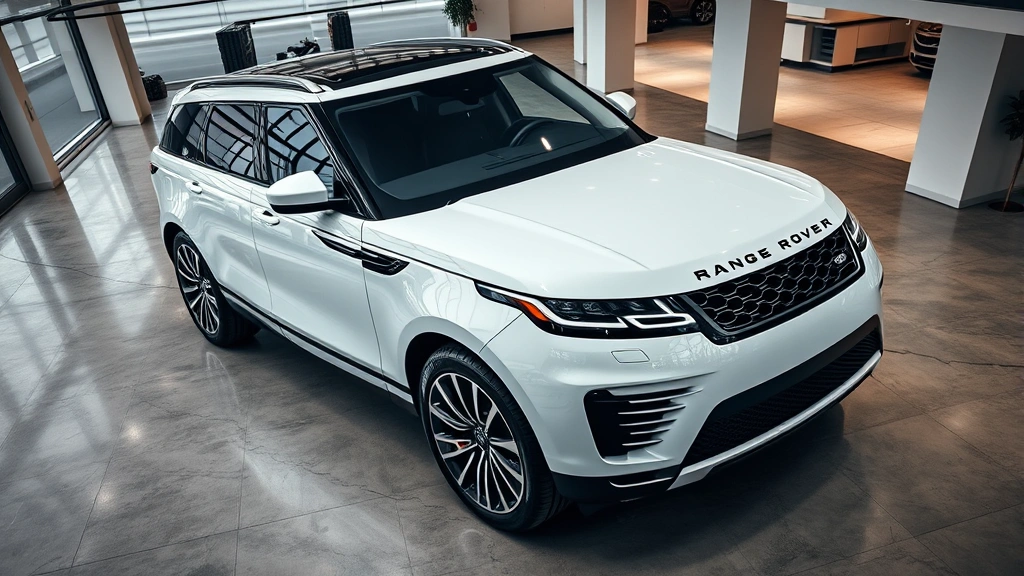
The used luxury SUV market has experienced significant growth over the past three years, with Range Rovers consistently ranking among the most sought-after vehicles. Whether you’re interested in a pre-owned Range Rover Sport, Evoque, or the flagship Range Rover, understanding the current market landscape is essential for making an informed purchasing decision. This comprehensive guide examines pricing trends, depreciation factors, and strategic buying approaches to help you secure the best possible deal on a used Range Rover in 2023.
Range Rover vehicles offer exceptional value in the secondary market compared to their new counterparts, with depreciation curves stabilizing for models three to five years old. The luxury SUV segment has become increasingly competitive, creating opportunities for savvy buyers willing to invest time in research and negotiation. Understanding where to look, what to inspect, and how to negotiate effectively can result in savings of $5,000 to $15,000 or more compared to retail pricing.
Current Market Conditions for Used Range Rovers
The used Range Rover market in 2023 reflects broader trends in the automotive industry, particularly regarding inventory levels and consumer preferences. According to Cars.com market analysis, luxury SUVs have maintained strong demand despite economic headwinds, with Range Rovers experiencing particularly robust interest from affluent buyers seeking proven reliability and prestige.
Market data indicates that used Range Rovers aged 3-7 years represent the sweet spot for value-conscious buyers. These vehicles typically feature modern technology while offering significantly reduced pricing compared to current model years. The average price for a 2019-2020 Range Rover ranges from $45,000 to $65,000 depending on mileage, condition, and specific model variant.
Inventory availability has improved compared to 2021-2022 shortage conditions, giving buyers more negotiating power. Certified pre-owned programs through official Land Rover dealerships now offer competitive pricing alongside warranty protections, making them increasingly attractive alternatives to private sales. When searching for used Range Rover for sale, understanding these market dynamics helps you time your purchase strategically.
Depreciation Patterns and Value Retention
Range Rovers typically experience steeper initial depreciation than some competitors, with new models losing 15-20% of their value in the first year. However, this aggressive early depreciation creates opportunities for buyers entering the market at the 3-5 year mark. At this point, depreciation curves flatten considerably, offering better long-term value retention.
The 2018-2020 model years represent particularly strong value propositions in 2023. These vehicles have completed their steepest depreciation curves while still offering modern features like touchscreen infotainment systems, smartphone integration, and advanced safety technologies. A 2019 Range Rover Sport with moderate mileage typically retains 55-60% of its original MSRP, compared to 40-45% for comparable luxury SUVs from other manufacturers.
Specific model variants affect depreciation differently. Range Rover Evoque models depreciate more slowly than larger variants due to lower initial purchase prices and broader appeal. Conversely, the full-size Range Rover maintains stronger value among luxury buyers prioritizing prestige and capability. When evaluating luxury vehicles for sale, depreciation patterns provide crucial insights into long-term ownership costs.
Mileage significantly impacts value retention, with the industry standard of 12,000-15,000 annual miles serving as the baseline. Vehicles exceeding 20,000 annual miles experience accelerated value loss, while those with lower mileage command premium pricing. A well-maintained 2019 Range Rover with 40,000 miles typically costs $3,000-$5,000 more than an identical vehicle with 60,000 miles.
Where to Find Quality Used Range Rovers
Multiple channels exist for sourcing used Range Rovers, each offering distinct advantages and considerations. Official Land Rover dealerships provide certified pre-owned inventory with manufacturer warranties, typically covering major components for 12 months or longer. These vehicles undergo comprehensive inspections and reconditioning, reducing buyer risk despite higher price points.
Online marketplaces including AutoTrader, Edmunds, and Craigslist offer broader selection and competitive pricing. AutoTrader’s dealer inventory provides some warranty protections while maintaining better pricing than franchised dealerships. Private party sales through Craigslist or Facebook Marketplace offer the lowest prices but require extensive due diligence and inspection expertise.
Auction sites like Copart and IAA occasionally feature Range Rovers at substantial discounts, though these vehicles typically carry salvage or branded titles indicating previous accidents or damage. Unless you possess mechanical expertise or plan professional inspection, auction purchases carry elevated risk. Third-party inspection services can mitigate these risks, costing $150-$300 but providing valuable protection against hidden damage.
Carvana and Vroom provide convenient online purchasing with home delivery options, though their used Range Rover inventory remains limited compared to traditional dealers. These platforms work better for less common vehicles like Honda models available locally, where selection and delivery logistics prove more manageable.
Geographic location affects available inventory significantly. Major metropolitan areas including Los Angeles, New York, and Miami maintain robust used Range Rover supplies, while rural markets may require expanding search radiuses to 50+ miles. Expanding your search geographically often yields better pricing and selection, with shipping options increasingly available through dealer networks and logistics partners.
Essential Inspection Checklist
Thorough vehicle inspection represents the most critical step in securing a quality used Range Rover. Even vehicles with clean history reports may harbor mechanical or cosmetic issues requiring expensive repairs. A systematic inspection approach prevents costly surprises post-purchase.
Begin with exterior evaluation, examining paint consistency using a paint depth gauge if available. Mismatched paint indicates previous bodywork, potentially signaling accident damage. Inspect panel alignment by observing consistent gaps between doors, fenders, and the hood. Uneven gaps suggest frame damage or improper panel replacement.
Check all lighting systems including headlights, taillights, turn signals, and interior illumination. Examine tire condition and tread depth using the penny test—insert a penny into tread grooves with Lincoln’s head inverted; if you see the top of his head, tread depth is insufficient. Verify that all four tires match or represent intentional upgrades rather than mismatched replacements indicating accident damage.
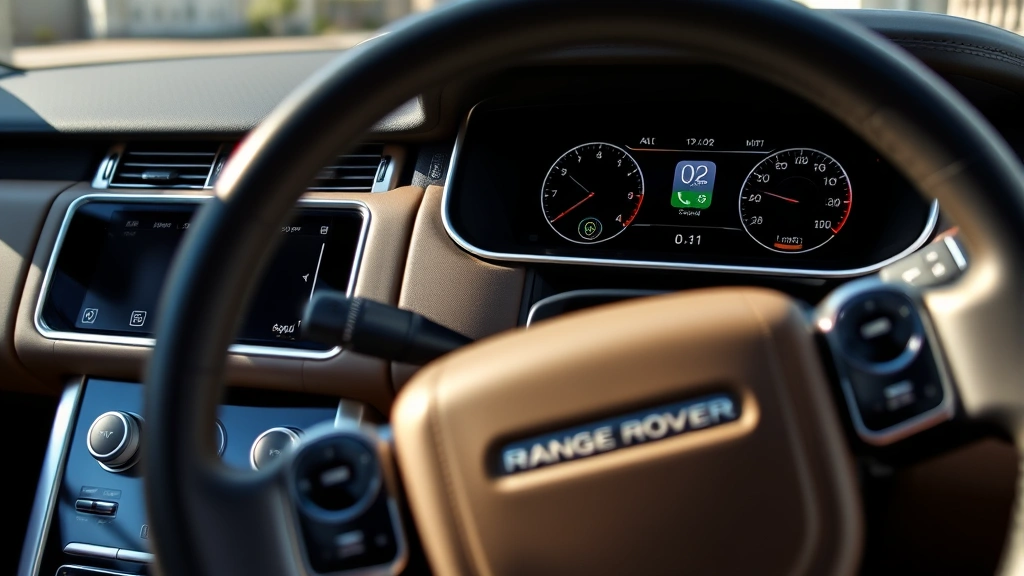
Interior inspection should include testing all power features including windows, seats, mirrors, and sunroofs. Check climate control functionality in both heating and cooling modes. Inspect upholstery for wear, stains, or damage that may prove expensive to repair. Test infotainment systems, ensuring all features function including navigation, Bluetooth connectivity, and backup camera systems.
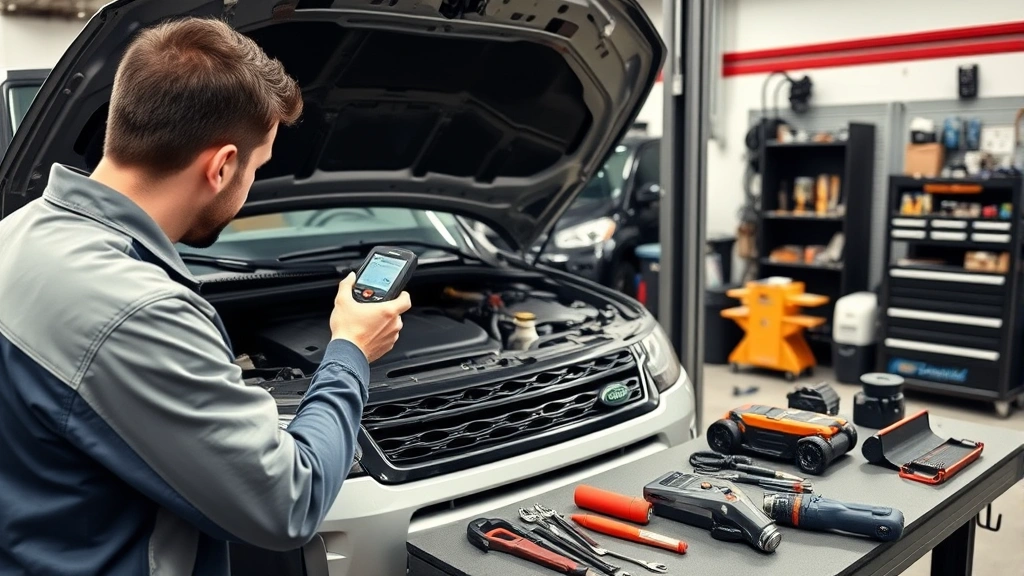
Mechanical inspection requires either professional evaluation or significant personal expertise. Critical items include checking fluid levels and conditions—engine oil, coolant, transmission fluid, and brake fluid should all meet manufacturer specifications. Inspect belts and hoses for cracks or deterioration. Request a compression test to assess engine health, and have a transmission specialist evaluate transmission condition if not recently serviced.
Obtain the vehicle history report through Carfax or AutoCheck, looking for accident history, title issues, and service records. Clean title without major accidents is essential; branded titles indicating salvage, flood, or lemon law buybacks typically result in permanent value loss and insurance complications.
Pricing Strategy and Negotiation Tactics
Establishing fair market value before negotiation begins positions you advantageously. Kelley Blue Book, NADA Guides, and Edmunds provide pricing estimates based on model year, mileage, condition, and regional variations. Compare multiple estimates to establish a realistic range rather than relying on single sources.
Document comparable sales within your geographic market. Dealership websites and online marketplaces reveal what similar vehicles actually sell for, providing stronger negotiating positions than manufacturer estimates. Track vehicles you’re considering for 2-3 weeks; price reductions indicate market resistance and negotiating leverage.
Enter negotiations with a maximum offer 5-10% below asking price, leaving room for counteroffers. Emphasize inspection findings, deferred maintenance, and market comparables rather than personal circumstances. Dealers respond better to objective data than emotional appeals or urgency claims.
Bundle negotiations to maximize value. Request extended warranties, service packages, or maintenance coverage rather than pursuing price reductions alone. These add-ons carry lower dealer costs than price reductions while providing genuine value through reduced future ownership costs.
Timing affects negotiation leverage significantly. Month-end and quarter-end create pressure on dealers to meet sales targets, increasing willingness to negotiate. Cold weather months typically see reduced demand for luxury SUVs, shifting advantage toward buyers. Conversely, spring and early summer create competition among buyers, reducing negotiating power.
Consider private party sales and contractual considerations when comparing dealer options. Private sellers often price vehicles 10-15% below dealer equivalents but provide no warranties or recourse for undisclosed issues. The savings must justify increased risk.
Financing Options for Used Luxury Vehicles
Financing strategies significantly impact total purchase costs beyond initial purchase price. Interest rates for used vehicle loans typically run 1-3% higher than new vehicle rates, varying based on credit score, loan term, and lender type.
Traditional bank financing through your primary financial institution often provides competitive rates, particularly if you maintain established relationships. Credit unions frequently offer superior rates compared to traditional banks, sometimes 0.5-1.5% lower. Pre-approval before shopping strengthens negotiating positions by removing financing contingencies.
Dealer financing provides convenience and sometimes promotional rates, though carefully review terms before committing. Dealer financing typically includes higher interest rates than bank alternatives but may offer extended warranties or service packages offsetting higher borrowing costs.
Loan term selection affects monthly payments and total interest paid substantially. A 60-month loan carries lower monthly obligations than 48-month alternatives but results in $1,500-$3,000 additional interest expense. Conversely, extending to 72-month terms reduces monthly payments by 15-20% while increasing total interest by 30-40%.
Down payment size directly impacts borrowing requirements and interest charges. A 20% down payment reduces loan principal by $10,000-$15,000 on typical Range Rover purchases, resulting in $2,000-$4,000 interest savings over loan life. Gap insurance protects against owing more than vehicle value in total-loss scenarios, particularly important for luxury vehicles.
Common Issues and Maintenance Costs
Range Rovers exhibit certain recurring issues affecting ownership costs and reliability. Transmission problems affect some 2012-2015 models, with repairs costing $3,000-$5,000. Request transmission service records and consider extended transmission warranties when purchasing vehicles approaching 100,000 miles.
Electrical gremlins plague some model years, creating intermittent dashboard warning lights and infotainment system malfunctions. These issues prove frustrating but rarely indicate catastrophic failure. Diagnostic evaluation costing $150-$300 identifies specific problems before purchase.
Suspension wear accelerates on Range Rovers compared to typical SUVs, with air suspension components requiring replacement at 80,000-120,000 miles. Replacement costs range from $1,200-$2,500 depending on component type and labor costs. Inspect suspension components during pre-purchase evaluation and budget accordingly.
Engine carbon buildup occurs on some direct-injection engines, causing rough idle or reduced performance. Professional carbon cleaning costs $400-$800 but may improve fuel economy and responsiveness. This represents a maintenance item rather than catastrophic failure but affects driving experience.
Brake pad wear accelerates on Range Rovers due to vehicle weight and performance tuning. Budget $600-$1,000 for brake pad replacement including labor. Premium brake fluid changes every 2-3 years cost $150-$250, representing necessary maintenance preventing brake system corrosion.
Regular maintenance including oil changes every 10,000 miles costs $100-$150 for synthetic oil and filter. Tire replacement for premium all-terrain or all-season tires costs $800-$1,400 per set. Comprehensive maintenance planning prevents emergency repairs and maintains vehicle reliability. When comparing ownership costs to alternative luxury vehicles for sale, factor these maintenance expenses into total cost of ownership calculations.
Insurance costs for Range Rovers typically run 10-15% higher than mainstream SUVs due to replacement parts costs and repair complexity. Obtain insurance quotes before finalizing purchase, as insurance expenses represent substantial annual ownership costs often overlooked during negotiation.
FAQ
What model year represents the best value for used Range Rovers in 2023?
The 2018-2020 model years offer optimal value, having completed steep depreciation curves while retaining modern technology and features. These vehicles typically cost 40-50% less than equivalent new models while providing 55-60% original value retention. 2017 models and older present lower prices but may face upcoming major maintenance expenses.
Should I purchase certified pre-owned or private party Range Rovers?
Certified pre-owned vehicles through official dealerships provide manufacturer-backed warranties and inspection assurances, typically costing $2,000-$5,000 more than private party equivalents. For first-time luxury vehicle buyers or those with limited mechanical knowledge, the warranty protection justifies premium pricing. Experienced buyers comfortable with inspection and repair risks may prefer private party savings.
How many miles is too many for a used Range Rover?
Vehicles exceeding 100,000 miles require careful evaluation and professional inspection, as major component failures become increasingly probable. However, well-maintained Range Rovers routinely exceed 150,000 miles with appropriate service records. Mileage history consistency—avoiding vehicles with sudden high-mileage jumps—matters more than absolute mileage numbers.
What warranty coverage should I expect with used Range Rovers?
Certified pre-owned Range Rovers typically include 12-month powertrain warranties covering major mechanical components. Extended warranties covering 5-7 years or 100,000 miles are available through dealerships, costing $1,500-$3,000 but providing valuable protection for expensive repairs. Private party purchases include no manufacturer coverage unless recently extended by previous owners.
Are Range Rovers reliable long-term ownership investments?
Range Rovers demonstrate solid reliability with proper maintenance, though ownership costs exceed mainstream SUVs significantly. Major mechanical failures become more probable beyond 100,000 miles, but many vehicles routinely exceed this threshold. Budget $1,500-$2,500 annually for maintenance and potential repairs. Compare these costs to alternative purchasing options when evaluating overall value proposition.
What’s the typical depreciation timeline for Range Rovers?
New Range Rovers lose 15-20% value in year one, 10-15% in year two, and 8-12% annually thereafter. By year five, depreciation curves flatten to 5-8% annually. This pattern creates optimal purchase opportunities at the 3-5 year mark when depreciation has stabilized but vehicles remain relatively new.
Can I negotiate price on certified pre-owned Range Rovers?
Dealership pricing on certified pre-owned vehicles offers less negotiating flexibility than private sales, though 3-5% reductions remain possible. Focus negotiations on warranty extensions, service packages, or maintenance coverage rather than base price reductions. Market comparables and inspection findings provide strongest negotiating leverage.