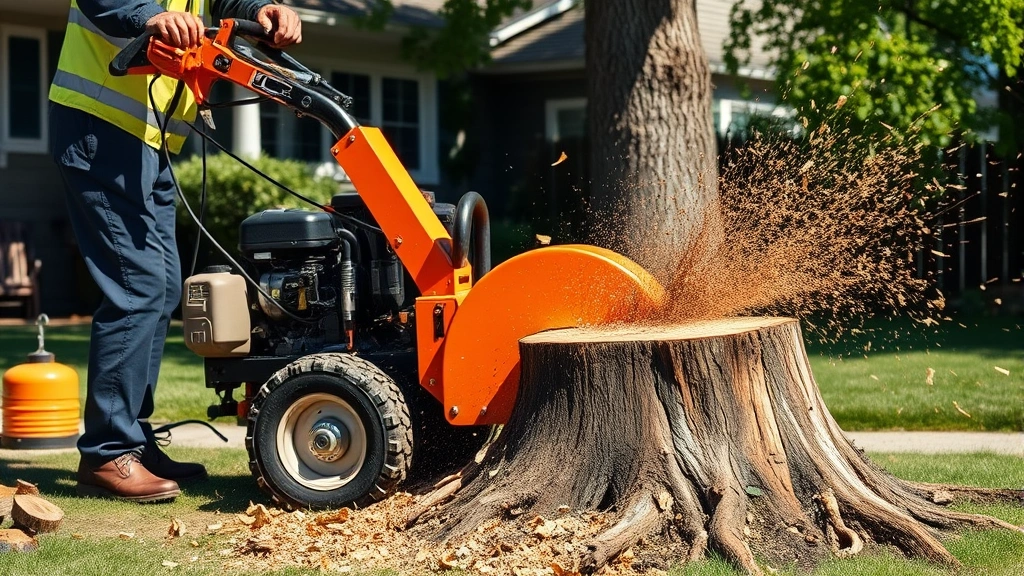
Buy Stump Grinder? Expert Recommendations for Equipment Investment
Purchasing a stump grinder represents a significant investment for landscaping professionals, property managers, and serious homeowners tackling extensive land clearing projects. Whether you’re operating a business for sale that includes landscaping services or expanding your equipment arsenal, understanding the nuances of stump grinder selection is essential. The market offers diverse options ranging from compact walk-behind models to heavy-duty self-propelled grinders, each designed for specific applications and budget considerations.
The stump grinding industry has evolved considerably over the past decade, with manufacturers introducing advanced features that improve safety, efficiency, and operator comfort. Before making a purchase decision, you need comprehensive knowledge about machine types, specifications, pricing structures, and vendor reliability. This guide provides expert recommendations based on current market analysis, industry standards, and consumer feedback to help you make an informed decision that aligns with your operational needs and financial parameters.
Types of Stump Grinders Available
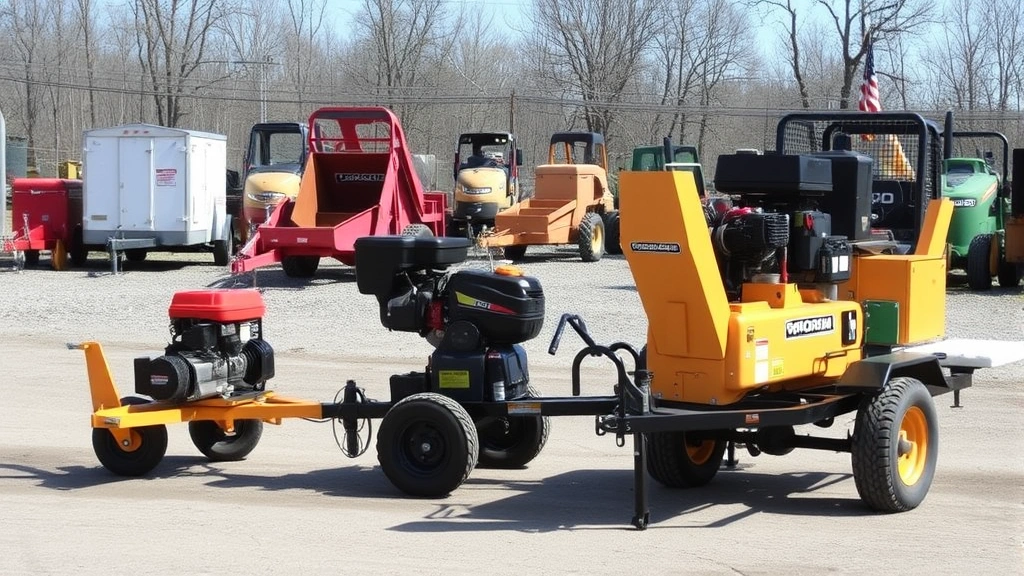
Stump grinders fall into three primary categories: walk-behind models, tow-behind grinders, and self-propelled units. Understanding each type’s strengths and limitations helps you identify which best serves your intended applications and work environment.
Walk-Behind Stump Grinders represent the entry-level option, ideal for homeowners and small contractors managing occasional stump removal projects. These compact machines typically feature grinding wheel diameters between 12 and 16 inches and weigh between 300 and 600 pounds. Their portability allows easy transport in pickup trucks, and they excel in tight spaces where larger equipment cannot access. However, their limited power and grinding capacity make them unsuitable for extensive commercial operations or large stumps excep 12 inches in diameter. Operating costs remain modest, and training requirements are minimal, making them accessible for first-time users.
Tow-Behind Stump Grinders bridge the gap between walk-behind and self-propelled models, offering enhanced power and capacity while maintaining reasonable portability. These machines mount on trailers or tow hitches behind pickup trucks or tractors, featuring grinding wheels between 20 and 28 inches. They handle stumps up to 24 inches in diameter effectively and deliver faster processing speeds than walk-behind alternatives. Tow-behind models require appropriate towing capacity and access to adequate parking or storage space, but they provide excellent value for contractors managing moderate project volumes.
Self-Propelled Stump Grinders represent the professional-grade solution for high-volume operations and demanding applications. These heavy-duty machines feature powerful engines, hydraulic systems, and grinding wheels exceeding 30 inches in diameter. Self-propelled grinders incorporate advanced features including remote-control operation, specialized cutting mechanisms, and enhanced safety systems. They command premium prices but deliver superior productivity, operator comfort, and capability for processing large stumps and extensive job sites. Professional landscaping companies and specialized stump removal contractors typically invest in self-propelled equipment to maximize efficiency and profitability.
Key Specifications to Evaluate
Selecting the right stump grinder requires careful analysis of critical specifications that directly impact performance, versatility, and operational efficiency. These parameters determine machine suitability for your specific applications and work conditions.
Engine Power represents the foundation of grinding performance, measured in horsepower or kilowatts. Entry-level models feature engines between 5 and 13 horsepower, while professional-grade grinders deliver 25 to 50+ horsepower. Higher power ratings enable faster grinding speeds, improved handling of hardwood species, and better performance on large diameter stumps. Consider your typical workload when evaluating engine specifications—oversized power adds unnecessary cost for occasional users, while undersized engines create bottlenecks for busy contractors. B2B sales channels often provide detailed performance comparisons across power ranges.
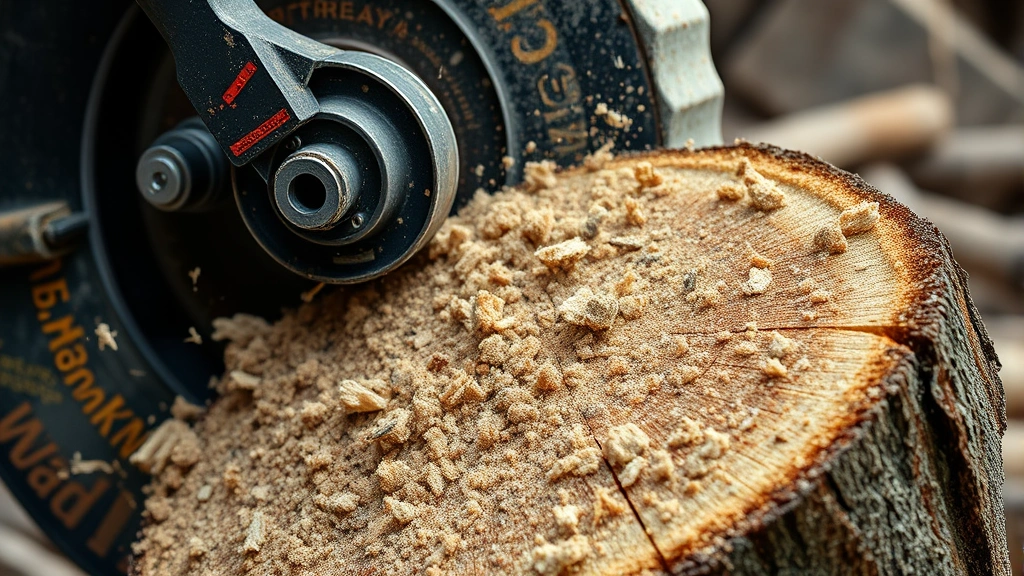
Grinding Wheel Diameter directly correlates with the maximum stump diameter the machine can process effectively. Standard models feature wheels between 12 and 16 inches, professional equipment ranges from 20 to 28 inches, and commercial-grade grinders offer 30+ inch wheels. Larger wheels accommodate bigger stumps and complete grinding tasks faster, but they increase equipment weight, complexity, and cost. Analyze your regional market—areas with mature trees and established properties may justify larger wheel investments, while newer developments with smaller landscaping may not require that capacity.
Cutting Depth and Width specifications indicate how deep below ground level the grinder can process and the width of material removed per pass. Typical cutting depths range from 12 to 24 inches below ground, while cutting widths vary from 10 to 20 inches depending on machine class. Deeper cutting capability eliminates roots more completely, reducing regrowth potential and improving final site appearance. Wider cutting widths accelerate the grinding process and reduce the number of passes required per stump.
Fuel Type and Efficiency impact operational costs and environmental considerations. Gasoline-powered grinders offer simplicity and widespread fuel availability but consume fuel at varying rates depending on engine size and grinding intensity. Diesel models deliver superior fuel economy and torque for professional applications. Newer models increasingly feature emissions-compliant engines that reduce environmental impact while maintaining performance standards. Calculate anticipated fuel consumption based on your typical project volume to accurately project operating expenses.
New vs. Used Equipment Considerations
The decision between purchasing new and used stump grinders involves balancing initial capital investment against reliability, warranty protection, and long-term operating costs. Both options offer distinct advantages depending on your financial situation and operational timeline.
New Equipment Advantages include comprehensive manufacturer warranties typically spanning 12 to 36 months, guaranteed reliability with minimal mechanical issues, and access to latest technology improvements. New machines feature advanced safety systems, improved ergonomics, and enhanced fuel efficiency compared to older models. Financing options are more readily available for new purchases, allowing you to spread costs across multiple years. New equipment qualifies for potential tax deductions and depreciation benefits in business applications. For contractors building business for sale operations, new equipment enhances company valuation and attractiveness to potential buyers.
Used Equipment Considerations offer significant cost savings, with quality used grinders available at 40 to 60 percent discounts compared to new models. Established brands maintain value well, and used professional-grade equipment often outperforms new entry-level models. Purchasing used allows you to upgrade equipment more frequently, accessing newer technology without substantial capital outlay. However, used equipment carries unknown maintenance history, limited or no warranty coverage, and potential repair costs. Thoroughly inspect any used machine, request maintenance records, and consider pre-purchase professional inspections to minimize risk. Local equipment dealers and certified refurbishment programs offer middle-ground solutions with partial warranties and verified mechanical condition.
Expert recommendation: new equipment suits contractors prioritizing reliability and warranty protection, while experienced operators comfortable with equipment maintenance may maximize value through selective used purchases from reputable sources.
Pricing and Budget Planning
Stump grinder pricing spans a wide range reflecting machine capacity, brand reputation, and market conditions. Understanding price tiers helps you align equipment investment with operational requirements and financial capacity.
Walk-Behind Models range from $2,000 to $6,000 for new equipment, making them accessible for homeowners and small contractors. Used walk-behind grinders typically cost $1,000 to $4,000 depending on condition and brand. Budget approximately $500 to $1,500 annually for maintenance, fuel, and minor repairs. These modest costs make walk-behind models suitable for seasonal or occasional users.
Tow-Behind Grinders command prices between $8,000 and $18,000 for new models, with used equipment available at $4,000 to $12,000. Annual operating costs typically range from $1,500 to $3,000 including fuel, maintenance, and wear items. This price category attracts contractors managing consistent project volumes who can justify equipment investment through steady revenue generation.
Self-Propelled Grinders represent significant capital investments ranging from $25,000 to $80,000 for new professional equipment. Premium brands and specialized models command even higher prices. Used self-propelled grinders typically cost $12,000 to $50,000 depending on age, hours of operation, and condition. Annual operating costs for commercial-grade equipment reach $3,000 to $6,000 or higher depending on utilization rates and maintenance requirements. Industry analysis from Construction Equipment Guide indicates that professional contractors typically achieve equipment cost recovery within 18 to 36 months of operation.
When budgeting for stump grinder purchase, factor in indirect costs including operator training, insurance coverage, storage facilities, transportation, and periodic maintenance. Many successful contractors allocate 15 to 20 percent of equipment purchase price annually for operating expenses and contingency repairs.
Top Manufacturers and Brands
Leading stump grinder manufacturers have established reputations through decades of innovation, reliability, and customer support. These brands dominate market share and offer comprehensive product lines across multiple equipment classes.
Vermeer Corporation ranks among the world’s largest stump grinder manufacturers, offering models from compact walk-behind units to heavy-duty self-propelled grinders. Vermeer equipment is recognized for durability, advanced engineering, and strong dealer networks providing parts and service support. Their SC series models serve both homeowner and professional markets with excellent reliability records and competitive pricing.
Barreto Manufacturing specializes in mid-range stump grinders combining affordability with solid performance. Their models appeal to contractors seeking value without sacrificing quality or capability. Barreto equipment features straightforward design promoting ease of maintenance and operator accessibility.
Rayco Manufacturing produces professional-grade grinders emphasizing power and efficiency for commercial operations. Rayco self-propelled models feature innovative hydraulic systems and precision engineering attracting high-volume contractors and specialized removal companies. Their equipment commands premium pricing reflecting advanced technology and proven performance.
Bandit Industries manufactures heavy-duty grinders and complementary land-clearing equipment serving professional contractors and rental operations. Bandit machines feature industrial-grade components and advanced safety systems suitable for demanding applications and extended operating hours.
Carlton offers diverse stump grinder options from entry-level to professional-grade equipment. Carlton models feature competitive pricing and reliable performance, with strong representation in rental markets and contractor fleets.
When evaluating brands, research rental market availability as a proxy for equipment popularity and reliability. Equipment widely available through rental agencies indicates strong market acceptance and proven durability.
Where to Buy Stump Grinders
Multiple purchasing channels offer stump grinders with varying advantages regarding price, selection, support, and convenience. Understanding available options helps you identify the most suitable acquisition source for your circumstances.
Authorized Equipment Dealers represent traditional purchasing channels offering new equipment with full manufacturer warranties and ongoing service support. Dealers provide expert consultation, equipment demonstration, operator training, and access to genuine replacement parts. They typically maintain used equipment inventory and can facilitate financing arrangements. While pricing may exceed online alternatives, dealer relationships provide long-term value through technical support and service accessibility. Local dealers understand regional conditions and can recommend equipment specifically suited to your area’s terrain and climate.
Online Equipment Retailers offer competitive pricing and convenient shopping experiences without geographic limitations. Reputable online sellers provide detailed specifications, customer reviews, and comparison tools facilitating informed decisions. However, online purchases require careful verification of seller credibility, warranty terms, and return policies. Shipping costs for heavy equipment can be substantial, and limited pre-purchase inspection opportunities increase risk. Reserve online purchasing for established retailers with strong reputations and transparent business practices.
Equipment Auction Platforms including IronPlanet and similar services provide access to used equipment from equipment dealers, rental companies, and commercial liquidations. Auction platforms offer competitive pricing but require careful inspection and bid strategy. Most platforms provide detailed equipment photos and maintenance records, and many offer buyer protection guarantees. Successful auction purchasing requires patience, market knowledge, and realistic expectations about equipment condition.
Local Equipment Rental Companies sometimes offer used rental equipment for sale when retiring fleet items. Rental company equipment typically features documented maintenance histories and known operating hours. These machines have been professionally maintained and inspected regularly, often representing excellent value. Rental company staff can provide detailed equipment history and performance insights.
Private Sellers and Classified Platforms offer direct purchasing opportunities often with negotiable pricing. Private sales require extensive due diligence including mechanical inspection, operational demonstration, and verification of ownership documentation. While potentially offering attractive prices, private sales lack buyer protections and warranty recourse available through commercial channels.
Rental vs. Purchase Decision Framework
Determining whether to purchase or rent stump grinding equipment requires analyzing project frequency, anticipated usage volumes, capital availability, and long-term business strategy. This decision framework helps you evaluate options systematically.
Rent if: You manage occasional stump removal projects (fewer than 10 annually), lack capital for equipment investment, operate from limited storage space, or prefer avoiding maintenance responsibilities. Rental costs for walk-behind grinders typically range from $40 to $75 daily, while larger equipment rents for $150 to $300 daily. For homeowners managing one or two stumps, rental represents the most economical solution. Contractors with irregular project flow may find rental flexibility preferable to equipment ownership costs and storage requirements.
Purchase if: You operate consistent stump removal services, manage regular landscaping projects requiring equipment access, anticipate usage exceeding 50 operating hours annually, or build commercial operations generating substantial revenue. Equipment ownership provides cost advantages for high-utilization scenarios and eliminates rental availability concerns. Contractors incorporating stump removal into broader landscaping services benefit from equipment ownership enabling flexible scheduling and improved profit margins.
Hybrid Approach: Many professional contractors maintain small walk-behind equipment for frequent small jobs while renting larger grinders for occasional major projects. This strategy balances investment minimization against operational flexibility, optimizing cost structure across diverse project types. E-commerce platforms increasingly facilitate equipment rental transactions, expanding access to diverse equipment options without ownership commitment.
Economic analysis: equipment typically achieves cost-neutral status (rental costs equal purchase and operating costs) after 100 to 150 operating hours. Projects exceeding this threshold justify purchase investment, while lower utilization scenarios favor rental arrangements.
Maintenance and Operating Costs
Stump grinder ownership extends beyond initial purchase price to encompass ongoing maintenance, repairs, fuel, and component replacement. Understanding these costs enables accurate financial planning and equipment lifecycle budgeting.
Routine Maintenance includes oil changes, filter replacements, spark plug servicing, and hydraulic fluid checks. Walk-behind models typically require 20 to 40 hours of maintenance annually, costing $300 to $600 in parts and labor. Professional-grade equipment demands more intensive maintenance, with annual service costs reaching $1,000 to $2,500. Establishing preventive maintenance schedules extends equipment lifespan and prevents costly emergency repairs during peak season operations.
Grinding Wheel Replacement represents the most significant consumable expense. Grinding wheels typically last 40 to 100 operating hours depending on material hardness, stump density, and operator technique. Replacement wheels cost $500 to $2,000 depending on machine class and wheel diameter. Professional contractors typically budget for wheel replacement every 2 to 4 months during active season. Using quality aftermarket wheels and developing efficient grinding techniques minimize replacement frequency and material costs.
Fuel Costs vary based on engine size and operational intensity. Walk-behind models consume approximately 1 to 2 gallons hourly, while larger grinders use 3 to 6 gallons per hour. At current fuel prices, hourly fuel costs range from $3 to $15 depending on equipment class. Fuel consumption efficiency improves with proper maintenance, appropriate engine loading, and operator technique development.
Repair and Component Replacement beyond routine maintenance includes belt replacement, bearing servicing, hydraulic system repairs, and engine overhauls. Annual repair budgets for professional equipment typically range from $1,500 to $3,000. Establishing relationships with qualified equipment technicians and maintaining detailed maintenance records help minimize repair costs and downtime.
Storage and Transportation costs include facility rental, insurance, maintenance of towing equipment, and transportation expenses. Professional contractors typically allocate $150 to $400 monthly for storage and facility costs depending on location and equipment volume.
Total cost of ownership analysis: a professional-grade self-propelled grinder costing $50,000 with $3,500 annual operating costs achieves cost neutrality (rental cost parity) after approximately 250 to 300 operating hours, or roughly 3 to 4 months of active use in busy markets. Contractors projecting higher utilization should prioritize equipment investment, while those with lower anticipated usage should carefully evaluate purchase necessity.
FAQ
What size stump grinder do I need for residential use?
Most homeowners benefit from walk-behind models with 12 to 16-inch grinding wheels suitable for stumps up to 12 inches in diameter. These compact machines handle typical residential projects while remaining affordable and easy to operate. Rental options provide excellent value for one-time projects.
How long does stump grinding take?
Processing time depends on stump diameter, wood density, and equipment power. Small stumps (under 6 inches) typically require 5 to 15 minutes, while larger stumps (12 to 24 inches) may need 30 to 60 minutes or longer. Professional-grade equipment processes stumps significantly faster than entry-level models.
Can I operate a stump grinder without training?
While walk-behind models feature straightforward operation, safety training is essential before operating any stump grinding equipment. Manufacturers provide operational guidelines, and most dealers offer basic training. Professional operation requires understanding safety protocols, equipment limitations, and proper technique to minimize injury risk and maximize efficiency.
What’s the difference between cutting stumps and grinding them?
Cutting removes stump material above ground, while grinding pulverizes the stump and root system below ground. Grinding provides more complete removal, preventing regrowth and eliminating underground hazards. Grinding requires specialized equipment but delivers superior long-term results.
How do I find stump grinders for sale near me?
Search local equipment dealers, check classified platforms like Craigslist and Facebook Marketplace, contact equipment rental companies about used inventory, and explore online retailers offering regional delivery. Dealer networks typically provide the broadest selection and professional support services.
Are used stump grinders reliable?
Quality used equipment from reputable sources offers excellent reliability, particularly models from established manufacturers with strong track records. Request maintenance records, verify operating hours, and consider professional pre-purchase inspections to minimize risk. Equipment from rental companies typically features documented maintenance and known operating history.
What’s the best stump grinder brand?
Vermeer, Rayco, and Bandit consistently rank among top manufacturers offering diverse models across price ranges. Brand selection should prioritize local dealer availability, warranty terms, and specific feature requirements for your applications rather than brand reputation alone.