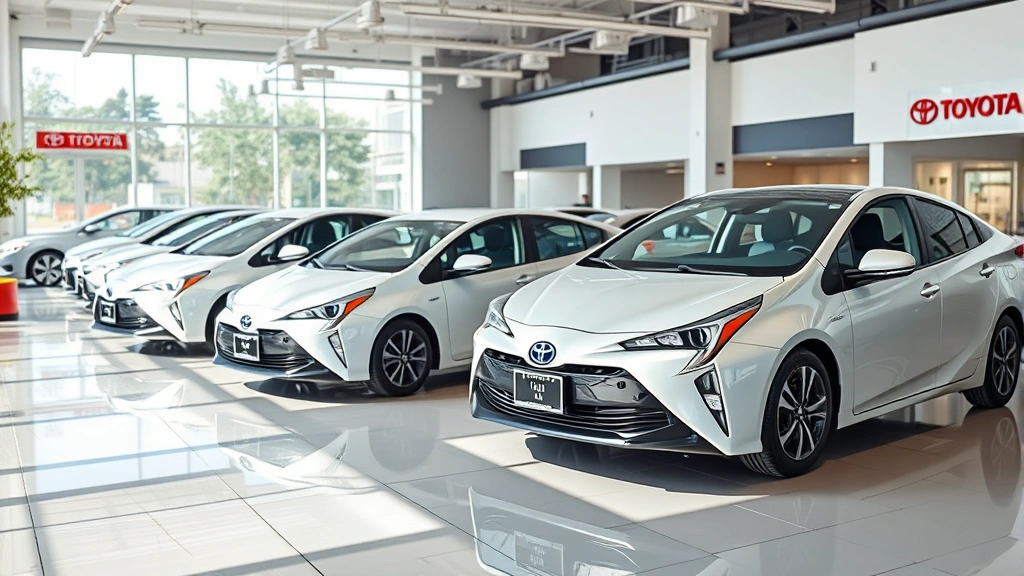
Best Deals on Prius for Sale? Market Insights and Buying Strategies
The Toyota Prius remains one of the most sought-after hybrid vehicles in the automotive market, balancing fuel efficiency, reliability, and environmental consciousness. Whether you’re searching for alternatives to traditional vehicles or specifically targeting a Prius, understanding the current market dynamics is essential for securing the best deal. The hybrid vehicle segment has experienced significant growth over the past five years, with the Prius accounting for a substantial portion of hybrid sales across North America.
Finding the best deals on a Prius requires more than casual browsing—it demands strategic market knowledge, timing awareness, and understanding pricing patterns across different sales channels. This comprehensive guide explores current market conditions, pricing trends, and actionable strategies to help you navigate the Prius marketplace effectively and make an informed purchase decision that aligns with your budget and needs.
Current Prius Market Overview
The Prius market has transformed significantly following recent economic fluctuations and shifts in consumer preferences toward sustainable transportation. According to Kelley Blue Book’s automotive analysis, hybrid vehicles now represent approximately 12-15% of the new vehicle market, with the Prius maintaining its position as the best-selling hybrid nameplate globally. The average price for a new Prius ranges from $28,000 to $42,000 depending on trim level and features, while used Prius models typically range from $12,000 to $35,000 based on year, mileage, and condition.
Supply chain normalization has improved vehicle availability compared to 2021-2023, creating more favorable conditions for buyers. However, certain model years and trim levels remain in high demand, particularly newer generations with advanced safety features and improved fuel economy ratings. The market for used Prius vehicles remains robust, with strong resale values reflecting the brand’s reputation for longevity and dependability. Understanding this landscape helps buyers identify genuine opportunities and avoid overpaying in segments where demand remains elevated.
Dealerships report that Prius inventory levels have stabilized, though premium trims still command higher premiums. Private sellers continue to offer competitive pricing, particularly for vehicles with higher mileage or older model years. The competitive nature of the current market means that informed buyers can leverage multiple channels to identify and negotiate better deals than those available just two years ago.

Pricing Trends and Historical Analysis
Historical pricing data reveals interesting patterns in the Prius market that directly impact deal-hunting strategies. The fifth-generation Prius (2023-present) launched at premium pricing due to significant redesigns, advanced hybrid technology, and improved styling. These newer models typically sell closer to manufacturer suggested retail prices, with limited room for negotiation during initial launch phases. However, as inventory builds throughout model years, pricing flexibility increases.
Used Prius values have demonstrated remarkable resilience, with depreciation curves more favorable than many traditional sedans. A 2019 Prius typically retains 55-65% of its original value after five years, compared to 45-55% for comparable non-hybrid vehicles. This strong resale value proposition means that purchasing a used Prius represents a sound financial decision beyond environmental considerations. Mileage remains a critical factor, with vehicles under 80,000 miles commanding significant premiums over higher-mileage examples.
According to Edmunds’ pricing research, Prius pricing follows predictable seasonal patterns. Spring and early summer typically see higher asking prices as demand peaks. Conversely, late fall and winter months offer better negotiating opportunities, with dealers motivated to clear aging inventory before year-end. Understanding these cyclical patterns allows strategic buyers to time purchases for maximum savings.
Generation transitions create exceptional opportunities for deal hunters. When Toyota introduced the fifth-generation Prius, fourth-generation inventory became highly discounted as dealers sought to clear stock. Similar patterns emerge whenever major redesigns occur, creating windows where buyers can access previous-generation technology at substantially reduced prices. Monitoring manufacturer announcements helps identify these transition periods.
Where to Find the Best Deals
Successful Prius hunting requires exploring multiple sales channels, each offering distinct advantages and deal potential. Traditional Toyota dealerships remain popular, particularly for certified pre-owned vehicles with warranty coverage. However, dealerships typically maintain higher margins, making them less optimal for pure price-conscious buyers. That said, dealership incentives, loyalty programs, and manufacturer rebates can offset higher sticker prices.
Online marketplaces like Autotrader, Cars.com, and Edmunds aggregate listings from both dealers and private sellers, enabling comprehensive market comparison. These platforms provide invaluable tools for price analysis, allowing buyers to identify outliers and genuinely competitive offerings. Setting up price alerts on these platforms ensures you’re notified when new Prius listings matching your criteria appear, giving you first-mover advantage in competitive markets.
Private sellers frequently offer the lowest absolute prices, though transactions require additional diligence regarding vehicle history, mechanical condition, and title clarity. Platforms like Facebook Marketplace and Craigslist connect buyers directly with private sellers, eliminating dealer markup. However, purchasing from private parties requires comprehensive pre-purchase inspections, ideally conducted by independent mechanics unfamiliar with the seller. This investment typically costs $100-$200 but provides critical protection against hidden mechanical issues.
Certified pre-owned (CPO) programs represent a middle ground, offering private-party-like pricing with dealership-backed warranties and inspections. Toyota’s CPO program includes extended warranty coverage, roadside assistance, and certified vehicle status, adding value beyond the base purchase price. While CPO vehicles command premiums over non-certified used examples, the peace of mind and warranty protection often justify the additional cost.
Auction sites and fleet vehicle liquidators offer additional opportunities for motivated buyers. Government and corporate fleet vehicles often appear at auctions with documented maintenance histories and predictable usage patterns. These vehicles typically represent better values than retail listings, though auction participation requires understanding bidding dynamics and having funds available immediately post-purchase.
Exploring B2B sales channels and commercial vehicle liquidation platforms occasionally yields Prius opportunities, particularly vehicles retired from corporate fleets or rideshare services. While these vehicles may carry higher mileage, documented maintenance and fleet management practices often mean they’ve received superior care compared to privately-owned examples.
Model Year Considerations
Different Prius generations offer distinct value propositions that dramatically impact deal quality. The fourth-generation Prius (2016-2023) represents the best current value for used buyers seeking modern technology at reasonable prices. These vehicles offer significantly improved fuel economy compared to third-generation models, incorporating Toyota’s latest safety features and infotainment systems. Fourth-generation pricing has stabilized, with 2019-2021 models offering excellent value as newer inventory pushes them down the depreciation curve.
The fifth-generation Prius (2023-present) features revolutionary styling, improved hybrid efficiency (up to 57 mpg combined), and advanced safety technology. However, limited used inventory and recent launch means finding deals on fifth-generation models remains challenging. New fifth-generation pricing remains firm, though lease returns will eventually create better used market opportunities. Waiting 12-18 months for increased used inventory may yield better deals than purchasing now.
Third-generation Prius models (2010-2015) offer entry-level pricing, with quality examples available under $15,000. While these vehicles lack modern infotainment and some safety features, their proven reliability and strong hybrid powertrains mean many still deliver 40+ mpg fuel economy. These models appeal to budget-conscious buyers prioritizing fuel efficiency over technological sophistication. However, battery condition becomes increasingly important, as original hybrid batteries may require replacement in higher-mileage examples.
The second-generation Prius (2004-2009) represents the deepest value opportunity but carries higher mechanical risk. Original hybrid battery degradation affects many of these vehicles, with replacement costs ranging from $2,500 to $5,000. Unless purchasing at significantly reduced prices and factoring replacement battery costs into the equation, these older models offer questionable value propositions despite their legendary reliability reputation.
Plug-in Prius Prime models (available since 2012, redesigned 2023) command premiums due to electric-only driving capability for short commutes. These vehicles justify higher prices for buyers with reliable daily charging access, as electric-only driving reduces fuel consumption and operating costs. However, for buyers without charging infrastructure, the plug-in premium offers limited financial benefit.
Timing Your Purchase
Strategic timing significantly impacts deal availability and negotiation leverage. End-of-month purchasing typically offers advantages, as sales representatives face monthly quotas and managers seek inventory turnover. Dealers frequently authorize additional discounts during final days of months, particularly for vehicles that haven’t sold quickly. Similarly, end-of-quarter (March, June, September, December) incentivizes aggressive pricing as dealerships report quarterly performance metrics.
Seasonal patterns strongly influence Prius pricing. Summer months see peak demand for fuel-efficient vehicles as gas prices rise and consumers prepare for vacation driving. This demand supports higher pricing and reduces dealer flexibility. Conversely, winter months experience reduced demand for new vehicles generally, creating buyer-favorable conditions. Late November through January typically offers the most aggressive pricing and negotiating opportunities.
Model year transitions create exceptional opportunities. When Toyota announces and launches new Prius generations, previous-generation inventory becomes increasingly pressured. Dealers discount aging stock to clear showroom space and reduce carrying costs. Monitoring Toyota’s announcement calendar identifies upcoming transition periods, allowing proactive shopping before new models officially arrive.
Economic indicators influence market timing. Rising interest rates increase monthly payment costs, reducing buyer purchasing power and creating opportunities for negotiation. Conversely, declining rates stimulate demand and reduce dealer motivation to discount. Monitoring Federal Reserve policy and lending rate trends helps identify periods when buyer leverage increases relative to dealer leverage.
Personal circumstances and urgency matter significantly. Buyers with flexible timelines should avoid purchases during peak-demand periods and utilize waiting periods to research, build credit, and accumulate down payment funds. Conversely, those facing genuine urgency should focus on comprehensive research and negotiation preparation rather than timing optimization, as perfect timing rarely compensates for poor negotiation or inadequate due diligence.
Negotiation Strategies
Successful Prius negotiations begin with comprehensive market research. Documenting comparable listings, pricing ranges, and recent sales establishes objective benchmarks for your negotiations. Tools like NADA Guides and Kelley Blue Book valuations provide data-backed pricing guidance that strengthens your negotiating position. Arriving at negotiations armed with specific comparable sales data signals serious intent and discourages inflated opening offers.
Pre-purchase inspections provide powerful negotiation leverage, particularly for used Prius vehicles. Mechanical issues discovered during inspections justify price reductions or seller-funded repairs. Even absent mechanical problems, inspection reports demonstrate buyer seriousness and establish documented condition baselines. Presenting inspection findings to sellers or dealers creates objective justification for price adjustments rather than subjective haggling.
Understanding dealer cost structures improves negotiation outcomes. Dealers typically achieve 10-15% margins on used vehicle sales, meaning they maintain flexibility within that range. Researching market reports and dealer incentive programs identifies manufacturer-backed discounts and rebates that can be leveraged during negotiations. Knowing available incentives prevents dealers from pocketing manufacturer support that could reduce your final price.
Negotiation sequencing matters significantly. Address price first, establishing the vehicle’s base cost before discussing trade-in value, financing, warranties, or add-ons. Dealers often obscure pricing through complex trade-in and financing arrangements—maintaining focus on the core vehicle price prevents this confusion. Once the vehicle price is settled, negotiate other elements from a position of established baseline pricing.
Multiple competing offers create powerful negotiating leverage. Obtaining quotes from several dealers, private sellers, or online marketplaces demonstrates the competitive landscape and justifies lower offers. Presenting dealers with competing offers motivates them to improve their positions to secure the sale. However, ensure competing offers are genuinely comparable regarding vehicle condition, mileage, and included services before using them as negotiating tools.
Walking away represents the ultimate negotiating power. Dealers recognize that buyers with alternative options hold leverage. Demonstrating willingness to purchase elsewhere if terms prove unacceptable forces dealers to make genuine concessions. This approach requires discipline and genuine alternatives but consistently produces better outcomes than appearing desperate or committed to a specific vehicle.
Financing Options and Incentives
Financing decisions dramatically impact total ownership costs and should receive equal consideration to purchase price negotiations. Traditional dealer financing offers convenience but frequently carries higher interest rates than external lending sources. Obtaining pre-approval from banks or credit unions before dealer visits establishes your actual borrowing capacity and interest rate, enabling you to evaluate dealer financing offers objectively.
Toyota Financial Services offers manufacturer-backed financing, frequently featuring competitive rates and incentive programs unavailable through other lenders. Current incentive programs vary by region and model year but may include cash rebates, low-interest financing, or lease specials. Researching available incentives before negotiations ensures you don’t miss opportunities to reduce effective purchase prices.
Manufacturer rebates and incentives directly reduce purchase prices and should be maximized. Some incentives apply to all buyers, while others target specific demographics (recent college graduates, military personnel, first-time buyers). Documenting qualifying status before negotiations ensures these incentives are properly applied. Toyota’s website and dealer materials specify current incentive programs and eligibility requirements.
Lease-to-purchase programs offer alternatives for buyers uncertain about long-term vehicle commitment. Leasing new Prius models provides warranty coverage, predictable costs, and flexibility. However, lease-to-purchase arrangements typically involve higher total costs than outright purchases for drivers with moderate mileage expectations. Evaluating your driving patterns, maintenance comfort level, and long-term vehicle plans determines whether leasing or purchasing makes financial sense.
Trade-in valuations significantly impact effective purchase prices. Researching your current vehicle’s value through Kelley Blue Book, NADA Guides, and local dealer quotes establishes fair trade-in expectations. Many dealers undervalue trade-ins to create additional profit opportunities—obtaining independent valuations prevents this practice. Additionally, exploring private sale of your current vehicle often yields higher proceeds than trade-in allowances, though private sales require additional time and effort.
Extended warranty and service contracts merit careful evaluation. While dealership-recommended warranties offer peace of mind, their costs often exceed the value of covered services for well-maintained vehicles. Researching typical maintenance costs for your target Prius generation and mileage range helps determine whether extended coverage justifies its expense. For newer vehicles with manufacturer warranties, extended coverage frequently proves unnecessary.
Maximizing Value Beyond Purchase Price
Securing the best deal extends beyond negotiating the lowest purchase price. Total cost of ownership encompasses fuel costs, maintenance, insurance, registration, and potential repairs. Prius vehicles excel in fuel economy, reducing operational costs compared to traditional sedans and SUVs commonly available for sale. A Prius achieving 50+ mpg versus a 25 mpg sedan saves approximately $1,500 annually in fuel costs at current prices, justifying higher purchase prices over vehicle lifespans.
Maintenance costs for Prius vehicles remain modest due to Toyota’s reliability reputation and simplified hybrid systems. Brake wear decreases substantially due to regenerative braking, and maintenance schedules align with traditional vehicles. Researching model-specific maintenance costs and reliability ratings confirms that Prius ownership maintains favorable economics throughout ownership periods.
Insurance costs vary based on age, trim level, and driving record but generally remain competitive with comparable sedans. Obtaining insurance quotes before purchase ensures no surprises regarding total ownership costs. Some insurers offer discounts for hybrid vehicle ownership or safety features included in newer models, further reducing effective ownership costs.
Registration and tax considerations vary by location but may favor hybrid vehicles in certain jurisdictions. Some states offer reduced registration fees for hybrid or electric vehicles, and federal tax credits apply to certain new or used Prius models meeting specific criteria. Researching your location’s incentive programs identifies additional savings opportunities that effectively reduce purchase prices.
Resale value planning influences long-term economics. Prius vehicles maintain strong resale values, meaning purchase prices effectively amortize over shorter periods than traditional vehicles. Calculating residual values after your intended ownership period reveals true ownership costs and informs whether purchasing versus leasing makes financial sense for your circumstances.
Common Pitfalls to Avoid
Successful Prius purchasing requires understanding common mistakes that undermine deal quality. Purchasing without pre-purchase inspections represents the most costly error, particularly for used vehicles. Mechanical issues discovered post-purchase become seller’s responsibility, whereas pre-purchase inspections identify problems before purchase, enabling negotiation adjustments or deal termination.
Overlooking vehicle history reports prevents discovery of critical information regarding accidents, salvage titles, flood damage, or odometer discrepancies. CARFAX and AutoCheck reports cost $20-$40 but provide essential protection against hidden problems. Never purchase without reviewing complete vehicle history, particularly for used examples from unknown sellers.
Focusing exclusively on monthly payments rather than total purchase prices often results in extended loan terms that increase total interest costs. Dealers frequently structure financing to reach target monthly payments rather than minimizing total costs. Maintaining focus on the vehicle’s actual purchase price prevents this trap.
Failing to negotiate trade-in values separately from purchase prices allows dealers to manipulate both figures, obscuring true savings. Establishing separate baselines for vehicle purchase price and trade-in value prevents this confusion. Only after settling both figures should you evaluate overall transaction economics.
Purchasing extended warranties without understanding coverage details and your actual needs frequently results in unnecessary expenses. Reading warranty terms, understanding exclusions, and comparing costs against typical repair expenses for your target vehicle ensures informed decisions. Many extended warranties prove unnecessary given modern vehicle reliability and manufacturer coverage.
Ignoring fuel economy differences between trim levels and model years overlooks substantial operational cost differences. Comparing EPA fuel economy ratings across options reveals long-term savings potential. A trim level achieving 52 mpg versus 48 mpg generates approximately $300 annual fuel savings, justifying modest price premiums for efficient variants.