Make Olive Garden Salad at Home: Chef’s Secret Recipe Revealed
The unlimited salad at Olive Garden has become legendary among restaurant enthusiasts, drawing millions of customers annually who return specifically for this iconic side dish. For decades, home cooks have attempted to recreate the exact taste and texture of this beloved salad, often falling short due to missing ingredient ratios and preparation techniques. Understanding the secrets behind this restaurant favorite requires examining ingredient quality, dressing formulation, and the specific preparation methods that make the difference between an ordinary salad and the Olive Garden experience.
The allure of Olive Garden’s salad extends beyond simple greens and vegetables. The combination of crisp romaine lettuce, perfectly balanced Italian dressing, and a unique blend of toppings creates a culinary experience that restaurants have protected carefully. However, through careful analysis of ingredient lists, customer feedback, and culinary experimentation, we’ve compiled a comprehensive guide to recreating this salad in your own kitchen. This article will walk you through every step, ingredient, and technique needed to achieve restaurant-quality results.
Understanding the Core Ingredients
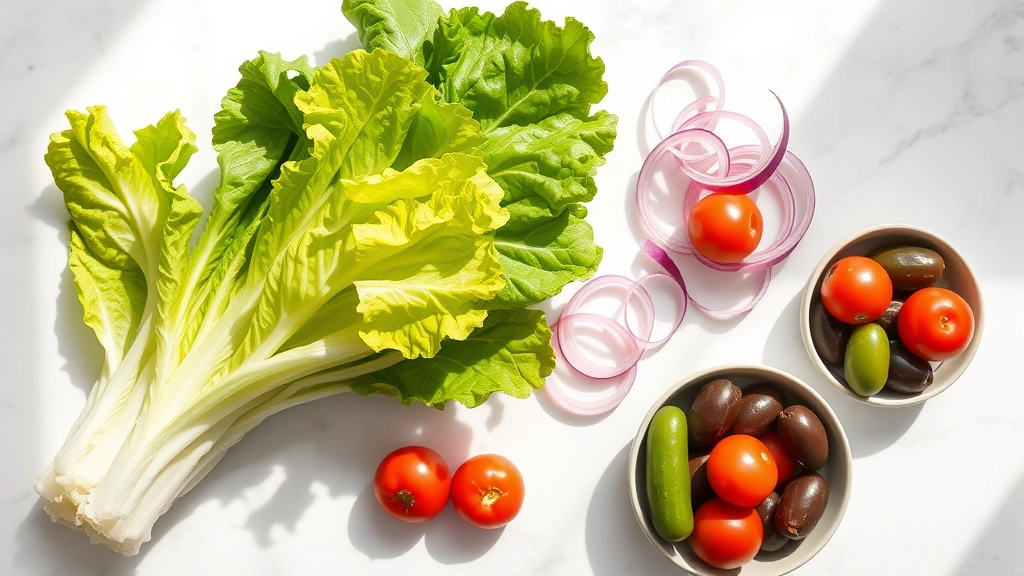
The foundation of any successful Olive Garden salad recreation starts with selecting the highest quality ingredients available. Unlike many casual dining establishments that prioritize cost efficiency, understanding ingredient selection is crucial for replicating the premium taste. Romaine lettuce forms the base, and not just any romaine will work—you need fresh, crisp heads that haven’t been sitting in the produce section for weeks.
When shopping for ingredients, focus on organic options when possible, as they typically have superior flavor profiles and texture. The lettuce should be a vibrant green color with no brown spots or wilting. Many home cooks make the mistake of using pre-bagged salad mixes, which contain preservatives and lack the crisp texture of freshly cut romaine. The difference between pre-packaged and fresh-cut lettuce is immediately noticeable in the final dish.
Beyond lettuce, the salad includes red onions, cucumbers, tomatoes, and black olives. Each ingredient requires specific selection criteria. Red onions should be firm and unblemished, while cucumbers need to have thin skin and minimal seeds. Cherry tomatoes work better than large slicing tomatoes because they maintain their shape and provide consistent flavor distribution throughout the salad. Black olives should be pitted kalamata or similar varieties, not the canned cocktail olives commonly used in budget-conscious establishments.
The croutons deserve special attention, as they contribute significant textural contrast. Rather than purchasing pre-made croutons loaded with preservatives, making your own ensures optimal freshness and flavor. Olive Garden uses seasoned croutons with a specific garlic and Italian herb blend that creates distinctive flavor notes.
The Famous Olive Garden Salad Dressing Recipe
The dressing represents the true secret to replicating Olive Garden’s salad experience. This creamy Italian dressing balances vinegar acidity with smooth, rich components that coat the greens perfectly. The dressing formula requires precision, as small deviations in ratios significantly impact the final result.
Core Dressing Ingredients:
- 1 cup vegetable or canola oil
- ¼ cup white vinegar
- 3 tablespoons mayonnaise
- 2 tablespoons water
- 1 tablespoon lemon juice
- 2 teaspoons sugar
- 1 teaspoon salt
- ½ teaspoon black pepper
- ½ teaspoon garlic powder
- ½ teaspoon onion powder
- ½ teaspoon dried oregano
- ¼ teaspoon dried basil
- ¼ teaspoon dried thyme
- ¼ teaspoon red pepper flakes
- Pinch of xanthan gum (optional, for creamier texture)
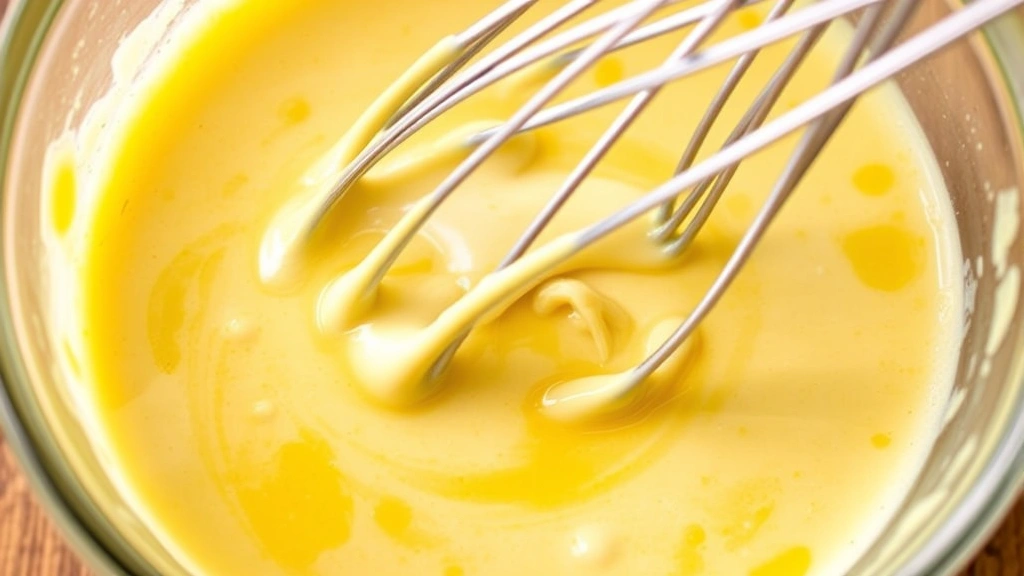
The preparation method matters enormously. Begin by whisking together the mayonnaise, water, and vinegar until completely emulsified. This creates a stable base that will accept the oil without breaking. Gradually add the oil while continuously whisking, incorporating it slowly to maintain emulsion. This patient approach prevents the dressing from separating into oil and water components.
Once the oil is fully incorporated, add all dry seasonings and the lemon juice. Whisk thoroughly for at least two minutes to ensure even distribution. The xanthan gum, if using, should be added last and whisked vigorously for 30 seconds to create the slightly thickened consistency that characterizes restaurant-quality dressing. Store in a glass container in the refrigerator for up to two weeks.
Many home cooks struggle with dressing consistency. If your dressing is too thin, add more mayonnaise in half-teaspoon increments. If it’s too thick, add water one tablespoon at a time. The dressing should coat a spoon lightly when you dip it in, not pour off immediately like vinaigrette, but not sit in thick globs either.
Preparing Your Greens and Vegetables
Proper vegetable preparation ensures maximum crispness and flavor. This step separates successful home recreations from disappointing attempts. Start by washing your romaine lettuce thoroughly under cold running water, removing any dirt particles. Dry completely using a salad spinner or paper towels—excess moisture dilutes the dressing and creates a soggy salad.
Once dried, cut the romaine into bite-sized pieces, approximately two inches long. Avoid tearing by hand, as this bruises the lettuce and causes faster wilting. A sharp knife creates cleaner cuts that maintain crispness longer. Place prepared lettuce in a large bowl and refrigerate until ready to assemble.
For red onions, slice thinly using a mandoline or sharp knife. Soak the slices in ice water for 15 minutes to reduce their harsh bite and increase crispness. Drain thoroughly before adding to the salad. This technique is crucial because raw onions can overpower the delicate balance of other flavors.
Cucumber preparation requires removing excess seeds and moisture. Cut cucumbers lengthwise, scoop out the seed center with a spoon, then slice into half-moons. This prevents the salad from becoming watery as the cucumber releases its liquid during sitting.
Tomatoes should be halved or quartered, depending on their size. Remove excess gel and seeds before adding to prevent moisture accumulation. Cherry tomatoes can remain whole or halved. Black olives should be pitted if using whole varieties, as customers find pits unpleasant and unprofessional.
Homemade Crouton Recipe: Cut day-old Italian bread into half-inch cubes. Toss with olive oil, minced garlic, dried oregano, salt, and pepper. Spread on a baking sheet and bake at 350°F for 12-15 minutes, stirring halfway through, until golden brown and crispy. This step creates authentic restaurant-quality croutons that remain crunchy even after dressing application.
Assembly and Serving Techniques
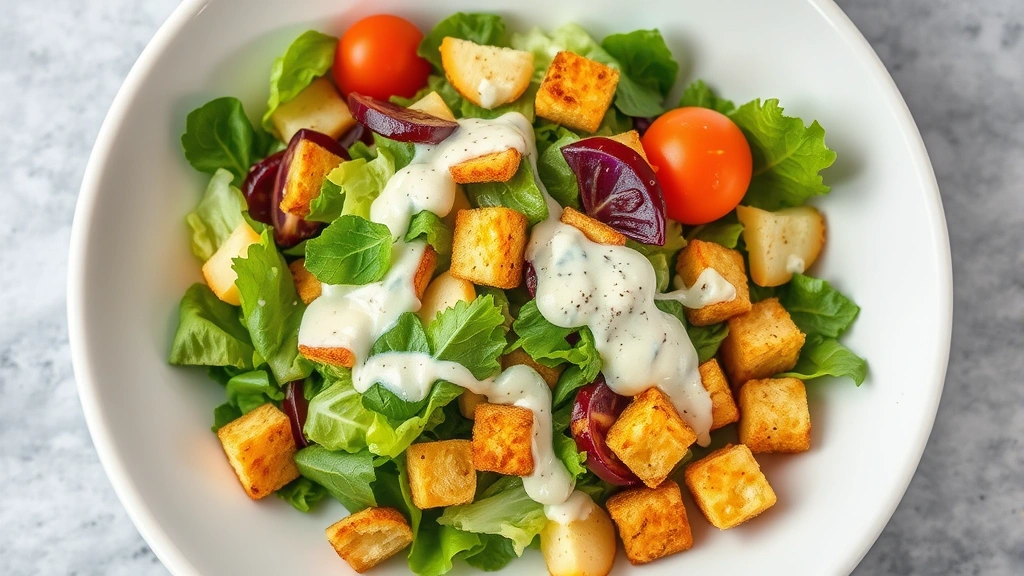
The moment of assembly is critical and should happen as close to serving time as possible. Place your prepared romaine in a large serving bowl or individual plates. Add red onions, cucumbers, tomatoes, and olives in even distribution. The key is ensuring each bite contains a balanced combination of ingredients rather than creating pockets of single vegetables.
Dressing application requires restraint. Use approximately two tablespoons per person for a standard serving, tossing gently to coat all components evenly. Over-dressing creates a soggy salad, while under-dressing leaves some greens dry. Toss using two large spoons or salad servers, lifting from the bottom to ensure even distribution.
Add croutons immediately before serving. If croutons sit in dressing, they soften and lose their textural appeal. This final addition preserves the satisfying crunch that distinguishes quality salads. Some prefer croutons on the side to maintain complete control over texture throughout their meal.
Temperature matters significantly. Serve salad on chilled plates that have been refrigerated for at least 30 minutes. Cold plates maintain the salad’s temperature and prevent premature wilting. This attention to detail reflects the care that fine dining establishments employ.
Scaling Your Recipe for Gatherings
When preparing salad for multiple guests, organization and timing become essential. For six to eight people, multiply all ingredient quantities by the number of servings needed. Prepare all vegetables in advance, storing each component in separate airtight containers in the refrigerator. This allows last-minute assembly without stress.
For larger gatherings, consider preparing individual salads rather than one large communal bowl. This approach provides portion control and allows guests to customize their salads with varying dressing amounts. When hosting yard sales or neighborhood events, offering homemade salad demonstrates hospitality and provides a healthy alternative to typical gathering food.
Keep dressing in a separate pitcher or bowl, allowing guests to add their preferred amount. This prevents over-dressing and accommodates those with dietary preferences. Label all components clearly, noting any potential allergens for guests with sensitivities.
Timing coordination ensures everything reaches the table simultaneously at peak freshness. Assemble greens 30 minutes before serving, add dressing five minutes before service, and add croutons at the very last moment. This careful timing maintains the textural contrasts that define excellent salads.
Storage and Make-Ahead Tips
Proper storage extends the usability of your salad components throughout the week. Washed and dried romaine lettuce stores in an airtight container for up to five days. Pre-cut vegetables should be stored separately in containers with paper towels to absorb excess moisture, extending their freshness to 3-4 days.
The dressing remains fresh for two weeks when stored in a glass jar with a tight-fitting lid. Shake vigorously before each use, as ingredients naturally separate over time. This stability makes dressing an excellent make-ahead component for busy weeks.
Croutons stored in an airtight container maintain their crispness for one week. Avoid storing croutons in the refrigerator, as moisture reduces crunchiness. Room temperature storage in a sealed container provides optimal results. If croutons soften, briefly reheat in a 300°F oven for five minutes to restore crispness.
Never dress the entire salad in advance unless you plan to serve it within 30 minutes. The combination of greens and dressing creates a chemical reaction that softens lettuce and compromises texture. Instead, maintain separate components and assemble individual portions as needed. This approach works particularly well when hosting gatherings at your newly purchased home.
For meal preparation, create salad kits by layering components in clear containers: dressing on the bottom, hardy vegetables (cucumbers, onions) next, followed by lettuce, and croutons stored separately. This layering prevents sogginess and maintains optimal freshness for up to three days.
Professional chefs recommend investing in quality glass storage containers rather than plastic, as glass maintains freshness longer and doesn’t retain odors or stains. Clear containers allow you to quickly assess ingredient freshness without opening multiple containers.
Understanding food safety is crucial when preparing salads in advance. Keep all components at 40°F or below to prevent bacterial growth. When transporting salad to events, use insulated containers with ice packs to maintain proper temperature. This becomes particularly important when hosting corporate gatherings or business events.
FAQ
Can I use iceberg lettuce instead of romaine?
While iceberg lettuce is more budget-friendly, it lacks the flavor and nutritional profile of romaine. Iceberg is approximately 95% water and provides minimal taste, whereas romaine offers a slightly sweet, earthy flavor that complements the dressing. For authentic replication, romaine is non-negotiable. However, mixing 75% romaine with 25% iceberg for additional volume works acceptably if budget constraints exist.
What makes the Olive Garden dressing different from standard Italian dressing?
The signature element is the mayonnaise component, which creates a creamy texture distinct from traditional vinaigrette-based Italian dressings. Most store-bought Italian dressings are oil-and-vinegar based, lacking the richness that mayonnaise provides. Additionally, the specific herb blend—particularly the combination of oregano, basil, and thyme—creates flavor notes that distinguish Olive Garden’s version from generic alternatives.
How far in advance can I make the dressing?
The dressing can be prepared up to two weeks in advance when stored in an airtight glass container in the refrigerator. The emulsified components remain stable, and flavors actually improve as ingredients meld together over time. Shake thoroughly before each use to recombine any separated components. If the dressing appears too thick after refrigeration, whisk in water one tablespoon at a time until reaching desired consistency.
Why does my salad become soggy?
Sogginess results from several factors: excess moisture on vegetables, dressing applied too far in advance, or over-dressing. Ensure vegetables are thoroughly dried after washing. Apply dressing no more than five minutes before serving. Use appropriate dressing quantities—roughly two tablespoons per serving. Store all components separately until final assembly for maximum crispness.
Can I make this salad dairy-free?
Yes, substitute the mayonnaise with dairy-free mayo, available at most grocery stores. The dressing will taste slightly different, as dairy-free alternatives have different flavor profiles, but will still provide acceptable results. Use one-quarter cup of dairy-free mayo to maintain appropriate ratios. Ensure all other ingredients are dairy-free, including croutons if guests have dairy sensitivities.
What vegetables can I substitute or add?
The core components—romaine, red onions, cucumbers, tomatoes, and olives—create the authentic profile. However, additions like bell peppers, mushrooms, or artichoke hearts complement the salad without compromising authenticity. Avoid heavy additions like beans or grains, which significantly alter the salad’s character. Keep additions to vegetables that maintain freshness and crispness when raw.
How do I prevent the dressing from separating?
Separation occurs when oil and water components don’t properly emulsify. Ensure you whisk the mayonnaise and water together thoroughly before gradually adding oil. If separation occurs, start with a fresh bowl, add one tablespoon of mayonnaise, and slowly whisk in the separated dressing while whisking continuously. The xanthan gum optional ingredient also helps prevent separation by creating a more stable emulsion.
Can I use this dressing on other salads?
Absolutely. This creamy Italian dressing complements virtually any fresh salad combination. Use it on Mediterranean salads with feta cheese, on simple green salads with grilled chicken, or as a dipping sauce for vegetables. The dressing’s versatility makes it an excellent staple for your kitchen, useful far beyond recreating the Olive Garden experience.