Ninja 400 for Sale: Complete Buyer’s Guide to Finding Your Perfect Motorcycle
The Kawasaki Ninja 400 represents one of the most accessible entry points into sport bike ownership, combining aggressive styling with manageable performance and affordability. Whether you’re a first-time motorcycle buyer or an experienced rider looking for a nimble commuter, understanding the Ninja 400 market is essential to making an informed purchase decision. This comprehensive guide explores everything you need to know about finding a Ninja 400 for sale, evaluating options, and securing the best deal.
The Ninja 400’s popularity stems from its perfect balance of features: lightweight construction, fuel efficiency, and that coveted sport bike aesthetic that appeals to riders across all experience levels. With prices typically ranging from $3,500 to $6,000 depending on model year and condition, the Ninja 400 offers exceptional value in the beginner-to-intermediate motorcycle segment. Understanding market dynamics, pricing trends, and evaluation criteria will help you navigate the purchasing process with confidence.

Understanding the Ninja 400 Market
The motorcycle market has experienced significant shifts over the past decade, with entry-level sport bikes like the Ninja 400 becoming increasingly attractive to new riders. Market research from Statista’s motorcycle industry reports indicates that beginner-friendly models represent nearly 35% of all sport bike sales in North America. This demand directly impacts inventory levels, pricing, and availability when you’re searching for a Ninja 400 for sale.
Kawasaki’s Ninja 400 has maintained consistent production since 2018, creating a healthy secondary market with multiple model years available. The most commonly available models include the 2018-2024 generations, each with minor refinements and styling updates. Understanding which generation best suits your needs will help narrow your search significantly. Older models (2018-2020) tend to be more affordable but may have higher mileage, while newer models command premium prices but offer the latest features and warranty possibilities.
Seasonal fluctuations significantly impact Ninja 400 availability and pricing. Spring and early summer represent peak buying season, when prices trend upward and inventory becomes more competitive. Fall and winter months typically offer better deals, as casual riders store their bikes and serious buyers reduce their search efforts. If flexibility with timing exists in your purchase schedule, shopping during off-season months could yield substantial savings—sometimes 5-15% below peak season pricing.
Where to Find Ninja 400 Models
Finding the right Ninja 400 for sale requires knowledge of multiple marketplace channels, each offering distinct advantages and challenges. The most productive approach combines several sources to maximize selection and comparison opportunities. Similar to how Ford F-150 buyers explore multiple channels, motorcycle shoppers benefit from a diversified search strategy.
Authorized Kawasaki Dealerships: Dealer inventory provides certified pre-owned Ninja 400 models with documented service history, warranty options, and professional inspection guarantees. Dealers typically mark up prices 10-20% above private party sales, but the added security and convenience justify the premium for many buyers. Most dealerships offer financing options and trade-in programs that simplify the purchasing process.
Online Marketplaces: Platforms like Facebook Marketplace, Craigslist, and OfferUp host thousands of private Ninja 400 listings updated daily. These platforms offer lower prices than dealerships but require more due diligence regarding seller verification and bike inspection. Always conduct video calls, request detailed photos from multiple angles, and meet sellers in public locations.
Specialized Motorcycle Platforms: CycleTrader.com and similar motorcycle-specific marketplaces cater exclusively to bike buyers and sellers, offering detailed listing information, pricing analytics, and buyer protection features. These platforms attract serious buyers and sellers, reducing scam risks compared to general marketplaces. Subscription features provide market trend data and price history analysis.
Auction Sites: Government auctions, insurance salvage auctions, and police auctions occasionally feature Ninja 400 models at significant discounts. Websites like Copart and IAA provide access to these opportunities, though buyers should inspect bikes in person and understand salvage title implications before bidding.
Evaluating Price and Value
Establishing realistic pricing expectations requires understanding market comparables and condition variables. The Kelley Blue Book motorcycle value guide provides baseline pricing for different Ninja 400 model years and mileage ranges. Using these resources as reference points helps identify overpriced listings and exceptional opportunities.
Several factors directly influence Ninja 400 pricing beyond model year and mileage. Accident history significantly reduces value—even repaired bikes with clean titles command 20-30% discounts compared to accident-free examples. Service records documenting regular maintenance increase buyer confidence and justify premium pricing. Aftermarket modifications present a mixed value proposition: popular upgrades like exhaust systems or suspension enhancements appeal to enthusiast buyers, while extensive modifications may deter mainstream purchasers.
Geographic location impacts pricing substantially. Urban markets typically show higher prices due to increased demand and higher cost of living. Rural and less populated areas often feature lower prices, though inventory selection diminishes. When shopping across regions, factor in transportation costs if purchasing from distant sellers. A bike listed $500 cheaper in another state may cost $300-400 to transport, reducing the effective savings.
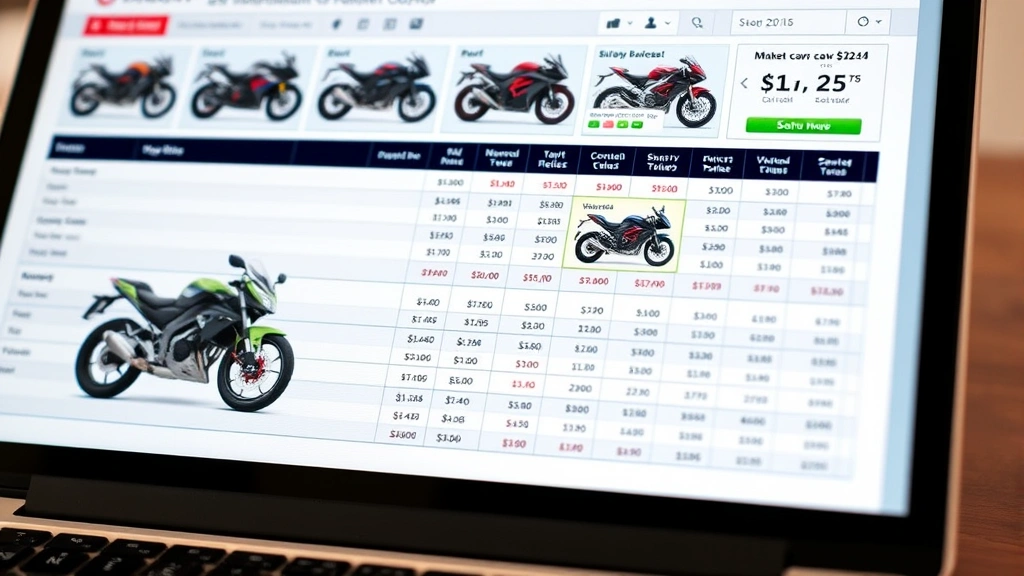
Comparable analysis strengthens negotiation positions. Create a spreadsheet tracking similar Ninja 400 listings noting price, mileage, model year, condition, location, and special features. Identify patterns revealing whether a specific listing represents fair value or overpricing. Sellers often accept offers 5-10% below asking prices, particularly if comparables support lower valuations.
Technical Specifications and Performance
Understanding Ninja 400 technical characteristics helps evaluate whether a specific bike meets your performance expectations and riding style. The standard 399cc parallel-twin engine produces 45 horsepower and 27.3 lb-ft of torque, delivering adequate acceleration for highway merging and spirited riding without overwhelming new riders. Fuel efficiency averages 50-55 mpg, reducing operational costs compared to larger displacement bikes.
The six-speed transmission provides smooth power delivery across varied riding conditions. Engine cooling utilizes liquid cooling systems, requiring regular coolant monitoring and maintenance. Oil change intervals occur every 3,000-6,000 miles depending on riding conditions, contributing to manageable ownership costs.
Chassis and suspension specifications reflect the Ninja 400’s beginner-friendly positioning. Telescopic front forks and mono-shock rear suspension provide adequate comfort for street riding without excessive complexity. The 410-pound wet weight ensures easy handling for riders of all sizes, while the 31.5-inch seat height accommodates most riders without requiring tiptoe positioning at stops.
Braking systems feature dual disc front brakes with ABS on newer models, providing reliable stopping power and enhanced safety. The ABS feature particularly benefits inexperienced riders during emergency braking situations. Checking brake pad condition during inspection reveals maintenance history and remaining service life.
Inspection and Testing Guidelines
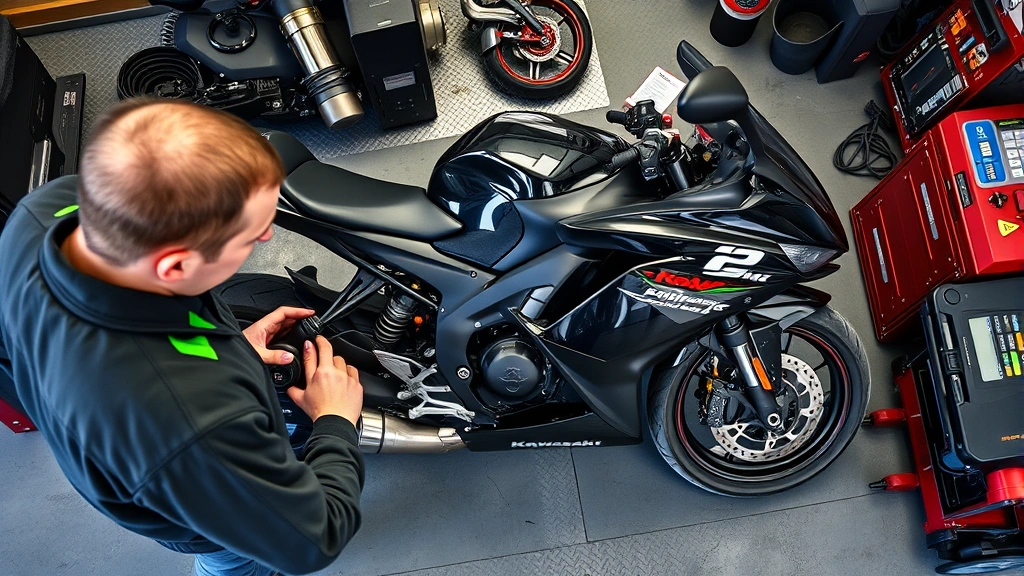
Thorough physical inspection separates wise purchases from costly mistakes. Begin with visual assessment, examining the frame, bodywork, and paint for signs of damage, repairs, or repainting. Use a flashlight to inspect panel gaps and alignment—inconsistent gaps suggest collision history. Run your hand along seams feeling for filler material indicating body work.
Engine condition assessment requires starting the bike cold and observing startup behavior. Healthy engines start reliably without excessive cranking. Listen for unusual noises—knocking, grinding, or excessive valve clatter indicates potential internal problems. Smoke color matters: blue smoke suggests oil burning, white smoke indicates coolant leaks, and black smoke points to rich fuel mixture.
Transmission and clutch function evaluation happens during test rides. Smooth gear engagement without grinding indicates proper adjustment and healthy internal components. Clutch lever feel should be moderate—neither excessively heavy nor too light. The bike should hold steady in gear without creeping forward or backward at idle.
Test ride protocols should include varied road conditions. Accelerate smoothly to assess power delivery and responsiveness. Practice braking at different speeds, noting brake feel and stopping distance. Navigate corners to evaluate handling characteristics and suspension compliance. Complete the ride feeling confident the bike responds predictably to all inputs.
Fluid inspection reveals maintenance quality. Check engine oil color and level—dark brown or black oil suggests overdue changes, while golden color indicates recent service. Coolant should be bright green or orange, not rusty brown. Brake fluid should be clear or slightly amber; dark or cloudy fluid indicates moisture contamination requiring system flushing.
Negotiation Strategies
Effective negotiation maximizes purchasing power while maintaining respectful seller relationships. Establish your maximum acceptable price before discussions begin, preventing emotional decisions during negotiation. Research comparable listings to support your position with market data. Approach negotiations as collaborative problem-solving rather than adversarial haggling.
Inspection findings provide legitimate negotiation leverage. If minor repairs are needed—new tires, brake pads, or chain adjustment—request price reductions reflecting repair costs. Major issues like engine problems or frame damage justify substantial discounts or walking away entirely. Document all findings with photos and video to reference during discussions.
Timing influences negotiation success. Sellers motivated by time constraints (relocating, needing quick sales) often accept lower offers. Conversely, patient sellers with multiple interested buyers have less motivation to negotiate. If a seller seems reluctant to negotiate, politely thank them and move forward—many other opportunities exist.
Offer structures provide flexibility. Rather than single-number offers, propose packages including additional terms: immediate payment, assuming existing maintenance schedules, or accepting the bike in current condition. Creative deal structures sometimes appeal to sellers more than simple price reductions.
Financing and Insurance Considerations
Financing options vary based on credit profile, income documentation, and lender requirements. Similar to how B2B sales professionals evaluate financing, motorcycle buyers should explore multiple funding sources. Banks, credit unions, and motorcycle-specific lenders offer competitive rates, typically ranging from 4-8% depending on creditworthiness and loan terms.
Pre-approval strengthens negotiating positions by demonstrating serious intent and purchasing power. Sellers more readily negotiate with pre-approved buyers, knowing the deal will likely close. Pre-approval also reveals your actual borrowing capacity, preventing overextending on overpriced bikes.
Insurance represents a significant ownership cost often overlooked during purchase planning. New riders typically pay $400-800 annually for comprehensive coverage on Ninja 400 models. Obtain insurance quotes before finalizing purchases—some lenders require proof of insurance before funding releases. Safety courses often provide insurance discounts of 5-15%, offsetting course costs within first year premiums.
Registration and title transfer requirements vary by jurisdiction. Budget 2-4 weeks for paperwork processing and plan accordingly if immediate riding is desired. Some states offer temporary registration allowing riding during title transfer periods, reducing transportation challenges.
FAQ
What is the average price for a used Ninja 400?
Used Ninja 400 prices typically range from $3,500-$6,000 depending on model year, mileage, and condition. Newer models (2022-2024) command higher prices around $5,500-$6,500, while older models (2018-2020) average $3,500-$4,500. Market conditions, seasonal demand, and local availability influence specific pricing in your area.
Is the Ninja 400 suitable for beginner riders?
The Ninja 400 represents an excellent beginner choice, offering manageable power delivery, lightweight construction, and affordable operation. The 45-horsepower engine provides adequate acceleration without overwhelming inexperienced riders. Many riding schools use Ninja 400 models for training purposes, validating their beginner-friendly characteristics.
How many miles can a Ninja 400 reasonably handle?
Well-maintained Ninja 400 models regularly exceed 50,000 miles with only routine maintenance. Some owners report 80,000+ mile bikes still running reliably. Maintenance history matters more than total mileage—a 30,000-mile bike with poor maintenance presents greater risk than an 80,000-mile bike with documented service records.
Should I buy from a dealer or private seller?
Dealer purchases offer warranty protection, certified inspections, and financing convenience at premium prices. Private sales provide lower costs and direct seller communication but require thorough independent inspection. Your comfort level with risk assessment and negotiation should guide this decision. Like exploring general sales agent services, dealer options provide professional guidance valuable for inexperienced buyers.
What maintenance costs should I expect?
Annual Ninja 400 maintenance typically costs $200-400 for oil changes, filter replacements, and chain adjustments. Tire replacements average $300-500 every 3-4 years. Brake pad replacement costs $150-250. Budget $50-100 monthly to cover routine maintenance and unexpected repairs, building financial reserves for larger expenses.
Can I negotiate prices on used Ninja 400 motorcycles?
Yes, private sellers frequently accept offers 5-10% below asking prices, particularly if market comparables support lower valuations. Dealer prices offer less negotiation flexibility but may include warranty and financing benefits offsetting price premiums. Always attempt respectful negotiation supported by market data.
What documents should I obtain before purchase?
Essential documents include the original title, service records, maintenance receipts, and accident history reports. Verify the VIN matches across documents and confirm clean title status. Request previous owner contact information when possible, enabling direct questions about bike history and maintenance practices.