Top Manual Cars for Sale: Market Overview
The market for manual transmission vehicles continues to shift dramatically in North America, with declining availability and changing consumer preferences reshaping the landscape. While automatic transmissions dominate modern vehicle sales, manual cars for sale still represent a niche but passionate segment of the automotive market. Understanding current trends, pricing, and available models is essential for buyers seeking the engagement and potential cost savings that manual transmissions offer.
Manual transmissions have long symbolized driving enthusiasm and mechanical simplicity, but their prevalence has dropped from over 50% of new vehicle sales in the 1980s to less than 3% today. Despite this decline, the used market remains vibrant with quality manual cars available across multiple segments, from compact economy vehicles to performance-oriented sports cars. This comprehensive market overview examines the current landscape, helping buyers navigate their options effectively.
Current Market Dynamics for Manual Transmissions
The automotive industry has undergone a seismic shift toward automatic and continuously variable transmissions over the past two decades. According to Statista’s automotive transmission analysis, manual transmission vehicles now represent a minimal percentage of new car sales in developed markets. However, this scarcity has created interesting market dynamics for used vehicle buyers.
Several factors drive current market conditions. Manufacturing costs favor automatic transmissions, regulatory pressures around fuel efficiency encourage manufacturers to develop sophisticated automatic systems, and consumer preferences have shifted toward convenience features. Additionally, the rise of electric vehicles introduces a completely different transmission paradigm, further marginalizing traditional manual options in new vehicle development.
The used market tells a different story. Enthusiasts, driving instructors, and budget-conscious buyers actively seek manual cars for sale, creating sustained demand. When you explore used SUVs for sale, you’ll notice most feature automatic transmissions, yet manual options still command interest among specific buyer demographics. This creates opportunity for those willing to search strategically.
According to Edmunds’ transmission analysis, manual cars typically cost $1,000-$3,000 less than their automatic counterparts on the used market. This pricing advantage stems from lower demand among general consumers, though it represents exceptional value for informed buyers.

Top Manual Car Models Currently Available
When searching for manual cars for sale, several models consistently appear in the used market with strong reputations and buyer satisfaction. These vehicles span multiple categories and price points, offering diverse options for different buyer needs.
Honda Civic remains one of the most popular manual transmission vehicles available used. Known for reliability, affordability, and enthusiast appeal, the Civic has maintained manual options across most generations. Buyers often find well-maintained examples with reasonable mileage at competitive prices. The Civic’s reputation for longevity makes it an excellent long-term investment.
Mazda MX-5 Miata represents the pinnacle of manual transmission performance in the affordable sports car segment. This lightweight roadster delivers engaging driving dynamics and strong resale value. Miata owners typically maintain their vehicles meticulously, making the used market particularly attractive. You’ll find numerous model years with manual transmissions across different price points.
Toyota Corolla offers practical, reliable transportation with manual transmission options available in earlier model years. The Corolla’s reputation for durability and low maintenance costs makes it appealing to budget-conscious buyers. Though newer Corollas rarely feature manual options, the used market provides abundant inventory.
Subaru WRX appeals to performance-minded buyers seeking all-wheel-drive capability with manual engagement. The WRX’s turbocharged engine and manual transmission combination delivers thrilling driving experiences. Manual versions typically cost less than their automatic counterparts while offering more driver control.
Looking at trucks for sale near me, you’ll discover that manual transmissions remain more common in pickup trucks than in passenger cars. Models like the Ford Ranger, Toyota Tacoma, and Chevrolet Colorado still offer manual options in certain model years and configurations, making the truck segment particularly rich for manual transmission seekers.
Volkswagen Golf GTI combines practical hatchback functionality with performance credentials and manual transmission availability. GTI models with manual gearboxes deliver engaging drives with genuine utility, attracting buyers who want versatility without sacrificing driving pleasure.
Nissan 370Z represents another enthusiast-oriented option, offering V6 power with available manual transmission. While these sports cars command higher prices, their performance capabilities and relative rarity make them attractive to serious drivers.
Pricing Trends and Value Proposition
Understanding pricing dynamics helps buyers make informed decisions when evaluating manual cars for sale. Current market trends reveal interesting opportunities for value-conscious purchasers.
Manual transmission vehicles typically sell at discounts ranging from 5-15% below comparable automatic models. This pricing advantage reflects lower demand among general consumers rather than mechanical inferiority. For buyers seeking maximum value, this discount represents significant savings without compromising quality or longevity.
According to Kelley Blue Book’s manual transmission guidance, fuel economy advantages of manual transmissions have diminished as automatic technology improved. However, manual cars typically offer lower maintenance costs due to simpler transmission systems, offsetting any fuel economy disadvantages over vehicle ownership lifetime.
Insurance rates for manual transmission vehicles rarely differ from automatics, contrary to popular belief. Age, driving history, and vehicle type matter far more than transmission type. This eliminates another perceived disadvantage when calculating total cost of ownership.
Resale value considerations differ based on buyer demographics and vehicle type. Sports cars and performance vehicles with manual transmissions often appreciate slightly or maintain value better than their automatic counterparts, as enthusiasts prioritize transmission type. Practical commuter vehicles see opposite trends, with automatics commanding premium pricing.
The market for Honda HRV for sale demonstrates how transmission type influences pricing in the compact SUV segment. While most modern HRVs feature automatic transmissions, older manual examples remain available at attractive price points for buyers willing to forgo newer technology.
Regional Availability and Market Hotspots
Geographic location significantly impacts manual transmission vehicle availability. Understanding regional preferences helps buyers locate inventory more efficiently.
Coastal regions, particularly California and the Northeast, maintain stronger demand for manual cars for sale due to higher concentration of automotive enthusiasts. These areas feature robust used markets with diverse inventory and competitive pricing. Urban centers with younger demographics typically support more active manual transmission markets.
Rural areas often feature higher manual transmission percentages, particularly in trucks and work vehicles. Agricultural regions and areas with significant commercial activity maintain more practical manual transmission vehicles for business purposes.
International import markets create opportunities in certain regions. States with established import networks may feature Japanese sports cars and performance vehicles with manual transmissions at competitive prices. Enthusiasts often source vehicles from these regional hubs.
Online marketplaces have somewhat diminished geographic limitations, allowing buyers to source manual cars for sale nationally. However, shipping costs and logistics considerations still favor local or regional purchases. Building relationships with local dealers and private sellers often yields better opportunities than national platforms.
Buying Guide for Manual Transmission Vehicles
Purchasing manual cars for sale requires specific considerations beyond standard vehicle evaluation. Understanding transmission-specific factors improves buying decisions and long-term satisfaction.
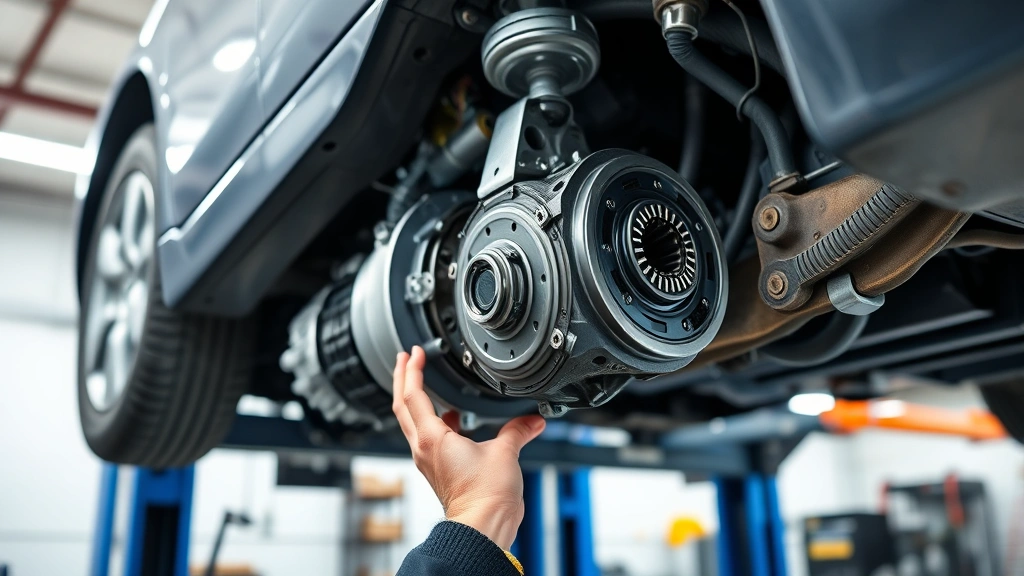
Clutch Condition Assessment represents the most critical evaluation point. The clutch represents the primary wear item in manual transmissions, with typical lifespan ranging from 60,000 to 100,000 miles depending on driving habits. Request clutch inspection and obtain service history documentation. Test drive assessment should include smooth engagement, no slipping under acceleration, and responsive pedal feel.
Transmission Noise and Synchronization require careful evaluation. Grinding sounds during gear changes indicate synchronizer wear. Difficulty shifting between gears suggests internal transmission issues. Whining noises may indicate bearing wear. Professional pre-purchase inspection specifically examining transmission condition provides valuable insight.
Linkage and Cable Condition affect shift quality and reliability. Worn linkage creates vague shift feel and difficulty selecting gears. Cables may fray or break, requiring replacement. Visual inspection during test drive reveals obvious issues, though professional evaluation catches subtle problems.
Driving Technique Compatibility matters more than many buyers realize. Manual transmission driving requires developed skills and consistent practice. Buyers unfamiliar with manual operation should arrange extended test drives and consider professional instruction. Rebuilding confidence in manual transmission operation prevents frustration and improves safety.
Service History Documentation proves invaluable when evaluating manual transmission vehicles. Complete maintenance records indicate proper care and fluid changes. Transmission fluid should be changed every 30,000-60,000 miles, though many owners neglect this critical maintenance. Review service history carefully before purchasing.
Test Drive Methodology should emphasize transmission operation. Test smooth acceleration from standstill, upshift progression through gears, downshift quality, clutch engagement feel, and gear selection ease. Evaluate performance across various driving conditions including city streets, highways, and hills. Listen carefully for abnormal noises throughout testing.
Future Outlook for Manual Cars
The trajectory for manual transmission vehicles appears clear despite passionate enthusiast communities. Several factors will shape future availability of manual cars for sale.
Electrification represents the primary challenge for traditional manual transmissions. Electric vehicles eliminate traditional transmission requirements entirely, fundamentally altering the automotive landscape. As EV adoption accelerates, internal combustion engine options—particularly manual versions—will become increasingly rare.
Regulatory pressures and manufacturer consolidation continue limiting manual transmission development. Developing and certifying new manual transmission models requires significant investment with minimal market return. Most manufacturers have abandoned new manual transmission development in favor of automatic systems and electric powertrains.
Enthusiast communities and driving experience providers may sustain manual transmission demand in specialized segments. High-performance vehicles, track cars, and purpose-built driving experiences may continue offering manual options as premium features. However, mainstream availability will continue declining.
The used market should remain viable for decades as millions of manual transmission vehicles already exist in circulation. Availability will shift toward older model years, requiring buyers to accept less modern technology and features. Maintenance and parts availability may become challenging as vehicles age.
Collector car markets may eventually elevate manual transmission vehicles to specialty status. As manual cars become rarer, surviving examples may appreciate as nostalgic, mechanical alternatives to modern automatics. This could create opportunities for buyers viewing manual vehicles as future collectibles.
Market consolidation will likely accelerate, with fewer manufacturers offering manual transmission options. This concentration creates urgency for buyers seeking manual cars for sale while inventory remains available. Prices may stabilize or appreciate as scarcity increases.
Emerging markets in developing nations may maintain stronger manual transmission presence longer than developed countries. Global supply chains and international vehicle markets could eventually shift manual transmission availability toward these regions.
FAQ
Are manual transmission cars cheaper to maintain?
Manual transmissions generally feature simpler designs with fewer components than automatic systems, potentially reducing maintenance costs. Clutch replacement represents the primary expense, typically ranging from $500-$2,000 depending on vehicle and labor costs. However, proper maintenance and driving technique significantly impact long-term costs. Abusive driving accelerates wear regardless of transmission type.
How do I find manual cars for sale in my area?
Online marketplaces like AutoTrader, Cars.com, and Facebook Marketplace allow filtering by transmission type. Local dealerships may have manual inventory, though availability varies significantly by region. Private sellers often maintain manual vehicles, accessible through classified ads and enthusiast communities. Expanding search radius increases options substantially.
What’s the difference between manual transmission reliability and automatic?
Modern manual transmissions are exceptionally reliable when properly maintained. Automatics feature more complex hydraulic and electronic systems with higher failure risk in some designs. However, reliability depends more on specific vehicle model, maintenance history, and driving habits than transmission type. Both systems can exceed 200,000 miles with proper care.
Can I learn to drive manual transmission as an adult?
Absolutely. Adult learners can develop manual transmission proficiency through instruction and practice. Initial learning curve typically spans 2-4 weeks of regular practice. Professional driving instructors specializing in manual transmission operation accelerate learning significantly. Many find manual driving engaging and rewarding once proficient.
Will manual cars for sale become more valuable in the future?
Certain manual transmission vehicles, particularly performance models and sports cars, may appreciate as they become rarer. However, practical commuter vehicles will likely depreciate normally. Collector car status and nostalgia may eventually elevate some manual models, but this depends on market evolution and cultural factors beyond mechanical considerations.
What should I know before buying a used manual transmission car?
Obtain comprehensive pre-purchase inspection focusing on transmission condition. Review complete service history documentation. Test drive extensively evaluating clutch engagement, gear selection, and overall transmission operation. Understand clutch replacement costs and typical lifespan for your specific vehicle. Confirm your comfort level with manual operation through extended test drives before committing to purchase.