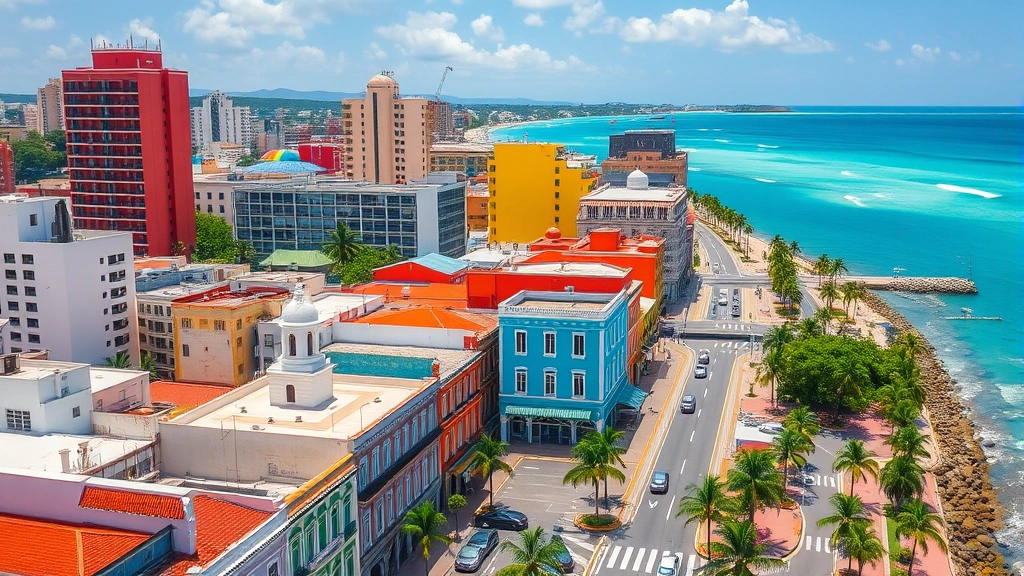
Florida Hospitality Investment: Broker Insights on Hotel & Motel Acquisitions
The Florida hospitality market represents one of the most dynamic and lucrative investment opportunities in the United States. With over 50 million visitors annually and a robust tourism infrastructure, the state continues to attract savvy investors seeking hotel and motel properties for sale. Whether you’re a seasoned hospitality entrepreneur or exploring your first commercial real estate venture, understanding the nuances of Florida’s hotel market is essential for making informed acquisition decisions.
Florida’s hospitality sector has demonstrated remarkable resilience and growth potential, particularly in key markets like Miami, Orlando, Tampa, and Fort Lauderdale. The state’s favorable business environment, lack of state income tax, and strategic geographic positioning make it an attractive destination for both domestic and international hospitality investments. This comprehensive guide draws on broker insights and market intelligence to help potential investors navigate the complexities of acquiring hotel and motel properties throughout the Sunshine State.

Florida Hospitality Market Overview
Florida’s tourism industry generates approximately $112 billion annually in economic impact, with the hospitality sector serving as a cornerstone of this economic engine. The state hosts diverse visitor demographics, from leisure travelers and families to business professionals and convention attendees. This diversified visitor base creates multiple revenue stream opportunities for hotel and motel operators across various price points and service levels.
Recent market data indicates that Florida’s hotel occupancy rates have stabilized around 65-70% in major metropolitan areas, with average daily rates (ADR) showing steady appreciation. Brokers specializing in hospitality real estate note that properties in gateway cities like Miami, Orlando, and Tampa command premium valuations due to consistent demand and brand recognition. The emergence of remote work has also expanded the extended-stay segment, benefiting properties positioned in residential-adjacent locations.
According to the Federal Reserve’s economic data, Florida’s hospitality employment has recovered to pre-pandemic levels with continued growth projections. This staffing stability is crucial for property operators managing labor-intensive operations. The state’s immigration patterns and population growth further support long-term hospitality demand, as new residents and business establishments require accommodations for visitors and relocating personnel.

Types of Hotel & Motel Investments Available
The Florida hospitality market offers several distinct investment structures, each with unique operational and financial characteristics. Understanding these categories helps investors align properties with their management capabilities and financial objectives.
Full-Service Hotels: These premium properties typically feature 150+ rooms, on-site restaurants, meeting facilities, and comprehensive amenities. Full-service hotels command higher ADRs but require sophisticated management expertise and substantial capital for renovations. They appeal to investors with operational experience and access to professional management companies.
Limited-Service Hotels: Properties in this category offer essential amenities without full-service dining or extensive meeting space. They represent the fastest-growing segment in Florida’s market, offering better returns on capital with lower operational complexity. These properties often maintain RevPAR (revenue per available room) comparable to full-service competitors while requiring fewer staff resources.
Extended-Stay Properties: Increasingly popular in Florida, these properties cater to corporate relocations, medical tourism, and remote workers seeking monthly accommodations. Extended-stay properties typically generate more stable revenue streams with longer average lengths of stay, reducing turnover costs and vacancy risks.
Boutique & Lifestyle Hotels: Florida’s tourism markets increasingly attract upscale travelers seeking unique experiences. Boutique properties in Miami Beach, Key West, and historic districts command premium positioning and attract affluent guests willing to pay higher rates for distinctive offerings.
Motel Properties: Traditional motels remain viable investments in secondary markets and highway corridors. While offering lower ADRs than hotels, well-positioned motels in growing communities can provide solid cash returns with straightforward operations. The motel segment has experienced renewed interest from investors focusing on value-add repositioning strategies.
Key Broker Insights & Market Trends
Leading hospitality brokers operating throughout Florida consistently highlight several critical market trends shaping investment opportunities. Understanding these insights provides competitive advantages in property identification and valuation negotiations.
Market Consolidation & Institutional Investment: Major hospitality REITs and institutional investors have significantly increased Florida property acquisitions, driving valuations upward in prime locations. Brokers note that individual and smaller portfolio investors face heightened competition for Class A properties, creating opportunities in Class B and C properties offering higher cap rates and value-add potential.
Post-Pandemic Operational Shifts: The hospitality industry has fundamentally transformed guest expectations regarding cleanliness, contactless services, and health protocols. Brokers emphasize that properties with recent capital investments in these areas command premium valuations and occupancy rates. Properties lacking modern technology infrastructure face operational challenges and guest satisfaction issues.
Labor Market Dynamics: Florida’s hospitality labor market has tightened considerably, with wage pressures affecting property profitability. Successful operators increasingly invest in employee retention programs, training, and competitive compensation structures. Brokers advise investors to factor elevated labor costs into financial projections and underwriting models.
Seasonal Variation & Demand Patterns: Florida’s hospitality market exhibits pronounced seasonal variations, with peak demand during winter months (November-April) and summer vacation periods. Brokers recommend analyzing historical occupancy patterns and revenue data by season to develop accurate financial forecasts. Properties in year-round demand generators like Orlando (theme parks) perform more consistently than seasonal leisure destinations.
When evaluating a business for sale by owner model, hospitality properties often provide advantages as owner-operators can maintain direct control over operations and guest experiences, though this requires active management involvement.
Financial Considerations & ROI Analysis
Successful hospitality investment requires rigorous financial analysis and realistic return projections. Brokers emphasize that historical performance provides only baseline context; forward-looking analysis incorporating market trends, competitive positioning, and operational improvements drives investment decisions.
Cap Rate Analysis: Florida hospitality properties typically trade at cap rates ranging from 4-7% depending on location, property class, and market conditions. Prime Miami Beach and Orlando properties occupy the lower end of this range, while secondary markets and value-add opportunities offer higher cap rates. Cap rates alone don’t determine investment quality; they must be evaluated alongside growth potential and risk factors.
Revenue Per Available Room (RevPAR): This critical metric combines occupancy rates and ADR to measure operational efficiency. Growing RevPAR indicates improving market conditions and effective property management. Brokers analyze three-year RevPAR trends to assess whether properties are gaining or losing market share relative to competitors.
Debt Service Coverage Ratio (DSCR): Lenders typically require DSCR of 1.25-1.35 for hospitality properties, reflecting the sector’s operational volatility. Investors must ensure realistic NOI projections support required debt service, particularly when acquiring properties requiring significant capital improvements. Conservative underwriting prevents overleveraging and financial stress during market downturns.
Capital Expenditure Requirements: Hospitality properties require ongoing capital investment for maintenance, renovations, and competitive positioning. Brokers advise budgeting 5-8% of gross revenue annually for capital expenditures. Properties deferring maintenance face declining guest satisfaction, lower occupancy, and reduced ADR—creating negative spirals difficult to reverse.
Understanding broader e-commerce platform dynamics helps modern hospitality operators optimize distribution channels and revenue management systems for booking optimization.
Strategic Location Selection
Location represents the primary determinant of hospitality investment success. Florida’s diverse geography creates distinct market segments with varying demand drivers, competitive dynamics, and growth trajectories.
Miami Metropolitan Area: Florida’s largest hospitality market benefits from international tourism, business travel, and premium positioning. Miami Beach properties command exceptional ADRs supported by affluent leisure and business travelers. However, intense competition and elevated acquisition costs create challenges for value-oriented investors. Emerging neighborhoods like Wynwood and Allapattah offer growth potential with lower entry costs.
Orlando Market: Anchored by major theme parks (Disney, Universal, SeaWorld), Orlando maintains consistently high occupancy and strong ADR throughout the year. While acquisition costs reflect this stability, the diversified demand base and year-round tourism provide exceptional revenue consistency. Properties near theme park corridors command premium positioning.
Tampa Bay Region: This emerging market offers attractive opportunities for growth-oriented investors. Strong population growth, expanding business sectors, and developing tourism infrastructure support property appreciation and occupancy growth. Properties in downtown Tampa and near entertainment districts benefit from urban revitalization initiatives.
Fort Lauderdale & Broward County: This mature market combines cruise port traffic, business travel, and leisure tourism. Oceanfront and downtown properties maintain strong positioning, while secondary locations offer value opportunities. The region’s established infrastructure and consistent demand provide lower-risk investment profiles.
Secondary Markets & Highway Corridors: Properties in Daytona Beach, Key West, Pensacola, and along major highway corridors serve specific demand segments. These markets often feature lower acquisition costs and higher cap rates, appealing to investors comfortable with less dense competition and smaller operational scales. Highway motel properties particularly benefit from consistent commercial and leisure traveler traffic.
Due Diligence & Property Evaluation
Comprehensive due diligence protects investors from acquiring properties with hidden liabilities or inflated performance claims. Brokers recommend engaging specialized hospitality professionals for technical and operational assessments.
Physical Condition Assessment: Third-party engineering inspections identify deferred maintenance, structural issues, and capital improvement requirements. Hospitality properties require specialized attention to guest-facing areas, HVAC systems, plumbing infrastructure, and safety compliance features. Detailed inspections prevent acquiring properties requiring unexpected major expenditures.
Operational Performance Verification: Historical occupancy, ADR, and revenue data should be independently verified through multiple sources including property management systems, tax filings, and market surveys. Brokers caution against relying solely on seller-provided information, as incentive misalignments may distort historical performance claims.
Competitive Market Analysis: Understanding competitive positioning requires analyzing comparable properties, their rates, occupancy, and market share. Third-party market studies from firms like Hospitality Net provide objective competitive assessments and demand forecasts. Properties must offer competitive advantages (location, amenities, pricing, service) to maintain market positioning.
Guest Experience & Online Reputation: Review analysis on TripAdvisor, Google, and booking platforms reveals operational strengths and weaknesses. Consistently low ratings indicate management or property condition issues requiring correction. Strong ratings support premium positioning and justify higher ADR assumptions in financial models.
Title & Regulatory Compliance: Hospitality properties involve complex regulatory compliance including health and safety codes, Americans with Disabilities Act (ADA) requirements, and local zoning regulations. Title insurance and compliance audits identify potential liabilities affecting property value and operational costs.
The Acquisition Process Explained
Hospitality property acquisitions follow structured processes with specific timelines and contingencies. Understanding these stages helps investors plan appropriately and maintain competitive positioning.
Property Identification & Initial Analysis: Working with brokers specializing in hospitality transactions accelerates property identification and provides market context. Brokers maintain relationships with sellers, access off-market deals, and understand emerging opportunities before public marketing. Initial analysis focuses on basic financial metrics, location advantages, and strategic fit within investment portfolios.
Letter of Intent (LOI) & Exclusivity: Serious buyers submit LOIs outlining proposed purchase price, financing structure, and closing timeline. LOIs typically include contingencies for financing, appraisal, and due diligence completion. Accepted LOIs establish exclusivity periods preventing sellers from marketing to other buyers, allowing focused transaction development.
Due Diligence Period: This critical phase typically spans 30-60 days, allowing comprehensive property and market evaluation. Physical inspections, financial audits, legal reviews, and competitive analysis occur during this window. Contingencies enable buyers to renegotiate terms or withdraw if material issues emerge.
Financing & Appraisal: Lenders order independent appraisals confirming property valuations support loan amounts. Appraisers assess comparable transactions, operational performance, and market conditions. Conservative appraisals may require increased equity contributions or modified financing structures. Loan underwriting addresses property-specific concerns and establishes final terms.
Final Inspection & Closing: Walk-through inspections immediately before closing confirm property condition matches due diligence findings. Final documentation review ensures all contingencies have been satisfied and closing costs are understood. Closings typically occur 60-90 days after LOI acceptance, though timelines vary based on complexity and financing requirements.
Consider working with general sales agents experienced in commercial real estate transactions to navigate complex acquisition processes successfully.
Florida Regulatory & Compliance Landscape
Florida’s hospitality regulatory environment involves multiple jurisdictional layers affecting operations and profitability. Understanding these requirements prevents compliance violations and unexpected costs.
Licensing & Permits: Hospitality properties require state lodging licenses, local business licenses, and specific permits for food service, alcohol sales (if applicable), and entertainment. Licensing processes vary by municipality but typically require health inspections, safety certifications, and background checks for ownership and management.
Health & Safety Compliance: Florida Department of Health enforces stringent standards for room cleanliness, food service, pool maintenance, and public health protocols. Regular inspections and documentation requirements demand systematic operational procedures. Non-compliance results in citations, fines, and potential license suspension.
Employment Regulations: As major employers, hospitality properties must comply with federal and state employment laws including minimum wage, overtime, workplace safety, and anti-discrimination requirements. Florida’s minimum wage exceeds federal minimums, and recent ballot initiatives have further increased wage floors. Understanding current and projected wage requirements is essential for accurate financial modeling.
Environmental Compliance: Older properties may face environmental liabilities including soil contamination, asbestos, or mold. Phase I and Phase II environmental assessments identify potential issues. Remediation requirements significantly impact property values and acquisition decisions, particularly for older properties or those with industrial histories.
Tax Considerations: While Florida lacks state income tax, property owners pay substantial real estate taxes, sales taxes, and occupancy taxes. Occupancy taxes (tourist development taxes) typically range from 5-7% depending on municipality and are collected from guests. Understanding tax structures and their impact on guest pricing is critical for competitive positioning.
The Florida Department of Economic Opportunity provides resources regarding business regulations and tax obligations for hospitality operators.
FAQ
What is the typical price range for hotel and motel properties in Florida?
Florida hospitality properties vary dramatically in price based on location, size, and condition. Limited-service hotels in secondary markets may trade for $3-6 million, while full-service properties in Miami or Orlando range from $20-100+ million. Motel properties typically range from $1-5 million depending on room count and location. Brokers can provide specific market data for target locations and property types.
How much capital should I reserve for renovations and improvements?
Industry standards recommend budgeting 5-8% of gross revenue annually for capital expenditures. For acquisition planning, investors should reserve 10-15% of purchase price for immediate improvements and 3-5 years of ongoing capital requirements. Properties requiring significant repositioning may require 20-30% of purchase price in initial capital investment.
Can I operate a hotel property myself or do I need a professional management company?
While owner-operators can manage smaller properties (under 50 rooms), most investors engage professional management companies for larger properties. Management companies provide operational expertise, staff management, revenue optimization, and 24/7 oversight. Management fees typically range from 5-8% of gross revenue, but the professional expertise often generates returns exceeding fee costs through improved operations.
What financing options are available for hospitality property acquisitions?
Hospitality investors access financing through commercial banks, SBA loans, CMBS (commercial mortgage-backed securities), and portfolio lenders specializing in hospitality. Typical loan structures require 25-35% equity down payment, 1.25-1.35 DSCR, and 5-10 year amortization periods. Interest rates vary based on property type, location, and borrower creditworthiness. Working with hospitality-specialized lenders streamlines financing processes and improves loan terms.
How do seasonal variations affect investment returns?
Seasonal demand significantly impacts hospitality properties, particularly leisure destinations. Winter months (November-April) typically generate 40-50% of annual revenue in seasonal markets, while summer months see demand peaks. Year-round demand generators like Orlando maintain more consistent monthly revenues. Investors should model conservative occupancy assumptions during low seasons and ensure financial projections account for seasonal revenue variations.
What makes a hotel or motel property a good investment?
Strong hospitality investments combine favorable location characteristics, consistent demand drivers, competitive positioning, operational efficiency, and realistic financial returns. Properties should offer 6-8% cash-on-cash returns with appreciation potential, competitive advantages against market alternatives, and management teams capable of optimizing operations. Properties with deferred maintenance, excessive debt, or weak competitive positioning present higher risks and should be avoided unless significant value-add opportunities exist.