Where to Buy Firewood? Local Insider Tips for Finding Quality Fire Wood for Sale Near Me
Finding reliable firewood suppliers in your area requires understanding the local market dynamics, seasonal availability, and quality standards that separate premium wood from inferior alternatives. Whether you’re stocking up for winter heating, planning a backyard gathering, or preparing for unexpected power outages, knowing where to source quality firewood locally can save you time, money, and frustration.
The firewood market operates differently than most retail sectors. Unlike standardized consumer goods found in chain stores, firewood quality varies dramatically based on moisture content, wood type, seasoning duration, and local harvesting practices. This guide provides actionable strategies for locating dependable firewood suppliers within your region, evaluating product quality, and understanding pricing structures that reflect genuine value rather than deceptive practices.
As e-commerce continues transforming traditional retail sectors, the firewood industry is experiencing digital disruption. Many local suppliers now operate online storefronts, offering delivery services that compete with traditional in-person purchasing models. Understanding both traditional and digital sourcing options positions you to make informed decisions about your firewood procurement strategy.
Local Hardware and Home Improvement Retailers
Major home improvement chains like Home Depot, Lowe’s, and Ace Hardware maintain seasonal firewood inventory in most markets. These retailers offer convenient access, consistent product availability, and standardized bundling practices. Their firewood typically arrives pre-packaged in standard quantities (4-foot cords, face cords, or smaller bundles), making it easy to calculate purchase volumes.
The advantage of purchasing from established retailers lies in predictable quality control and return policies. If you receive substandard wood, most major retailers will accept exchanges or provide refunds. However, convenience comes at a premium—retail pricing typically runs 30-50% higher than direct supplier costs. These retailers often source firewood from regional distributors, adding markup layers that increase final consumer prices.
Visiting local branches during shoulder seasons (late summer and early fall) typically yields better selection and pricing than peak winter demand periods. Many retailers discontinue firewood sales during off-season months, limiting your purchasing windows. Building relationships with store managers can provide advance notice of incoming shipments and early access to premium lots before public shelving.
Specialty Firewood Dealers and Distributors
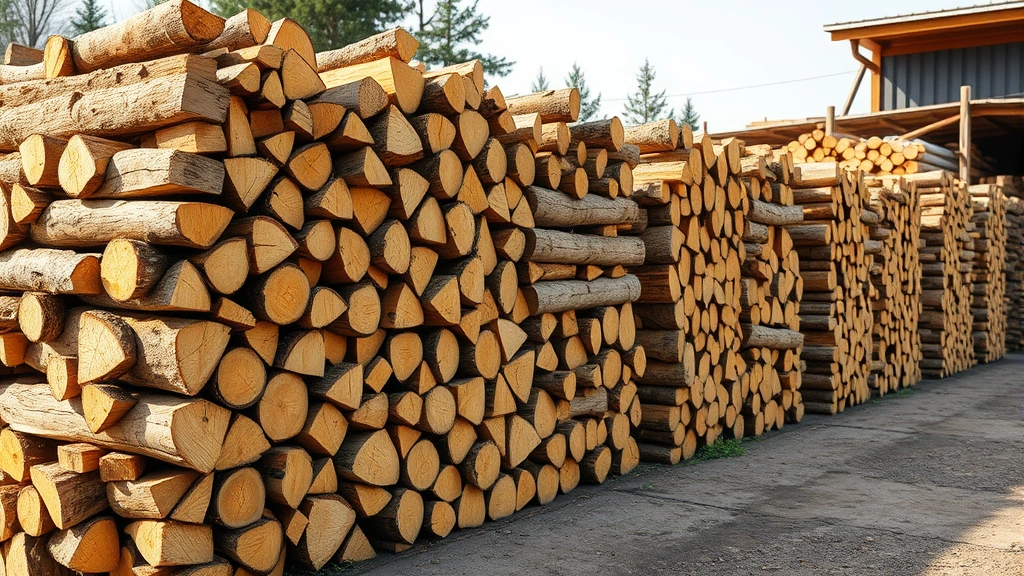
Dedicated firewood dealers represent the most direct sourcing option for quality products at competitive prices. These businesses specialize exclusively in firewood production, seasoning, and distribution. Unlike retail outlets treating firewood as seasonal inventory, specialty dealers maintain year-round operations and extensive quality management protocols.
Locating specialty dealers requires leveraging multiple discovery channels. Google Maps searches for “firewood near me” and “firewood dealers [your city]” generate location-based results. However, verify business legitimacy through customer reviews on Google, Yelp, and Better Business Bureau platforms. Established dealers typically maintain consistent online presence and detailed product descriptions specifying wood types, seasoning duration, and moisture content measurements.
Quality specialty dealers often provide educational resources about wood selection, burn characteristics, and proper storage techniques. They understand that educated customers make repeat purchases and provide referrals. When contacting dealers, ask about wood species available, seasoning protocols, moisture content guarantees, and delivery options. Reputable operators welcome detailed questions and provide transparent answers.
Many specialty dealers offer inventory management systems that track seasonal supply levels and alert customers to availability changes. Premium dealers may require advance ordering during peak seasons, ensuring consistent supply for established customers.
Farm Stores and Agricultural Suppliers
Agricultural supply chains represent underutilized firewood sources in rural and semi-rural communities. Tractor Supply Co., local farm cooperatives, and agricultural equipment dealers often stock firewood alongside seasonal inventory. These suppliers serve farming communities requiring heating fuel for barns, equipment sheds, and residential structures.
Farm stores typically price firewood competitively since it represents supplementary revenue rather than core business focus. Staff members often possess detailed knowledge about local wood quality, seasonal availability, and sustainable harvesting practices within the region. Many farm store employees personally use products they sell, providing authentic recommendations based on real-world experience.
Visiting a Tractor Supply location during fall months reveals seasonal firewood displays. These retailers typically stock multiple wood species and bundle sizes, accommodating both casual users and serious heating customers. Building relationships with farm store staff provides access to inside information about incoming shipments and potential bulk purchase discounts.
Online Marketplaces and Digital Platforms
E-commerce platforms have revolutionized firewood purchasing, enabling direct connections between producers and consumers. Platforms like Facebook Marketplace, Craigslist, and specialized agricultural marketplaces facilitate local transactions while reducing intermediary markups. These digital channels allow customers to communicate directly with suppliers, negotiate pricing, and arrange delivery logistics.
Facebook Marketplace has become particularly valuable for firewood sourcing. Local suppliers maintain business pages showcasing product photos, customer testimonials, and detailed specifications. The platform’s messaging functionality enables direct communication, while location-based search filters narrow results to nearby suppliers. However, exercise caution with unverified sellers—request customer references, ask about business licensing, and verify payment methods before committing to large purchases.
Specialized platforms like TaskRabbit and Handy increasingly list firewood delivery services in metropolitan areas. These platforms provide buyer protection, verified seller ratings, and transparent pricing structures. While convenience fees apply, the protection mechanisms justify premium pricing for customers prioritizing transaction security.
Understanding how online retailers structure e-commerce operations provides insights into digital firewood seller legitimacy. Established online firewood businesses maintain professional websites with detailed product information, transparent pricing, customer reviews, and clear return policies. Avoid sellers lacking these fundamental e-commerce components.
Quality Assessment and Moisture Content Standards
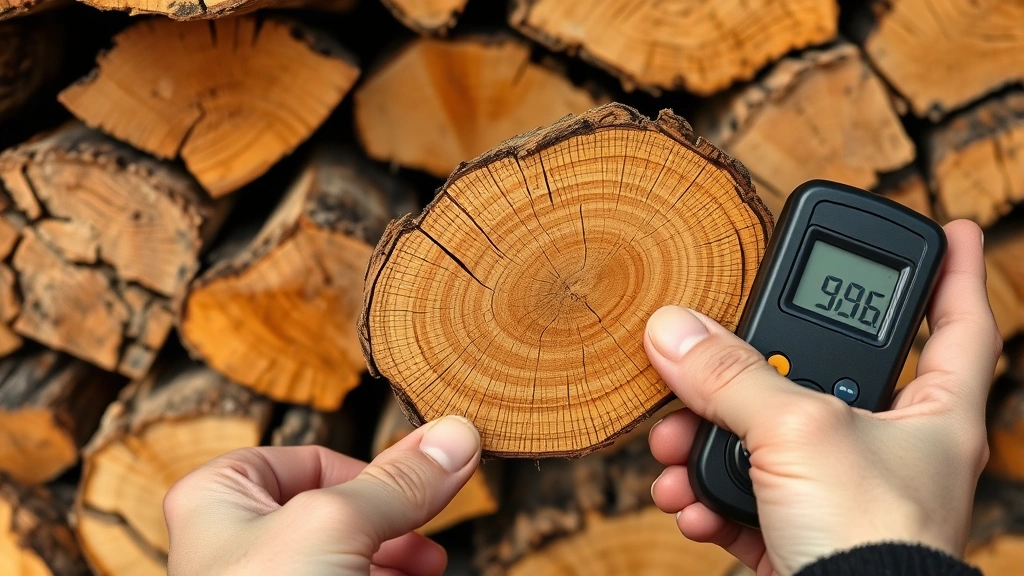
Firewood quality hinges primarily on moisture content—the percentage of water remaining in wood after seasoning. Professional standards define properly seasoned firewood as containing 15-20% moisture content. Wood exceeding 25% moisture burns inefficiently, produces excessive creosote buildup in chimneys, and generates substantial smoke.
Evaluating moisture content requires either portable moisture meters or physical inspection techniques. Properly seasoned wood displays visible cracks in end grain, exhibits lighter color than fresh-cut wood, and produces hollow sounds when pieces strike together. Freshly cut or “green” wood feels heavy, appears darker, and burns poorly despite adequate storage time.
Reputable suppliers provide moisture content documentation or permit on-site testing with portable meters. Request this verification before completing purchases, particularly for bulk orders. Suppliers confident in product quality welcome testing protocols and often maintain moisture meters for customer verification purposes.
Wood species significantly impact burn quality and heat output. Hardwoods like oak, maple, and hickory produce superior heat and longer burn times compared to softwoods like pine and spruce. Softwoods contain higher resin content, creating excessive creosote and increasing chimney fire risk. When purchasing, prioritize hardwood species and request documentation confirming wood type.
Seasonal Pricing and Bulk Purchase Strategies
Firewood pricing fluctuates dramatically across seasons. Summer pricing (June-August) typically runs 30-40% lower than winter peak pricing (December-February). Savvy consumers purchase during shoulder seasons when demand moderates but supply remains abundant. Strategic timing can reduce annual heating costs by hundreds of dollars.
Bulk purchasing strategies generate significant savings. Most suppliers offer tiered pricing—purchasing full cords costs substantially less per unit than buying individual bundles. Calculating winter heating requirements enables advance purchasing at optimal pricing periods. A typical household burning firewood as primary heat requires 3-8 cords annually, depending on climate severity and insulation quality.
Negotiating with specialty dealers often yields discounts unavailable through retail channels. Suppliers appreciate reliable customers making substantial advance purchases, frequently offering 10-15% reductions for full-cord orders placed during off-peak seasons. Building long-term relationships with local suppliers generates loyalty benefits including priority access to premium wood lots.
Some suppliers offer subscription models providing seasonal deliveries at fixed prices. These arrangements eliminate price volatility uncertainty and ensure consistent supply. While subscription pricing may exceed spot market rates during oversupply periods, the stability and convenience justify premium costs for many customers.
Sustainability and Sourcing Considerations
Environmental consciousness increasingly influences firewood purchasing decisions. Sustainable sourcing practices ensure long-term forest health and minimize ecological impact. Responsible suppliers prioritize harvesting from managed forests, utilizing deadfall and disease-killed trees rather than felling healthy specimens.
Certification programs like the Sustainable Forestry Initiative and Forest Stewardship Council provide third-party verification of responsible harvesting practices. Suppliers holding these certifications demonstrate commitment to environmental stewardship beyond marketing claims. When available, prioritize certified suppliers supporting legitimate conservation efforts.
Local sourcing reduces transportation emissions and supports regional economies. Firewood sourced within 100 miles generates minimal carbon footprint compared to long-distance shipments. Supporting local suppliers strengthens community resilience and keeps procurement dollars circulating within regional economies.
Exploring alternative heating sources like biomass pellets and compressed wood logs reduces reliance on traditional cordwood. These alternatives offer consistency, cleaner burning profiles, and reduced storage requirements. Understanding the complete commerce landscape of heating fuel options enables comprehensive decision-making aligned with personal priorities.
FAQ
What is the difference between a cord, face cord, and bundle of firewood?
A full cord measures 128 cubic feet (4 feet high × 4 feet deep × 8 feet long). A face cord (sometimes called a rick) measures 4 feet high × 8 feet long × the depth of individual pieces (typically 16 inches), equaling one-third of a full cord. Bundles contain pre-packaged quantities suitable for single fires or short-term use, typically weighing 25-40 pounds. Understanding these distinctions prevents purchasing miscalculations and ensures accurate pricing comparisons.
How far in advance should I purchase firewood for winter?
Ideal purchasing occurs 6-12 months before anticipated use, allowing extended seasoning time and optimal pricing. Summer purchasing (June-August) provides maximum pricing advantages while ensuring adequate drying time. If purchasing closer to heating season, verify moisture content documentation to confirm proper seasoning. Emergency winter purchases often occur at premium pricing, making advance planning financially advantageous.
Can I purchase firewood online with delivery to my home?
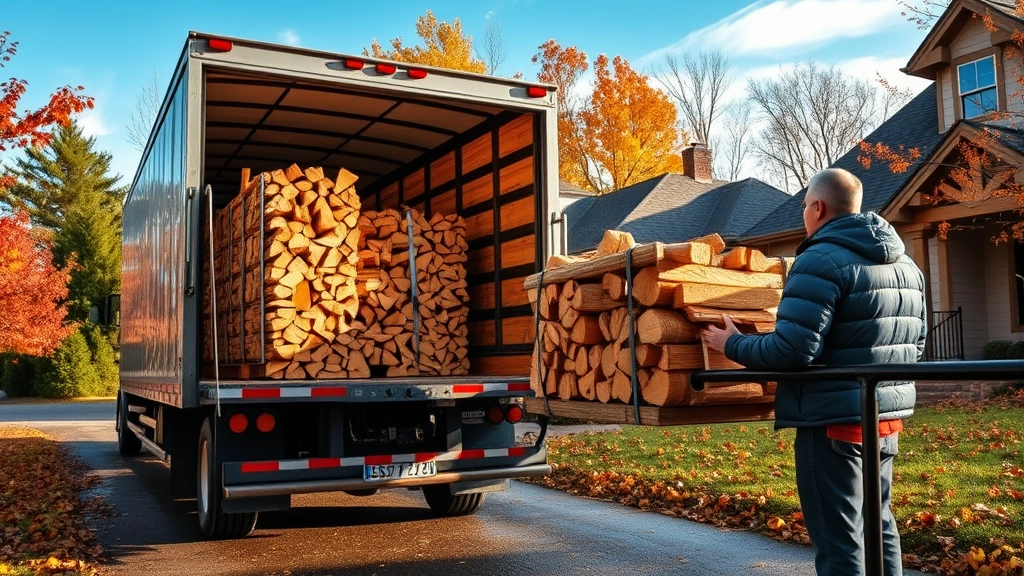
Yes, numerous suppliers now offer online ordering with home delivery. Platforms like Facebook Marketplace, specialized firewood e-commerce sites, and local supplier websites enable convenient online purchasing. Delivery fees typically range $25-75 depending on location and order volume. Verify delivery area coverage before ordering, as some suppliers limit service radius to specific geographic zones.
What should I do if I receive wet or poor-quality firewood?
Contact the supplier immediately with photographic documentation of moisture content and condition issues. Reputable suppliers maintain return or replacement policies addressing quality concerns. If direct resolution fails, dispute charges through payment processors (credit cards, PayPal) or file complaints with Better Business Bureau and consumer protection agencies. Purchasing from established retailers and verified online sellers provides recourse mechanisms for quality disputes.
How should I store firewood to maintain quality?
Store firewood in dry, well-ventilated locations with ground clearance preventing moisture absorption. Cover tops with tarps or roofing materials while leaving sides exposed for air circulation. Avoid plastic coverings trapping moisture. Stacking firewood off ground using pallets or concrete blocks prevents ground moisture infiltration. Proper storage maintains moisture content and prevents mold growth during off-season periods.
Are there wood species I should avoid burning?
Avoid burning treated lumber, plywood, particle board, or any chemically treated wood—these release toxic compounds when burned. Softwoods like pine and spruce create excessive creosote despite acceptable moisture content. Never burn green wood, wet wood, or wood contaminated with dirt or sand. Stick to seasoned hardwoods like oak, maple, ash, and hickory for optimal burning characteristics and minimal creosote accumulation.