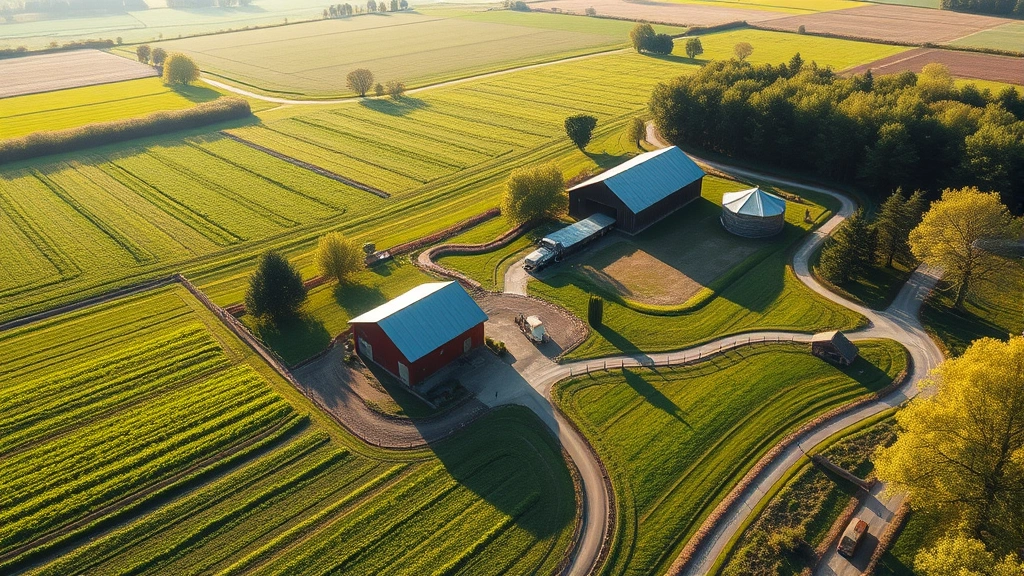
Farmlet Opportunities? Market Insights 2023
The agricultural real estate market has undergone significant transformation in recent years, with farmlet properties emerging as a compelling investment category for both seasoned entrepreneurs and lifestyle-focused buyers. A farmlet for sale represents more than just a piece of land—it’s a hybrid opportunity that bridges traditional agriculture with modern business ventures, sustainable living, and alternative income streams. As we navigate 2023’s economic landscape, understanding the nuances of farmlet investments has become essential for anyone considering entry into this expanding market segment.
The rise of small-scale agricultural properties reflects broader consumer trends toward sustainability, local food production, and rural entrepreneurship. Unlike conventional farms requiring significant capital investment and operational expertise, farmlets typically range from 1 to 50 acres, making them accessible to a wider demographic. This democratization of agricultural ownership has created unprecedented opportunities for agritourism ventures, organic produce operations, value-added product businesses, and hobby farming enterprises that generate genuine revenue.
Understanding current market dynamics, valuation trends, and profit potential is crucial before committing to a farmlet purchase. This comprehensive guide explores the 2023 farmlet market landscape, helping prospective buyers identify genuine opportunities and navigate the investment process strategically.
Current Market Overview and Trends
The farmlet market in 2023 demonstrates resilience and growth despite broader economic uncertainties. According to Farmland.com’s latest market analysis, small agricultural properties under 50 acres have seen appreciation rates of 6-12% annually over the past three years, outpacing traditional residential real estate in many regions. This performance reflects fundamental supply-demand dynamics: limited farmlet inventory meets increasing buyer interest from remote workers, retirees, and agricultural entrepreneurs.
The National Association of Realtors reported that rural property inquiries increased 34% year-over-year, with farmlets representing the fastest-growing subcategory. This surge stems from multiple converging factors: pandemic-driven relocation patterns, increased interest in food security and self-sufficiency, favorable financing options for agricultural properties, and the ability to generate income from small acreage through specialized agricultural practices.
Regional variations significantly impact market conditions. Northeast and Pacific Northwest farmlets command premium prices due to established agritourism infrastructure and proximity to affluent population centers. Conversely, Midwestern and Southern farmlets often offer superior value propositions, with lower entry costs and expanding direct-to-consumer marketing opportunities. Understanding regional market dynamics is essential for identifying undervalued opportunities.
Technology adoption has revolutionized small-scale farming viability. Precision agriculture tools, direct-to-consumer e-commerce platforms, and social media marketing enable farmlet operators to achieve profitability levels previously requiring significantly larger operations. This technological democratization has fundamentally altered the farmlet value proposition, making smaller properties increasingly attractive to business-minded investors.

Farmlet Valuation and Pricing Factors
Determining fair market value for a farmlet requires analyzing multiple variables beyond standard real estate metrics. Land productivity, soil quality, water access, existing infrastructure, and zoning flexibility all significantly influence valuation. A comprehensive appraisal should incorporate agricultural productivity metrics alongside traditional comparable sales analysis.
Soil quality represents perhaps the most critical productivity factor. Properties with superior soil classifications command 20-40% premiums over comparable acreage with marginal soil conditions. Professional soil testing, available through county extension services, provides quantifiable data supporting valuation negotiations. Water access—whether through wells, springs, irrigation systems, or proximity to water sources—dramatically impacts agricultural potential and pricing.
Existing infrastructure dramatically affects farmlet value and startup costs. Properties featuring functional barns, equipment storage, fencing, irrigation systems, and utilities already installed justify significant premiums. Conversely, raw land requiring substantial infrastructure investment may present opportunities for value-add strategies, though such purchases demand careful financial modeling.
Zoning and regulatory flexibility influence farmlet versatility and income potential. Properties zoned for agricultural use with flexibility for value-added operations, agritourism activities, or residential structures command higher valuations than those with restrictive zoning. Researching local regulations regarding farm stands, pick-your-own operations, events, and direct sales is essential during due diligence.
Market location proximity factors—distance to population centers, accessibility, nearby complementary businesses—significantly impact consumer-facing revenue potential. A farmlet five miles from a metropolitan area with agritourism appeal commands substantially higher value than isolated properties, even with superior soil quality.
Profitable Revenue Models for Farmlets
Successful farmlet investments typically combine multiple revenue streams, reducing risk and maximizing profitability. Understanding viable income models for your specific property and region is essential for investment evaluation.
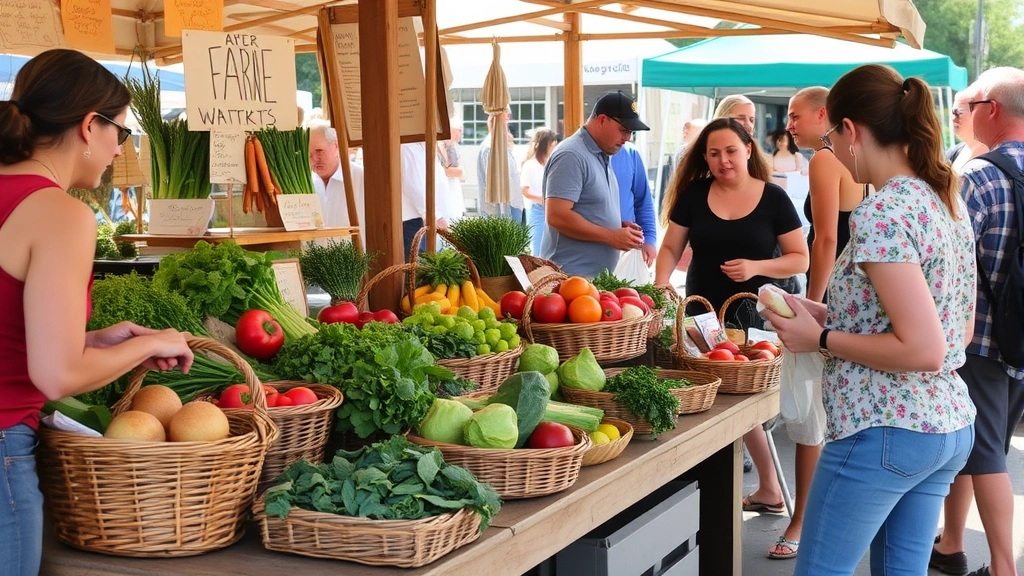
Direct-to-Consumer Agriculture. Farmers markets, community-supported agriculture (CSA) programs, and direct sales generate premium pricing compared to wholesale channels. A 5-acre farmlet producing specialty vegetables, herbs, or microgreens can generate $50,000-$150,000 annually through farmers market sales and CSA subscriptions. Implementing e-commerce capabilities through platforms enabling e-commerce marketing strategies can further expand reach and profitability.
Agritourism and Experiential Activities. Pick-your-own operations, farm tours, workshops, and educational events generate substantial revenue while requiring minimal additional land. A well-marketed u-pick operation can produce $30,000-$80,000 seasonally from just 1-2 acres. Lavender farms, berry operations, and pumpkin patches exemplify this model’s profitability.
Value-Added Product Production. Transforming raw agricultural products into processed goods—jams, baked goods, herbal products, crafts—increases margins dramatically. A farmlet producing value-added products can achieve 60-70% gross margins compared to 30-40% for raw commodity sales. Proper licensing and food safety compliance are essential but manageable for small-scale operations.
Specialty Crop Production. High-value crops including organic vegetables, specialty mushrooms, medicinal herbs, flowers, and gourmet products enable profitability on small acreage. A quarter-acre of premium crops can generate $10,000-$30,000 annually with proper marketing and positioning. USDA agricultural statistics demonstrate consistent demand for locally-produced specialty items.
Agri-Wellness and Retreat Services. Combining agricultural activities with wellness services—yoga classes, meditation retreats, farm-to-table dining experiences—creates premium pricing opportunities. Properties with appealing aesthetics and appropriate infrastructure can command $500-$2,000 per participant for multi-day experiences.
Subscription and Membership Models. Farm subscriptions, membership programs, and loyalty models create predictable recurring revenue. Learning from subscription box business fundamentals helps farmlet operators structure compelling membership offerings generating $15,000-$50,000 annually from 50-150 members.
Equipment and Infrastructure Rental. Larger farmlets can generate income by renting equipment, facilities, or pasture to neighboring agricultural operations. Barn space, grazing land, and equipment rental generate $5,000-$20,000 annually with minimal operational overhead.
Strategic Location Analysis
Location analysis for farmlet investments extends beyond traditional real estate considerations. Successful farmlets require proximity to target markets, supportive regulatory environments, and complementary infrastructure.
Population Proximity. Farmlets within 30-60 minutes of metropolitan areas with 250,000+ population typically support agritourism and direct-to-consumer models. Conversely, properties requiring 2+ hour drives limit consumer-facing revenue potential, requiring wholesale or mail-order business models instead.
Regional Agricultural Reputation. Regions with established agricultural brands—wine country, farm-to-table cuisine centers, organic farming hubs—provide marketing advantages for new operators. Properties within recognized agricultural regions benefit from consumer preference and premium pricing power.
Regulatory Environment. States and counties vary dramatically in agricultural regulations, farm business licensing, direct sales allowances, and agritourism liability frameworks. Researching specific local regulations regarding farm stands, events, value-added products, and activities is essential. Some jurisdictions prohibit certain agricultural activities or require extensive permitting, significantly impacting business models.
Infrastructure and Services. Access to quality water, reliable electricity, broadband internet, and proximity to suppliers and processors influences operational feasibility. Properties lacking adequate infrastructure require substantial capital investment before generating revenue.
Competitive Landscape. Analyzing existing farmlet operations, farmers markets, and direct-to-consumer agricultural businesses in target regions reveals market saturation, pricing power, and differentiation opportunities. Underserved markets present superior opportunities than oversaturated regions.
Key Investment Considerations
Beyond market analysis and revenue potential, several critical factors determine farmlet investment success.
Financial Modeling and Break-Even Analysis. Comprehensive financial projections incorporating startup costs, operational expenses, seasonal variations, and realistic revenue timelines are essential. Most farmlet operations require 2-4 years to achieve profitability, demanding adequate capitalization beyond property purchase costs. Conservative projections help identify viable opportunities and avoid capital-intensive ventures unlikely to generate acceptable returns.
Operational Capacity and Expertise. Farmlet success depends substantially on operator knowledge and commitment. Evaluating your agricultural experience, willingness to learn, physical capability, and time availability honestly prevents costly mistakes. Consider whether you’ll operate personally or hire management, significantly impacting profitability.
Financing and Capital Requirements. Agricultural lending differs from residential real estate financing. Farm Credit System lenders, USDA programs, and specialized agricultural banks offer favorable terms for qualified borrowers. Understanding available financing options and total capital requirements—including working capital—prevents underfunding common in agricultural ventures. Proper inventory management for agricultural products helps optimize working capital efficiency.
Insurance and Risk Management. Agricultural operations face unique risks including crop failure, weather damage, liability exposure, and market volatility. Comprehensive insurance coverage—crop insurance, liability, property, and business interruption—is essential. Budget 3-5% of gross revenue for insurance and risk management.
Market Research and Validation. Before purchasing, validate business model assumptions through customer research, competitive analysis, and demand verification. Farmers market testing, community surveys, and preliminary customer commitments reduce execution risk significantly.
Regulatory Compliance and Licensing. Agricultural businesses require various licenses, permits, and compliance certifications depending on activities. Food production, direct sales, events, and agritourism each carry specific regulatory requirements. Budget time and resources for compliance infrastructure before operations commence.
Marketing and Sales Strategies
Modern farmlet success increasingly depends on effective marketing and brand development. Traditional agricultural marketing—wholesale commodity sales—yields insufficient margins for small operations. Consumer-focused marketing strategies are essential.
Digital Marketing and E-Commerce. Establishing web presence, social media engagement, and e-commerce capabilities dramatically expands market reach. Direct-to-consumer sales through e-commerce platforms eliminate intermediaries, increasing margins 40-60%. Learning best e-commerce platforms and tools enables farmlet operators to build professional online storefronts cost-effectively.
Social media storytelling—showcasing daily operations, seasonal activities, product development—builds community engagement and brand loyalty. Instagram and Facebook excel at agricultural content, enabling visual storytelling that drives consumer interest and loyalty. Consistent, authentic content generates organic reach and customer acquisition.
Experiential Marketing and Farm Visits. Inviting customers to visit operations creates emotional connections and premium pricing justification. Farm tours, pick-your-own experiences, and workshops transform transactions into memorable experiences, driving loyalty and word-of-mouth marketing.
Strategic Partnerships and Distribution. Collaborating with complementary businesses—farm-to-table restaurants, wellness centers, tourism operators—expands reach and creates synergistic marketing opportunities. Strategic partnerships reduce customer acquisition costs while expanding market access.
Brand Development and Storytelling. Compelling origin stories, sustainability narratives, and quality commitments differentiate farmlets in competitive markets. Consumers increasingly pay premiums for brands aligned with personal values. Developing authentic brand narratives around sustainability, quality, or local community creates emotional connections driving loyalty.
Certification and Third-Party Validation. Organic certification, sustainability certifications, and quality standards provide credibility and premium pricing justification. While certification requires investment, validated quality claims enable significant price premiums in competitive markets.
FAQ
What is the typical price range for farmlets in 2023?
Farmlet pricing varies dramatically by region and property characteristics. Generally, improved farmlets (with infrastructure and utilities) range from $150,000 to $500,000 for 5-10 acres, depending on location proximity to metropolitan areas and existing improvements. Raw land typically costs 30-50% less but requires substantial development investment. Consult local agricultural real estate specialists for region-specific pricing data.
Can a farmlet generate sufficient income to support a family?
Yes, farmlets can generate family-supporting income through diversified revenue models combining direct-to-consumer sales, agritourism, value-added products, and specialty crops. Conservative projections suggest well-managed farmlets can generate $40,000-$150,000 annually, depending on size, location, and business model. Success requires professional management, adequate capitalization, and realistic financial projections.
What size farmlet is most profitable?
Profitability depends on business model rather than acreage alone. Intensive direct-to-consumer operations on 2-5 acres can outperform larger properties using wholesale models. Agritourism operations typically require 5-15 acres for visitor capacity and diverse activities. Consider your specific business model when evaluating optimal size.
How long before a farmlet becomes profitable?
Timeline varies based on business model, capitalization, and operator experience. Direct-to-consumer operations may achieve profitability within 18-24 months, while agritourism ventures typically require 2-3 years. Adequate working capital, realistic timelines, and contingency planning are essential for surviving startup phases.
What permits and licenses do farmlet operations require?
Required permits vary by jurisdiction and business activities. Generally, operations require business licenses, agricultural permits, and potentially food production licenses depending on value-added activities. Agritourism operations may require special use permits and liability waivers. Research specific local requirements before purchasing, as regulatory barriers vary dramatically by region.
Should I purchase farmlet land as a business investment or lifestyle property?
Clarifying your primary motivation—financial return or lifestyle enhancement—influences property selection and business model viability. Pure investment properties require rigorous financial analysis and market validation. Lifestyle properties can accept lower returns if personal satisfaction justifies the investment. Many successful owners blend both motivations, ensuring financial viability while achieving lifestyle goals. Consider business purchase considerations when evaluating farmlet investments as commercial enterprises.
What resources help farmlet operators succeed?
USDA extension services, state agricultural departments, and local farm bureaus provide free technical assistance, training, and market information. Small Business Administration resources offer business planning, financing, and management guidance applicable to agricultural ventures. Mentorship from successful farmlet operators in your region provides invaluable practical insights.